
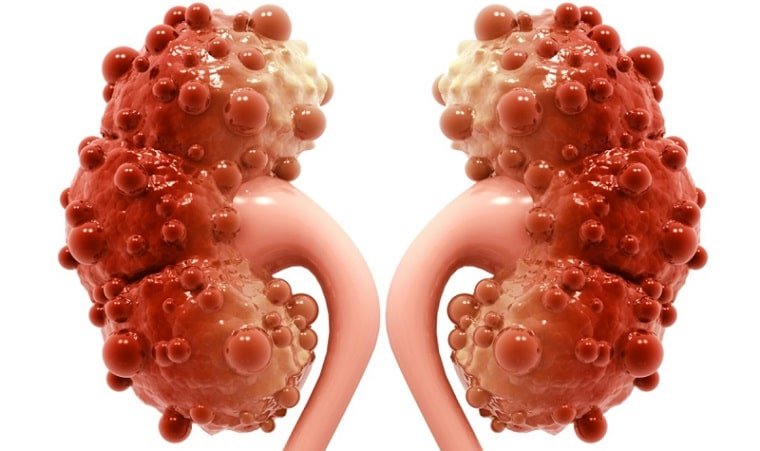
Renal cysts and diabetes syndrome is a rare inherited or new genetic condition in which kidney cysts or kidney structural changes occur with diabetes. The same HNF1B gene change can affect kidney development, pancreatic insulin production, and other organs. It matters because the pattern can be mistaken for type 1 or type 2 diabetes, while kidney findings may be noticed years earlier. Recognizing the link helps clinicians choose appropriate testing, monitoring, and family counseling.
RCAD syndrome sits within monogenic diabetes (single-gene diabetes) and is often called HNF1B MODY or MODY 5. It is not simply diabetes caused by kidney cysts. Instead, one gene change can explain both findings. The practical goal is to identify the pattern, confirm it when appropriate, and coordinate endocrine and kidney care.
Key Takeaways
- Renal cysts and diabetes syndrome is usually linked to changes in the HNF1B gene.
- Kidney cysts, kidney structural differences, or reduced kidney function may appear before diabetes.
- Diabetes can look atypical, so genetic testing may be considered when the pattern fits.
- RCAD care often involves endocrinology, nephrology, genetics, and primary care working together.
- Family history helps, but a new HNF1B change can occur without affected relatives.
Why Renal Cysts and Diabetes Syndrome Happens
RCAD is most often caused by a variant in the HNF1B gene. Older sources may call this an HNF1B gene mutation. HNF1B helps guide development and function in several tissues, including the kidneys, pancreas, liver, and reproductive tract. When one copy of this gene is changed or missing, kidney cysts and diabetes can appear as part of the same condition.
The condition is usually described as autosomal dominant. That means one changed copy of the gene can be enough to cause features of the syndrome. A parent with an HNF1B variant can pass it to a child, but many cases are new, or de novo, gene changes. This is one reason RCAD can appear in a family with no known history.
The word syndrome is important. RCAD is not one symptom or one lab result. It is a pattern that can affect different people in different ways. One person may have kidney cysts in childhood and diabetes later. Another may first be evaluated for unexplained diabetes, reduced kidney function, or unusual electrolyte results.
Why the name can be confusing
The name emphasizes kidney cysts and diabetes, but not everyone has large or obvious cysts. Some people have small cysts, abnormal kidney shape, one smaller kidney, or reduced kidney function without dramatic imaging findings. Diabetes also varies. It may be diagnosed in adolescence, young adulthood, or later adult life.
RCAD overlaps with maturity-onset diabetes of the young (MODY), a group of single-gene diabetes conditions. When HNF1B is involved, clinicians may use terms such as HNF1B MODY, MODY 5, HNF1B diabetes, or HNF1B kidney disease. These labels point to the same gene-centered explanation, but the exact features still differ by person.
Clues That Can Bring RCAD to Attention
The strongest clue is the combination of kidney findings and diabetes that does not fit the expected pattern. This may include kidney cysts found on ultrasound, diabetes diagnosed at a younger age, or a family history of kidney disease and diabetes across generations. Atypical results do not prove RCAD, but they can justify a more focused review.
| Clinical clue | What it may look like | Why it matters |
|---|---|---|
| Kidney findings | Cysts, structural differences, reduced eGFR, or protein in urine | Kidney features may appear before diabetes and prompt genetic consideration. |
| Diabetes pattern | Diabetes without a clear type 1 or type 2 pattern | Monogenic diabetes may need a different diagnostic approach. |
| Family pattern | Several relatives with kidney disease, diabetes, or both | Autosomal dominant inheritance can create a vertical family pattern. |
| Lab clues | Low magnesium, high uric acid, or unexplained liver enzyme changes | Extra-organ findings can support suspicion when seen with kidney and glucose issues. |
| Developmental findings | Pancreas, genital tract, or prenatal kidney differences | HNF1B has roles beyond blood sugar control. |
Diabetes symptoms can include increased thirst, frequent urination, fatigue, blurred vision, and unintended weight change. Kidney cysts may cause no symptoms at all. Kidney disease may instead show up through high blood pressure, changes in urine tests, or reduced estimated glomerular filtration rate, often shortened to eGFR.
Many people with kidney cysts do not have RCAD. Simple kidney cysts are common, especially with age. The concern rises when cysts or kidney abnormalities occur with early, atypical, or familial diabetes. That combined pattern is the reason clinicians may look beyond routine diabetes categories.
How Diagnosis Usually Comes Together
Renal cysts and diabetes syndrome diagnosis usually starts with pattern recognition, not a single screening test. A clinician may review the age at diabetes diagnosis, body weight history, insulin needs, family history, kidney imaging, and lab results. The goal is to decide whether genetic testing is appropriate and which test can detect the relevant HNF1B changes.
Testing often includes kidney imaging, blood glucose or HbA1c assessment, kidney function blood tests, urine albumin testing, electrolytes, and sometimes liver enzyme results. If diabetes type is unclear, clinicians may also consider tests used to evaluate autoimmune type 1 diabetes or insulin resistance. These tests help narrow the explanation, but they do not replace genetic confirmation.
Genetic testing for HNF1B may need to detect both smaller sequence variants and larger deletions. Whole-gene deletions are an important cause of RCAD, so the test method matters. A genetics professional can explain what the test includes, what a negative result means, and whether relatives should be offered testing.
Genetic counseling is especially useful when results affect family members. A confirmed HNF1B variant can clarify why kidney and diabetes findings cluster together. It can also guide discussions about relatives, reproductive planning, and what health checks may be reasonable for people who carry the same variant.
How RCAD Care Is Usually Coordinated
There is no single RCAD treatment plan that fits everyone. Care usually focuses on the problems present in that person: glucose management, kidney monitoring, blood pressure, electrolytes, and related organ findings. The plan may involve an endocrinologist, nephrologist, genetic counselor, primary care clinician, and sometimes other specialists.
Diabetes management
Diabetes treatment in RCAD depends on glucose levels, kidney function, age, other conditions, and medication safety. Some people use oral diabetes medicines. Others may need insulin. Medication choices should be individualized, especially when kidney function is reduced or changing. For broader context, the Oral Diabetes Medications resource explains common drug classes used in diabetes care.
Some diabetes medicines have kidney-related precautions or kidney-related indications in specific groups. That does not mean they are automatically appropriate for RCAD. The prescribing clinician has to consider eGFR, other medicines, dehydration risk, infections, and the overall diagnosis. For class-level background, see SGLT2 Inhibitors Explained. If metformin is part of a care plan, kidney function is one factor clinicians review, and Lactic Acidosis and Metformin covers that safety topic in more detail.
HbA1c is often used to follow average blood glucose over roughly two to three months. The calculator below can convert HbA1c and estimated average glucose for general interpretation. It is a math aid and does not set personal targets or replace clinical judgment.
HbA1c & eAG Calculator
Convert between HbA1c percentage and estimated average glucose using the ADAG relationship.
These calculations are for education only and do not replace clinical advice, diagnosis, or treatment. Always confirm medical decisions with a qualified healthcare professional.
Kidney and blood pressure monitoring
Kidney care may include periodic eGFR tests, urine albumin checks, blood pressure review, electrolyte monitoring, and imaging when clinically indicated. Some people also need monitoring for low magnesium or high uric acid. A nephrologist can help interpret whether changes are stable, slowly progressive, or need closer follow-up.
Because RCAD can involve both endocrine and kidney systems, a shared care plan helps reduce confusion. People often benefit from keeping a current medication list, genetic test report, kidney imaging summary, and recent lab results in one place. For broader site navigation, the Diabetes Category and Nephrology Category collect related educational posts.
Family Planning and Inheritance Questions
RCAD syndrome inheritance is usually autosomal dominant. If a parent carries a disease-causing HNF1B variant, each child has a 50% chance of inheriting that variant. Inheriting the variant does not predict every feature. Kidney findings, diabetes timing, and other signs can vary even within the same family.
A negative family history does not rule out RCAD. Some people are the first in their family to have the HNF1B change. Others may have relatives with mild kidney findings, borderline glucose, or an unexplained history that was never genetically tested. This makes a careful three-generation family history useful, but not definitive.
Genetic counseling can help families understand who might be offered testing. Testing an affected person first is often more informative than starting with unaffected relatives. When a familial variant is confirmed, relatives can discuss targeted testing with their own clinicians. This can support earlier monitoring, but it should be handled with consent and appropriate counseling.
Questions to Bring to a Medical Appointment
A rare diagnosis can make visits feel fragmented. Clear questions help the care team connect kidney, diabetes, and genetic information. Bring copies of imaging reports, lab results, medication lists, and any family history you can gather.
- Pattern fit: Do kidney and diabetes findings suggest HNF1B MODY?
- Testing method: Can the genetic test detect HNF1B deletions and variants?
- Kidney monitoring: Which labs and urine tests should be followed?
- Glucose plan: How does kidney function affect diabetes medicine choices?
- Family risk: Which relatives may benefit from genetic counseling?
- Safety planning: What symptoms should prompt urgent medical attention?
These questions are not meant to steer treatment. They help organize the conversation and reduce missed details. If you already have a confirmed HNF1B result, ask whether the report should be added to your main medical record and shared with key specialists.
When Symptoms Need Prompt Medical Attention
Urgent care may be needed for severe high blood sugar symptoms, repeated vomiting, confusion, trouble breathing, fainting, severe dehydration, or signs of severe low blood sugar. People using glucose-lowering medicines should know their personal sick-day and hypoglycemia plans from their clinician. For related emergency context, see Diabetic Coma and Insulin Overdose.
Kidney-related symptoms also deserve attention when they are sudden or severe. These can include blood in urine, severe flank pain, fever with urinary symptoms, major swelling, or a sharp drop in urine output. These symptoms can have many causes, so prompt assessment is safer than trying to connect them to RCAD on your own.
Authoritative Sources
- NCBI MedGen on RCAD summarizes RCAD as an autosomal dominant multisystem disorder.
- NHS Genomics Education on RCAD explains HNF1B variants, deletions, and clinical features.
- NIDDK on monogenic diabetes provides background on MODY and single-gene diabetes.
RCAD can feel confusing because it sits between genetics, diabetes, and kidney care. A written summary of the diagnosis, current kidney function, diabetes plan, and family testing status can make follow-up visits easier. It also helps new clinicians understand why the kidney and glucose findings should be interpreted together.
For broader navigation, the Diabetes Condition Hub lists diabetes-related product pages, and the Nephrology Product Category is a browsing hub for kidney-related product categories. CanadianInsulin.com is a prescription referral platform when medication access is relevant.
This content is for informational purposes only and is not a substitute for professional medical advice.


