

Ophthalmology Articles and Resources
Plain-language guides on medications, conditions and everyday care, to read before you talk with your prescriber or pharmacist.
Healthy Vision Month: Eye Care Tips for July and Beyond
Healthy Vision Month is a reminder to protect your eyesight before problems become obvious. Use July as a practical reset: schedule overdue…
Read more →
Lucentis Treatment Cost and Savings in Canada: What Shapes Access
Lucentis treatment cost and savings in Canada depend on more than the medicine itself. The monthly total can include the drug, the…
Read more →
Semaglutide and Vision: Eye Symptoms and Monitoring
Semaglutide and vision concerns are usually about monitoring, not panic. Most people using GLP-1 medicines do not develop serious eye problems. Still,…
Read more →
Metformin Blindness: Eye Risks, Protection, and Red Flags
Metformin blindness is not a typical or expected effect of routine metformin use. For most people with type 2 diabetes, metformin supports…
Read more →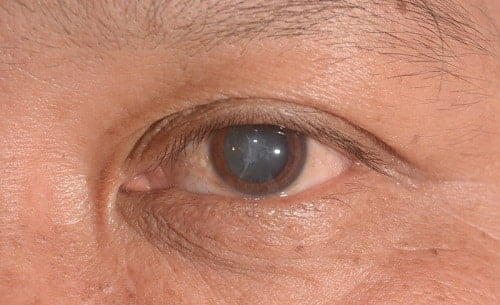
Cataracts and Diabetes: Risks, Surgery, and Prevention Guide
Cataracts are common, but diabetes changes the risk profile and care plan. Understanding cataracts and diabetes helps you prepare for appointments, surgery…
Read more →
How Does Diabetes Affect the Eyes? Symptoms, Risks, and Care
Diabetes can affect the eyes by changing fluid balance in the lens and damaging small blood vessels in the retina. That is…
Read more →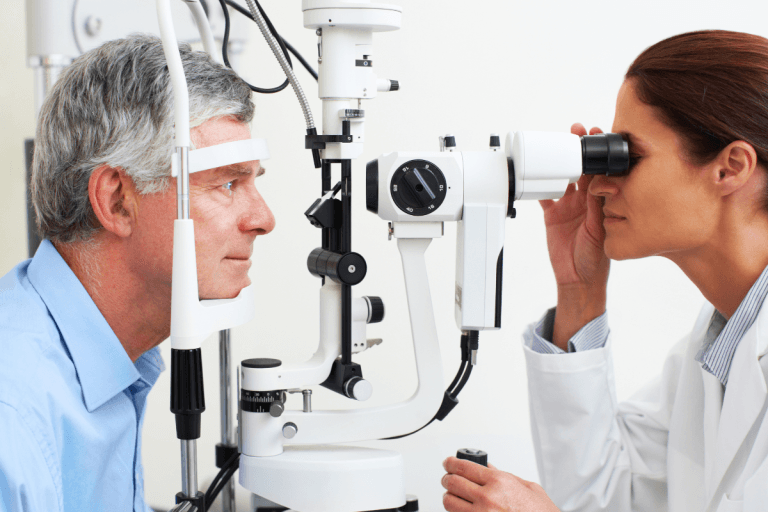
Diabetic Retinopathy: Signs, Symptoms, and Early Warning Guide
Key TakeawaysEarly clues matter: subtle vision changes often precede noticeable vision loss.Timely eye exams catch progressive damage before it threatens central sight.Treatment…
Read more →
Eylea vs Lucentis: Clinical Comparison, Uses, and Safety Guide
Choosing between anti-VEGF (vascular endothelial growth factor) injections can feel daunting. This article explains how both medicines work, what they treat, and…
Read more →
Lucentis Uses, Side Effects, Dosage, and Safety Essentials
Lucentis: Uses, Side Effects, Dosage, and Safety Guide is a practical overview of ranibizumab, a prescription anti-VEGF eye medicine used by retina…
Read more →Ophthalmology articles on this page help patients, caregivers, and health readers understand eye-care terms and choose the next resource to read. Use this archive to find plain-language explainers about eye doctors, vision-care roles, and related health topics that may shape eye-care conversations. The category is a reading path, not a diagnosis or treatment plan.
Ophthalmology articles and what they cover
The specialty covers medical and surgical eye care, including diseases of the eye, vision-related conditions, and procedures that require physician training. This archive is most useful for definitions, role comparisons, and practical questions such as optometrist vs ophthalmologist. An ophthalmologist (medical eye doctor) can evaluate complex eye conditions, prescribe medicines when appropriate, perform procedures, and prescribe glasses.
Use article titles and filters to separate basic vocabulary from deeper clinical topics. A definition article may help with ophthalmology meaning or pronunciation. A comparison article may clarify how an optician, optometrist, and ophthalmologist differ. A safety-focused article should help you prepare questions, not replace professional care.
Choose the next article by your question
Readers often arrive with one narrow question. The best starting point depends on whether you want a definition, a role comparison, or help understanding how eye-care information connects with other health topics. These ophthalmology articles work best when you use them to frame a better conversation with a licensed eye-care professional.
- Definitions: Start here if you want the meaning of a term, the correct pronunciation, or a plain-language description of an eye exam note.
- Role comparisons: Choose these pieces when you are comparing an ophthalmologist, optometrist, and optician before choosing where to seek care.
- Appointment preparation: Use these resources to organize symptoms, current prescriptions, health history, and questions for the visit.
- Related health topics: Move to linked diabetes or endocrine reading when an eye article mentions blood sugar, chronic disease, or medication context.
Quick tip: Match the article type to your question before reading deeper medical details.
Compare eye-care roles before you click
Searches about what an eye doctor is called often mix several roles. This table helps you scan the difference before opening a longer article. It does not replace local licensing rules, which can affect scope of practice and referral pathways.
| Role | Plain-language description | Useful reading path |
|---|---|---|
| Ophthalmologist | A medical or osteopathic physician trained in eye medicine and eye surgery. | Use when an article discusses eye disease, procedures, prescription treatment, or complex symptoms. |
| Optometrist | A doctor of optometry; not a medical physician in most settings, with scope varying by location. | Use when reading about routine vision exams, glasses prescriptions, contact lenses, or referrals. |
| Optician | A trained professional who helps fit and prepare eyewear from a prescription. | Use when your question is about frames, lenses, measurements, or eyewear fitting. |
This comparison also helps with questions such as is an optometrist a doctor or can an ophthalmologist prescribe glasses. The short answer depends on the role and the jurisdiction, so use the article archive to understand the language before acting on it.
Connect eye articles with diabetes and medication reading
Eye-health questions sometimes overlap with chronic disease topics, especially when a reader is already tracking blood sugar, medicines, or long-term risk discussions. The Diabetes Articles archive can help you separate eye-specific terms from general diabetes education. Type 1 Diabetes Articles and Type 2 Diabetes Articles give more focused reading paths when an article names a diabetes type.
If an eye-related article sends you toward treatment or product terminology, product collections are a different kind of page. Diabetes Medications organizes medicine listings, while Long-Acting Insulin narrows that browsing to one insulin category. Hypoglycemia Aids is a product list for low blood sugar support items, not an eye-care article archive.
When a page involves prescription medication, CanadianInsulin.com may help confirm prescription details with the prescriber where required. Licensed third-party pharmacies handle dispensing where permitted.
Use article details without turning them into personal medical instructions
Educational content can help you understand terms like retina (light-sensing tissue at the back of the eye), cornea (clear front surface), or intraocular pressure (pressure inside the eye). It should not tell you whether a symptom is harmless or which treatment you need. Sudden vision changes, severe eye pain, injury, or new neurological symptoms require local urgent guidance.
For chronic conditions, keep article reading tied to your actual care plan. If you already use insulin or other prescription medicines, do not change timing, storage, or dosing because of an eye-health article. A focused medication explainer such as Diabetes Tech: Pens, Pumps, And CGMs can help you understand device terms, but your clinician should guide treatment decisions.
Build a practical reading path
Start simple when a term is unfamiliar. Move from definitions to role comparisons, then to related disease or medication archives only when the article topic clearly connects them. This order keeps the page useful for browsing and reduces the chance of mixing an eye-care role question with a medication-management question.
- Use definitions when you need plain language before a visit.
- Use role comparisons when you are unsure which professional type a topic involves.
- Use diabetes and medication archives when an article specifically connects eye health with blood sugar care.
- Bring article-based questions to a qualified professional, especially when symptoms or prescriptions are involved.
The Ophthalmology archive works best as a starting point for clearer reading. Choose the article or related collection that matches your question, then confirm medical concerns with an appropriate clinician.
This content is for informational purposes only and is not a substitute for professional medical advice.
This content is for informational purposes only and is not a substitute for professional medical advice.
Frequently asked questions
About reading the Ophthalmology archive.
Where should I start in this ophthalmology article category?
Start with definition or role-comparison articles if you are new to eye-care terms. They can clarify what an ophthalmologist does, how optometrists and opticians differ, and which questions to bring to a visit. If your question involves diabetes, medicines, or chronic disease, move to related archives only after the eye-care topic is clear.
What is the difference between ophthalmology and optometry?
Ophthalmology is a medical specialty led by physicians who diagnose and treat eye disease and may perform eye surgery. Optometry is a separate eye-care profession focused on vision exams, prescriptions for glasses or contact lenses, and some eye-health assessments. Scope varies by location, so local rules and your clinician’s guidance matter.
What are the 3 types of eye doctors and eye-care professionals?
The three commonly compared roles are ophthalmologist, optometrist, and optician. An ophthalmologist is a medical eye doctor. An optometrist is a doctor of optometry, not usually a medical physician. An optician helps prepare and fit eyewear from a prescription. The right role depends on the question, symptoms, and local scope of practice.
Can an ophthalmologist prescribe glasses?
Yes, an ophthalmologist can prescribe glasses. Ophthalmologists can also diagnose and treat medical eye conditions, prescribe medications when appropriate, and perform procedures. Some people may see an optometrist for routine vision correction and an ophthalmologist for more complex medical concerns. Your care path may depend on symptoms, referral rules, and local access.
Browse by medical condition
Products and reading lists grouped by condition, from A to Z.
All medical conditions →Looking for a medication?
Prices in USD, shown before you pay. Prescription required.
Shop all medications →The contents of CanadianInsulin.com are for informational purposes only and should not be considered medical advice. We do not guarantee the accuracy of the content on CanadianInsulin.com, nor do we assume any responsibility for any actions taken using the information found on our website. Always consult with your family physician or a qualified health care provider about any health or medical concerns.