

Semaglutide and vision concerns are usually about monitoring, not panic. Most people using GLP-1 medicines do not develop serious eye problems. Still, blurred vision, worsening diabetic retinopathy, and rare optic nerve events have been reported. Regular dilated eye exams help detect changes early, especially when blood sugar improves quickly.
This matters because some vision changes are temporary, while others need same-day care. The safest approach is simple: know your baseline eye health, watch for red-flag symptoms, and tell both your prescribing clinician and eye specialist about new or worsening changes.
Key Takeaways
- Most risks are uncommon: serious vision events appear rare.
- Blur can be temporary: rapid glucose shifts may change focus.
- Retinopathy needs planning: existing diabetic eye disease warrants closer follow-up.
- Sudden loss is urgent: do not wait for a routine appointment.
- Documentation helps: track timing, symptoms, dose changes, and glucose trends.
Why Semaglutide and Vision Are Being Discussed
Semaglutide and vision are being discussed because researchers and regulators have noted signals involving blurred vision, diabetic retinopathy complications, and a rare optic nerve condition called NAION. NAION stands for nonarteritic anterior ischemic optic neuropathy, which means reduced blood flow to the front part of the optic nerve.
These signals do not mean that every person using semaglutide faces a high eye risk. They do mean clinicians should take sudden vision symptoms seriously. They also reinforce a basic diabetes-care principle: eye screening remains important even when glucose, weight, or cardiometabolic markers are improving.
Online phrases such as ozempic blindness or semaglutide blindness can sound more certain than the evidence supports. Some reported events are serious, but causation can be hard to prove. People may already have diabetes, high blood pressure, sleep apnea, vascular disease, or pre-existing eye conditions that raise baseline risk.
Why it matters: Better metabolic control can help long-term health, but rapid changes may briefly stress vulnerable eyes.
If you want broader background on eye-health topics, the Ophthalmology collection can support continued reading. For diabetes-specific context, the Diabetes Articles section groups related educational pages.
Blurred Vision, Retinopathy, and Rare Optic Nerve Events
Blurred vision during semaglutide treatment can happen for different reasons. One common explanation is changing blood glucose. When glucose levels shift quickly, fluid movement can affect the eye’s lens and change how light focuses. This can cause temporary blur or a shifting eyeglass prescription.
People with diabetes may also have diabetic retinopathy, which is damage to the small blood vessels in the retina. When blood sugar improves rapidly, existing retinopathy can sometimes appear to worsen before stabilizing. This pattern is not unique to semaglutide. It has been described with intensive glucose improvement in general.
Semaglutide eye side effects are harder to interpret when symptoms are vague. Dryness, eye strain, migraine aura, fluctuating glucose, medication changes, and unrelated eye disease can all cause visual complaints. A dilated exam helps separate benign causes from problems that need treatment.
Can blurred vision go away?
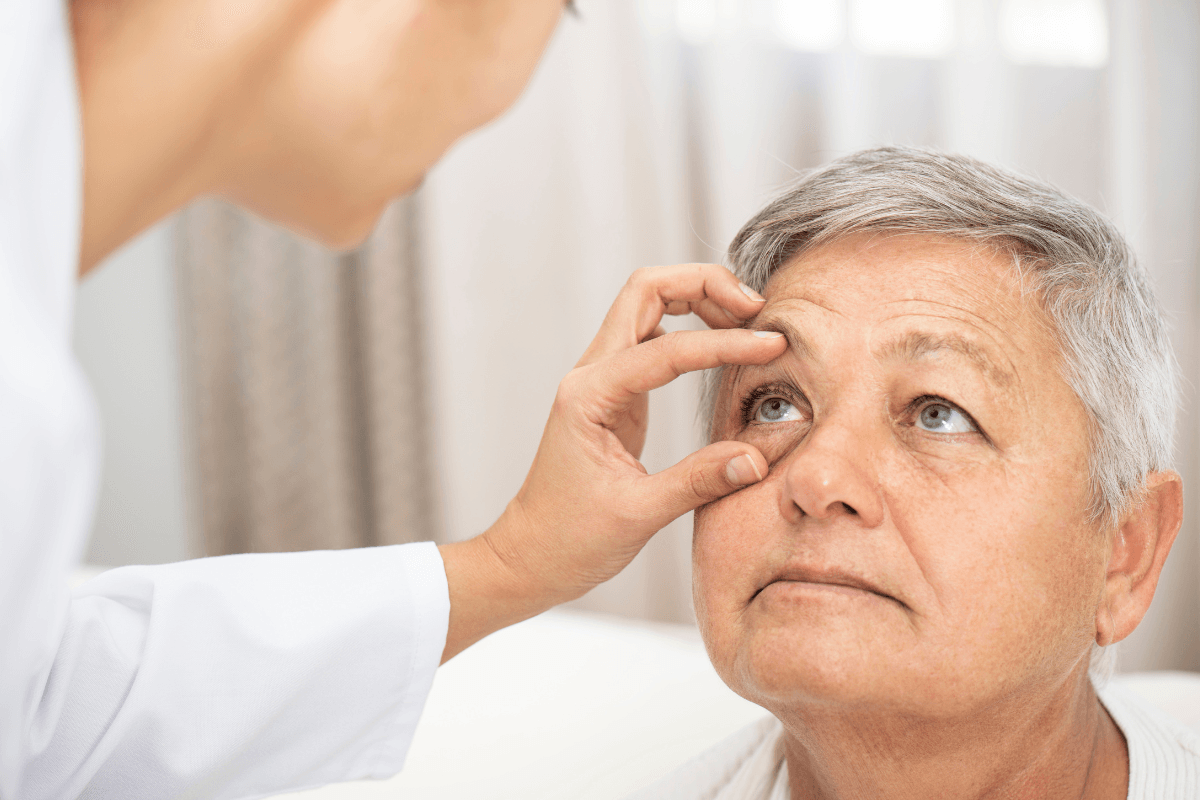
Blur related to glucose shifts may improve as levels stabilize, but it should not be assumed harmless. New blur in one eye, distortion, floaters, flashes, or pain deserves prompt review. If vision changes are sudden or severe, seek urgent evaluation rather than waiting to see whether it settles.
What about NAION?
NAION usually causes sudden, painless vision loss in one eye. It may be noticed on waking. The condition is rare, but it can cause lasting vision loss. Risk factors can include older age, diabetes, high blood pressure, sleep apnea, and crowded optic nerve anatomy. Current evidence suggests a possible association with semaglutide, but individual risk depends on more than one medicine.
For readers comparing safety information across semaglutide uses, Semaglutide Weight Loss Medication provides a wider medication-safety context. For a broader adverse-effect discussion, see Ozempic Side Effects.
Symptoms That Need Same-Day Eye Care
Some eye symptoms are emergencies because they may signal retinal detachment, acute glaucoma, optic nerve injury, infection, or inflammation. Same-day assessment is especially important if symptoms start suddenly, affect one eye, or reduce vision.
- Sudden vision loss: partial or complete loss needs urgent care.
- Curtain-like shadow: this can suggest retinal detachment.
- New floaters or flashes: these may occur with retinal tears.
- Eye pain with redness: urgent causes include glaucoma or uveitis.
- Severe headache with vision symptoms: assessment should not be delayed.
- New distortion: wavy lines or central blur need evaluation.
People often ask what are ozempic eyes after seeing the phrase online. It is not a formal medical diagnosis. It usually refers to nonspecific complaints such as blur, dry eyes, tired eyes, or perceived appearance changes during treatment. Because the phrase is imprecise, describe the symptom instead: when it started, whether one or both eyes are affected, and whether it is constant or intermittent.
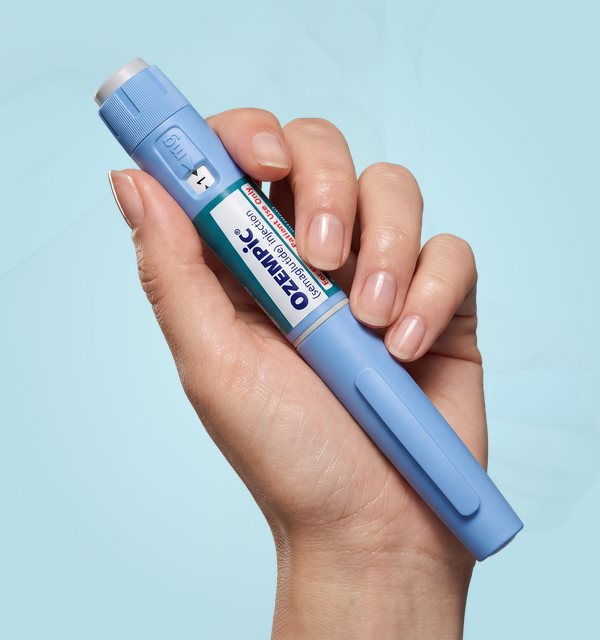
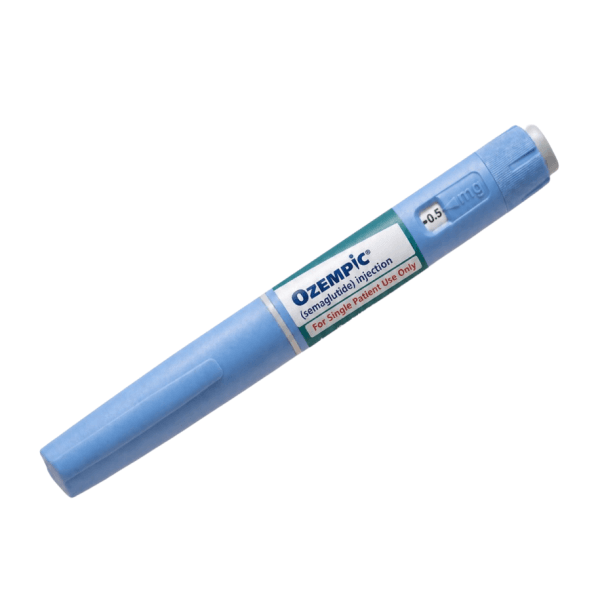
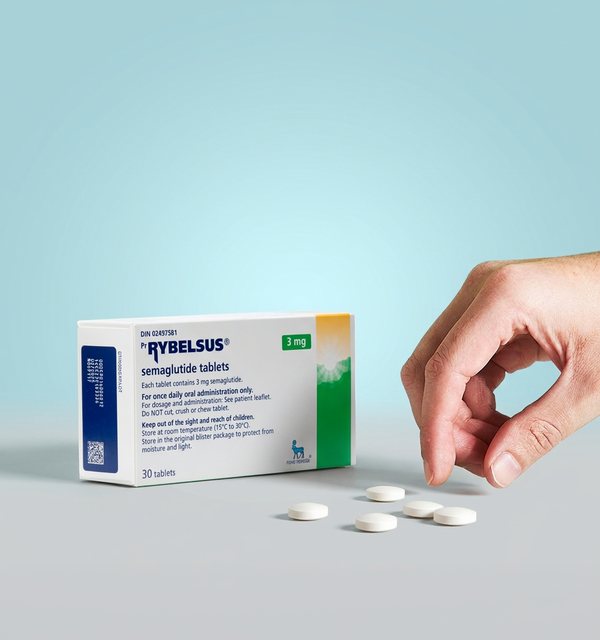
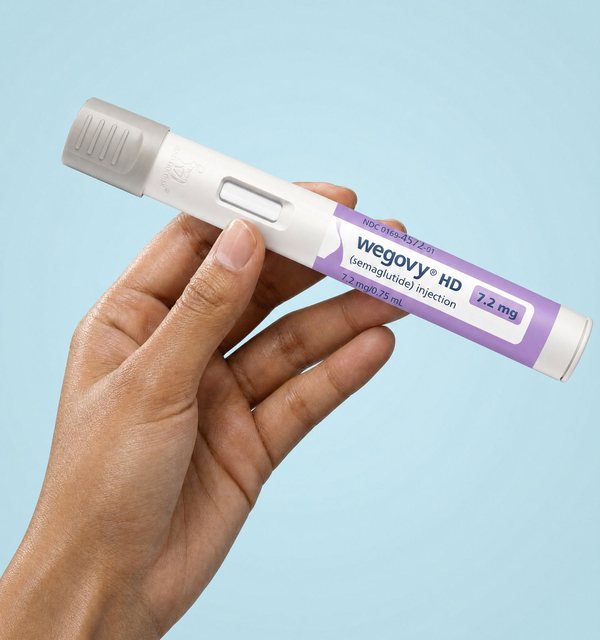
Ozempic and eye problems should also be discussed in context. Semaglutide is the active ingredient in several products, and eye risk discussions may differ by indication, baseline diabetes status, and vascular risk. Product pages such as Ozempic Semaglutide Pens, Rybelsus Semaglutide Pills, and Wegovy can help readers distinguish medication forms, but they do not replace clinical assessment.
Who May Need Closer Eye Monitoring?
Closer monitoring is most relevant for people with existing eye disease or vascular risk factors. Baseline status matters. A person with no diabetes and no known eye disease has a different risk profile than someone with longstanding diabetes and treated retinopathy.
Higher-risk situations may include established diabetic retinopathy, prior retinal laser or injections, glaucoma, high myopia, severe hypertension, sleep apnea, kidney disease, smoking history, or previous optic nerve problems. Rapid A1C reduction may also influence follow-up timing. Your clinician and eye specialist can decide whether routine annual review is enough or whether earlier recheck is appropriate.
For people with type 2 diabetes, regular eye care remains part of risk reduction. The Type 2 Diabetes collection offers broader educational context, while the Diabetes condition hub can help readers browse related therapy categories.
If you are tracking A1C and estimated average glucose, a conversion tool can help you understand the numbers you bring to visits. It is only a general calculator and does not interpret eye risk.
HbA1c & eAG Calculator
Convert between HbA1c percentage and estimated average glucose using the ADAG relationship.
These calculations are for education only and do not replace clinical advice, diagnosis, or treatment. Always confirm medical decisions with a qualified healthcare professional.
Quick tip: Avoid changing glasses during unstable glucose periods unless your eye clinician recommends it.
How to Prepare for an Eye Appointment
Preparation makes the visit more useful. Bring details that connect your eye symptoms with your broader medical picture. This helps the eye team judge whether symptoms fit glucose fluctuation, retinopathy, optic nerve disease, or another cause.
- Medication list: include GLP-1 medicines and recent dose changes.
- Recent labs: bring A1C and glucose trends if available.
- Blood pressure notes: include home readings when relevant.
- Symptom diary: record onset, duration, and affected eye.
- Eye history: list surgeries, injections, laser treatment, or diagnoses.
- Risk factors: mention sleep apnea, migraines, smoking, or vascular disease.
A simple diary can be enough. Note the date, time, symptom, severity, and what was happening that day. Include dehydration, vomiting, new medicines, heavy exertion, migraine symptoms, or illness. If you use continuous glucose monitoring, bring a summary rather than every reading.
Do not stop or change a prescribed medicine because of internet discussion alone. Contact the prescribing clinician if you suspect a medicine-related problem. If symptoms are urgent, prioritize eye emergency assessment first, then update the rest of your care team.
Some readers also look for discussions on ozempic blurry vision reddit or semaglutide blurry vision reddit. Personal stories can make symptoms feel less isolating, but they cannot confirm cause. A clinician can examine the retina and optic nerve, check eye pressure, and decide whether further testing is needed.
How GLP-1 and GLP-1/GIP Medicines Compare for Eye Questions
Monitoring principles are similar across incretin-based medicines, but the evidence base is still evolving. Semaglutide belongs to the GLP-1 receptor agonist class. Tirzepatide acts on GLP-1 and GIP pathways. Both can improve glucose control in appropriate patients, which means rapid metabolic change may still be relevant to eye follow-up.
Searches such as wegovy eye side effects, zepbound blindness, or tirzepatide blindness reddit often group different products together. That can be misleading. A reported safety signal for one drug, one population, or one study design does not automatically apply in the same way to every related medicine.
The practical comparison is not about choosing a medicine based only on eye headlines. It is about matching treatment goals, diabetes status, retinopathy history, cardiovascular risk, and monitoring access. People using these medicines for weight management may not have the same baseline eye risk as people using them for longstanding diabetes.
For a patient-focused safety review, Ozempic Safety covers broader concerns and when to seek help. For longer-term treatment questions, Long-Term Ozempic Side Effects may help frame ongoing monitoring conversations.
Reporting Suspected Eye Side Effects
Suspected adverse effects should be documented clearly. Include the medicine name, start date, dose changes, symptom onset, eye affected, exam findings if known, and whether symptoms improved or persisted. This information helps clinicians and regulators interpret patterns over time.
If an eye specialist diagnoses diabetic retinopathy progression, retinal detachment, glaucoma, optic neuropathy, or another condition, ask whether it should be reported as a suspected adverse event. Reporting does not prove that a medicine caused the event. It helps safety systems detect rare patterns that may not appear clearly in trials.
CanadianInsulin.com is a prescription referral platform, and medication access may involve prescription-detail confirmation where required. Dispensing and fulfilment are handled by licensed third-party pharmacies where permitted. That service role is separate from clinical diagnosis, so new vision symptoms should be handled by your healthcare team.
Authoritative Sources
The American Academy of Ophthalmology explains the symptoms and risk factors for NAION in its patient overview of NAION.
The European Medicines Agency has published regulator-level safety communication on semaglutide medicines and NAION in its PRAC safety update on NAION.
The FDA provides a pathway for suspected adverse event reporting through FDA MedWatch safety reporting.
Bottom Line for Safer Eye Follow-Up
Semaglutide and vision concerns deserve a balanced response. Serious eye events appear uncommon, but sudden vision loss, eye pain, new floaters, flashes, or rapid worsening should be treated as urgent. Routine dilated exams are still valuable, especially for people with diabetes or known retinal disease.
The most useful next step is not fear. It is coordination. Keep eye exams current, document changes, and make sure your prescriber and eye specialist both know about major glucose shifts or new symptoms. That approach supports treatment decisions without ignoring rare but important warning signs.
This content is for informational purposes only and is not a substitute for professional medical advice.