

Type 1 Diabetes Articles and Resources
Plain-language guides on medications, conditions and everyday care, to read before you talk with your prescriber or pharmacist.
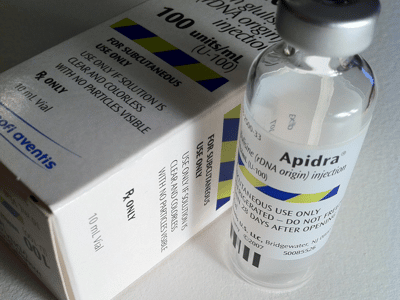
Apidra Peak Time: Onset, Meal Timing, and Duration
Apidra peak time is usually around 1 to 2 hours after a dose, though some references describe a wider peak window. Apidra,…
Read more →
Humalog for Dogs: Safety, Risks, and Vet Monitoring
Humalog may be used in some dogs, but only when a veterinarian decides it fits a specific diabetes plan. Humalog is insulin…
Read more →
Diabetic Coma: Warning Signs, Causes, and Emergency Care
A diabetic coma is a medical emergency where a person with diabetes becomes unconscious or cannot respond because blood glucose is dangerously…
Read more →
Understanding Novolin R Insulin Onset Peak and Duration
If you are looking up Novolin R Insulin Onset Peak and Duration, the key point is simple: this is short-acting human regular…
Read more →
Humulin N Vs Novolin N: Differences That Matter
Humulin N Vs Novolin N is mainly a comparison between two brands of NPH insulin, an intermediate-acting human insulin. They are designed…
Read more →
Short-Acting Insulin: Onset, Peak, Duration, and Names
Short-acting insulin is usually regular human insulin used around meals to help control the rise in blood glucose after eating. It typically…
Read more →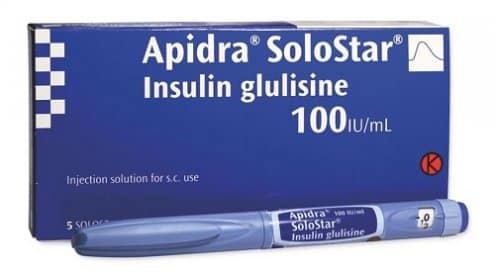
Apidra SoloSTAR Pen: Safe Use, Timing, and Dose Basics
The apidra solostar pen is a disposable prefilled insulin pen used to deliver insulin glulisine with meals or to correct high blood…
Read more →
Lantus vs Humalog Differences That Affect Daily Insulin Use
Lantus and Humalog are not the same type of insulin. The main Lantus vs Humalog differences are their roles and timing: Lantus…
Read more →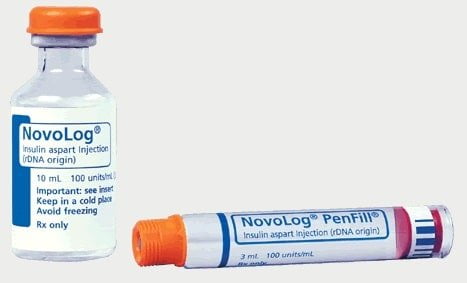
Insulin Aspart Onset, Peak, Duration, and Safety Basics
Insulin aspart usually starts working within about 10 to 20 minutes after a subcutaneous injection, though some labels and references describe a…
Read more →
Apidra SoloStar Pen: apidra insulin side effects Guide
The Apidra SoloStar Pen delivers insulin glulisine, a rapid-acting mealtime insulin. Understanding apidra insulin side effects helps you recognize problems early and…
Read more →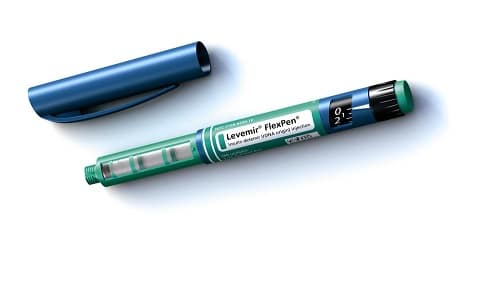
Insulin Detemir Side Effects, Timing, and Safety Basics
Insulin detemir is a long-acting basal insulin, and the main insulin detemir side effects to watch for are low blood sugar, injection-site…
Read more →
Long Acting Insulin: Names, Timing, and Basal Coverage
Long acting insulin is basal insulin that works slowly in the background to help manage glucose between meals and overnight. It is…
Read more →This archive brings together type 1 diabetes articles for patients, caregivers, and readers who want a clearer path through insulin, blood sugar, and daily management topics. Use it to choose focused reading on symptoms, diagnosis, monitoring, insulin products, and common comparisons before you open a longer guide. The page also points to related diabetes collections when you need product browsing rather than education.
Browse type 1 diabetes articles by topic
The articles in this archive are organized around practical questions, not a single treatment plan. Some explain type 1 diabetes mellitus (the clinical name often used in medical records), while others cover blood glucose, insulin deficiency, low blood sugar, and diabetes technology. You may also find comparisons that help separate type 1 diabetes from type 2 diabetes, including why insulin dependence matters.
Type 1 diabetes is often described as an autoimmune condition (when the immune system attacks the body’s own cells). In this setting, the pancreas may make little or no insulin. The archive does not diagnose, prescribe, or rank treatments. It helps you find the right reading path so you can discuss questions with a healthcare professional.
Quick tip: Start with overview articles before opening medication or device pages.
Start with symptoms, causes, and diagnosis questions
Readers often arrive with basic questions: what causes type 1 diabetes, whether type 1 diabetes is genetic, whether people are born with it, and how age affects diagnosis. Use symptom and diagnosis articles to understand terms you may hear during appointments, such as A1C, fasting glucose, ketones, and autoimmune markers. These pieces are most useful before you compare medications or devices.
For type 1 diabetes symptoms in adults, late onset type 1 diabetes symptoms, or signs that blood sugar may be outside a target range, choose articles that explain patterns and when to seek professional care. What Are Other Types of Diabetes can help you place type 1 among other diabetes categories. Insulin Resistance vs Insulin Deficiency is useful when you want to compare the underlying problem rather than only the label.
Compare insulin, monitoring, and technology resources
Many type 1 diabetes treatment resources involve insulin because insulin is central to this condition. Articles may discuss basal insulin, mealtime insulin, insulin pens, vials, cartridges, continuous glucose monitors, and pump-related terms. These pages should help you understand vocabulary and product categories, not change a prescribed dose.
If you want device or supply context, Understanding Diabetes Tech: Pens, Pumps, and CGMs explains common tools in plain language. Product browsing fits better in Diabetes Insulin Medications or Diabetes Supplies, where you can compare item types separately from educational articles.
Monitoring articles can help you prepare for appointments or review meter language. Blood Sugar Normal Range Chart explains common number ranges, while What to Do When Blood Sugar Is Low is a practical safety topic to discuss with your care team.
Read comparisons without treating them as medical advice
Searches for type 1 diabetes vs type 2 often mix different concerns. Type 2 diabetes is commonly linked with insulin resistance, while type 1 diabetes is generally linked with insulin deficiency. Some articles compare these patterns, but they cannot decide which diagnosis applies to a person. A clinician uses symptoms, history, lab results, and sometimes antibody testing to assess diabetes type.
Good type 1 diabetes articles should make these boundaries clear. For a broader reading path, use Diabetes Articles. When the topic shifts toward type 2 medicines, lifestyle discussions, or non-insulin treatment classes, Type 2 Diabetes Articles may be the better section.
Use medication content as a question list
Medication-related education can explain class names, storage terms, safety language, and the difference between product formats. It should not replace type 1 diabetes treatment guidelines from your prescriber or diabetes care team. If a page discusses insulin doses, timing, or switching products, treat it as background reading for a professional conversation.
Insulin Storage Temperature is useful when you need plain-language handling terms. Dose-adjustment topics are best used to prepare questions, not to change insulin on your own. CanadianInsulin.com operates as a prescription referral platform, and prescription details may be confirmed with the prescriber when required.
Why it matters: The safest next link depends on whether you need education, product browsing, or clinical follow-up.
Pick the next page by what you need
Use type 1 diabetes articles differently based on the question in front of you. A symptom article may help you prepare for an appointment, while a device article may define terms used on product pages. A comparison article can clarify language, but it should not be used to confirm a diagnosis.
| Browsing need | Best starting point | Use it for |
|---|---|---|
| Symptoms or diagnosis terms | Basic explainers | Preparing appointment questions |
| Type 1 versus type 2 | Comparison articles | Sorting language and mechanisms |
| Insulin or supplies | Product categories after education | Comparing formats and item types |
| Low blood sugar or storage | Safety-focused articles | Reviewing terms with a care team |
Keep your reading path focused
A focused archive is most useful when each click answers one question. Start with causes, symptoms, or type 1 diabetes diagnosis if you are building basic understanding. Move to insulin, monitoring, and device articles when you need vocabulary for an appointment or product comparison. Use broader diabetes resources only when the topic clearly overlaps.
These resources can support informed conversations, but they cannot determine whether type 1 diabetes can be cured, which treatment is right, or how insulin should be adjusted. Keep notes from the type 1 diabetes articles that match your concern, then bring those questions to a licensed healthcare professional.
This content is for informational purposes only and is not a substitute for professional medical advice.
This content is for informational purposes only and is not a substitute for professional medical advice.
Frequently asked questions
About reading the Type 1 Diabetes archive.
How should I use this type 1 diabetes article archive?
Start with the question you need answered first. Basic explainers are useful for symptoms, causes, and diagnosis terms. Comparison articles can help separate type 1 and type 2 language. Insulin, device, and monitoring articles are better when you already know the topic and want vocabulary for a clinician conversation.
Can these resources help compare type 1 diabetes vs type 2?
Yes, comparison articles can explain common differences in plain language, including insulin deficiency and insulin resistance. They should not be used to self-diagnose or choose treatment. A clinician may use symptoms, history, lab results, and other tests to assess which diabetes type applies.
Do the articles replace advice from my clinician?
No. The articles are educational and help you understand terms, categories, and common questions. They do not provide a diagnosis, dosing plan, or personalized treatment decision. Use them to prepare notes for your prescriber, diabetes educator, pharmacist, or another licensed healthcare professional.
Why do product and medication categories appear near education pages?
Some readers move from learning about insulin, monitoring, or supplies to comparing product categories. Those links support browsing, but they are not treatment recommendations. Medication decisions, product changes, and dose questions should stay with the clinician who knows the person’s health history and prescription needs.
Browse by medical condition
Products and reading lists grouped by condition, from A to Z.
All medical conditions →Looking for a medication?
Prices in USD, shown before you pay. Prescription required.
Shop all medications →The contents of CanadianInsulin.com are for informational purposes only and should not be considered medical advice. We do not guarantee the accuracy of the content on CanadianInsulin.com, nor do we assume any responsibility for any actions taken using the information found on our website. Always consult with your family physician or a qualified health care provider about any health or medical concerns.