
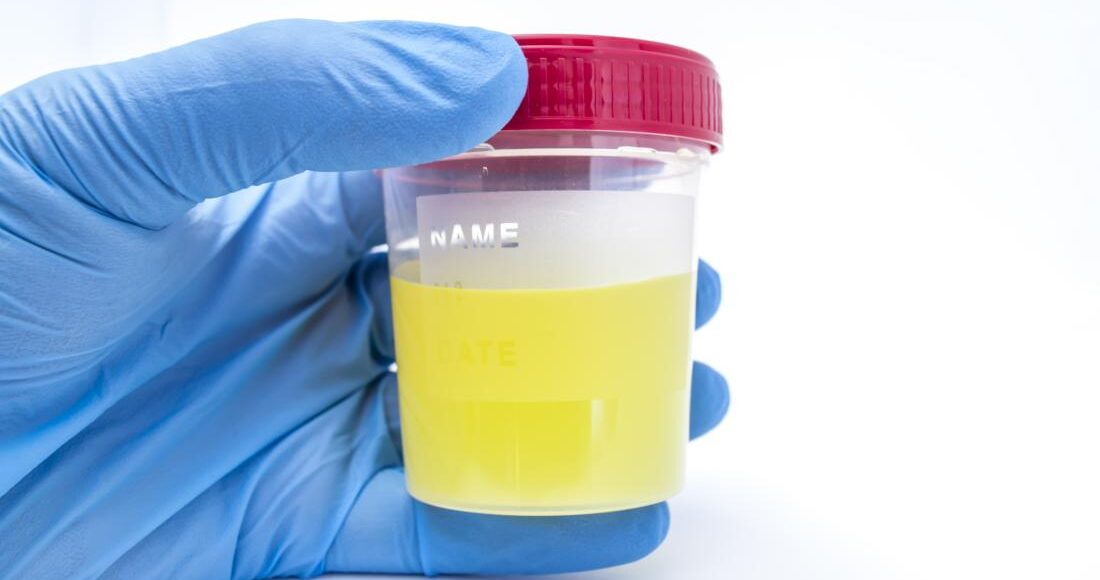
Diabetes urine smell is often described as sweet, fruity, or unusually strong, but smell alone does not diagnose diabetes. It can happen when extra glucose or ketones enter the urine, and it can also reflect dehydration or infection. That is why a change in odor matters most when it appears with thirst, frequent urination, fatigue, nausea, or other signs of high blood sugar. For broader background, you can browse the Diabetes Category or the Diabetes Condition Hub while sorting related symptoms and treatment questions.
Key Takeaways
- Sweet or fruity urine can happen when glucose or ketones are present.
- Strong-smelling urine is not always diabetes; dehydration and infection are common causes.
- Odor alone cannot confirm high blood sugar, ketones, or a urinary tract infection.
- Fruity smell with nausea, vomiting, or fast breathing needs urgent care.
- Persistent odor should be checked in context with other symptoms and basic testing.
Diabetes Urine Smell and What It Can Mean
When urine odor changes because of diabetes, people most often describe it as sweet, fruity, or sharp. Some compare it to overripe fruit. Others notice a chemical smell that reminds them of acetone. In many cases, the change is subtle rather than dramatic.
People often ask what diabetic urine smells like. The shortest answer is sweet or fruity, but there is no single universal smell. Some people with clearly high blood sugar notice nothing unusual, while others notice an odor before they notice any change in color or amount.
Not everyone with high blood sugar notices an odor. Smell is subjective, and hydration, diet, supplements, bathroom ventilation, and recent medications all affect what you pick up. A normal smell also does not rule out hyperglycemia, and a strong smell does not automatically mean diabetes.
Why people describe the smell differently
The exact odor depends on what is in the urine and how concentrated it is. Glucose may make urine smell sweet. Ketones may make it smell fruity or solvent-like. Concentrated urine from dehydration often smells harsher, while infection tends to smell foul or stale.
| Smell pattern | What it may suggest | Other clues |
|---|---|---|
| Sweet | Glucose in the urine | Thirst, frequent urination, fatigue |
| Fruity or acetone-like | Ketones in the urine | Nausea, vomiting, abdominal pain, fast breathing |
| Strong or ammonia-like | Concentrated urine from dehydration | Darker color, dry mouth, recent fluid loss |
| Foul or cloudy | Urinary tract infection or contamination | Burning, urgency, fever, pelvic discomfort |
The main point is simple: diabetes urine smell is a clue, not a diagnosis. The meaning becomes clearer when you pair the odor with urine color, pain, thirst, nausea, frequency, and any glucose or ketone readings you already monitor.
It also helps to remember that ketones may change both urine and breath. Some people first notice a fruity breath odor rather than a urine odor. That does not make the symptom more or less serious by itself, but it does add context when clinicians are deciding whether ketones may be involved.
Why High Blood Sugar Can Change Urine Odor
High blood sugar can change urine odor because the kidneys may let extra glucose pass into the urine. This is called glycosuria, which means glucose in the urine. When enough sugar is present, some people notice a sweet smell, especially if the urine is concentrated.
Ketones are different. Ketones are acids the body makes when it burns fat for fuel because it does not have enough usable insulin. This can happen during illness, missed insulin, severe insulin deficiency, or prolonged lack of food. Ketones may change the smell of urine or breath and are often described as fruity or acetone-like.
That distinction matters because ketones can signal diabetic ketoacidosis, or DKA. DKA is a medical emergency. It is more common in type 1 diabetes, but it can also occur in type 2 diabetes under certain conditions. A sweet or fruity odor becomes more concerning when it appears with nausea, vomiting, abdominal pain, confusion, deep or rapid breathing, or marked weakness.
Why it matters: Fruity odor plus nausea or fast breathing needs urgent medical attention.
Dehydration can make all of this more noticeable. When blood sugar runs high, the body tries to remove extra glucose through urine. That can increase urination, lower body fluid, and make the urine darker and more pungent. In other words, one problem can intensify the other.
Ketones are not just a smell issue. Rising ketones can make the blood more acidic, which can lead to vomiting, breathing changes, and worsening dehydration. By the time a smell is obvious, the more important question is whether other DKA symptoms are already present.
Even so, smell alone has limits. Some people with clearly elevated glucose notice no odor at all. Others notice a strong smell from dehydration, foods, or supplements despite normal glucose levels. That is why home observation helps, but testing and clinical context matter more.
Does Sweet-Smelling Urine Always Mean High Blood Sugar?
No. Sweet-smelling urine can occur with diabetes, but it does not automatically mean uncontrolled blood sugar. The real question is not just what the urine smells like, but what else is happening at the same time.
High blood sugar becomes more likely when odor appears with thirst, frequent urination, blurred vision, weight loss, or unexplained fatigue. Ketones become more likely when the smell is fruity and there is nausea, vomiting, abdominal pain, or rapid breathing. Infection becomes more likely when burning, fever, cloudy urine, or flank pain dominate the picture.
Timing matters too. A single morning of strong-smelling urine after poor sleep, exercise, alcohol, sweating, or low fluid intake is very different from a repeated sweet smell over several days. A change that keeps returning, or one linked to high glucose readings, deserves more attention than a one-off change after certain foods or temporary dehydration.
Type 1 and type 2 diabetes can both be associated with odor changes, but the context may differ. In type 1 diabetes, ketones raise more concern for DKA. In type 2 diabetes, persistent sweet-smelling urine may be more tied to glucose spilling into the urine, though ketones can still occur during severe illness or significant insulin deficiency.
In short, a sweet smell can raise suspicion, but it does not confirm uncontrolled diabetes by itself. Lab testing, symptoms, recent illness, and hydration status are far more useful than any one smell description.
Other Causes That Can Mimic a Diabetes-Related Smell
Not every unusual urine odor comes from diabetes. Dehydration, infection, foods, vitamins, and nearby skin or vaginal odors are common look-alikes. This is one reason sweet-smelling urine or strong-smelling urine should not be interpreted in isolation.
Dehydration usually makes urine smell stronger rather than clearly sweet. Many people describe it as sharp, concentrated, or ammonia-like. Dark yellow color, dry mouth, dizziness, recent sweating, diarrhea, or low fluid intake make dehydration more likely.
Urinary tract infections often cause a foul or stale odor. Burning, urgency, lower abdominal discomfort, fever, cloudy urine, or blood make infection a stronger possibility. In people with diabetes, infections matter because they can raise blood sugar and overlap with dehydration.
- Food-related change: asparagus, coffee, and some vitamins can alter odor briefly.
- Medication effect: some drugs and supplements can change urine smell or color.
- Contamination: menstrual blood, discharge, or skin bacteria may alter the perceived odor.
- Temporary concentration: early morning urine often smells stronger than daytime urine.
Sometimes the odor is not coming from urine itself. Sweat, vaginal infection, skin irritation, or poor airflow in the bathroom can make the source harder to judge. That sounds minor, but it explains why people may be certain the urine smells unusual when the urine is not actually the main cause.
A sweet or unusual odor without diabetes can still happen. The difference is persistence, pattern, and what other symptoms are present. If the smell keeps coming back or arrives with thirst, fatigue, nausea, burning, or fever, it deserves proper evaluation.
When a Change in Urine Odor Needs Prompt Care
A change in urine odor needs prompt evaluation when it comes with symptoms of high blood sugar, ketones, or infection. Smell alone is rarely urgent. The combination of odor plus other signs is what changes the level of concern.
Get urgent or emergency care if a fruity or acetone-like smell appears with any of the following:
- Vomiting or severe nausea
- Abdominal pain or severe weakness
- Deep, fast, or labored breathing
- Confusion, drowsiness, or trouble staying awake
- Signs of severe dehydration
- High glucose and positive ketones, if you already test for them
Arrange prompt medical review if you notice any of these without emergency symptoms:
- Burning, urgency, or pain with urination
- Fever, flank pain, or cloudy urine
- Visible blood in the urine
- New excessive thirst and frequent urination
- Unexplained weight loss or worsening fatigue
- Persistent strong odor that does not improve
Quick tip: Write down the smell, color, and related symptoms before your visit.
When vomiting, confusion, or rapid breathing are present, emergency assessment matters because dehydration and acid buildup can worsen quickly. When pain with urination, fever, or back pain are present, infection moves higher on the list and also needs timely care.
If you already have a sick-day plan for diabetes or instructions for checking glucose or ketones, follow that plan. If you do not, avoid guessing. A clinician can decide whether the next step is a urinalysis, blood glucose review, ketone testing, or treatment for infection or dehydration.
How Clinicians Sort Out the Cause
Clinicians sort out the cause by looking beyond the smell. The first question is whether the change points to glucose, ketones, infection, dehydration, or something short-lived and harmless.
A urinalysis can show glucose, ketones, blood, white blood cells, nitrites, and how concentrated the urine is. Those details help separate high blood sugar from infection or simple dehydration. Blood glucose testing may show whether hyperglycemia is part of the picture, while the physical exam and vital signs help show urgency.
Timing matters. A smell that appears only first thing in the morning is often less concerning than one that persists all day. Recent vomiting, fever, illness, missed insulin, new medicines, supplements, or heavy exercise can change the interpretation. In someone with diabetes, a clinician may also ask about recent glucose trends, appetite, fluid intake, and whether ketones have been checked before.
This is why home descriptions are helpful but limited. Saying the urine smelled sweet is useful. Pairing that description with color, volume, pain, thirst, fever, or nausea is much more useful.
What To Do Next If You Notice Diabetes Urine Smell
The best next step is to look for patterns instead of trying to mask the odor. In many cases, the smell improves only after the underlying cause is identified and addressed.
- Note the pattern. Decide whether the smell seems sweet, fruity, foul, or simply concentrated.
- Check related symptoms. Look for thirst, frequent urination, burning, nausea, fever, or fatigue.
- Review hydration. Urine color and recent fluid loss can help explain a temporary change.
- Follow your existing care plan. If you already monitor glucose or ketones, use the instructions you were given.
- Seek testing when needed. Persistent odor may need a urine test, glucose review, or infection assessment.
- Avoid self-adjusting medicines. Do not change insulin or other diabetes treatment without medical guidance.
Before a visit, it helps to think about when the odor started, whether it happens all day or only in the morning, any recent illness, vomiting, missed meals, or changes in glucose readings. That history often points toward dehydration, infection, or ketones faster than the smell description alone.
Simple steps such as staying aware of symptoms and reviewing your usual diabetes plan can help, but they do not replace care if red flags are present. Trying to cover the odor with supplements, deodorizing products, or guesswork may delay the real diagnosis.
If you are also reviewing treatment access or medication questions, the Diabetes Product Category is a useful browsing point for comparing therapies.
Where required, prescription details are confirmed with the prescriber.
Further Reading and Broader Diabetes Context
Urine odor is only one data point. Thirst, frequent urination, blurred vision, weight change, fatigue, and infection symptoms usually tell more of the story than smell alone. That is why clinicians do not diagnose diabetes from odor; they use the full picture and objective testing.
If this symptom is part of a larger diabetes question, these pages offer broader context on treatment classes and safety topics: GLP-1 Drug Options, Zepbound Uses Explained, Mounjaro Vs Ozempic, Ozempic Safety Guide, and Trulicity Side Effects.
Those resources are for broader education. They do not replace evaluation of a new smell, especially when ketones, dehydration, or infection are on the table.
Authoritative Sources
- For a government overview of diabetes symptoms, see NIDDK: Symptoms and Causes of Diabetes.
- For common medical causes of urine odor, review MedlinePlus: Urine Odor.
- For emergency information on ketones and DKA, read CDC: Diabetic Ketoacidosis.
A sweet, fruity, or sharply strong urine odor can occur in diabetes, but it is only one clue. Pair the smell with symptoms, hydration, and testing context. Persistent odor or any signs of infection or ketoacidosis deserve medical attention.
This content is for informational purposes only and is not a substitute for professional medical advice.


