
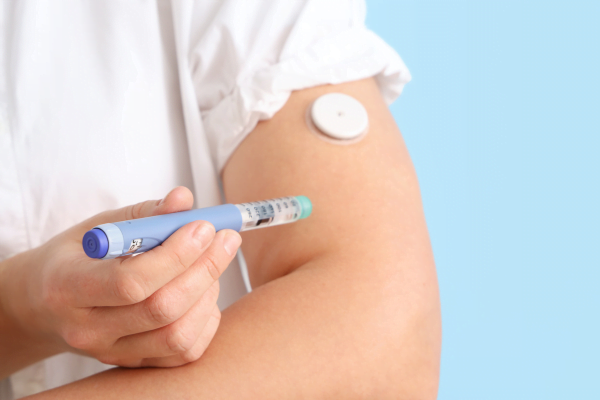
Usually, injectable semaglutide should be refrigerated before first use, while oral semaglutide tablets are kept at room temperature. After first use, some injectable products may be stored at room temperature for a limited period, but the exact rule depends on the brand, the container, and the label. So if you are asking does semaglutide need to be refrigerated, the safest answer is that storage depends on which semaglutide product you have and whether it has been opened. This matters because temperature mistakes may affect stability and potency even when the medicine still looks normal.
Why it matters: Storage mistakes may affect stability even when the medicine still looks normal.
Key Takeaways
- Injectable and oral semaglutide do not follow the same storage rules.
- Unopened and in-use products may also have different instructions.
- Heat and freezing are usually bigger concerns than normal room air.
- Compounded semaglutide may not follow branded product instructions.
- When storage is uncertain, the label and pharmacy directions should control.
Does Semaglutide Need Refrigeration? The Short Answer
There is no one storage rule for every semaglutide product. Semaglutide appears in several forms. Ozempic and Wegovy are injections, while Rybelsus is the tablet form. Brand-labeled injectable products are usually refrigerated before first use. Some can later be kept at room temperature for a label-defined period after first use. Oral semaglutide is generally stored at room temperature, not in the refrigerator. Compounded semaglutide may follow different rules because the formulation, vial, and assigned use date can differ from approved products.
That means semaglutide storage depends on three details first: the dosage form, whether the product is unopened, and what the exact label says. A pen that has never been used is not handled the same way as a pen already in rotation. A tablet bottle is not handled like an injection. And a compounded vial should never be assumed to follow the same instructions as branded semaglutide.
| Form | Usual storage approach | What to check |
|---|---|---|
| Injectable brand-labeled pen | Usually refrigerated before first use; some labels allow later room-temperature storage | Brand-specific insert, original carton, protection from heat and freezing |
| Oral semaglutide tablet | Usually stored at room temperature in the original bottle | Moisture control, room conditions, and bottle directions |
| Compounded injection | Storage can differ from approved products | Dispensing pharmacy label, vial instructions, and beyond-use date |
CanadianInsulin is a prescription referral platform, not a dispensing pharmacy.
Why Storage Rules Change by Product Form
Storage rules change because the packaging and the medicine are not all the same. Semaglutide is a GLP-1 receptor agonist, a medicine that mimics a gut hormone. Injectable products are sensitive to temperature swings, direct light, and freezing. Tablet products are less about refrigeration and more about staying dry and protected in the original bottle. So the phrase how to store semaglutide really means how to store this specific version correctly.
Injectable pens before first use
For unopened injections, the label usually directs refrigerator storage until the pen or carton is first used. Keep the product in its original carton when possible. That helps protect it from light and keeps the instructions nearby. Avoid placing it against the back wall of the refrigerator or near a freezer element, where temperatures can drop too low. If an injectable product freezes, even briefly, the safest next step is to stop guessing and check the label or ask the dispensing pharmacy.
After first use, room-temperature storage, when allowed, is not a blank check. The label may limit how long the product can stay at room temperature and what temperature range counts as acceptable. It should still be kept away from heat, windows, bathroom steam, and a parked car. If you are comparing where injectable semaglutide fits among other therapies, the Injectable Type 2 Diabetes Medications List gives broader context on injection-based options.
Tablets and repackaged products
Oral semaglutide is usually stored at room temperature in the original bottle, not in a pill case or loose container. That original packaging helps control moisture. A humid bathroom cabinet or a travel container without the label can create avoidable problems. Repackaged doses deserve extra caution. If a pharmacy transfers the medicine to a new container, or if a caregiver organizes tablets into another box, ask whether the original storage protection still applies. If your prescription is the tablet form, the Rybelsus Dosing Guide offers broader context on how the oral product differs from injections.
What Happens If Semaglutide Is Left Out or Gets Too Hot?
If semaglutide is not refrigerated when it should be, the main issue is that it may no longer match the labeled storage conditions. That can affect stability and potency, which means the medicine may not work as intended. Not every temperature mistake means the product is automatically unusable, but heat and freezing deserve more caution than ordinary indoor room conditions.
A pen left out overnight on a kitchen counter is a different situation from one left in a hot car, direct sun, or freezing luggage. Unopened semaglutide left out of the fridge may still need case-by-case review because the answer depends on the product, the temperature, and the total time outside recommended storage. The same is true for semaglutide out of the fridge overnight. The product may still look clear and normal even when the exposure was not acceptable.
- Check the exact product name and form.
- Note how long it was out.
- Estimate whether heat or freezing occurred.
- Inspect the liquid for visible changes.
- Ask the dispensing pharmacy before using uncertain product.
Visual checks help, but they are not enough on their own. If the liquid is cloudy, discolored, or has particles when it should be clear, do not use it unless the label says that appearance is expected. Even when the medicine looks unchanged, the written storage instructions still matter more than appearance alone.
Compounded products need separate instructions
Compounded semaglutide needs extra caution. It may be dispensed in a vial rather than a pen, and the pharmacy may assign a beyond-use date, the last use date that pharmacy sets for that preparation. Storage directions can differ based on the ingredients, the container, and how the product was prepared. Do not assume that storage advice for Ozempic, Wegovy, or Rybelsus applies to a compounded version.
If your carton or vial label conflicts with a general online article, the labeled instructions from the dispensing pharmacy should win. That is especially important when the medicine was compounded, repackaged, or supplied with custom directions. Where required, prescription details may be confirmed with the prescriber.
Travel, Daily Handling, and Pen Safety
Travel does not have to disrupt semaglutide storage, but it does require planning. Keep the medicine in its original carton or bottle when practical. Carry it with you rather than checking it in luggage, where temperatures can swing. If you use an insulated bag, avoid placing the pen or vial directly against loose ice or frozen gel packs unless the label specifically supports that setup. Too cold can be just as important as too warm.
Daily handling matters too. Keep pens capped and away from sinks, heaters, dashboards, and sunny windows. For tablets, protect the bottle from steam and humidity. Hotel mini-fridges can vary more than a home refrigerator, so do not place a pen against the cooling plate. Example: an unopened injection that partly froze in a travel fridge needs different follow-up than one kept at stable room temperature during a day indoors.
If you are new to injection devices, storage errors sometimes happen during routine handling rather than long travel. A pen may be left in a tote bag, on a nightstand near a heater, or in a shared office fridge without its carton. The page on Diabetes Tech Pens Pumps And CGMs gives broader device context that can help you think through handling, transport, and everyday setup.
Quick tip: Keep a photo of the carton and label on your phone when you travel.
When to Double-Check Instructions
You should double-check instructions any time the product changes hands or form. That includes switching between brand names, moving from a tablet to an injection, receiving a repackaged prescription, or using a compounded version. It also includes any situation where the carton is missing, the label is damaged, or you cannot tell whether the medicine was exposed to normal room conditions, heat, or freezing.
When you call a pharmacist or prescriber, keep the question narrow and factual. Share the exact product name, whether it was unopened or already in use, the likely temperature exposure, and how long the product sat there. That makes it easier to match your situation to the written instructions.
Licensed third-party pharmacies handle dispensing where local rules permit.
For broader context on related conditions and treatment categories, you can browse the Type 2 Diabetes Hub, Diabetes Hub, Diabetes Articles, Type 2 Diabetes Category, and Diabetes Products. Those pages are useful for comparison and background, but the storage instructions on your own label should remain the final reference point.
Authoritative Sources
- Current prescribing information for Ozempic storage and handling
- Current prescribing information for Wegovy storage and handling
- Current prescribing information for Rybelsus storage and handling
The bottom line is simple: semaglutide storage is product-specific. Injectable and oral versions do not follow the same rules, and compounded products may differ again. If a pen or vial was left out, overheated, or frozen, rely on the written label and the dispensing pharmacy rather than guesswork.
This content is for informational purposes only and is not a substitute for professional medical advice.


