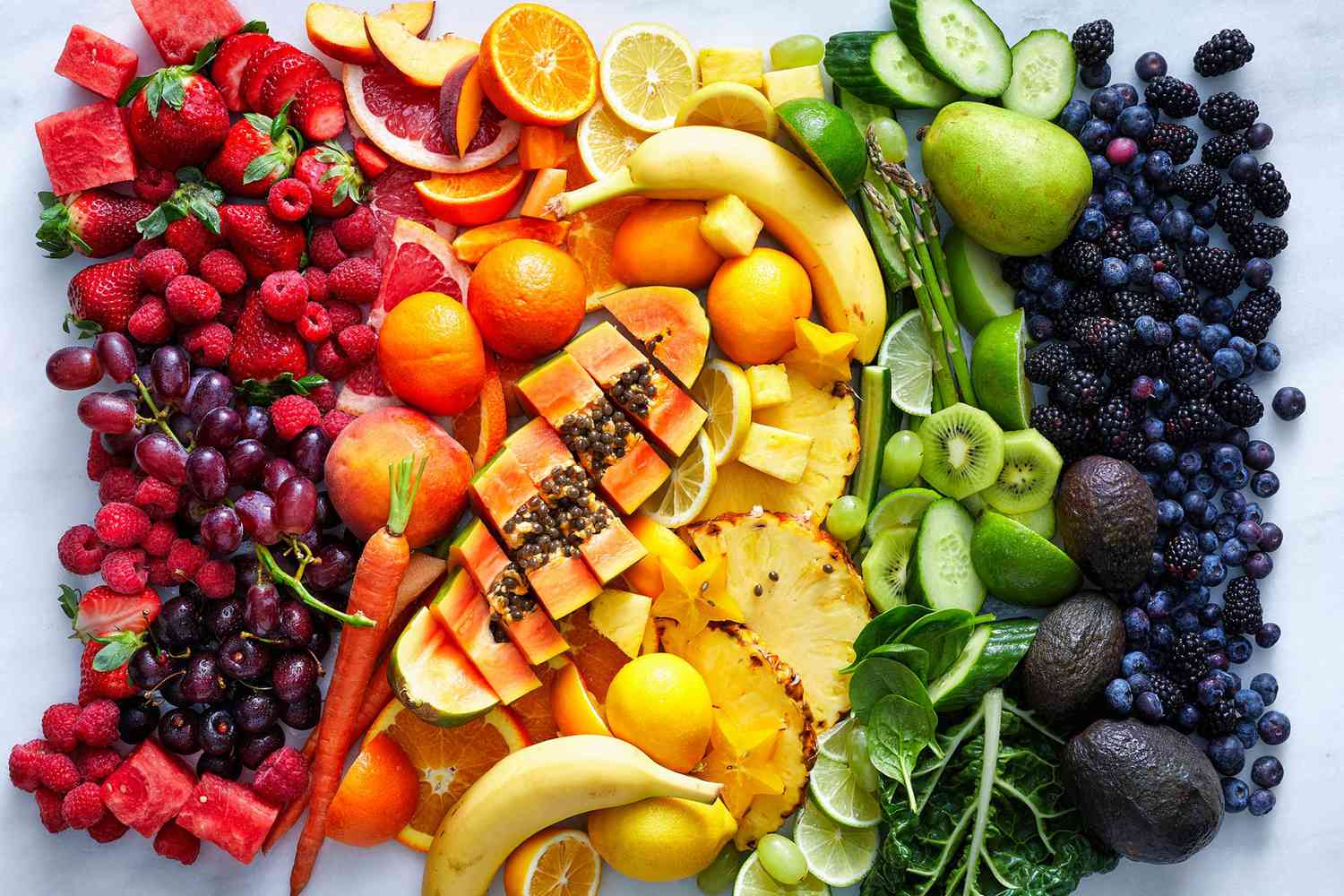
Most people with diabetes do not need to avoid all fruit. The better question is which fruit forms and portions are most likely to raise blood glucose quickly. Fruits for diabetics to avoid usually means fruit juice, dried fruit, canned fruit in syrup, sweetened fruit cups, and oversized servings of very sweet or very ripe fruit. Whole fruit can still fit when it matches your carbohydrate goals, medicines, activity level, and glucose patterns.
That distinction matters because fruit provides fiber, fluid, vitamins, minerals, and flavour. It also contains carbohydrate, which your body breaks down into glucose. A diabetes-friendly approach does not label fruit as simply good or bad. It looks at the form, the serving size, the meal around it, and your own after-meal readings.
Key Takeaways
- Whole fruit is usually easier to manage than juice or syrup-packed fruit.
- Dried fruit can fit, but portions are much smaller than many people expect.
- High sugar fruits are not automatically forbidden, but large servings add up fast.
- Apples, grapes, and watermelon may fit when portions are planned.
- Ask a clinician or registered dietitian for individual carbohydrate targets.
Which Fruits Need the Most Caution?
The most important fruits for diabetics to avoid or limit first are usually processed or concentrated fruit choices. These options can deliver carbohydrate quickly, often with less fiber or more added sugar than whole fruit. They may still appear in some meal plans, but they need more attention than a measured portion of fresh fruit.
| Fruit choice | Why it needs caution | Better direction |
|---|---|---|
| Fruit juice | Liquid carbohydrate is easy to drink quickly and may raise glucose fast. | Choose whole fruit more often; use juice for low blood sugar only if advised. |
| Dried fruit | Water is removed, so sugar and calories are concentrated. | Measure small portions and count them toward the meal. |
| Canned fruit in syrup | Syrup adds sugar beyond the fruit itself. | Look for fruit packed in water or its own juice. |
| Sweetened fruit cups | Added sugars can increase total carbohydrate. | Check the label for added sugar and serving size. |
| Large servings of banana, mango, pineapple, grapes, or watermelon | These fruits can be nutritious, but portions can become large quickly. | Use smaller servings and compare your glucose response. |
Fruit juice is the clearest example. Juice removes much of the fruit structure and is usually consumed faster than whole fruit. It may have a role in treating hypoglycemia (low blood sugar) for some people who use insulin or medications that can cause lows. Routine juice intake, however, often needs more caution than eating an orange or apple.
Dried fruits also deserve careful measuring. Raisins, dates, dried figs, dried cranberries, and prunes can provide nutrients and fiber. Still, a small handful may contain as much carbohydrate as a much larger portion of fresh fruit. Some dried fruit also contains added sugar, so labels matter.
If you want a deeper comparison of specific high-sugar choices, see Worst Fruits For Diabetics. For the other side of the meal-planning question, Best Fruits For Diabetics reviews options that many people find easier to portion.
Why Form, Fiber, and Ripeness Change Blood Sugar
Fruit affects blood glucose because it contains carbohydrate. The main sugars in fruit include fructose, glucose, and sucrose. Your body digests these sugars along with starches and other carbohydrates, and the speed of that rise depends on several factors.
Fiber is one major factor. Whole apples, pears, berries, and citrus segments keep more of the fruit structure intact. That structure can slow digestion for many people and make the serving more filling. Juice removes much of that structure. Smoothies may keep some fiber, but they can still make it easy to drink several fruit servings at once.
Ripeness can also matter. A very ripe banana or mango may taste sweeter and may be easier to digest than a less ripe one. Processing changes the picture too. Fruit packed in syrup, blended with sweeteners, or baked into dessert behaves differently from a measured portion of whole fruit.
Glycemic index (GI) ranks carbohydrate foods by how quickly they raise blood glucose compared with a reference food. Glycemic load (GL) also considers the amount of carbohydrate in the serving. These tools can help with comparisons, but they do not replace your own patterns. For more background, see Low GI Fruits.
Why it matters: A small portion of a higher-GI fruit may affect you less than a large portion of a lower-GI fruit.
The calculator below can help compare total carbohydrate with a chosen carb-serving target. It is a planning aid for carbohydrate estimates, not personalised medical or nutrition advice.
Carb Serving Calculator
Convert total carbohydrate grams into carb choices for meal planning and diabetes education.
These calculations are for education only and do not replace clinical advice, diagnosis, or treatment. Always confirm medical decisions with a qualified healthcare professional.
How Much Fruit Can Fit in a Day?
There is no single daily fruit limit for everyone with diabetes. The right amount depends on your blood glucose goals, total carbohydrate plan, medicines, activity, kidney function, pregnancy status, appetite, and food preferences. Someone using mealtime insulin may plan fruit differently than someone managing diabetes with lifestyle changes alone.
Many diabetes education tools use about 15 grams of carbohydrate as one fruit serving. Individual targets still vary. Examples may include a small piece of whole fruit, a measured portion of grapes, or a modest serving of berries. Larger fruit, dried fruit, and juice may count as more than one serving.
Apples are a common source of confusion. People with diabetes can often eat apples, especially whole apples with the skin. The question is not whether apples are allowed. The question is how the apple fits with the rest of the meal and the day. A large apple may contain more carbohydrate than a small apple, and apple juice behaves differently from whole fruit.
Grapes raise similar questions because they are easy to eat by the handful. Green grapes are not automatically better for diabetes than red or black grapes. Portion size, total carbohydrate, and your glucose response matter more than the colour. If grapes are part of your routine, measure your usual serving a few times so the amount becomes visible.
Watermelon can fit for some people, but serving size is important. It contains a lot of water, yet a large bowl can still add meaningful carbohydrate. Eating fruit with a meal may be easier for some people than eating a large fruit-only snack, but responses differ.
When people ask about fruits for diabetics to avoid, they often mean how to reduce glucose spikes while still enjoying fruit. Checking after-meal readings can help identify patterns. One high reading may not tell the whole story, but repeated results after the same portion are useful to discuss with your care team.
Lower-Sugar Fruits and Practical Swaps
Lower-sugar fruits may be easier to portion for many people. Berries, kiwi, citrus fruits, peaches, plums, and small apples or pears are common choices in diabetes meal planning. They are not automatically better for every person, but they often provide useful volume and fiber for the carbohydrate amount.
The best fruit for a person with diabetes is usually one they enjoy, can portion consistently, and can fit within their glucose goals. A small serving of mango may work better for one person than a large bowl of berries for another. Context matters.
For a broader fruit-focused discussion, What Fruits Are Good For Diabetics explains how to choose fruit without relying on rigid food rules. You can also review Fruit In A Diabetes-Friendly Diet for more context on why fruit can still belong in a balanced plan.
Useful swaps are usually simple. Choose an orange instead of orange juice. Pick canned peaches packed in water instead of heavy syrup. Measure raisins before adding them to oatmeal. Pair fruit with a meal that also includes protein, fat, and fiber when that fits your plan.
Quick tip: Compare serving sizes before comparing sugar grams on labels.
When Fruit Choices Need Extra Review
Some situations make fruit planning more important. If you use insulin or a sulfonylurea, changing carbohydrate intake without a plan may increase the risk of low blood sugar. Do not remove a major carbohydrate source suddenly without asking how it fits your medication plan.
Pregnancy also changes nutrition goals. Gestational diabetes plans often require more structured carbohydrate timing and monitoring. If you are pregnant, trying to conceive, or managing diabetes during pregnancy, use clinician-directed targets rather than general fruit lists.
Kidney disease may affect potassium needs, and some fruits are higher in potassium than others. Gastroparesis, which means delayed stomach emptying, can change digestion timing and make glucose patterns less predictable. A history of eating disorders also deserves careful, non-restrictive support rather than strict food bans.
Repeated highs after fruit, frequent lows, unexplained weight changes, or confusion about carbohydrate targets are good reasons to ask for help. A registered dietitian or diabetes educator can connect fruit portions to medicines, meals, and monitoring results.
A Simple Way to Choose Fruit
Instead of memorising a permanent avoid list, use a short decision process. Start with the form. Whole fruit is usually easier to manage than juice, syrup-packed fruit, or sweetened dried fruit. Then check the portion. A measured serving may fit, while a large bowl may not.
Next, look at the rest of the meal. Fruit eaten with protein, fat, and fiber may feel more filling than fruit eaten alone. This does not guarantee a smaller glucose rise, but it can make meals more balanced and satisfying.
Finally, compare your own readings when monitoring is part of your care plan. Two people can respond differently to the same fruit. Sleep, stress, activity, illness, medicines, and meal timing can all affect blood glucose. Patterns over time are more useful than one isolated number.
Authoritative Sources
- American Diabetes Association fruit guidance explains fruit choices, portions, and added sugar considerations.
- CDC healthy eating guidance covers carbohydrates, meal planning, and blood sugar management basics.
- Mayo Clinic diabetes fruit guidance discusses sweet fruit and diabetes meal planning.
The safest answer is not a universal fruit ban. Fruits for diabetics to avoid are usually the forms and portions that raise glucose quickly or do not fit a person’s plan. Whole fruit, measured portions, label reading, and pattern tracking give a more flexible approach.
This content is for informational purposes only and is not a substitute for professional medical advice.