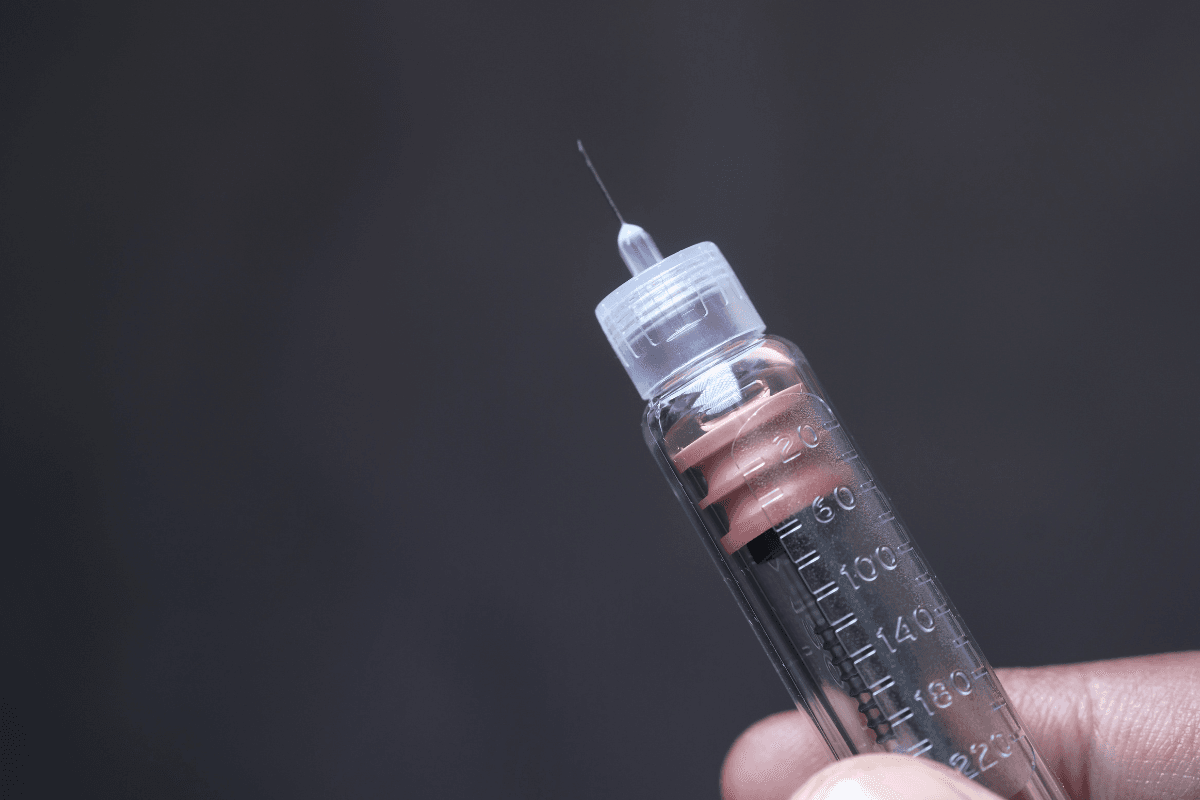
Humalog kwikpen insulin delivers insulin lispro in a compact pen designed for mealtime and correction doses. Many people value its portability, clear dose window, and familiar ergonomics. This guide explains how the pen works, format differences, dosing basics, needle options, storage, and travel safeguards. It also highlights pump compatibility and practical steps that help you avoid common errors.
Key Takeaways
- Pen formats and units: choose U-100 or U-200 for dose needs.
- Dosing habits: prime, rotate sites, and confirm the display.
- Needle fit: match length and gauge to body type and comfort.
- Storage discipline: protect insulin from heat, freezing, and light.
- Safety checks: verify concentration before dosing or device changes.
How Humalog kwikpen insulin Works and When to Use It
This pen delivers insulin lispro (a rapid-acting insulin analog) for meals and corrections. It is intended to help reduce post-meal glucose rises by acting quickly after administration. In practice, clinicians often pair lispro with a separate basal insulin for round-the-clock coverage. That combination may support steadier control across meals and overnight.
Use timing can vary based on advice from your healthcare professional. Some people dose just before a meal, while others are instructed to dose near the first bites. The goal is to align insulin action with carbohydrate absorption and measured glucose, which improves predictability. For pharmacology, onset, and safety details, see the manufacturer’s Humalog prescribing information, which outlines indications and key warnings.
Pen Formats: U-100 vs U-200 and Portable Control
Humalog pens come in different concentrations to suit dose volume and portability needs. U-100 provides 100 units per milliliter and fits most everyday dosing patterns. U-200 provides double the strength, delivering the same units in half the volume. People who take larger mealtime doses may find smaller injection volumes more comfortable and faster to deliver, which supports discretion in public settings.
Check the label and pen body every time before dosing to confirm the concentration. Mixing up concentrations can lead to unintended dosing when switching devices or routines. If you have questions about concentration choice, discuss your typical mealtime and correction ranges with your clinician. For device specs and format options, see Humalog KwikPen for product details and carton capacities. Some users specifically consider humalog kwikpen 200 for high-dose meals, while others stay with U-100 to match their long-standing habits.
Dosing Basics, Displays, and Titration
Dosing with a pen adds clarity through the dose window and tactile feedback. After attaching a new needle, priming helps remove air and confirms insulin flow. The dose selector advances in consistent increments and clicks as you dial the number you intend to inject. Always verify the displayed number before pressing the injection button. Your clinician may recommend a structured approach to mealtime, correction, and sick-day dosing for stability.
People often ask for visual tools to reinforce safe habits. A clinician-provided humalog kwikpen dosing chart can outline meal ratios, correction steps, and maximums. Keep any chart updated with your current plan, and store it where you can reference it discreetly. For half-unit dosing needs, the pediatric-focused option may help; see Humalog KwikPen Junior for half-unit increments, which may improve fine-tuning for small meals.
Reading the Dose Window and Priming
Before each dose, attach a new pen needle, then prime according to your training until a drop of insulin appears at the tip. This confirms that insulin is present and that the pen and needle are functioning. Next, dial the intended dose and double-check the number in the window without rushing. After injecting into a recommended site, hold the pen in place for a short period as instructed to help complete delivery. For structured correction methods and practical math examples, you can review the Sliding Scale Chart article for general concepts and safety notes.
Needles, Sites, and Injection Technique
Comfort and absorption can vary with needle selection and site rotation. Many adults do well with short needles, while others prefer a slightly longer option based on body type. Matching the right length and gauge may reduce pain and help ensure subcutaneous (under-the-skin) placement. Ask your clinician or diabetes educator to demonstrate safe technique and site rotation across the abdomen, thigh, or upper arm.
Users frequently compare needle options by length and gauge to find their personal balance of comfort and control. If you are evaluating sizes, confirm pen-needle compatibility and look for clear packaging labels. The phrase humalog kwikpen needles size is often used when searching for recommendations; however, individualized guidance is best, especially for children or lean adults. For location guidance that supports absorption and reduces lipohypertrophy risk, see Injection Sites Instructions for stepwise reminders and rotation patterns.
Price, Coverage, and Access Considerations
People often explore total treatment costs across pharmacy channels, insurance tiers, and discount programs. The phrase humalog kwikpen price in usa appears in searches because coverage varies by plan and region. Out-of-pocket costs can differ substantially with copays, deductibles, and whether a preferred alternative is listed on your formulary. When comparing options, consider pen capacities, concentration, and the number of pens used per month.
Some manufacturers provide savings programs for eligible patients, which may help with costs under defined conditions. Pharmacies may also vary in their retail pricing and stock. Your prescriber and pharmacist can outline practical options that fit your dosage pattern and supply schedule. For an overview of device features and convenience, see the Humalog Insulin Pen article, which summarizes pen-based advantages and daily use patterns.
Storage, Travel, and Everyday Portability
Insulin stability depends on temperature control, light exposure, and physical handling. Keep unused pens refrigerated as directed, and do not freeze them. In-use pens typically have room-temperature windows as specified by the manufacturer. Avoid leaving a pen in a parked car, near a heater, or against cold packs that may freeze. For specific thresholds and approved handling, consult the official storage instructions within the prescribing information.
Travel adds extra variables: time zones, security screening, and ambient temperatures. Pack backup pens and needles in a carry-on, and use an insulated pouch to buffer temperature swings. Many users confirm dose counts before trips and store pens away from direct sunlight. If you are calculating remaining volume, you might wonder how many ml in humalog kwikpen; check the device label for total volume and units per mL, so your math aligns with your dosing plan. For broader storage risks and mitigation steps, see The Most Overlooked Dangers of Improper Insulin Storage for practical safeguards.
Pumps, Concentrations, and Safety Boundaries
Insulin pumps and pens serve different delivery roles, and compatibility depends on concentration and labeling. Most pumps are designed for standard-concentration rapid-acting insulin. Always verify the concentration and device compatibility before making any change. Manufacturer labeling defines what is permitted in pump reservoirs and what is not.
A frequent safety search is u 200 insulin in pump because concentrated formulations may not be labeled for pump use. The prescribing information provides specific guidance on which concentrations and presentations are appropriate in pumps and which must be avoided. If you use a pump periodically and pens for travel or backup, create a checklist with your clinician to prevent mix-ups during transitions. For practical pump background, see Humalog Insulin Pump for general operational concepts and safeguards.
Comparisons, Mixes, and When to Consider Alternatives
Some people compare rapid-acting pens across brands to balance timing, device features, and insurance coverage. When evaluating alternatives, consider your basal partner, meal timing, and confidence with each pen’s mechanics. For a head-to-head overview of rapid analogs, you can review Novolog vs Humalog to understand practical differences in use.
Premixed options combine basal and bolus components for simplified routine dosing. If your clinician recommends a premix approach, you can explore Humalog Mix KwikPen to see convenience trade-offs and timing considerations. For vial and cartridge-based setups, Humalog Vial 100 Units/mL and NovoRapid Cartridge can be useful references for workflows that differ from pens. Some people also compare long-acting partners; Tresiba FlexTouch Pens provides a baseline for basal options if your clinician is evaluating your overall regimen.
Training, Troubleshooting, and Real-World Routines
Practical training reduces errors and builds confidence. Attend device demonstrations, practice priming and dialing, and perform mock injections into a training pad when available. If a dose seems off, pause and re-check the display, the needle attachment, and the pen label including concentration. Keep spare needles and alcohol swabs in your bag so you can maintain safe technique under time pressure.
When meals are unpredictable, small, frequent doses may require extra attention to timing and site rotation. Consider setting reminders for site changes and dose intervals to avoid stacking or missed doses. If you are comparing rapid-acting options by brand, the article Apidra SoloStar Pens provides a look at another mealtime analog. For general education across conditions and therapies, browse the Diabetes Articles hub for broader context.
Emergency Preparedness and Hypoglycemia Planning
Even with careful dosing, low blood sugar can occur. Prepare by carrying glucose tablets or gels and teaching family or roommates how to help. Keep a rescue option on hand if prescribed. For non-injectable glucagon, see Baqsimi Nasal Powder for a quick-reference overview of when and how it is used.
After a severe low, review the event with your care team. You may need to adjust meal planning, ratios, or timing strategies. It can also help to audit storage conditions if insulin exposure may have altered potency. For a broader view of insulin options by class, the comparison Humulin vs Humalog highlights differences between human insulins and analogs and when clinicians consider each.
Recap
Portable pens deliver rapid-acting insulin where and when you need it. Confirm your pen type, verify the dose, and follow consistent site rotation. Store pens within labeled temperature ranges and use an insulated case for travel. When routines change, re-check concentration and device compatibility to prevent errors.
Note: If you are new to pens, ask your care team for a hands-on walkthrough. Practice the full sequence—prime, dial, inject, hold, and dispose—before your first real dose.
This content is for informational purposes only and is not a substitute for professional medical advice.