
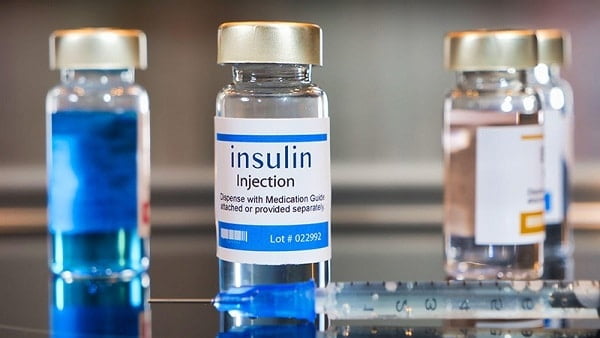
Insulin and hyperkalemia are linked because insulin can move potassium from the bloodstream into cells, lowering serum potassium for a limited time. This shift can help during urgent treatment, but it does not remove potassium from the body. Care teams still need to protect the heart, monitor blood sugar, and address the cause of high potassium.
Severe hyperkalemia can affect cardiac conduction and may become life-threatening. That is why emergency care usually follows a sequence: assess the ECG, stabilize the myocardium when needed, shift potassium into cells, then remove excess potassium through kidney excretion, binders, or dialysis when clinically appropriate.
Key Takeaways
- Heart protection comes first when ECG changes suggest potassium toxicity.
- Insulin shifts potassium into cells but does not eliminate potassium.
- Dextrose is often paired with insulin to reduce hypoglycemia risk.
- Glucose and potassium need repeat checks after treatment.
- Kidney disease, DKA, and critical illness change monitoring needs.
How Insulin Lowers Potassium in Hyperkalemia
Insulin lowers serum potassium by increasing movement of potassium into cells. It does this partly through sodium-potassium ATPase, a cell membrane pump that moves potassium inward and sodium outward. The result is a temporary fall in measured blood potassium.
This insulin and potassium mechanism matters because the serum potassium value can improve before the total body potassium burden changes. In other words, insulin buys time. It does not treat kidney failure, tissue breakdown, medication-related potassium retention, or other drivers on its own.
The potassium and blood sugar relationship also explains why glucose monitoring matters. Insulin helps cells take up glucose as well as potassium. If the person has normal or low baseline glucose, insulin can cause hypoglycemia unless glucose support and repeat checks are built into the protocol.
For readers comparing low and high potassium patterns, Hypokalemia vs Hyperkalemia explains how symptoms and risks differ. For timing differences among insulin types in routine diabetes care, Types of Insulin gives useful background, although hyperkalemia treatment follows emergency protocols rather than everyday diabetes dosing.
Where Calcium Fits Before Insulin
Calcium is used for cardiac membrane stabilization when hyperkalemia causes concerning ECG changes or serious arrhythmia risk. Calcium gluconate for hyperkalemia does not lower the potassium level. Instead, it helps protect the myocardium while other treatments shift or remove potassium.
The calcium gluconate in hyperkalemia mechanism is different from insulin’s mechanism. Calcium helps restore a safer electrical threshold across cardiac cell membranes. Insulin changes the distribution of potassium between the blood and the intracellular space.
Why it matters: A normal-looking potassium shift does not replace cardiac stabilization when ECG toxicity is present.
Clinicians typically reassess the ECG and clinical status after calcium. If potassium remains high, the next steps may include insulin with glucose, beta-agonist therapy, bicarbonate in selected acid-base settings, diuretics if kidney function and volume status allow, potassium binders, or dialysis.
Why Dextrose and Insulin Are Paired
Dextrose is paired with insulin to help prevent treatment-related hypoglycemia. Insulin for hyperkalemia is usually regular insulin in acute care settings because it has a predictable intravenous effect. The specific dose, glucose amount, and timing should follow local emergency protocols and clinician judgment.
Many people ask, why do you give dextrose and insulin for hyperkalemia? The answer is that insulin performs the potassium shift, while dextrose supports blood glucose. If baseline glucose is already high, some protocols adjust when or how dextrose is given. If baseline glucose is low or kidney function is reduced, teams may monitor more closely and provide additional glucose support.
The question of whether to give insulin or dextrose first depends on the protocol and the patient’s glucose level. Some order sets give dextrose before insulin, some give it at the same time, and some modify dextrose if glucose is markedly elevated. The safety principle is the same: avoid delaying urgent potassium shifting while preventing avoidable hypoglycemia.
Product pages can provide formulation context, but they do not replace hospital protocols. For example, Humulin R is a regular insulin product page, while acute hyperkalemia use requires institution-specific orders, monitoring, and pharmacy review.
Monitoring After the Potassium Shift
Monitoring focuses on two problems: hypoglycemia and recurrent hyperkalemia. Blood glucose can fall after insulin, especially in people with reduced kidney function, lower starting glucose, poor intake, or prolonged insulin effect. Potassium can rise again when the intracellular shift fades.
Care teams commonly repeat glucose and potassium checks over several hours. They also reassess ECG findings, symptoms, kidney function, acid-base status, and urine output. The monitoring interval depends on severity, treatment response, and local protocol.
Insulin can also contribute to hypokalemia when potassium shifts too far into cells or when total body potassium is already low. This is why the question “how does insulin cause hypokalemia” matters in DKA, malnutrition, diuretic use, or aggressive potassium-lowering treatment. The risk is not only the first lab value. It is the trend after treatment begins.
If hypoglycemia occurs, symptoms may include sweating, shakiness, confusion, weakness, or loss of consciousness. For general background on recognizing and responding to low blood sugar, see How to Manage Hypoglycemia. For severe presentations, Insulin Shock explains warning signs that need urgent attention.
DKA, Kidney Disease, and ICU Contexts
Insulin and hyperkalemia can look different in diabetic ketoacidosis, kidney disease, and critical illness. In DKA, blood potassium may be normal or high even when total body potassium is depleted. Insulin treatment and correction of acidosis can then cause potassium to fall quickly.
In chronic kidney disease, potassium removal is often impaired. Insulin may temporarily improve the serum value, but the underlying potassium load may persist. Medication review also matters because ACE inhibitors, angiotensin receptor blockers, mineralocorticoid receptor antagonists, potassium supplements, and some other therapies can raise potassium in susceptible patients.
In ICU settings, protocols often use standardized orders, infusion pumps, frequent labs, and nursing-driven monitoring. An insulin infusion protocol in ICU care may specify glucose targets, potassium thresholds, dextrose support, and escalation steps. These details should be managed by the clinical team, especially when nutrition, dialysis, vasopressors, or renal replacement therapy are involved.
For kidney-focused reading, the Nephrology Articles collection can help readers explore related topics. Product-category pages, such as Nephrology Products, are best used as browseable lists rather than clinical treatment instructions.
Removal Strategies After the Emergency Phase
Shifting potassium is temporary; removal addresses the potassium burden. The best removal strategy depends on kidney function, volume status, medication causes, bowel function, severity, and whether the person is unstable.
Loop diuretics may help increase urinary potassium excretion when kidney function and volume status support that approach. Potassium binders may help selected patients with ongoing control, especially outside the immediate life-threatening window. Dialysis may be needed when hyperkalemia is severe, recurrent, or associated with kidney failure or poor response to initial measures.
For a binder example, Veltassa Sachet provides product-level information for a potassium-binding medication used in selected chronic settings. For diuretic formulation context, Furosemide Injection is a product page, not a substitute for individualized prescribing.
Quick tip: Keep a current medication list available during urgent potassium evaluations.
Practical Safety Points for Patients and Caregivers
High potassium should not be self-treated with insulin. Insulin and hyperkalemia management requires lab confirmation, ECG assessment when appropriate, and close monitoring. Taking extra insulin without medical direction can cause dangerous hypoglycemia and may not address the underlying cause.
Seek urgent care if high potassium is suspected with chest pain, fainting, severe weakness, palpitations, shortness of breath, confusion, or known kidney disease with abnormal labs. People on dialysis or those recently told their potassium is dangerously high should follow the emergency instructions given by their care team.
If you have recurrent hyperkalemia, ask your clinician what may be contributing. Useful discussion points include kidney function, diabetes control, dehydration, diet patterns, potassium supplements, salt substitutes, and medicines that can raise potassium. Do not stop prescribed heart, kidney, or blood pressure medicines without medical guidance.
Authoritative Sources
For emergency hyperkalemia concepts, the StatPearls calcium gluconate review summarizes calcium use and monitoring considerations. For diabetes crisis electrolyte management, the ADA Standards of Care review DKA-related potassium issues. For patient-safety concerns with insulin and dextrose, the Pennsylvania Patient Safety Advisory discusses protocol errors and hypoglycemia risk.
Recap
Insulin helps treat hyperkalemia by shifting potassium into cells, often with dextrose to reduce hypoglycemia risk. Calcium may be needed first when the heart shows electrical instability. Neither step removes potassium from the body, so follow-up treatment must address the cause and potassium burden.
The safest approach uses a structured protocol, repeat glucose and potassium checks, ECG reassessment when indicated, and attention to kidney function, DKA, and medication contributors. This is especially important because both high and low potassium can be dangerous.
This content is for informational purposes only and is not a substitute for professional medical advice.


