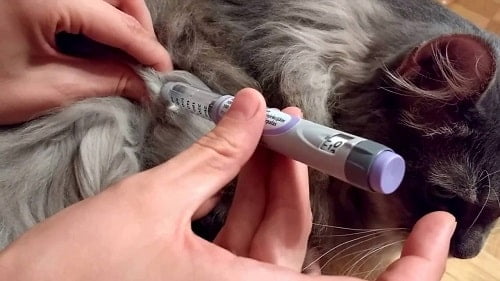
If you searched for a Lantus for Cats: Dosing, Curves, and Safe Use Guide, the short answer is this: Lantus, or insulin glargine, is a long-acting insulin that veterinarians often use for feline diabetes, but the dose, schedule, and monitoring plan must be individualized. Most cats do best with consistent timing, careful home observation, and rechecks that look at patterns rather than one isolated number. A blood glucose curve helps show how low the glucose drops, when that low point happens, and how long the insulin effect lasts. Safe use also depends on the right syringe or pen setup, correct storage, and fast recognition of hypoglycemia (low blood sugar).
Key Takeaways
- Lantus is insulin glargine, a long-acting insulin used in many cats with diabetes.
- The starting dose is set by a veterinarian and adjusted from trends, not guesswork.
- A glucose curve maps readings through a dosing cycle and helps locate the nadir.
- Glargine is a U-100 insulin, so the measuring device must match the product.
- Weakness, tremors, disorientation, seizures, or collapse can signal an urgent low-glucose event.
Lantus for Cats: What Dosing and Monitoring Involve
Lantus for cats means using insulin glargine to replace or supplement insulin when a cat cannot regulate glucose normally. It is a human insulin analog, yet it is commonly prescribed in veterinary practice for diabetes mellitus in cats. Many clinicians choose it because its action profile can be smoother than shorter-acting options, and cats often need a longer span of control across the day. Even so, glargine is not a stand-alone fix. Food intake, body weight, other illnesses, stress, and the ability to monitor at home all affect how well a plan works.
That is why the same insulin can look different from cat to cat. One cat may stabilize on a low dose with home curves and a regular feeding routine. Another may need closer follow-up because of obesity, steroid exposure, infection, pancreatitis, or inconsistent appetite. In plain terms, the insulin is only one part of the picture. The goal is not a single perfect reading. The goal is steadier, safer control over time.
How Veterinarians Set and Adjust the Dose
Veterinarians usually choose a starting dose by combining ideal body weight with the cat’s current glucose data, symptoms, diet, ketone status, and any other disease that could change insulin needs. A newly diagnosed cat eating well is different from a cat that is dehydrated, losing weight quickly, or already receiving another insulin. Previous dose history also matters. If a cat has been on insulin before, the next step may be a structured restart rather than a standard first dose.
| Factor | Why It Matters |
|---|---|
| Ideal body weight | Helps avoid starting too high or too low. |
| Baseline glucose and ketones | Shows how stable the cat is at the start. |
| Appetite and meal routine | Missed meals can change low-glucose risk. |
| Other disease or medications | Infections, steroids, and endocrine problems can alter insulin needs. |
| Home glucose data | Shows whether a change reflects a real pattern. |
Adjustments are usually made from patterns. The team may review pre-dose values, the nadir (lowest point in the cycle), how long the effect appears to last, water intake, urination, body weight, and overall behavior. Some practices also use fructosamine, a blood test that reflects average glucose control over the prior one to two weeks. This matters because a single high reading can come from stress, a recent meal, or the timing of the sample, not just an inadequate dose.
Why Online Dose Charts Can Mislead
Internet searches often surface average doses, maximum doses, or generic charts. Those tools cannot account for appetite changes, incorrect syringe choice, steroid medications, infection, or stress hyperglycemia in the clinic. They also cannot tell whether a high number follows a rebound after glucose dropped too low earlier in the cycle. There is no safe universal maximum number to copy from a chart. When insulin requirements climb or change suddenly, veterinarians usually want to review technique, diet, and possible underlying disease before assuming the answer is simply more insulin.
Why it matters: Dose changes from one number alone can be misleading.
What a Glucose Curve Shows
A glucose curve is a series of blood sugar readings collected through one full dosing interval. In cats using glargine, the curve helps show onset, nadir, duration, and overall shape of control. That shape matters more than one isolated value. A curve can reveal whether glucose stays flat and high, drops sharply and rebounds, or looks reasonably steady for most of the cycle.
Home Curves Versus Clinic Curves
Curves can be done at home or in a clinic, depending on what is practical and safe. Home curves often reflect a cat’s usual routine better because many cats become stressed in the hospital, and stress can raise glucose readings. Owners who home-monitor typically record the dose time, food, behavior, and a series of readings at intervals set by the veterinarian. Some cats also use a continuous glucose monitor, but sensor data still needs clinical interpretation.
Veterinarians do not read curves as pass or fail. They read them as context. An early low point may suggest the dose peaks quickly. A late low point may affect when follow-up samples are most helpful. A very short duration can leave the cat high for part of the day, while a steep drop can raise safety concerns even if the pre-dose number looked high. If the curve does not match the cat’s symptoms, the team may repeat it, compare it with home logs, or pair it with fructosamine and physical exam findings.
Curves are especially useful after starting therapy, after a switch in insulin type or device, and when appetite, weight, thirst, or urine output changes. The point is not to test constantly. The point is to gather enough data to see a pattern that can guide a safer next step.
Quick tip: Keep dose time, food, glucose readings, and behavior in one log.
Safe Insulin Use at Home
Safe insulin use at home depends as much on technique as it does on the number of units. Glargine is a U-100 insulin, so it should be measured with the matching U-100 syringe or with the pen method your veterinary team specifically prescribed. Syringes and pen devices are not interchangeable across insulin concentrations. A measuring mismatch can create a major dosing error even when the written dose itself was correct.
Before each injection, confirm the product name, concentration, and expiration details, then look at the solution. Glargine is normally clear. If it looks contaminated, unusually cloudy, or damaged, pause and verify what to do next. Give doses on a consistent schedule and keep the feeding routine as steady as possible. If your cat misses a meal, vomits, or seems unwell, that information matters because appetite changes can alter the risk of hypoglycemia.
Storage matters too. Keep the insulin exactly as directed on the labeling and your veterinary instructions. Protect it from freezing, excess heat, and rough handling. Some cats receive glargine from a vial, while others use pens or cartridges because very small doses can be easier to manage. The best device is the one that matches the written plan and that you can measure accurately every time. If a dose is late or missed, avoid doubling the next dose or improvising from online advice.
Injection technique is worth reviewing at rechecks. Fur shots, leaking doses, bent needles, or repeated injections into the same tiny spot can all distort glucose data. If your logs look erratic, a technician or veterinarian can often identify a simple handling issue. Keeping a written record of injection time, dose, meal size, and any unusual behavior makes those reviews much more useful.
Where needed, prescription details may be confirmed with the prescriber.
Warning Signs to Watch For
The main safety issue with any insulin therapy is hypoglycemia, or low blood sugar. In cats, signs can include sudden hunger, restlessness, weakness, wobbliness, glassy-eyed behavior, disorientation, twitching, tremors, seizures, or collapse. Severe signs need urgent veterinary care. Some cats look less dramatic and simply seem quiet, sleepy, or less able to jump.
High glucose can also show up in daily life. Increased thirst, heavier urine clumps in the litter box, weight loss despite appetite changes, a dull coat, or hind-leg weakness can all suggest that control is not where it should be. Another urgent problem is diabetic ketoacidosis, often shortened to DKA. This is a serious metabolic complication that may cause vomiting, marked lethargy, dehydration, rapid breathing, or refusal to eat.
Call the veterinary team sooner if there has been a recent dose change, a new steroid medication, a dental or urinary infection, vomiting or diarrhea, or a sudden diet change. All of those factors can shift insulin needs. Report repeated low readings, big day-to-day swings, or any episode that makes you unsure whether the full dose was actually given.
How Glargine Fits Among Feline Insulin Options
Glargine is one of several longer-acting insulin options used in feline diabetes. Another common choice is protamine zinc insulin, often called PZI, and some cats are also managed with porcine lente insulin. The best option depends on the cat’s response, the prescriber’s experience, the device being used, and what kind of monitoring is realistic at home. This is why a simple brand-versus-brand answer rarely helps on its own.
One practical difference is concentration. Glargine products such as Lantus are U-100, while some veterinary insulins are U-40. That difference matters because the syringe or pen system must match the insulin. A cat may also need a new monitoring plan after a switch, since onset and curve shape can change between products. If you are comparing options, ask about dose measurement, curve expectations, storage, and what follow-up data the clinician wants after any change.
Dispensing is handled by licensed third-party pharmacies where local rules allow.
Some owners also compare how each option fits their budget and routine, but the safer question is whether the whole plan is workable: can the dose be measured accurately, can follow-up data be collected, and can the household stay consistent with timing? When those basics are strong, dose decisions tend to be safer and more informative.
Questions for the Next Recheck
- What data matters most before the next dose change?
- Should the next curve be done at home or in clinic?
- Which syringe or pen setup matches this insulin exactly?
- What should be reported right away after an injection?
- How will appetite or diet changes affect the monitoring plan?
Authoritative Sources
- For feline treatment guidance, see the AAHA recommendations for cats.
- For a specialist-oriented overview, review the feline diabetes treatment toolkit.
- For a clinical review of glargine use, read the peer-reviewed article on feline diabetes and glargine.
In practical terms, insulin glargine can be a useful option for diabetic cats, but safe use depends on individualized dosing, good curves, and careful technique. For broader browsing, the site’s Pet Health Articles and Pet Health Hub collect related topics.
This content is for informational purposes only and is not a substitute for professional medical advice.