
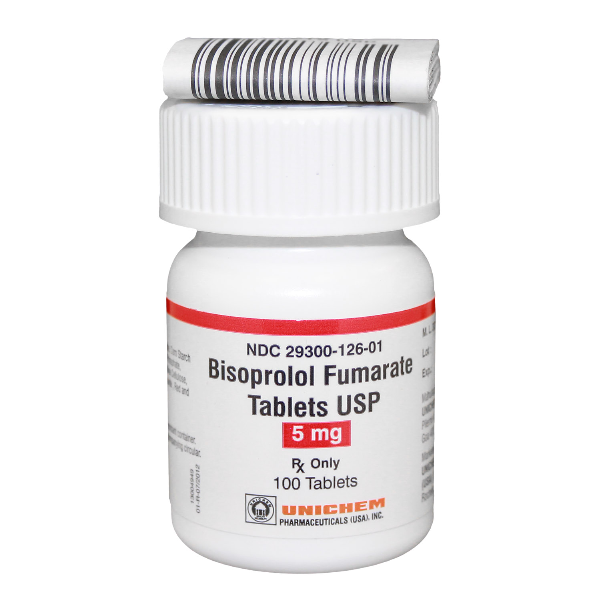
A valid prescription is required for this medication.
Compare prices. See your savings.
 US comparison
Buy Bisoprolol Online
Rx Prescription required Fast, secure shipping
Health tools
Research and education tools. They do not replace clinical advice, diagnosis, or treatment.
Blood Pressure Average Calculator
Average home blood pressure readings and show a simple screening range.
These calculations are for education only and do not replace clinical advice, diagnosis, or treatment. Always confirm medical decisions with a qualified healthcare professional.
Mean Arterial Pressure Calculator
Calculate estimated mean arterial pressure from systolic and diastolic blood pressure.
These calculations are for education only and do not replace clinical advice, diagnosis, or treatment. Always confirm medical decisions with a qualified healthcare professional.
Pulse Pressure Calculator
Calculate pulse pressure from systolic and diastolic blood pressure.
These calculations are for education only and do not replace clinical advice, diagnosis, or treatment. Always confirm medical decisions with a qualified healthcare professional.
Target Heart Rate Calculator
Estimate exercise heart-rate zones using age, resting heart rate, and the Karvonen method.
These calculations are for education only and do not replace clinical advice, diagnosis, or treatment. Always confirm medical decisions with a qualified healthcare professional.
About Bisoprolol
Bisoprolol is an oral beta blocker used in cardiovascular care, including treatment of high blood pressure. It can be ordered online in tablet strengths shown during ordering, including commonly referenced Bisoprolol 5 mg and 10 mg tablets when available. Match the strength, quantity, and active ingredient name to the directions from the clinician managing your blood pressure or heart rate.
Bisoprolol may appear as bisoprolol fumarate, which is the salt name used on many labels, or under the brand name Zebeta. The medicine choice should be based on the exact tablet strength and directions you have been given, not only on the brand or generic name. If you are arranging US delivery from Canada, keep the medication label information available so the product name and strength remain clear throughout ordering.
Bisoprolol 5 mg Price and Tablet Strengths
The Bisoprolol price should be read together with the tablet strength and total quantity. A lower line item may reflect fewer tablets or a different strength than the one used in your current treatment plan. Bisoprolol 5 mg price questions are most useful when you compare the same strength, tablet count, and supply size.
Common product references include Bisoprolol 5 mg tablets and Bisoprolol 10 mg tablets. Some records may use Zebeta, while pharmacy labels may use bisoprolol fumarate. Those names can relate to the same active medicine, but the tablet strength and directions still need to match your cardiovascular care plan.
If you are reviewing Bisoprolol cost without insurance, focus on the cash amount for the exact strength and quantity you need. The practical total can change with tablet count, supply size, and handling requirements. Do not use price alone to justify changing from one strength to another.
- Strength: choose the tablet strength that matches your directions, such as 5 mg or 10 mg when shown.
- Quantity: compare the total tablet count rather than only the line item.
- Product name: recognize bisoprolol fumarate and Zebeta naming on labels or records.
- Supply size: align the quantity with how the medicine is taken and refilled.
- Current label: keep the bottle or medication record nearby when entering order information.
Quick tip: Check strength and quantity together so the amount shown reflects the tablets you actually need.
How to Order Bisoprolol Online
Start with the tablet strength and active ingredient name. Bisoprolol fumarate is the active ingredient wording used on many generic labels, while Zebeta is a brand name some people recognize from older bottles, medical records, or insurance documents. The best match is the one that reflects your current clinician-directed regimen.
Review the strength, quantity, and directions before checkout. If your bottle says Bisoprolol 5 mg, do not choose Bisoprolol 10 mg unless a clinician has specifically changed your dose plan. A 10 mg tablet is not automatically interchangeable with a 5 mg tablet for your individual treatment.
Order information may be reviewed for completeness, and we may help clarify medication details when needed. Keep your current medication list nearby, especially if you take other medicines that affect heart rate, blood pressure, blood sugar, or fluid balance.
Do not stop Bisoprolol, split tablets, double doses, or change timing because a different strength appears less expensive. Beta blockers can affect heart rate and circulation, so changes should be made only with clinical guidance.
What to Match Before Checkout
Bisoprolol tablets are oral beta blockers. The number beside the medicine name shows the amount of active ingredient in each tablet, not the number of tablets supplied. Strength and quantity are separate details, and both affect the practical product choice.
A Bisoprolol 5 mg tablet and a Bisoprolol 10 mg tablet contain different amounts of medicine per tablet. If your directions call for a specific strength, choose that strength rather than trying to recreate the dose without clinical instruction. Tablet splitting or strength substitutions can cause dosing errors if they are not part of your plan.
| Order detail | What it means |
|---|---|
| Bisoprolol fumarate | The active ingredient or salt name commonly used on generic labels. |
| Zebeta | A brand name associated with bisoprolol tablets. |
| 5 mg tablet | Each tablet contains 5 mg of bisoprolol fumarate. |
| 10 mg tablet | Each tablet contains 10 mg of bisoprolol fumarate. |
| Tablet quantity | The total count supplied, which affects refill planning and cost comparison. |
Bisoprolol dosage is individualized. Clinicians may consider blood pressure readings, resting pulse, other heart medicines, kidney or liver function, side effects, and treatment goals. The safest online order is the one that mirrors those instructions.
Why it matters: Matching the exact tablet strength helps prevent refill delays and unsafe dose changes.
What Bisoprolol Is Used For
Bisoprolol is a beta1-selective beta blocker. Beta1-selective means it mainly blocks certain beta receptors in the heart at usual doses, which can slow heart rate and reduce the force of heart contraction. In the United States, bisoprolol fumarate tablets are labeled for treating hypertension, also called high blood pressure.
High blood pressure often needs long-term monitoring because it may not cause symptoms. Treatment goals usually depend on age, cardiovascular risk, other conditions, and how well medicines are tolerated. Bisoprolol may be used alone or with other blood pressure medicines when clinically appropriate.
People with cardiovascular diagnoses may also be treated for related conditions. If those diagnoses are part of your care discussion, related condition sections include Hypertension, Angina, and Heart Failure. The condition name alone does not determine whether Bisoprolol is right for you; the full medical picture matters.
Bisoprolol Fumarate, Zebeta, and Generic Naming
Bisoprolol fumarate is the active ingredient name used for many generic tablets. Zebeta is a brand name for bisoprolol tablets. If your records mention one name and your bottle shows the other, compare the active ingredient, tablet strength, and directions before assuming they are the same for your order.
Brand and generic naming can differ by market, pharmacy system, or older insurance records. The key customer-facing details are the medicine name, strength per tablet, quantity, and directions. If a clinician has specified a brand, manufacturer, or substitution preference, follow that instruction when choosing between Zebeta and generic bisoprolol fumarate.
Do not treat all beta blockers as interchangeable. Atenolol, metoprolol, carvedilol, propranolol, and bisoprolol are different medicines with different dosing, selectivity, and clinical roles. A change from one beta blocker to another should be handled as a medication change, not a simple product swap.
Storage, Handling, and Travel
Bisoprolol tablets should be kept in a secure, dry place according to the label on the container. Protect tablets from excess heat and moisture, and keep them away from children or anyone for whom they were not intended. A bathroom cabinet is often humid, so another room-temperature location may be more suitable.
Keep the original container or pharmacy label available. The label helps verify the medicine name, strength, directions, and supply date. If you use a pill organizer, refill it carefully and keep the labeled bottle as a backup reference in case the tablet strength needs to be confirmed.
When traveling, carry enough tablets for the planned trip and keep heart medicines with other essentials. For oral tablets, handling usually focuses on secure packaging, clear labeling, and moisture protection rather than refrigeration. Delivery details are considered during checkout, and the supplied shipping language may refer to prompt, express, cold-chain shipping across the service, though tablets are generally handled according to their own label requirements.
Side Effects, Warnings, and Monitoring
Common Bisoprolol side effects can include tiredness, dizziness, headache, nausea, diarrhea, cold hands or feet, and a slower heart rate. These effects may be more noticeable when treatment begins, when a dose changes, or when other blood-pressure-lowering medicines are used. Report symptoms that interfere with daily activities, driving, or standing safely.
Serious symptoms need prompt clinical attention. Seek help for fainting, severe dizziness, wheezing, shortness of breath, swelling of the face or throat, chest pain, confusion, or a very slow or irregular heartbeat. These symptoms can signal excessive heart-rate slowing, breathing difficulty, allergic reaction, or worsening cardiovascular status.
Official labeling lists important contraindications, including cardiogenic shock, overt cardiac failure, second- or third-degree AV block, and marked sinus bradycardia. These are serious heart conditions where beta-blocker effects may worsen circulation or electrical conduction. People with asthma, COPD, circulation disorders, thyroid disease, kidney or liver impairment, or a history of severe allergic reactions may need closer monitoring.
Beta blockers should not usually be stopped suddenly without medical direction. Abrupt withdrawal can worsen chest pain or heart-related symptoms in some people, especially those with coronary artery disease. If treatment needs to change, a clinician can decide how to reduce or replace the medicine safely.
- Pulse: ask what heart-rate range should prompt a call.
- Blood pressure: record readings if home monitoring is part of your care.
- Dizziness: rise slowly and report fainting or severe lightheadedness.
- Breathing: mention wheezing, asthma, COPD, or new shortness of breath.
- Swelling: report rapid weight gain, ankle swelling, or worsening breathlessness.
Drug Interactions and Blood Sugar Considerations
Bisoprolol can interact with other medicines that slow heart rate or lower blood pressure. Important examples include certain calcium channel blockers such as verapamil or diltiazem, digoxin, antiarrhythmics, clonidine, and other beta blockers. Combining these medicines can increase the chance of bradycardia, low blood pressure, dizziness, or conduction problems.
People using insulin or other diabetes medicines should ask how beta blockers may affect low blood sugar recognition. Bisoprolol may mask a fast heartbeat, which is one warning sign of hypoglycemia. Sweating, hunger, confusion, weakness, or shakiness may still occur and should not be ignored.
Alcohol, dehydration, and other medicines that lower blood pressure can add to lightheadedness. Keep an updated medication list that includes prescription medicines, over-the-counter products, supplements, and recent medication changes. That list helps clinicians evaluate whether Bisoprolol cost, strength, or refill planning should be discussed alongside safety monitoring.
Comparing Related Cardiovascular Choices
Bisoprolol is one cardiovascular medicine, but it is not the only treatment used for blood pressure or heart-related care. Other classes may include ACE inhibitors, ARBs, calcium channel blockers, diuretics, mineralocorticoid receptor antagonists, and other beta blockers. The right approach depends on diagnosis, other conditions, lab results, heart rate, and tolerability.
For broader browsing, the Cardiovascular Products category groups heart and blood pressure medicines. Non-product education is available through Cardiovascular Articles, which can help you prepare questions about monitoring, side effects, and related treatment choices.
If your treatment changes from Zebeta to generic bisoprolol fumarate, compare the active ingredient, strength, and directions before choosing tablets. If your therapy changes to a different beta blocker or a different blood pressure class, treat it as a new medication decision that needs clinical review.
Authoritative Sources
Official labeling and patient medicine references help confirm core safety details. The FDA Zebeta Prescribing Information describes labeled use, contraindications, warnings, and pharmacology. MedlinePlus Bisoprolol Drug Information provides patient-oriented information about use, precautions, side effects, and storage.
Use authoritative sources to understand label terms, prepare safety questions, and recognize symptoms that should be discussed with a clinician. They do not replace individualized decisions about dose, strength, or whether Bisoprolol is appropriate for your health history.
This content is for informational purposes only and is not a substitute for professional medical advice.
This content is for informational purposes only and is not a substitute for professional medical advice.
Two ways to ship
Cold-packed medications travel by Express shipping. Dry-packed medications can ship Express or Standard.
Earn points on every order
Earn points on birthdays, product orders, reviews, friend referrals, and more! Enjoy your medication at unparalleled discounts while reaping rewards for every step you take with us.
Register and/or Login
Create an account and start earning.
Earn Rewards
Earn points every time you shop or perform certain actions.
Redeem
Redeem points for exclusive discounts.
Ways to save
We stand behind our prices
We work hard to offer the very best available price. If you find a lower price on the same product, we will match it.
Learn how →Tiered pricingNew tiered pricing is here
Buy more and save more on the medications you trust: save 7% per pack when you buy 2, and 14% per pack when you buy 3 or more.
See tiered pricing →You might also like
View all →

Related articles
View all →
Joint Health Habits to Prevent Injury and Maintain Strength
Joint health improves when you combine regular movement, strength training, balanced nutrition, enough recovery, and early attention to pain signals. This matters…
Read more →
Entresto Dose Planning: Strengths, Titration, and Safety
The usual Entresto dose for many adults with heart failure starts at 49/51 mg twice daily, then may increase after 2 to…
Read more →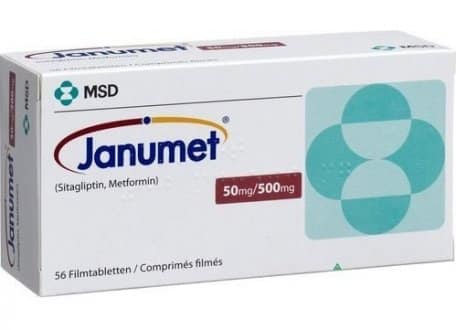
Janumet Dosage: Strengths, Meal Timing, and Monitoring
Janumet dosage is individualized for adults with type 2 diabetes based on current treatment, kidney function, tolerability, and glucose goals. The medicine…
Read more →Speak to us
Our customer service team are highly experienced and friendly. Get in touch today.
What is Bisoprolol used for?
Bisoprolol is a beta blocker used in cardiovascular care. In U.S. labeling, bisoprolol fumarate tablets are indicated for treating hypertension, or high blood pressure. A clinician may consider your blood pressure, pulse, other conditions, and current medicines before deciding whether it fits your treatment plan.
Is Bisoprolol 5 mg the same as Bisoprolol 10 mg?
No. Bisoprolol 5 mg and Bisoprolol 10 mg tablets contain different amounts of active medicine per tablet. Choose the strength that matches your current directions, and do not split, double, or substitute strengths unless a clinician has instructed you to do so.
What is the difference between Bisoprolol fumarate and Zebeta?
Bisoprolol fumarate is the active ingredient name commonly used on generic labels. Zebeta is a brand name associated with bisoprolol tablets. When choosing tablets, match the active ingredient, strength, quantity, and directions shown on your medication label or treatment instructions.
What side effects can Bisoprolol cause?
Common side effects may include tiredness, dizziness, headache, nausea, diarrhea, cold hands or feet, and a slower heart rate. Seek prompt medical help for fainting, severe dizziness, wheezing, shortness of breath, chest pain, swelling of the face or throat, confusion, or a very slow or irregular heartbeat.
Can Bisoprolol interact with other medicines?
Yes. Bisoprolol can interact with medicines that also lower heart rate or blood pressure, including verapamil, diltiazem, digoxin, antiarrhythmics, clonidine, and other beta blockers. It may also mask a fast heartbeat during low blood sugar in people using insulin or some diabetes medicines.
How should Bisoprolol tablets be stored?
Store Bisoprolol tablets according to the label, usually in a dry, secure place away from excess heat and moisture. Keep the bottle tightly closed and out of reach of children. Retain the labeled container so the medicine name, strength, and directions remain clear.
Speak to our team
 Call toll free1-844-560-7790
 Emailservice@canadianinsulin.com
Monday to Friday 7am – 11pm EST
Saturday 7am to 7pm EST
Sunday 8am – 5pm EST