
Shipping with this method takes 3-5 days
Bayer Contour Test Strips
Buy Bayer Contour Test Strips Online


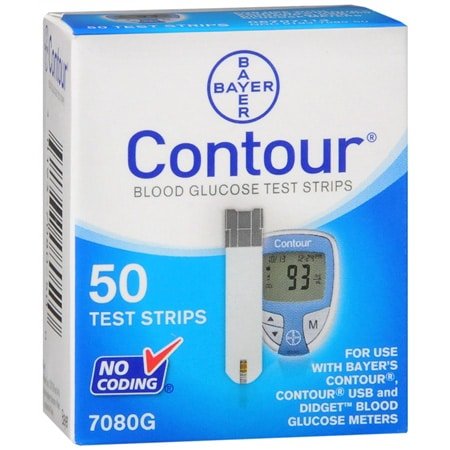
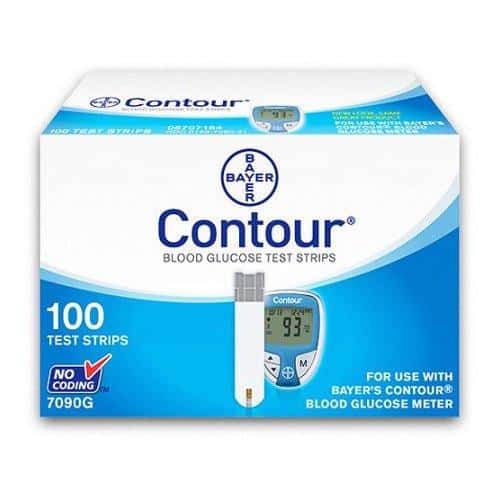
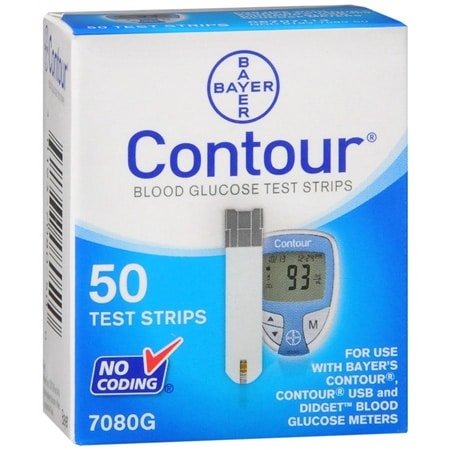
Bayer Contour Test Strips are blood glucose test strips used with compatible CONTOUR meters to measure glucose from a small blood sample. You can buy Bayer Contour Test Strips online, view the current price, and choose the quantity shown during ordering so your supply fits your testing routine. Match the strip family to your meter instructions before placing an order, because similar CONTOUR names can refer to different strip systems.
These CONTOUR blood glucose test strips support routine self-monitoring for people who have been instructed to check glucose at home. They do not replace clinical care, but the right strip, correct technique, and proper storage help make meter readings more dependable. If you are arranging US delivery from Canada, use the product name, box count, and meter model to avoid ordering a strip that does not fit the device already in your home.
Bayer Contour Test Strips Price and Quantity Choices
The Bayer Contour Test Strips price should be read together with the number of strips supplied. A lower box total may not be the better value if the strip count is smaller or if the package will not last until your next refill. Look at the product name, count per box, and total number of boxes before you complete the order.
Some presentations may appear as a single box, a multi-box supply, or another CONTOUR family. When a Bayer Contour Test Strips 50 count or 100 count choice is shown, the number usually refers to strips supplied, not days of use. Your testing schedule determines how quickly a box is used, and that schedule may change after illness, medication adjustment, pregnancy, or a clinician visit.
Brand wording can vary across older and newer packaging. People may recognize Bayer Contour glucose test strips, Ascensia CONTOUR test strips, CONTOUR glucose test strips, or CONTOUR Blood Glucose Test Strips. The practical buying decision is the exact strip family required by your meter, not the search wording used to find it.
| Detail to verify | Why it matters |
|---|---|
| Strip family | The strip must match the meter model described in the meter instructions. |
| Box count | The strip count helps estimate how long the supply may last. |
| Total quantity | Multi-box purchases can change the per-strip comparison. |
| Expiration dating | Testing supplies should be used before the labeled date passes. |
| Meter name | Similar CONTOUR names may belong to different strip systems. |
Quick tip: Match the strip family printed on your previous vial before comparing totals.
How to Order CONTOUR Test Strips Online
To order CONTOUR test strips online, choose the strip family and quantity that match your meter and expected refill timing. Review the product name, strip count, and any checkout notes before submitting the order. Test strips are small supplies, but they are device-specific and should not be substituted only because the box looks similar.
Keep the old vial or carton nearby while ordering. The meter name, strip family, lot information, and expiration date can help you match the correct product. If you are buying for another person, ask them to read the meter face and strip vial rather than relying on memory.
- Match the meter: Use the exact CONTOUR model name from the meter or manual.
- Choose the count: Select a quantity that fits the testing schedule.
- Plan the refill: Allow enough strips for routine checks and reasonable backup.
- Keep the package: Save lot and expiration details until the strips are used.
- Reassess supply: Recount unopened strips before reordering.
Cash-pay shoppers should compare Bayer Contour Test Strips cost by total strip count and compatibility first. CONTOUR test strips without insurance can still differ by strip family, pack size, and expiration dating. A product that does not fit the meter has no practical value, even if the displayed amount appears attractive.
Meter Compatibility and Product Matching
CONTOUR test strips compatibility depends on the exact meter and strip system. Not all CONTOUR meter test strips work with every CONTOUR meter. Standard CONTOUR strips and CONTOUR NEXT strips should not be treated as interchangeable unless the meter manual clearly states they are compatible.
Read the words on the meter face, the old strip vial, and the user manual. If the box label, product title, or strip name does not match those details, pause before selecting it. A mismatch can waste strips and may cause a meter error instead of a glucose reading.
Some related terms describe the same general type of supply but not necessarily the same device match. Bayer Contour blood glucose test strips, Bayer Contour diabetes test strips, and Contour diabetes test strips may appear in everyday conversation. The final decision should come from your meter instructions and the strip package insert.
Also distinguish finger-stick meter strips from continuous glucose monitoring supplies. A sensor worn on the body is usually part of a continuous glucose monitor, which is different from a blood glucose meter that uses a strip and a small blood sample. These strips are intended for meter-based glucose testing.
Glucose Monitoring Use at Home
Bayer Contour Test Strips are used for self-monitoring of blood glucose. In most home routines, a lancet produces a small capillary blood sample, usually from a fingertip. The meter then reads the sample on the strip and displays a glucose value.
Follow the meter prompts for sample size, timing, and where to touch the blood to the strip. Clean, dry hands are important because food residue, lotion, hand sanitizer, or water may affect a reading. Some instructions may tell a person to wipe away the first drop and use the second drop when contamination is possible.
Finger choice can affect comfort. Many people use the side of a fingertip rather than the pad because it may be less tender. Rotate fingers when possible, and avoid squeezing hard enough to dilute the sample with tissue fluid. If alternate-site testing is described in the manual, use it only as directed.
Glucose monitoring is commonly part of diabetes care for people using insulin or other medicines that may require closer observation. The Diabetes section organizes condition information, while Type 1 Diabetes and Type 2 Diabetes pages help place monitoring supplies in broader care context.
Storage, Handling, and Travel
Keep CONTOUR blood glucose test strips in their original vial or package until use. Close the cap promptly after removing a strip. Protect the supply from moisture, heat, freezing conditions, and direct sunlight. Bathroom storage is often a poor choice because humidity can change quickly.
Do not transfer loose strips into a bag, pill case, or unmarked container. The vial protects the strip chemistry and keeps lot details available if a reading problem occurs. Check the label before travel so you know whether the strips will remain within the recommended storage range.
Carry enough strips for routine testing plus a reasonable backup supply when traveling. Keep them with the meter, lancets, control solution if used, and batteries so the full testing kit stays together. If luggage is exposed to extreme temperatures, inspect the package and follow the meter instructions before relying on a result.
Shipping and travel planning should account for temperature, moisture, and timing. If prompt, express, cold-chain shipping is shown during checkout for a specific order, read the handling notes with the same care you would give storage instructions at home. For practical articles about monitoring routines during illness or schedule changes, browse Diabetes Articles and related Type 2 Diabetes Articles.
Accuracy Checks and Safety Basics
Test strips do not interact with medicines like drugs can, but glucose readings can be affected by strip condition, storage, sample technique, meter problems, and interfering substances listed in the meter manual. Expired strips, wet hands, too little blood, or a damaged vial can all lead to questionable results. Do not use strips past the labeled expiration date.
Use control solution if the meter instructions recommend it, after opening a new vial, after a meter drop, or when readings seem unusual. Control solution checks whether the meter and strips are working together within the expected range. Keep the solution in date and store it as directed.
When a glucose value does not match how you feel, wash and dry your hands, use a new strip, and retest if your care instructions allow. Contact a clinician promptly for repeated unexpected readings. Seek urgent help for severe symptoms such as confusion, fainting, chest pain, persistent vomiting, or signs of very low blood sugar.
Why it matters: Inaccurate readings can lead to unsafe decisions about food, activity, or medicine.
Do not share lancets, lancing devices, or blood-contaminated supplies. Dispose of used lancets in an approved sharps container, and keep unused strips away from children and pets. If blood gets on the meter case, clean it according to the manufacturer instructions.
Cash Pay and Reorder Planning
If you are reviewing Bayer Contour Test Strips cash pay choices, start with the total strip count and the meter match. The cash price may look different across CONTOUR products because quantities and strip families may differ. Cost comparison is useful only after compatibility is clear.
Before reordering, count unopened strips and note their expiration dates. Avoid buying far more than you can use within the labeled period, especially if testing frequency changes. A clinician may recommend more frequent checks during illness, medication changes, pregnancy, or periods of unstable readings, while other care plans may require fewer routine tests.
People coordinating testing supplies with other diabetes items may find the Diabetes Products category useful. The Diabetes Supplies category groups practical monitoring items, and the Test Strips category can help you review strip-related choices without mixing them with unrelated treatments.
Related Diabetes Care Considerations
Blood glucose strips are one part of a larger monitoring routine. A complete home kit often includes the meter, strips, lancets, a lancing device, batteries, a log or app if used, and control solution when recommended. Keep these items together so a routine check is not delayed by a missing supply.
Monitoring needs can differ for type 1 diabetes, type 2 diabetes, gestational diabetes, and other situations where a clinician recommends glucose checks. Testing frequency may also vary with insulin use, meal timing, exercise, acute illness, and changes in other medicines. Use the care plan given to you rather than changing testing solely because more or fewer strips are available.
If multiple people in a household use meters, label supplies clearly. Do not mix strips between meter systems unless the manuals confirm compatibility. Separate storage also helps prevent accidental sharing of lancing supplies, which can expose people to bloodborne infection risk.
What to Verify Before Checkout
Final verification should be practical and specific. Make sure the strip family matches the meter, the quantity fits your testing schedule, and the storage plan will protect the strips until they are used. If any product name conflicts with the meter manual, follow the manual or manufacturer instructions.
- Product name: It should match the meter and prior strip vial.
- Strip count: Confirm the number of strips supplied in the package.
- Total quantity: Make sure multi-box choices match your refill plan.
- Expiration date: Plan to use strips within the labeled period.
- Storage plan: Keep supplies dry and protected from heat.
- Safety plan: Know when to repeat a reading or seek help.
For Bayer Contour Test Strips Ships from Canada to US service wording, focus on the same product checks you would use for any reorder: exact strip family, count, expiration, and meter compatibility. Shipping route does not make one CONTOUR family interchangeable with another.
Authoritative Sources
These sources support general home glucose monitoring and medical device safety points. Always follow the instructions supplied with your specific meter, strip vial, and control solution.
- FDA Blood Glucose Monitoring Devices explains home blood glucose meters and related testing concepts.
This content is for informational purposes only and is not a substitute for professional medical advice.
Blood Glucose Unit Converter
Convert glucose readings between mg/dL and mmol/L without changing the clinical value.
mg/dL
-
US reporting unit
mmol/L
-
International reporting unit
These calculations are for education only and do not replace clinical advice, diagnosis, or treatment. Always confirm medical decisions with a qualified healthcare professional.
HbA1c & eAG Calculator
Convert between HbA1c percentage and estimated average glucose using the ADAG relationship.
HbA1c
-
percentage
eAG mg/dL
-
estimated average glucose
eAG mmol/L
-
estimated average glucose
These calculations are for education only and do not replace clinical advice, diagnosis, or treatment. Always confirm medical decisions with a qualified healthcare professional.
Carb Serving Calculator
Convert total carbohydrate grams into carb choices for meal planning and diabetes education.
Carb choices
-
total carbs divided by choice size
Rounded choices
-
nearest half choice
Carb calories
-
4 kcal per gram
These calculations are for education only and do not replace clinical advice, diagnosis, or treatment. Always confirm medical decisions with a qualified healthcare professional.
Glycaemic Load Calculator
Calculate glycaemic load from glycaemic index and available carbohydrate in a serving.
Glycaemic load
-
GI x carbs / 100
Range
-
single serving estimate
Total carbs used
-
serving carbs x servings
These calculations are for education only and do not replace clinical advice, diagnosis, or treatment. Always confirm medical decisions with a qualified healthcare professional.
CGM Time-in-Range Summary
Summarise CGM percentages across very low, low, in-range, high, and very high glucose bands.
Entered total
-
should equal 100%
Below range
-
very low plus low
Above range
-
high plus very high
Summary
-
common adult CGM targets vary by patient
These calculations are for education only and do not replace clinical advice, diagnosis, or treatment. Always confirm medical decisions with a qualified healthcare professional.
Express Shipping - from $29.99
Prices:
- Dry-Packed Products $29.99
- Cold-Packed Products $39.99
Standard Shipping - $19.99
Shipping with this method takes 5-10 days
Prices:
- Dry-Packed Products $19.99
- Not available for Cold-Packed products
Are Bayer Contour Test Strips compatible with every CONTOUR meter?
No. CONTOUR test strip compatibility depends on the exact meter and strip family. Match the words on your meter, prior vial, and user manual before ordering.
What does a 50 count or 100 count package mean?
The count usually refers to the number of strips supplied, not the number of days the package will last. Your testing schedule determines how quickly you use them.
How should CONTOUR blood glucose test strips be stored?
Keep strips in their original vial or package, close the cap promptly, and protect them from moisture, heat, freezing temperatures, and direct sunlight.
What should I do if a glucose reading seems wrong?
Wash and dry your hands, use a new strip, and retest if your care instructions allow. Contact a clinician for repeated unexpected readings or urgent symptoms.
Can expired Bayer Contour Test Strips be used?
Expired strips should not be used. Strip chemistry can change over time, which may lead to unreliable readings and unsafe treatment decisions.
Rewards Program
Earn points on birthdays, product orders, reviews, friend referrals, and more! Enjoy your medication at unparalleled discounts while reaping rewards for every step you take with us.
You can read more about rewards here.
POINT VALUE
How to earn points
- 1Create an account and start earning.
- 2Earn points every time you shop or perform certain actions.
- 3Redeem points for exclusive discounts.
You Might Also Like
Select options
This product has multiple variants. The options may be chosen on the product page
Select options
This product has multiple variants. The options may be chosen on the product page
Select options
This product has multiple variants. The options may be chosen on the product page
Select options
This product has multiple variants. The options may be chosen on the product page