
Please note: a valid prescription is required for all prescription medication.
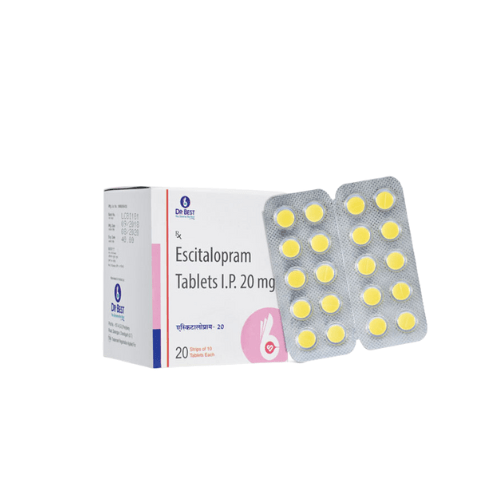
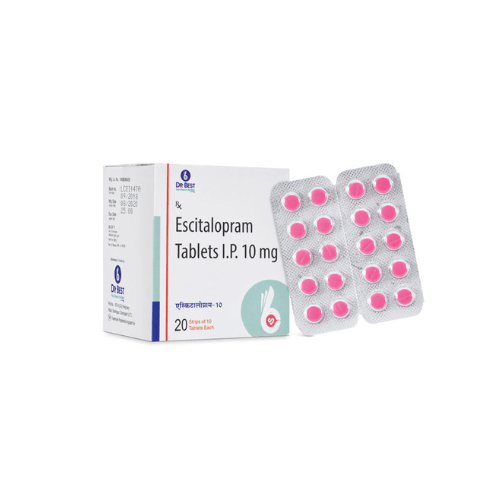
Escitalopram
Buy Escitalopram Tablets Online


Escitalopram is an SSRI antidepressant medication available as oral tablets in strengths such as 5 mg, 10 mg, and 20 mg. You can buy escitalopram tablets online, view the current price during ordering, and choose the strength and quantity that match your clinician’s directions. Some orders may include US delivery from Canada as part of the service path.
Escitalopram Price, Strengths, and Tablet Selection
Escitalopram price depends on the tablet strength, quantity, manufacturer, and pack configuration shown during ordering. Match the medicine by active ingredient, oral tablet form, strength, and total tablet count rather than choosing only by the lowest total amount. A lower cost can be misleading if the strength or quantity does not align with your treatment directions.
Escitalopram is the active ingredient in Lexapro. Store and pharmacy labels may use names such as escitalopram oxalate tablets, generic Lexapro, Lexapro generic escitalopram, or escitalopram medication. These names can refer to the same active medicine, but the practical match still depends on the exact strength, tablet form, and directions.
- Strength: Common tablet strengths include 5 mg, 10 mg, and 20 mg.
- Form: Confirm oral tablets when your directions specify tablets.
- Quantity: Look at the total tablets supplied, not only the estimated days of therapy.
- Label name: Escitalopram oxalate is the salt form commonly used for the tablets.
- Cash-pay context: If a cash-pay route is shown, evaluate it separately from any coverage-based route.
Why it matters: Strength mismatches can affect how the medicine is taken and should not be used to solve a price or quantity issue.
How to Order Escitalopram Online
To order escitalopram online, start with the tablet strength that matches your treatment record. Enter the strength, quantity, and contact details carefully so the order can be reviewed for the medicine you intended to obtain. If more than one escitalopram tablet strength is shown, do not switch between strengths unless your clinician has directed that change.
The current price should be reviewed after the strength and quantity are chosen. Escitalopram 10mg tablets are commonly searched because 10 mg is a frequent tablet strength, but 5 mg and 20 mg tablets may also be relevant for some treatment plans. Use the label directions from your clinician as the controlling reference.
Keep your current medication list available when ordering. Escitalopram has important interaction considerations, and a complete list helps a clinician or pharmacist identify avoidable safety problems. This is especially important if you take medicines for migraine, pain, sleep, mood, blood thinning, heart rhythm, or infection.
Product Details to Match Before Checkout
Escitalopram tablets are taken by mouth according to clinician-provided directions. The active ingredient is escitalopram oxalate, which is the generic form associated with Lexapro. Tablet appearance can vary by manufacturer, so markings, shape, or color may differ from a previous fill even when the active ingredient and strength are the same.
| Detail | What to match |
|---|---|
| Active ingredient | Escitalopram oxalate, the generic active ingredient associated with Lexapro. |
| Tablet strength | Choose 5 mg, 10 mg, or 20 mg only when that strength matches your directions. |
| Form | Confirm oral tablets if your treatment directions specify tablets. |
| Quantity | Match the tablet count to your intended supply and refill timing. |
| Directions | Follow the label exactly and do not change dose frequency during ordering. |
Quick tip: If your bottle or treatment record says escitalopram 10 mg tablet, avoid choosing a different strength to make the tablet count fit.
What Escitalopram Treats
Escitalopram belongs to a class of antidepressants called selective serotonin reuptake inhibitors, or SSRIs. SSRIs affect serotonin signaling in the brain and are used for conditions such as major depressive disorder and generalized anxiety disorder. Clinicians may consider personal history, symptom pattern, other medicines, and side effects when choosing this medicine.
Escitalopram is not Xanax. Xanax is the brand name for alprazolam, a benzodiazepine with different sedation, dependence, and short-term use considerations. Escitalopram is usually used as an ongoing daily medicine, and mood or anxiety symptom changes may take several weeks for some people.
For condition-based browsing, the Depression and Anxiety sections can help you see related prescribed treatment categories. These sections should be used for orientation only. Substituting another mental health medicine requires clinician direction because dosing, interactions, side effects, and tapering needs differ.
Generic Lexapro and Escitalopram Oxalate
Escitalopram is commonly discussed as generic Lexapro because Lexapro is a brand name for escitalopram. Generic tablets may have different inactive ingredients, manufacturers, markings, and shapes. Those differences do not automatically mean the medicine is different, but the active ingredient, strength, and directions should always match.
Country-specific naming and substitution rules can differ, so use the medication label and clinician directions rather than assumptions based on brand names alone. If the tablet looks different after delivery, compare the bottle label with the strength and active ingredient before taking it. A pharmacist or clinician can help resolve uncertainty about appearance, manufacturer changes, or inactive ingredients.
Dosage, Timing, and Treatment Changes
Escitalopram dosage is individualized. A clinician may consider the diagnosis being treated, age, liver function, other medicines, previous response to antidepressants, and side effect sensitivity. Do not raise, lower, split, or stop a dose because of tablet availability, refill timing, or price.
Some people take escitalopram in the morning, while others take it later in the day depending on sleepiness, insomnia, nausea, or routine. The most important point is consistent use as directed. If a dose is missed, follow the instructions provided with your medicine or ask a pharmacist for guidance.
Stopping escitalopram suddenly can cause withdrawal-like symptoms in some people. Reported symptoms may include dizziness, irritability, sleep changes, headache, nausea, flu-like feelings, or unusual sensations. If treatment needs to change, a clinician can provide a gradual plan when appropriate.
Storage, Handling, and Delivery Basics
Store escitalopram tablets at room temperature, away from excess heat, moisture, and direct light. Keep the bottle tightly closed and out of reach of children and pets. Bathrooms, cars, and windowsills are poor storage locations because humidity and temperature shifts can affect tablets.
After delivery, compare the label, active ingredient, strength, quantity, and tablet appearance before use. Do not take tablets that are cracked, wet, discolored, or inconsistent with the label until you have asked a pharmacist or clinician. Keep the medicine in its original labeled container so directions and lot details remain available.
Standard escitalopram tablets are not typically refrigerated products. If your package includes handling instructions, follow the directions provided with the dispensed medicine. When traveling, carry tablets in the labeled container, especially when crossing borders or carrying several medicines together.
Side Effects, Warnings, and Monitoring
Common escitalopram side effects may include nausea, diarrhea, dry mouth, sweating, fatigue, sleepiness, trouble sleeping, dizziness, and sexual side effects. Some people notice appetite or weight changes. Escitalopram does not cause weight gain in everyone, and weight effects can vary with dose, duration, mood changes, diet, activity, and other medicines.
Escitalopram and other antidepressants carry a boxed warning about increased risk of suicidal thoughts and behavior in children, adolescents, and young adults. Monitoring is especially important when starting treatment or changing doses. Contact a clinician promptly if depression worsens, agitation becomes severe, or suicidal thoughts appear.
- Serotonin syndrome: Seek urgent help for confusion, fever, tremor, diarrhea, sweating, or severe muscle stiffness.
- Bleeding risk: Ask about added risk with aspirin, NSAIDs, warfarin, or antiplatelet medicines.
- Heart rhythm: Discuss fainting, palpitations, low potassium, low magnesium, or QT prolongation history.
- Low sodium: Confusion, weakness, severe headache, or unsteadiness can require medical attention.
- Mania symptoms: New racing thoughts, decreased need for sleep, impulsivity, or unusual energy should be reported.
- Allergy signs: Get urgent care for swelling, hives, or breathing trouble.
People with bipolar disorder, seizure history, liver problems, kidney concerns, glaucoma risk, low sodium risk, pregnancy, or breastfeeding plans should discuss monitoring needs. Escitalopram may trigger mania in people with bipolar disorder and may increase the risk of angle-closure glaucoma in susceptible patients. These issues do not affect every person, but they matter when deciding whether the medicine fits a treatment plan.
Interactions to Review Before Use
Escitalopram can interact with medicines and supplements that affect serotonin, bleeding, sleepiness, or heart rhythm. Give your clinician and pharmacist a complete list of prescription medicines, non-prescription products, supplements, and alcohol use. Interaction review is especially important when starting, stopping, or changing any mental health medicine.
- MAO inhibitors: Combining with escitalopram can cause dangerous reactions and requires proper spacing.
- Other serotonin medicines: SNRIs, other SSRIs, triptans, tramadol, lithium, and St. John’s wort may increase serotonin syndrome risk.
- Linezolid or methylene blue: These medicines can raise serotonin levels and need careful management.
- Bleeding-related medicines: NSAIDs, anticoagulants, and antiplatelet therapy may increase bleeding risk.
- QT-risk medicines: Some antibiotics, antipsychotics, antiarrhythmics, and other medicines can affect heart rhythm.
- Alcohol and sedatives: Added sleepiness, impaired coordination, or mood effects may occur.
Do not start an herbal supplement or non-prescription sleep aid without checking for interactions. Products marketed as natural can still affect serotonin or sedation. A medication list kept in your wallet or phone can make safety checks easier during appointments, urgent care visits, and refills.
What to Expect After Starting
Some side effects may appear before mood or anxiety symptoms improve. Nausea, sleep changes, dry mouth, or restlessness may improve with time for some people, while others need a clinician to adjust the plan. Severe symptoms, allergic reactions, seizures, fainting, or signs of serotonin syndrome need prompt medical help.
Antidepressant response is not immediate. Some people notice changes in sleep, appetite, energy, or worry before mood improves. If symptoms do not improve after an appropriate trial, or side effects interfere with daily life, talk with your clinician rather than stopping suddenly.
Escitalopram is one part of mental health care. Therapy, sleep routines, exercise, substance-use changes, social support, and treatment of related medical conditions may also affect outcomes. Your clinician can help decide whether monitoring longer, adjusting the dose, or considering another medicine is appropriate.
Compare Related Mental Health Options
Escitalopram is one medicine within a broader mental health category. Other antidepressants and anxiety medicines can differ in active ingredient, dosing schedule, interaction profile, sedation, sexual side effects, withdrawal symptoms, and pregnancy considerations. The Mental Health category can help you browse related medication groups without treating them as interchangeable.
Use related treatment categories to prepare better questions for your clinician. For example, cost concerns, delayed response, nausea, insomnia, sexual side effects, or weight changes may influence the next discussion. A clinician can explain whether escitalopram should continue, be adjusted, or be changed to another prescribed option.
For broader education, the Mental Health articles section can support general learning about symptoms, treatment conversations, and medication safety. Educational articles should not replace individualized medical guidance, especially when symptoms worsen or new side effects appear.
Authoritative Sources
The references below support the patient-use and safety information summarized here.
- MedlinePlus escitalopram drug information summarizes patient instructions, warnings, interactions, and side effects.
- Mayo Clinic escitalopram oral route information describes uses, precautions, and oral-tablet safety points.
This content is for informational purposes only and is not a substitute for professional medical advice.
QTc Calculator
Calculate corrected QT interval from measured QT and heart rate.
QTc
-
milliseconds
RR interval
-
seconds
These calculations are for education only and do not replace clinical advice, diagnosis, or treatment. Always confirm medical decisions with a qualified healthcare professional.
Express Shipping - from $29.99
Shipping with this method takes 3-5 days
Prices:
- Dry-Packed Products $29.99
- Cold-Packed Products $39.99
Standard Shipping - $19.99
Shipping with this method takes 5-10 days
Prices:
- Dry-Packed Products $19.99
- Not available for Cold-Packed products
What is escitalopram used for?
Escitalopram is an SSRI antidepressant used for conditions such as major depressive disorder and generalized anxiety disorder. A clinician decides whether it fits based on symptoms, health history, other medicines, and treatment response.
Is escitalopram the same as generic Lexapro?
Escitalopram is the active ingredient in Lexapro, so it is commonly described as generic Lexapro. The active ingredient and strength should still match your directions, because tablet appearance and inactive ingredients can vary by manufacturer.
Does escitalopram cause weight gain?
Some people report appetite or weight changes while taking escitalopram, but not everyone gains weight. Weight can also be affected by mood changes, activity, diet, other medicines, and length of treatment.
How long does escitalopram take to work?
Escitalopram is not usually an immediate-effect medicine. Some people notice changes in sleep, appetite, energy, or anxiety before mood improves, and full response can take several weeks. Ask your clinician what timeline to expect for your treatment plan.
What side effects should I watch for with escitalopram?
Common effects can include nausea, diarrhea, dry mouth, sweating, fatigue, sleepiness, insomnia, dizziness, and sexual side effects. Seek prompt help for suicidal thoughts, severe agitation, allergic symptoms, fainting, seizures, or signs of serotonin syndrome such as fever, confusion, tremor, or severe stiffness.
Can escitalopram interact with other medicines?
Yes. Important interactions include MAO inhibitors, other serotonin-raising medicines, linezolid, methylene blue, NSAIDs, blood thinners, antiplatelets, and some heart-rhythm medicines. Share a complete medication and supplement list with a clinician or pharmacist.
How should escitalopram tablets be stored?
Store escitalopram tablets at room temperature, away from excess heat, moisture, and direct light. Keep the bottle tightly closed, out of reach of children and pets, and in the original labeled container.
Rewards Program
Earn points on birthdays, product orders, reviews, friend referrals, and more! Enjoy your medication at unparalleled discounts while reaping rewards for every step you take with us.
You can read more about rewards here.
POINT VALUE
How to earn points
- 1Create an account and start earning.
- 2Earn points every time you shop or perform certain actions.
- 3Redeem points for exclusive discounts.
You Might Also Like
Select options
This product has multiple variants. The options may be chosen on the product page
Select options
This product has multiple variants. The options may be chosen on the product page
Select options
This product has multiple variants. The options may be chosen on the product page
Select options
This product has multiple variants. The options may be chosen on the product page