

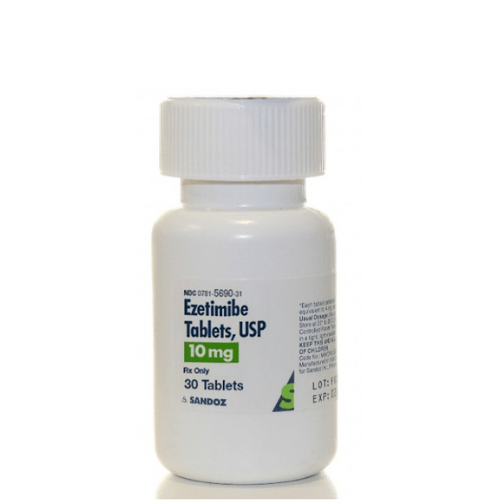
A valid prescription is required for this medication.
Buy Ezetimibe 10 mg Tablets Online
Rx Prescription required Fast, secure shipping
Health tools
Research and education tools. They do not replace clinical advice, diagnosis, or treatment.
Cholesterol Ratio Calculator
Calculate common lipid ratios and non-HDL cholesterol from a standard cholesterol panel.
These calculations are for education only and do not replace clinical advice, diagnosis, or treatment. Always confirm medical decisions with a qualified healthcare professional.
LDL Cholesterol Calculator
Estimate LDL cholesterol from total cholesterol, HDL, and triglycerides using the Friedewald equation.
These calculations are for education only and do not replace clinical advice, diagnosis, or treatment. Always confirm medical decisions with a qualified healthcare professional.
Cholesterol Unit Converter
Convert cholesterol and triglyceride values between mg/dL and mmol/L.
These calculations are for education only and do not replace clinical advice, diagnosis, or treatment. Always confirm medical decisions with a qualified healthcare professional.
About Ezetimibe
Ezetimibe 10 mg is an oral cholesterol medicine used to help lower LDL cholesterol as part of a broader treatment plan. Ezetimibe tablets can be bought online by choosing the strength and quantity shown during ordering, then matching those details to the directions given by your healthcare professional. The medicine is commonly known as the generic Zetia active ingredient and is taken by mouth.
This cholesterol absorption inhibitor works in the small intestine, where it helps reduce the amount of cholesterol absorbed from food and bile. It may be used alone or with other lipid-lowering medicines, including statins, when additional LDL reduction is part of the plan. Keep the active ingredient, strength, tablet count, and manufacturer information in view when comparing fills.
Ezetimibe 10 mg Price and Tablet Choices
The ezetimibe price should be read against the exact tablet strength and total quantity. A smaller tablet count may show a lower total, while a larger supply can have a higher checkout amount even when the per-tablet comparison differs. Use the same strength and tablet count when reviewing ezetimibe cost, cash-pay totals, or any order summary.
Ezetimibe tablets are commonly supplied as 10 mg tablets. Generic Zetia products may vary by manufacturer, so tablet color, shape, imprint, or inactive ingredients may not match a previous fill. Those appearance differences do not replace the need to match the active ingredient and strength shown on the container.
| Order detail | What to match | Why it matters |
|---|---|---|
| Active ingredient | Ezetimibe | Similar cholesterol medicines can have different mechanisms and safety considerations. |
| Strength | 10 mg when that is the intended tablet strength | Strength mismatches can affect how the medicine is used. |
| Form | Oral tablet | Combination products and other cholesterol drugs are not interchangeable. |
| Quantity | Total tablets and supply length | The tablet count affects refill timing and total cost. |
| Manufacturer | Manufacturer or package information shown during ordering | Generic appearance can vary between manufacturers. |
For ezetimibe price without insurance, compare the final amount for the same strength and quantity. If separate handling or destination-related charges appear, use the total rather than only the medicine amount. US shipping from Canada may be shown as part of the order pathway when that service context applies.
Why it matters: Matching tablet count and strength helps prevent short supplies, duplicate orders, or confusion after delivery.
How to Buy Ezetimibe Online
To buy ezetimibe online, choose the tablet strength and quantity that align with your current treatment directions. Enter your patient information carefully, including name, date of birth, contact details, and shipping destination. Small errors can delay processing or create confusion when the medicine label is prepared.
Keep a current medication list nearby during ordering. Include statins, fibrates, cyclosporine, warfarin, bile acid sequestrants such as cholestyramine, over-the-counter medicines, and supplements. This matters because ezetimibe interactions can change timing instructions or monitoring needs.
Before placing the order, review the medicine name, strength, quantity, and destination. If the strength or directions you expected do not match what appears during ordering, pause and ask a healthcare professional or pharmacist for clarification. Do not change tablet strength, split tablets, or alter the schedule to manage cost unless a clinician has given updated directions.
Orders may include prompt, express, cold-chain shipping language for the broader service, but ezetimibe tablets are generally handled according to the storage instructions on the label. If your cart contains medicines with different temperature requirements, follow each product label separately.
What Ezetimibe Treats and How It Works
Ezetimibe is used to help lower LDL cholesterol, often called bad cholesterol. LDL cholesterol contributes to plaque buildup in arteries, so lowering LDL is one part of cardiovascular risk management. Treatment plans may also include diet changes, physical activity, smoking cessation, diabetes management, blood pressure control, or other lipid-lowering medicines.
The medicine works differently from statins. Statins mainly reduce cholesterol production in the liver, while ezetimibe reduces cholesterol absorption in the intestine. Because the mechanisms are different, ezetimibe and statins may be used together when a clinician wants additional LDL lowering.
Ezetimibe may be used for primary high cholesterol, mixed cholesterol concerns, or inherited lipid conditions when clinically appropriate. The reason for treatment should come from your own care plan and follow-up lab results. Browse the High Cholesterol category if you are reviewing related cholesterol products and therapy areas.
This medicine does not replace lifestyle measures or monitoring. You usually cannot feel LDL cholesterol going down, so blood tests are used to assess response. If lipid results remain above target, a healthcare professional may review adherence, timing, diet, other medicines, or treatment changes.
Generic Zetia and Product Identity
Ezetimibe is the active ingredient in Zetia and is commonly referred to as generic Zetia. The key buying details are the active ingredient, tablet strength, quantity, and whether the product is a single-ingredient ezetimibe tablet. Do not assume that every cholesterol medicine with a familiar name has the same active ingredient.
Some products combine ezetimibe with another lipid-lowering medicine. A single-ingredient ezetimibe tablet is not the same as a combination tablet, even if both are used for cholesterol management. Combination products can have different dosing, contraindications, interactions, and monitoring needs.
Generic tablet appearance may change after a refill because manufacturers use different inactive ingredients, shapes, colors, and imprints. If the label says ezetimibe and the strength matches your directions, the appearance alone may not indicate a problem. Still, ask a pharmacist before taking tablets if the container, label, or imprint seems inconsistent.
Dosage Basics, Missed Doses, and Daily Use
Ezetimibe dosage decisions should come from a healthcare professional. The commonly used tablet strength is ezetimibe 10 mg, but the label provided for you should guide how and when the medicine is taken. Do not double up, split tablets, or change timing without clinical guidance.
Ezetimibe is taken by mouth and may be used with or without food, depending on the directions you receive. Many people take it at the same time each day to support routine use. If it is used with a statin, follow the instructions for both medicines, since each drug has its own safety considerations.
If you take a bile acid sequestrant such as cholestyramine, colestipol, or colesevelam, timing can matter because these medicines may reduce ezetimibe absorption. Follow the spacing instructions provided by your healthcare professional or pharmacist. If you are unsure how to time multiple cholesterol medicines, ask before starting a new schedule.
A missed dose question should be handled according to the label or clinician instructions you were given. Avoid taking extra tablets to make up for a missed dose unless directed. Keeping the container visible in a safe storage location or using a medication reminder can help maintain a consistent routine.
Side Effects, Warnings, and When to Get Help
Ezetimibe 10 mg side effects can include diarrhea, tiredness, joint pain, stomach discomfort, upper respiratory symptoms, or headache. Many side effects are mild, but new or persistent symptoms should be discussed with a healthcare professional. Side effects may be assessed differently when ezetimibe is used with a statin.
Serious allergic reactions are uncommon but require urgent care. Seek immediate medical help for swelling of the face, lips, tongue, or throat, breathing trouble, severe rash, or faintness. Do not restart the medicine after a serious allergic reaction unless a clinician specifically evaluates the situation.
Muscle symptoms deserve attention, especially when ezetimibe is taken with a statin. Report unexplained muscle pain, tenderness, weakness, or dark urine promptly. These symptoms can have many causes, but they should not be ignored during cholesterol treatment.
- Liver concerns: Tell a clinician about liver disease or abnormal liver tests, especially with statin use.
- Gallbladder symptoms: Report severe right-sided abdominal pain, nausea, fever, or yellowing skin.
- Pregnancy or breastfeeding: Discuss cholesterol treatment goals and medicine choices with a healthcare professional.
- New medicines: Ask about interactions before adding fibrates, cyclosporine, warfarin, or cholesterol binders.
- Persistent side effects: Contact a clinician if symptoms continue, worsen, or affect daily activities.
Quick tip: Keep the labeled container available when discussing side effects or interactions.
Interactions and Monitoring
Ezetimibe interactions are important because cholesterol treatment often involves more than one medicine. Bile acid sequestrants can lower ezetimibe absorption when taken too close together. Cyclosporine may increase ezetimibe exposure, and closer monitoring may be needed when the medicines are used together.
Fibrates may increase the risk of gallbladder-related concerns when combined with ezetimibe. Warfarin and other anticoagulants may require closer monitoring if therapy changes. Always provide a current list of prescription medicines, non-prescription products, and supplements during medication reviews.
When ezetimibe and statins are used together, monitoring may include liver enzyme testing and assessment for muscle symptoms. Statins have their own precautions, and combination therapy can change what your healthcare professional watches. The Cardiovascular Articles section can support broader discussions about cholesterol and heart-health topics.
LDL cholesterol response is measured with lipid panels rather than symptoms. Follow-up testing helps determine whether the medicine is working as intended. If results are not on target, the next step may involve reviewing adherence, diet, interacting medicines, or other treatment choices.
Storage, Handling, and Travel
Ezetimibe tablets are usually stored at room temperature in a dry place. Keep the container closed and away from excess heat, moisture, and direct light. Avoid storing tablets in a humid bathroom cabinet, and keep all medicines out of reach of children and pets.
When the order arrives, inspect the container before putting it away. Match the medicine name, strength, quantity, and package condition with what you expected. If the seal, label, or tablet appearance raises concerns, ask a pharmacist for guidance before using that supply.
Travel with ezetimibe in the original labeled container. Pack enough tablets for the trip, keep the medicine in carry-on luggage when possible, and avoid leaving it in a hot car. If you travel across time zones, ask how to keep a consistent schedule without taking extra doses.
Do not combine tablets from different containers unless a pharmacist says it is appropriate. Keeping separate containers can help you track manufacturer, lot information, expiration date, and quantity. This is useful if a side effect question or tablet-identification issue comes up later.
Related Cholesterol Care Choices
Ezetimibe is one type of lipid-lowering medicine. It is not interchangeable with statins, fibrates, PCSK9 inhibitors, omega-3 products, or bile acid sequestrants unless a healthcare professional changes the treatment plan. Each class works differently and may require different lab monitoring or safety counseling.
The Cardiovascular Products category can help organize related heart and cholesterol treatment areas. Use active ingredient, strength, form, and intended role when discussing alternatives. A medicine that lowers cholesterol may still have a different purpose in your regimen.
Ask why ezetimibe was chosen, whether it is meant to be used alone or with a statin, and when lipid labs should be repeated. Also ask what to do if muscle symptoms occur, if a new interacting medicine is added, or if a refill looks different from the previous bottle.
People managing cholesterol along with diabetes, kidney disease, or high blood pressure may need coordinated care. Cholesterol targets can depend on overall cardiovascular risk, not just one lab number. Keep all clinicians informed about medication changes so monitoring remains consistent.
Authoritative Sources
Patient drug information from MedlinePlus Ezetimibe Drug Information summarizes uses, precautions, and side effects. NHS medicine information on About Ezetimibe explains routine use, common effects, and practical safety points.
This content is for informational purposes only and is not a substitute for professional medical advice.
This content is for informational purposes only and is not a substitute for professional medical advice.
Two ways to ship
Cold-packed medications travel by Express shipping. Dry-packed medications can ship Express or Standard.
Earn points on every order
Earn points on birthdays, product orders, reviews, friend referrals, and more! Enjoy your medication at unparalleled discounts while reaping rewards for every step you take with us.
Register and/or Login
Create an account and start earning.
Earn Rewards
Earn points every time you shop or perform certain actions.
Redeem
Redeem points for exclusive discounts.
Ways to save
We stand behind our prices
We work hard to offer the very best available price. If you find a lower price on the same product, we will match it.
Learn how →Tiered pricingNew tiered pricing is here
Buy more and save more on the medications you trust: save 7% per pack when you buy 2, and 14% per pack when you buy 3 or more.
See tiered pricing →You might also like
View all →
Related articles
View all →
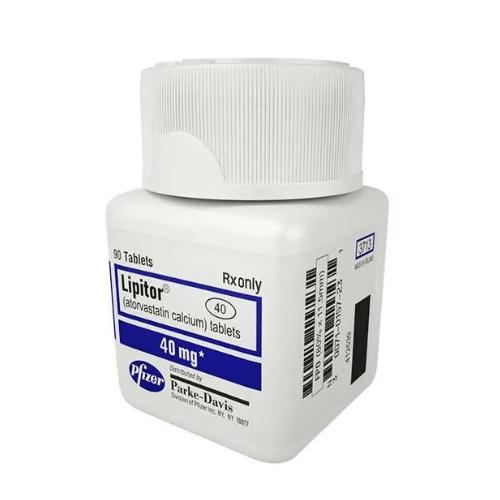
Lipitor Uses for Cholesterol: Benefits, Safety, and Fit
Lipitor uses for cholesterol center on lowering LDL cholesterol and reducing cardiovascular risk in selected patients. Lipitor is the brand name for…
Read more →
Fiasp insulin Cartridge for Active Days and Device Choices
A Fiasp insulin Cartridge is a PenFill cartridge containing fast-acting insulin aspart for use with compatible reusable insulin pens. For active adults,…
Read more →
Joint Health Habits to Prevent Injury and Maintain Strength
Joint health improves when you combine regular movement, strength training, balanced nutrition, enough recovery, and early attention to pain signals. This matters…
Read more →
Entresto Dose Planning: Strengths, Titration, and Safety
The usual Entresto dose for many adults with heart failure starts at 49/51 mg twice daily, then may increase after 2 to…
Read more →Speak to us
Our customer service team are highly experienced and friendly. Get in touch today.
What is ezetimibe 10 mg used for?
Ezetimibe 10 mg is used to help lower LDL cholesterol as part of a cholesterol-management plan. It may be used alone or with other lipid-lowering medicines, including statins, when clinically appropriate.
Is ezetimibe the same as generic Zetia?
Ezetimibe is the active ingredient in Zetia and is commonly described as generic Zetia. When comparing products, match the active ingredient, strength, tablet form, and quantity rather than relying on tablet appearance alone.
How does ezetimibe differ from a statin?
Ezetimibe reduces cholesterol absorption in the intestine. Statins mainly reduce cholesterol production in the liver. Because they work differently, a clinician may use ezetimibe with a statin for additional LDL lowering.
What are common ezetimibe side effects?
Common side effects can include diarrhea, tiredness, joint pain, stomach discomfort, headache, or upper respiratory symptoms. Report persistent symptoms, allergic reactions, muscle pain, weakness, dark urine, or severe abdominal pain promptly.
Can ezetimibe interact with other medicines?
Yes. Bile acid sequestrants can reduce ezetimibe absorption if taken too close together. Cyclosporine, fibrates, warfarin, and statins may require timing guidance or closer monitoring.
Speak to our team
 Call toll free1-844-560-7790
 Emailservice@canadianinsulin.com
Monday to Friday 7am – 11pm EST
Saturday 7am to 7pm EST
Sunday 8am – 5pm EST