

A valid prescription is required for this medication.
Buy Fluoxetine Online
Rx Prescription required Fast, secure shipping
About Fluoxetine
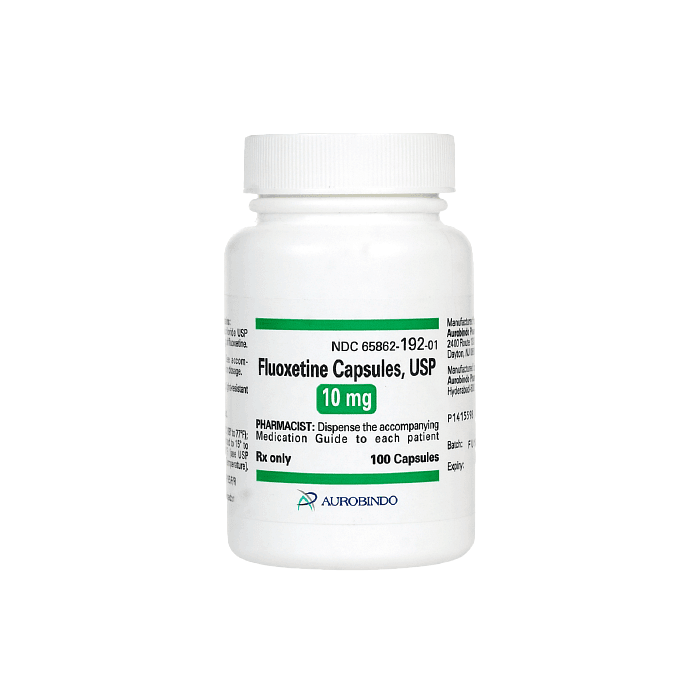
Fluoxetine is an oral antidepressant medicine containing fluoxetine hydrochloride, the active ingredient in generic Prozac. It can be bought online by choosing the available strength and form that match your clinician’s directions, such as Fluoxetine 20 mg when that strength has been written for you. Current ordering details let you view the Fluoxetine price for the strength, form, and quantity shown before checkout.
Fluoxetine is commonly supplied in strengths such as 10 mg, 20 mg, and 40 mg, depending on the manufacturer and product form. Capsules and tablets may appear separately, so the exact strength and form should be matched carefully to the medicine you have been told to use. If you are using a cash-pay route or arranging US delivery from Canada, the same strength, quantity, and patient details still need to be consistent.
Fluoxetine 20 mg Price and Strength Selection
The Fluoxetine price depends on the strength, form, manufacturer, quantity, and pack count shown during ordering. A Fluoxetine 20 mg price should not be assumed to apply to 10 mg or 40 mg strengths, because each strength may be priced as a separate item. Capsules and tablets can also have different totals even when the active ingredient is the same.
For Fluoxetine 20 mg, focus on the total number of capsules or tablets, not only the headline amount. A lower total may reflect fewer units, while a higher total may cover a longer supply. The useful comparison is the cost per usable unit that matches your directions, plus whether the form is practical for your routine.
Fluoxetine cost without insurance may matter for customers using cash pay. In that situation, keep the exact strength and quantity in view while ordering, because changing from a 20 mg capsule to another strength or form can change both the total and how the medicine is taken. Do not substitute a different strength unless a healthcare professional has told you it is appropriate.
| Detail to check | How it affects the order |
|---|---|
| Strength | 10 mg, 20 mg, and 40 mg are different strengths and are not automatic substitutes. |
| Form | Fluoxetine capsules and Fluoxetine tablets may be shown as separate forms. |
| Quantity | The unit count affects the displayed total and refill planning. |
| Active ingredient | Fluoxetine hydrochloride identifies the generic Prozac ingredient. |
Quick tip: Match the medicine name, strength, form, and quantity before placing an order.
How to Order Fluoxetine Online
Order Fluoxetine online by choosing the strength and form shown for the medicine you need, then entering the required patient and delivery details. The product name should say fluoxetine or fluoxetine hydrochloride. If a brand reference such as Prozac appears, use the active ingredient and strength to make sure you are viewing the correct medicine.
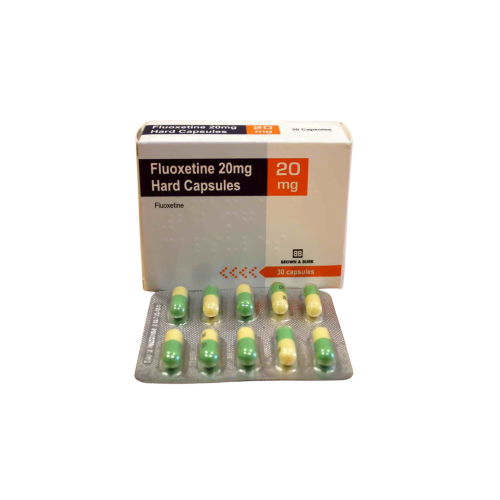
Fluoxetine online orders may include different oral forms, depending on the manufacturer. A Fluoxetine 20 mg capsule is not the same ordering choice as a tablet or a different strength. If your current bottle or written directions specify a form, use that information to guide the choice.
US shipping from Canada can be part of the order path when the delivery address and medicine details are entered correctly. We may review order details to help reduce delays caused by mismatched names, outdated contact information, or unclear strength information. Do not change the form or strength to make checkout simpler without clinical confirmation.
Capsules, Tablets, and Generic Prozac Details
Fluoxetine hydrochloride is the active ingredient. It belongs to a group of antidepressants called selective serotonin reuptake inhibitors, or SSRIs. SSRIs help increase serotonin signaling in the brain, which can support mood, anxiety-related symptoms, and certain compulsive or panic symptoms when the medicine is used as directed.
Generic Prozac refers to fluoxetine products that contain the same active ingredient as the Prozac brand. Appearance can still vary by manufacturer. Capsules may differ in color, imprint, or size, and tablets may look different from capsules even when the labeled strength is the same.
The term Fluoxetine oral capsule describes the dosage form, not a different active ingredient. A Fluoxetine 20 mg capsule should be used only when that strength and form align with the directions you have been given. Do not open, crush, or split capsules unless a clinician or pharmacist has specifically said to do so.
Inactive ingredients can vary between manufacturers. If you have allergies, dietary restrictions, swallowing difficulty, or prior intolerance to a capsule or tablet, ask a healthcare professional about the exact product before use. These practical details can affect comfort, identification, and day-to-day adherence.
What Fluoxetine Treats
Fluoxetine is used for several mental health conditions when clinically appropriate. Labeled uses include major depressive disorder, obsessive-compulsive disorder, bulimia nervosa, panic disorder, and premenstrual dysphoric disorder. These conditions can overlap in symptoms, but the treatment plan and monitoring needs are individualized.
For depression, fluoxetine may be prescribed as part of a broader treatment plan that can include therapy, follow-up visits, sleep support, or other mental health care. Related condition browsing is available under Depression, where similar medicines may be grouped for navigation. A product category can help you browse, but it should not replace a diagnosis or medicine review.
For obsessive-compulsive disorder, fluoxetine may be used to reduce intrusive thoughts and repetitive behaviors over time. Related products and information can be narrowed through Obsessive Compulsive Disorder. Dose suitability, timing, and expected response vary, so ongoing monitoring is important.
Fluoxetine is also used in treatment plans for bulimia nervosa and premenstrual dysphoric disorder. You can browse related categories for Bulimia Nervosa and Premenstrual Dysphoric Disorder. If symptoms change or a condition has not been formally assessed, speak with a healthcare professional before relying on any antidepressant choice.
Timing, Expectations, and Daily Use Questions
Fluoxetine is usually taken consistently rather than only when symptoms appear. Many people do not feel the full benefit immediately. Some early side effects may appear before mood, panic, compulsive symptoms, or premenstrual symptoms improve, which is one reason follow-up is important during the first weeks and after changes.
Because fluoxetine stays in the body for a relatively long time, missed doses, stopping, and medicine changes should be handled carefully. It can still interact with other medicines after it has been stopped. This longer washout period is especially important when switching to or from monoamine oxidase inhibitors, also called MAOIs.
Weight and appetite effects vary. Some people report appetite changes, nausea, or weight changes while using SSRIs, but the direction and amount are not predictable for every person. If weight change, sleep disruption, sexual side effects, or stomach symptoms become troublesome, discuss them rather than changing the medicine on your own.
Fluoxetine is not a sedative or a quick calming medicine. It is an antidepressant that is usually evaluated over time, with attention to symptom changes, side effects, other medicines, and safety risks. If anxiety symptoms are part of the treatment discussion, the Anxiety category can help with navigation, but a clinician should decide whether fluoxetine fits the diagnosis.
What to Check Before Use
Before taking fluoxetine from a new bottle, compare the label with your current directions. The name should match fluoxetine or fluoxetine hydrochloride. The strength should match the intended mg amount. The form should match the capsule or tablet you are expected to take.
- Name: Confirm fluoxetine, not another antidepressant.
- Strength: Read 10 mg, 20 mg, or 40 mg carefully.
- Form: Capsule and tablet forms may look very different.
- Quantity: Make sure the unit count fits the intended supply.
- Appearance: Ask if color, shape, or imprint looks unfamiliar.
Why it matters: Careful matching reduces the chance of using the wrong strength or form.
Tell a healthcare professional about pregnancy, breastfeeding, recent medicine changes, allergies, bipolar disorder, seizures, bleeding problems, glaucoma, heart rhythm concerns, or low sodium. These issues do not always rule out use, but they can change monitoring or medicine choice. Children, adolescents, and young adults also need careful observation for mood or behavior changes when antidepressants are started or adjusted.
Storage, Handling, and Delivery Basics
Fluoxetine capsules and tablets are generally stored at room temperature, away from excess heat, moisture, and direct light. Keep the container tightly closed and out of reach of children and pets. A bathroom cabinet may be too humid, so a dry cabinet is often a better storage location unless the label says otherwise.
When your package arrives, open it promptly and compare the contents with the order information. Look at the medicine name, strength, form, quantity, manufacturer information if shown, and expiration date. Contact the professional listed on the package if the tablets or capsules are damaged, the count seems wrong, or the label does not match what you expected.
Travel planning is usually straightforward for oral antidepressants, but the labeled container still matters. Keep fluoxetine in its original bottle when possible, carry enough for the planned trip, and avoid leaving it in a hot car or checked luggage for long periods. If crossing borders, keep documentation available to show the medicine is for personal treatment.
Fluoxetine does not require cold-chain handling under usual storage directions. If your order includes other medicines, follow the most temperature-sensitive product instructions. Shipping and handling details can differ by item, so review the package upon arrival and store each medicine according to its own label.
Side Effects, Warnings, and Monitoring
Common fluoxetine side effects can include nausea, diarrhea, dry mouth, headache, sweating, tremor, nervousness, sleep changes, drowsiness, appetite changes, and sexual side effects. Some effects improve as the body adjusts. Others may persist, worsen, or become more noticeable when another medicine is added.
Antidepressants, including fluoxetine, carry a boxed warning about increased risk of suicidal thoughts and behaviors in children, adolescents, and young adults. Worsening depression, agitation, impulsive behavior, sudden mood shifts, or thoughts of self-harm need urgent clinical attention. Family members and caregivers should watch for behavior changes during early treatment and after changes.
Do not use fluoxetine with MAOIs, pimozide, or thioridazine. Thioridazine should not be used with fluoxetine or within five weeks after fluoxetine is stopped. Serious interactions may also occur with linezolid, intravenous methylene blue, other serotonergic medicines, some migraine medicines, tramadol, lithium, St. John’s wort, blood thinners, NSAIDs, and certain heart rhythm medicines.
Serotonin syndrome is rare but serious. Symptoms can include agitation, confusion, fever, sweating, fast heartbeat, tremor, muscle stiffness, diarrhea, or loss of coordination. Seek medical help quickly if these symptoms occur, especially after starting fluoxetine or adding another medicine that affects serotonin.
Other serious concerns can include severe allergic reaction, abnormal bleeding, mania or hypomania, seizures, low sodium, angle-closure glaucoma, and heart rhythm changes. Alcohol, cannabis, sedatives, sleep medicines, and other antidepressants can change alertness, judgment, or mood stability. A pharmacist or clinician can help assess whether combinations are safe for your health history.
Related Mental Health Categories
If you are comparing prescribed mental health treatments, the Mental Health category groups related products for browsing. Medicines in the same category can still differ by active ingredient, form, side effect profile, interaction risk, and monitoring needs. Convenience or lower cost should not be the only reason to change treatment.
For broader education on symptoms, treatment discussions, and medicine questions, the Mental Health Articles section can provide additional context. Educational articles can help you prepare questions for a visit, but they should not be used to self-select an antidepressant or adjust a dose.
Fluoxetine may be discussed alongside other SSRIs or antidepressants, but the best choice depends on diagnosis, prior response, other medicines, age, side effects, pregnancy status, and safety history. If another product appears easier to take or more affordable, ask a healthcare professional whether switching is clinically appropriate.
Authoritative Sources
For patient-focused information on fluoxetine precautions, interactions, and side effects, see MedlinePlus fluoxetine drug information.
For official labeling, contraindications, boxed warning language, and detailed interaction information, see the FDA prescribing information for fluoxetine.
This content is for informational purposes only and is not a substitute for professional medical advice.
This content is for informational purposes only and is not a substitute for professional medical advice.
Two ways to ship
Cold-packed medications travel by Express shipping. Dry-packed medications can ship Express or Standard.
Earn points on every order
Earn points on birthdays, product orders, reviews, friend referrals, and more! Enjoy your medication at unparalleled discounts while reaping rewards for every step you take with us.
Register and/or Login
Create an account and start earning.
Earn Rewards
Earn points every time you shop or perform certain actions.
Redeem
Redeem points for exclusive discounts.
Ways to save
We stand behind our prices
We work hard to offer the very best available price. If you find a lower price on the same product, we will match it.
Learn how →Tiered pricingNew tiered pricing is here
Buy more and save more on the medications you trust: save 7% per pack when you buy 2, and 14% per pack when you buy 3 or more.
See tiered pricing →You might also like
View all →
Related articles
View all →
Joint Health Habits to Prevent Injury and Maintain Strength
Joint health improves when you combine regular movement, strength training, balanced nutrition, enough recovery, and early attention to pain signals. This matters…
Read more →
Entresto Dose Planning: Strengths, Titration, and Safety
The usual Entresto dose for many adults with heart failure starts at 49/51 mg twice daily, then may increase after 2 to…
Read more →
Janumet Dosage: Strengths, Meal Timing, and Monitoring
Janumet dosage is individualized for adults with type 2 diabetes based on current treatment, kidney function, tolerability, and glucose goals. The medicine…
Read more →Speak to us
Our customer service team are highly experienced and friendly. Get in touch today.
What is Fluoxetine 20 mg used for?
Fluoxetine 20 mg is one commonly used strength of fluoxetine hydrochloride, an SSRI antidepressant. Fluoxetine is used for conditions such as major depressive disorder, obsessive-compulsive disorder, bulimia nervosa, panic disorder, and premenstrual dysphoric disorder when clinically appropriate.
Is Fluoxetine the same as generic Prozac?
Fluoxetine hydrochloride is the active ingredient in generic Prozac. The appearance, form, and manufacturer can vary, so match the medicine name, strength, and capsule or tablet form to your directions rather than relying on appearance alone.
How should I compare Fluoxetine price online?
Compare the strength, form, quantity, and total unit count. A Fluoxetine 20 mg price may differ from 10 mg or 40 mg, and capsules may be priced differently than tablets. The most useful comparison is the cost for the exact medicine and quantity you need.
What side effects can Fluoxetine cause?
Common side effects may include nausea, diarrhea, dry mouth, headache, sweating, tremor, sleep changes, nervousness, drowsiness, appetite changes, and sexual side effects. Seek urgent help for suicidal thoughts, severe mood changes, serotonin syndrome symptoms, allergic reaction, seizures, or abnormal bleeding.
Can Fluoxetine interact with other medicines?
Yes. Fluoxetine can interact with MAOIs, pimozide, thioridazine, linezolid, intravenous methylene blue, other serotonergic medicines, some migraine medicines, tramadol, lithium, St. John’s wort, blood thinners, NSAIDs, and certain heart rhythm medicines. Interaction checks matter because fluoxetine can remain in the body for weeks.
How should Fluoxetine capsules or tablets be stored?
Store fluoxetine at room temperature, away from excess heat, moisture, and direct light. Keep the bottle tightly closed and out of reach of children and pets. Use the original labeled container to reduce mix-ups, especially during travel.
Speak to our team
 Call toll free1-844-560-7790
 Emailservice@canadianinsulin.com
Monday to Friday 7am – 11pm EST
Saturday 7am to 7pm EST
Sunday 8am – 5pm EST