
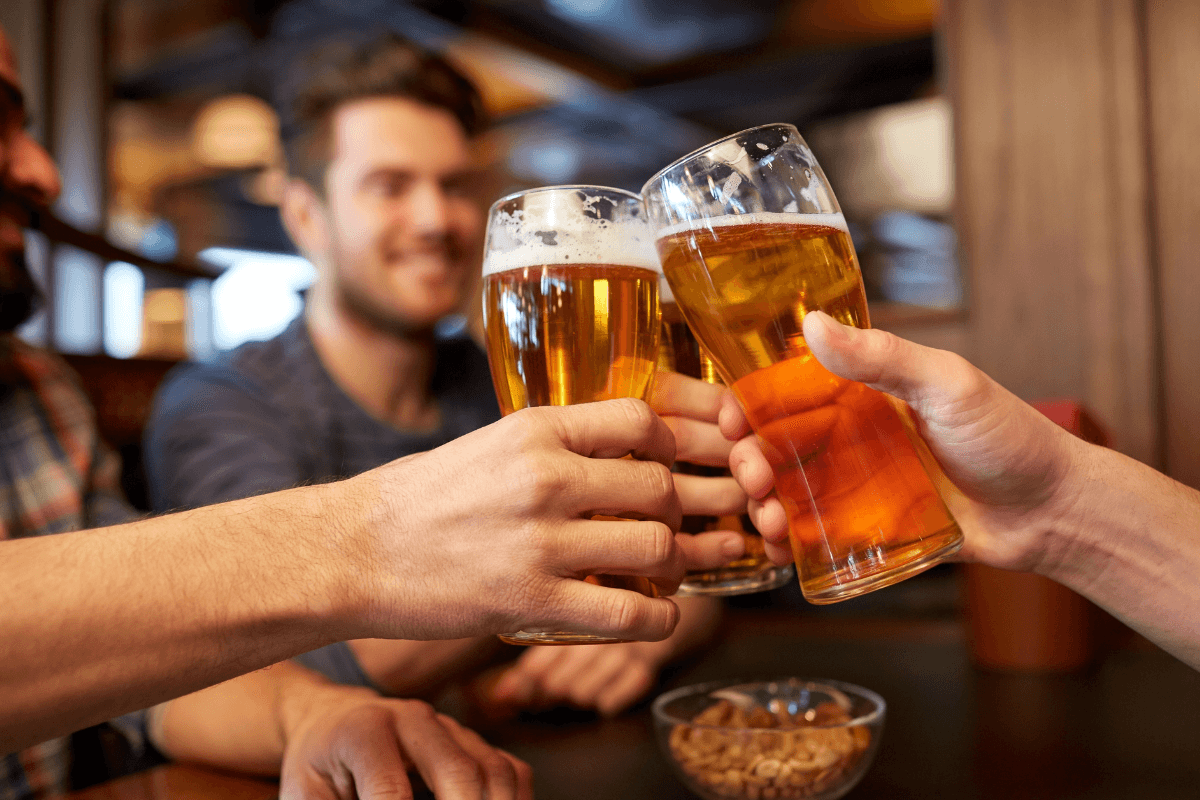
Alcohol consumption and diabetes can fit together for some adults, but it is not automatically safe. Alcohol can lower glucose after drinking, raise it when drinks contain carbohydrate, and make hypoglycemia (low glucose) harder to recognize. The main risk is a delayed glucose drop, especially for people who use insulin or medicines that increase insulin release. Your safest approach depends on your diabetes type, medications, recent food intake, activity, and history of lows.
Key Takeaways
- Alcohol may lower glucose for several hours, especially after fasting, exercise, or insulin use.
- Sweet mixers, beer, and some wines may raise glucose before a later drop.
- Insulin, sulfonylureas, and meglitinides can increase hypoglycemia risk after drinking.
- Plan food, monitoring, transportation, and emergency support before you drink.
- Avoid alcohol when pregnant, unwell, dehydrated, or advised to abstain.
Alcohol consumption and diabetes: the blood sugar link
Alcohol affects glucose in two main directions. The alcohol itself can reduce the liver’s normal glucose release, while the carbohydrates in some drinks can raise readings. This is why one person may see a rise after a sweet cocktail, while another may see a drop several hours later.
Your liver helps keep glucose steady between meals. It releases stored glucose when you have not eaten, during sleep, and after activity. When your liver is processing alcohol, that backup response can be less reliable. The effect matters more if you drink on an empty stomach, drink after exercise, or use insulin.
Delayed hypoglycemia can occur after the drinking period is over. It may happen later in the evening or overnight, when you may be asleep and less likely to notice symptoms. If you have a pattern of glucose drops without obvious warning signs, review the broader causes in Fasting Hypoglycemia.
Alcohol can also blur warning signs. Sweating, shakiness, slurred speech, drowsiness, and confusion may be mistaken for intoxication. Headache may also occur with glucose changes, dehydration, or alcohol itself. The overlap is one reason people with diabetes often need a clearer monitoring plan; Hypoglycemia Headaches explains that symptom pattern in more detail.
If you compare glucose readings from different sources, units can cause confusion. This converter helps translate between mg/dL and mmol/L, but it does not interpret results or replace clinical guidance.
Blood Glucose Unit Converter
Convert glucose readings between mg/dL and mmol/L without changing the clinical value.
These calculations are for education only and do not replace clinical advice, diagnosis, or treatment. Always confirm medical decisions with a qualified healthcare professional.
Why it matters: A normal reading before drinking does not rule out a later glucose drop.
Who needs extra caution around alcohol?
Some people face higher risk from drinking because of their treatment plan or medical history. This does not mean every person in these groups must avoid alcohol forever. It means the decision needs a more careful conversation with a clinician or diabetes educator.
- Insulin users: rapid, mealtime, or basal insulin may leave less margin for missed food or delayed lows.
- Insulin-releasing medicines: sulfonylureas and meglitinides can raise hypoglycemia risk, especially when meals are skipped.
- Type 1 diabetes: alcohol can complicate glucose monitoring, ketone decisions, and overnight safety planning.
- Kidney or liver disease: these conditions can change medication safety and alcohol handling.
- History of severe lows: seizures, unconsciousness, or hypoglycemia unawareness require extra caution.
- Pregnancy or pancreatitis history: alcohol may be unsafe or specifically discouraged.
Alcohol can also affect judgment. A person may miss a glucose alarm, forget food, take the wrong medication, or sleep through symptoms. If severe hypoglycemia has caused shaking, confusion, or seizure-like events, review Diabetic Seizures and discuss prevention with a qualified professional.
Practical planning before, during, and after drinking
Good planning around alcohol consumption and diabetes starts before the first drink. The goal is not to make alcohol risk-free. The goal is to reduce avoidable problems, especially missed meals, dehydration, overnight lows, and delayed care if symptoms appear.
Before drinking
Know your own pattern. Some people notice a rise with beer or sweet drinks. Others see delayed lows, especially after exercise. If you use a continuous glucose monitor, review past evenings when alcohol was involved. If you use fingerstick testing, follow the monitoring schedule your care team recommends.
A standard drink is often defined as about 12 oz of regular beer, 5 oz of wine, or 1.5 oz of distilled spirits. These are alcohol estimates, not diabetes safety limits. Drink size, alcohol percentage, mixers, food, and your medication plan all matter.
- Eat first: avoid drinking on an empty stomach.
- Carry glucose: keep fast-acting carbohydrates available.
- Tell someone: make sure a trusted person knows you have diabetes.
- Plan transport: avoid driving after drinking.
- Check supplies: bring your meter, CGM supplies, and medical ID.
During and after drinking
Choose a pace that lets you notice symptoms. Drink water between alcoholic drinks when appropriate. Avoid replacing meals with alcohol, and be cautious with late-night dancing, sports, or other activity that may increase glucose use.
There is no universal three-hour rule that fits every person. Some people use a check a few hours after drinking as a practical reminder, but delayed lows can happen outside that window. Bedtime monitoring may be especially important for people using insulin or insulin-releasing pills.
Quick tip: Keep your usual hypoglycemia treatment where you can reach it before sleep.
Medication and treatment factors to review
Alcohol and insulin require extra attention because both can contribute to hypoglycemia in different ways. Alcohol can reduce liver glucose release, while insulin lowers circulating glucose. A missed meal, a larger-than-usual drink, or unexpected exercise can shift the balance quickly.
Some oral medications also need review. Sulfonylureas and meglitinides stimulate insulin release, so drinking without enough food may increase risk. Repaglinide is one example of a meglitinide. If you use medicines in this class, ask your prescriber what alcohol limits, meal timing, and monitoring steps apply to you.
Metformin is not usually linked to hypoglycemia by itself, but heavy alcohol intake can be relevant because both alcohol and illness-related dehydration may affect acid-base balance. The rare but serious concern is lactic acidosis (acid buildup in the blood). For more background, read Lactic Acidosis and Metformin.
SGLT2 inhibitors are another group to discuss. These medicines increase glucose loss through urine and can increase dehydration risk in some situations. Alcohol, low food intake, vomiting, or very low-carbohydrate eating may complicate ketone decisions. SGLT2 Inhibitors gives class-level context, while Ketosis vs Ketoacidosis explains why ketones need careful interpretation.
GLP-1 and related medicines can cause nausea or reduced appetite for some people. Alcohol may worsen nausea, lower food intake, or make dehydration more likely. If semaglutide is part of your plan, Ozempic and Alcohol Use covers that specific overlap.
Drink choices, mixers, and food decisions
There is no single best alcohol choice for people with diabetes. The safer option depends on your glucose response, the drink size, the mixer, the food you eat with it, and your medicines. Label reading and portion awareness matter more than broad claims about one drink being safe for everyone.
Beer can contain carbohydrate and may raise glucose before any later alcohol-related drop. Strong beers and large servings also contain more alcohol than many people expect. Wine varies by type, serving size, and sweetness. Dry wines usually contain less sugar than dessert wines, but alcohol effects still apply.
Distilled spirits contain little carbohydrate when served plain, but mixers change the picture quickly. Regular soda, juice, syrups, sweet teas, and sweetened cocktails can add a large carbohydrate load. Sugar-free mixers may reduce carbohydrate intake, but they do not remove alcohol-related hypoglycemia risk.
Food is a major safety factor. A balanced meal or snack can help reduce swings compared with drinking alone. People who count carbohydrates should account for both food and drink choices according to their care plan. If carbohydrate targets, weight goals, kidney disease, gastroparesis, pregnancy, or eating disorder history affect your eating plan, work with a registered dietitian or clinician.
Heavy use, diabetes risk, and stopping alcohol
Heavy alcohol consumption and diabetes risk can overlap through several pathways. Chronic heavy use may worsen insulin resistance, increase triglycerides, affect liver and pancreas health, disrupt sleep, and make medication routines harder to follow. Alcohol use can also contribute to weight change and higher blood pressure, which are relevant to Metabolic Syndrome.
Stopping alcohol does not automatically make diabetes go away. Some people may see improved glucose patterns, weight, blood pressure, sleep, or liver markers after reducing or stopping alcohol. Others still need medication, nutrition support, and ongoing monitoring. Diabetes has many causes, including genetics, insulin resistance, autoimmune disease, pancreatic injury, pregnancy-related factors, and medication effects.
People searching for alcohol-induced diabetes symptoms are often trying to separate intoxication from glucose problems. The symptoms can overlap. Thirst, frequent urination, fatigue, blurry vision, sweating, shaking, confusion, or vomiting deserve glucose testing when possible and medical review when severe or persistent.
If drinking feels hard to control, treat that as a health issue, not a character flaw. Alcohol use disorder can be treated. Support may include counseling, medications, peer support, and coordinated diabetes care. Do not stop heavy daily drinking suddenly without medical guidance, because withdrawal can be dangerous.
When symptoms need urgent attention
Alcohol can delay recognition of serious diabetes complications. Seek urgent help if a person with diabetes becomes unconscious, has a seizure, cannot swallow safely, has persistent vomiting, has trouble breathing, or remains confused after glucose treatment. If a person cannot safely swallow, do not give food or drink by mouth.
High glucose with ketones, abdominal pain, deep breathing, fruity-smelling breath, or severe dehydration also needs prompt medical assessment. This is especially important for people with type 1 diabetes or anyone using medicines that can affect ketone risk. Alcohol does not protect against diabetic ketoacidosis (dangerous acid buildup), and intoxication can hide early warning signs.
Call local emergency services if severe symptoms appear or if you are unsure whether alcohol, hypoglycemia, or another medical problem is causing the change. When possible, tell responders the person has diabetes, list current medications, and share recent glucose readings.
Authoritative Sources
- American Diabetes Association alcohol and diabetes guidance for diabetes-specific hypoglycemia cautions.
- MedlinePlus diabetes and alcohol patient instructions for medicine and safety reminders.
- Dietary Guidelines for Americans alcohol guidance for standard intake definitions.
Use these points as preparation for a clinician or diabetes educator conversation. Bring your medication list, typical drinking pattern, recent glucose trends, and any history of hypoglycemia. For broader education topics, browse the Diabetes Articles collection.
This content is for informational purposes only and is not a substitute for professional medical advice.


