
Key Takeaways
- Glucose control: Insulin moves sugar from blood into body cells.
- Storage effects: It promotes glycogen, fat, and protein building.
- Hormone balance: Glucagon counterbalances insulin between meals.
- Clinical relevance: Insulin remains essential in diabetes care.
Understanding what is the main role of insulin in the body helps explain how your metabolism stays balanced from meal to meal. Insulin allows cells to use and store nutrients safely. Without it, glucose accumulates in the blood and starves tissues of energy. This overview translates clinical concepts into everyday terms, so you can follow care plans with confidence.
What Is the Main Role of Insulin in the Body
Insulin is an anabolic hormone, meaning it builds and stores. Clinically, it lowers circulating glucose by signaling tissues to absorb sugar from the bloodstream. In plain terms, insulin acts like a key that unlocks cell doors. Once the doors open, cells take in glucose and use it for energy or store it for later.
Insulin also shifts the body into storage mode. It stimulates glycogen formation in the liver and muscles (glycogenesis), supports fat creation in adipose tissue (lipogenesis), and encourages protein synthesis in muscle. At the same time, it suppresses processes that raise glucose, including liver glucose release (gluconeogenesis) and fat breakdown (lipolysis). This dual action maintains steady energy while preventing harmful sugar spikes.
Why this matters: steady glucose protects organs and nerves. Consistent insulin signaling keeps brain function stable, supports muscle performance, and reduces the metabolic stress that leads to long-term complications. For a broader view on therapies that complement insulin, see Diabetes Medications Overview for context on non-insulin options used alongside hormones.
Insulin and Glucagon: Paired Hormone Control
Two pancreatic hormones work in a coordinated push–pull system. When you eat, insulin rises to move glucose into cells. Between meals and overnight, glucagon increases liver glucose output to prevent low sugar. This paired response maintains a narrow glucose range across the day.
In clinical terms, glucagon function complements insulin by mobilizing stored fuel when intake pauses. It triggers glycogen breakdown and supports new glucose production from amino acids. In everyday terms, glucagon is your backup battery, keeping your brain and muscles fueled until the next meal. For a concise medical summary, the NIDDK overview explains how these hormones coordinate glucose balance.
Why this matters: understanding both hormones explains symptoms. If insulin is too strong, hypoglycemia can happen. If it is too weak or absent, hyperglycemia results. This awareness helps you interpret readings and communicate clearly with your care team.
Production and Storage: Pancreas to Pharmacy
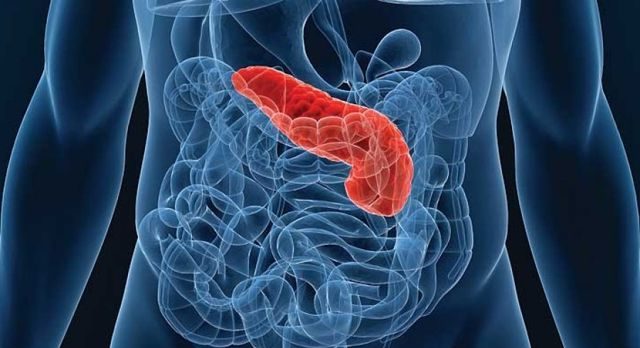
Many people ask where insulin comes from inside the body. In humans, Diabetes Articles provide broader context on endocrine function, but here’s the core: insulin is made by pancreatic beta cells in the islets of Langerhans. Inside these cells, insulin is synthesized as preproinsulin, processed to proinsulin, then cleaved into active insulin plus C‑peptide. Granules store the hormone until glucose signals release.
That answers where is insulin produced at the organ level. Within the body, insulin is stored in secretory granules in beta cells before it enters the bloodstream. After a carbohydrate-containing meal, rising glucose closes potassium channels, opens calcium channels, and triggers granule fusion with the cell membrane. The result is a rapid, pulsatile insulin release that matches nutrient inflow.
Endogenous Secretion Pathway
Clinically, the stimulus–secretion coupling is precise. First-phase insulin limits the initial glucose spike, and second-phase insulin supports ongoing uptake. In addition, incretin hormones from the gut amplify secretion after oral intake. This system allows fine-tuned responses to both meal size and composition.
Biomanufacturing Basics
Pharmaceutical insulin today is produced by recombinant DNA methods using yeast or E. coli. Manufacturers insert the human insulin gene, harvest the protein, and purify it to medical standards. Analogs are created by small amino acid changes to alter onset and duration. This commercial production provides consistent, high-purity products for clinical use. For a deeper dive into intermediate formulations, see NPH Insulin Overview for examples of how protamine changes absorption.
Tip: If you manage pet diabetes, insulin options differ by species. See Managing Pet Diabetes for practical insights on dosing schedules in animals, and ProZinc Vial for an overview of a veterinary insulin, useful when discussing feline therapy with your veterinarian.
Clinical Relevance in Diabetes Care
In both type 1 diabetes and some type 2 cases, insulin therapy remains central. It directly answers the question does insulin lower blood sugar by increasing cellular glucose uptake and restraining liver glucose output. In type 1, endogenous production is absent, so replacement is lifelong. In type 2, progressive beta‑cell decline and insulin resistance often require staged intensification.
Clinicians consider patterns, risks, and comorbidities when starting or adjusting insulin. Rather than a single threshold for what blood sugar level requires insulin, decisions weigh fasting and post-meal trends, A1C, and hypoglycemia risk. For background on titration concepts, see Insulin Dosage Chart for a structured view of dosing categories, not for self-adjustment. Current professional recommendations are summarized in the ADA Standards of Care, which discuss when to consider insulin in type 2.
Basal insulin covers background needs, while prandial insulin targets meal spikes. Some patients use premixed formulations for simplicity. To compare those strategies, see Premixed Insulin Guide for how mixtures balance convenience and flexibility, and How Lantus Works to understand a long-acting option’s steady profile.
Types of Insulin and Structure Basics
Insulin’s protein design underlies how different products act. The structure of insulin includes two peptide chains (A and B) linked by disulfide bonds. Modifying amino acids or attaching fatty acids changes how quickly it absorbs, how long it lasts, and how it binds to tissues. These changes create distinct clinical tools for different timing needs.
Common clinical categories include rapid-acting, short-acting, intermediate-acting, and long-acting insulins, along with premixed combinations. Many people describe this as the five primary types used in practice, although product names vary by region. For formulation specifics and patient examples, review Premixed Insulin Guide for timing trade-offs, and NPH Insulin Overview for an intermediate baseline option that supports overnight coverage.
Note: Injection technique and needle choice affect absorption and comfort. For device selection and sizing considerations, see BD Needles Types for a concise review of common needle gauges and lengths used with pens and syringes.
Safety, Side Effects, and Practical Use
Like all therapies, insulin has risks and benefits. The most common concerns are hypoglycemia, weight gain, and local reactions at the injection site. The phrase side effects of insulin injection covers these issues, which vary by dose, timing, and patient factors. Rotating sites, matching meals to dose, and using appropriate needles may reduce many problems.
Is insulin harmful when used correctly? In routine care, it is safe and effective under medical supervision. Most issues arise from mismatched timing, insufficient carbohydrate intake, or missed monitoring. Recognizing early hypoglycemia signs—shakiness, sweating, confusion—helps you act promptly. For practical background on selecting long-acting options and minimizing lows, see How Lantus Works to understand steady basal profiles, and consult the NIDDK hypoglycemia guidance for recognized symptoms and response steps.
Injections can be given subcutaneously in the abdomen, thigh, or upper arm. Pens improve ease and precision, while syringes offer flexibility. Different regimens coordinate basal and prandial doses. If you care for animals, formulations and dosing differ across species; the article Humulin N for Dogs explains veterinary use cases, and Managing Pet Diabetes outlines monitoring tips that parallel human strategies.
Recap
Insulin enables cells to use and store nutrients, while glucagon maintains fuel between meals. Together, they protect metabolic balance and reduce glucose swings. Understanding these roles supports safer daily decisions and more informed conversations with your care team. For further reading across therapies and devices, browse our Diabetes Products category to see how treatment components fit together.
This content is for informational purposes only and is not a substitute for professional medical advice.


