
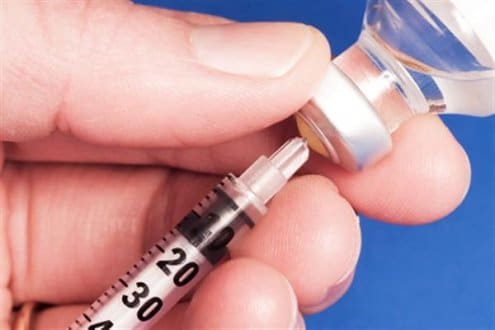
Type 1 diabetes medications mainly replace insulin the body can no longer make. Most people need a basal insulin for background coverage and a bolus insulin for meals and corrections. Some adults may use an adjunct medicine or an insulin pump, but insulin remains the core treatment.
This matters because type 1 diabetes treatment is not a single prescription. It is a plan that combines medication, glucose monitoring, food timing, activity, sick-day rules, and education. The right regimen depends on age, daily schedule, hypoglycemia risk, access to supplies, and the support of a diabetes care team.
Key Takeaways
- Insulin is essential: Type 1 diabetes requires insulin replacement.
- Basal and bolus roles differ: One covers background needs; the other covers meals.
- Devices can help: Pumps and CGMs can support safer adjustments.
- Adjuncts are selective: Non-insulin medicines need careful risk review.
- Education lowers risk: Storage, timing, ketone checks, and site rotation matter.
How Type 1 Diabetes Medications Fit Into Care
Type 1 diabetes develops when the immune system damages pancreatic beta cells, which make insulin. Without enough insulin, glucose stays in the bloodstream instead of moving into cells for energy. Insulin replacement prevents dangerous hyperglycemia and lowers the risk of diabetic ketoacidosis, often called DKA.
Most regimens use two insulin roles. Basal insulin covers steady background needs between meals and overnight. Bolus insulin covers carbohydrates at meals and corrects high readings when appropriate. This basal-bolus structure can be delivered through multiple daily injections or through a pump that infuses rapid-acting insulin.
People often ask about the best medicine for diabetes type 1. In general, insulin is the first-line and essential medicine. The best specific insulin plan varies by glucose patterns, meal timing, activity, cost, insurance or cash-pay constraints, and comfort with technology. A clinician can help match those factors to safe options.
For a deeper explanation of the two main insulin roles, see Basal vs Bolus Insulin. That comparison can make prescription labels and daily dosing instructions easier to understand.
Medication Names You May See on Prescriptions
Type 1 diabetes medication names usually refer to insulin classes, brand names, or delivery formats. The class tells you how quickly the insulin starts working and how long it tends to last. The brand or product name identifies the specific formulation and device.
Rapid-acting insulins are commonly used for meals and correction doses. Examples include insulin lispro, insulin aspart, and insulin glulisine. Some formulations are designed for faster mealtime use, but timing still depends on the product label and the care plan.
Long-acting and ultra-long-acting insulins provide basal coverage. Examples include insulin glargine, insulin detemir, and insulin degludec. These products aim to provide steadier background insulin, although individual response and injection timing can still affect glucose patterns.
Human regular insulin and NPH insulin are older options. Regular insulin works more slowly than rapid-acting analogs. NPH has a more noticeable peak than many modern basal analogs. These medicines may still be used in some circumstances, especially when cost, access, or a specific clinical plan supports them.
For broader class context, Diabetes Medications List explains how diabetes drug categories differ. It is useful when comparing type 1 and type 2 medication lists, since many non-insulin drugs are not core therapy for type 1 diabetes.
Common insulin categories
| Insulin Category | Usual Role | Examples | Key Practical Point |
|---|---|---|---|
| Rapid-acting | Meals and corrections | Lispro, aspart, glulisine | Often taken near mealtime, depending on label and plan |
| Short-acting | Meals or corrections | Regular insulin | Slower onset and longer action than rapid analogs |
| Intermediate-acting | Basal coverage | NPH | Has a more noticeable peak and variable duration |
| Long-acting | Basal coverage | Glargine, detemir | Designed for steadier background insulin |
| Ultra-long-acting | Basal coverage | Degludec | May provide extended basal coverage |
Product pages can help readers identify delivery formats, but they should not replace clinical instructions. Examples include Humalog KwikPen, Lantus SoloStar Pens, and Tresiba FlexTouch Pens. Always follow the product label and your prescribed plan.
Basal-Bolus Injections, Pumps, and CGM Data
Type 1 diabetes treatment insulin can be delivered by injections or by an insulin pump. Both approaches can work well when the user has training, supplies, and a clear plan for meals, exercise, illness, and device problems.
Multiple daily injections usually combine one or two basal doses with rapid-acting or short-acting insulin at meals. This approach does not require wearing a pump. It does require attention to timing, injection sites, carbohydrate estimates, and correction instructions.
A type 1 diabetes insulin pump uses rapid-acting insulin to provide programmable basal rates and mealtime boluses. Pumps may help people with variable schedules, dawn phenomenon, frequent exercise, or a need for smaller dose increments. Pump use also requires infusion set changes, troubleshooting, and backup insulin plans if delivery fails.
Continuous glucose monitoring, or CGM, measures glucose in interstitial fluid under the skin. CGM trends can show whether glucose is rising, falling, or staying steady. Some pump systems use CGM data to adjust insulin delivery automatically within programmed limits. These systems can reduce some burden, but users still need training and regular review.
Why it matters: Device data can reveal patterns that fingerstick readings may miss.
The calculator below can help you estimate time in range from glucose readings or recorded time. It is a general tracking tool, not a treatment recommendation.
CGM Time-in-Range Summary
Summarise CGM percentages across very low, low, in-range, high, and very high glucose bands.
These calculations are for education only and do not replace clinical advice, diagnosis, or treatment. Always confirm medical decisions with a qualified healthcare professional.
If meal dosing is a major challenge, Prandial Insulin Types explains mealtime insulin differences. For background coverage questions, Basal Insulin Types reviews basal categories and common decision factors.
Adjunct Medicines and Newer Treatment Questions
Most type 1 diabetes medications are forms of insulin, but a few other therapies may appear in discussions. These options are not substitutes for insulin in established type 1 diabetes. They are considered only in specific situations and require careful monitoring.
Pramlintide is an amylin analog used as an adjunct to mealtime insulin in selected adults. It can affect post-meal glucose rises and appetite. It also requires careful education because mealtime insulin often needs adjustment to reduce hypoglycemia risk. Patients should not change insulin doses without clinician guidance.
SGLT2 inhibitors have been studied in type 1 diabetes, but they can increase the risk of euglycemic DKA, a form of ketoacidosis that can occur with glucose levels that are not extremely high. For that reason, their use in type 1 diabetes is limited and cautious. Ketone education is essential when these medicines are discussed.
Teplizumab is different from standard glucose-lowering treatment. It is an immune therapy used in certain people with stage 2 type 1 diabetes to delay progression to stage 3 disease. It is not a replacement for insulin once insulin deficiency is present. Eligibility depends on antibody status, glucose testing, age, and specialist assessment.
People may also take medicines for related cardiovascular or kidney risks, such as blood pressure or cholesterol medicines. These are not type 1 diabetes medications in the narrow sense, but they may be part of long-term risk management when clinically indicated.
Symptoms, Diagnosis, and Type 1 vs Type 2 Differences
Type 1 diabetes symptoms can develop quickly, especially in children and teenagers. Common signs include increased thirst, frequent urination, weight loss, fatigue, blurred vision, and increased hunger. Nausea, vomiting, abdominal pain, fruity breath, or rapid breathing can suggest DKA and need urgent medical care.
Adults can also develop autoimmune diabetes. Some adults progress more slowly and may initially look similar to people with type 2 diabetes. This overlap makes diagnosis more than a visual judgment about age or body size.
The difference between type 1 and type 2 diabetes is mainly about the underlying problem. Type 1 involves autoimmune insulin deficiency. Type 2 usually involves insulin resistance, often with a gradual decline in insulin production over time. Because of this difference, type 1 requires insulin, while type 2 may start with lifestyle measures and non-insulin medications.
Diagnosis uses blood glucose or A1C results, symptoms, and sometimes additional tests. Clinicians may order islet autoantibodies and C-peptide, a marker of the body’s own insulin production. These tests can help distinguish autoimmune diabetes from type 2 diabetes or other forms.
Quick tip: Keep a written list of medicines, devices, and usual glucose targets for appointments.
For navigation across related condition resources, the Type 1 Diabetes collection groups educational posts by topic. The Type 1 Diabetes Condition page can also help readers browse relevant insulin-related product categories.
Daily Safety Skills That Make Treatment Work
Type 1 diabetes self-care turns a prescription into a safer daily routine. The core skills include checking labels, timing insulin around meals, rotating injection or infusion sites, storing supplies correctly, and knowing when to check ketones.
Storage matters because insulin can lose potency if it freezes, overheats, or remains in use beyond the product’s recommended window. Unopened insulin is commonly refrigerated, but in-use storage varies by product. Check the label or pharmacy instructions for each insulin you use.
Injection technique also affects absorption. Reusing the same small area can cause lipohypertrophy, which means thickened or lumpy tissue under the skin. Insulin may absorb unpredictably from these areas. Rotating sites within recommended injection zones can reduce this problem.
Sick-day planning is another safety priority. Illness, infection, dehydration, and missed insulin can raise ketone risk. Many care plans include guidance on fluids, glucose checks, ketone testing, and when to seek urgent help. People using pumps need a backup plan because pump interruption can lead to insulin deficiency faster than missed long-acting insulin.
Carbohydrate counting helps match mealtime insulin to food, but it is not always exact. Fat, protein, stress, alcohol, and activity can change glucose patterns. Registered dietitians and diabetes educators can help adjust meal strategies, especially during pregnancy, kidney disease, gastroparesis, eating disorder recovery, or repeated lows.
When reviewing insulin amounts, avoid using an online insulin dosage chart as a prescription. General charts can explain concepts, but individual dosing depends on body size, insulin sensitivity, meals, activity, illness, and prescriber instructions. For educational context only, see Insulin Dosage Chart.
Choosing a Plan With Your Care Team
A good plan starts with real-life patterns. Your clinician may ask about meal timing, school or work schedules, exercise, overnight lows, hypoglycemia awareness, and access to CGM or pump supplies. These details shape whether injections, pump therapy, or automated insulin delivery is realistic.
Ask which insulin each prescription represents: basal, mealtime, correction, or backup. Ask what to do if a dose is missed, if food intake changes, or if a pump site fails. Also ask which readings should trigger ketone testing or urgent care.
Costs and access can influence adherence. Some people compare insurance coverage, formularies, cash-pay options, or cross-border fulfilment where permitted and appropriate. CanadianInsulin.com functions as a prescription referral platform, and prescription details may be confirmed with the prescriber when required. Dispensing and fulfilment are handled by licensed third-party pharmacies where allowed.
Keep the treatment plan current. Insulin needs may change with growth, weight change, pregnancy, illness, steroid use, menstrual cycles, travel, shift work, or changes in activity. Regular review helps prevent small pattern changes from becoming repeated highs or lows.
Authoritative Sources
For a broad medical overview of insulin and other diabetes treatments, see the NIDDK insulin and medicines resource.
For current clinical standards on glucose targets, technology, and pharmacologic care, review the ADA Standards of Care 2024.
For information about immune therapy that may delay progression in selected people, see the CDC early type 1 diabetes treatment page.
Recap
Type 1 diabetes medications center on insulin replacement, usually through basal and bolus therapy. Pumps, CGMs, and automated systems can support care, but they do not remove the need for education and monitoring. Adjunct therapies may help selected people, yet they require careful risk review.
The safest next step is to understand the role of each medicine, keep written instructions, and review patterns with your care team. Seek urgent medical help for signs of DKA, severe hypoglycemia, confusion, vomiting, or breathing changes.
This content is for informational purposes only and is not a substitute for professional medical advice.


