
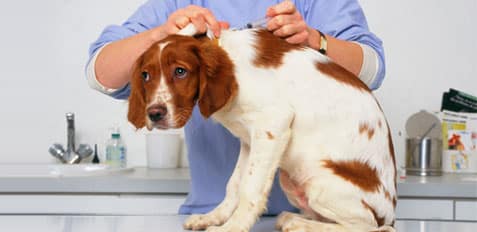
Managing insulin for dogs starts with clear, consistent routines. This guide explains practical steps on insulin types, dosing concepts, side effects, costs, and daily handling. It also covers monitoring, troubleshooting, and quality-of-life considerations, so you can work closely with your veterinarian.
Key Takeaways
- Daily insulin routine — plan meals and injections together.
- Monitoring basics — track appetite, water, urine, and energy.
- Hypoglycemia awareness — keep glucose rescue supplies ready.
- Product differences — lente, PZI, and NPH act differently.
- Cost planning — budget for insulin, syringes, and tests.
How Insulin for Dogs Works
Insulin lowers blood glucose by helping tissues absorb sugar for energy. In dogs with diabetes mellitus (sugar diabetes), the pancreas does not make enough insulin, so injections replace what is missing. You will often pair injections with consistent meals and timed exercise. This steady plan helps reduce swings and supports stable daily behavior.
Veterinary guidelines describe starting care, glucose tracking, and dose adjustments based on clinical signs and curves. For an overview of best-practice principles, see the AAHA diabetes guidelines, which outline monitoring goals owners and veterinarians may use. History matters too; for background on how insulin changed care, the concise Insulin Discovery article provides context for modern treatment steps.
Insulin Types and Delivery in Dogs
Most dogs receive intermediate-acting products such as porcine lente or human NPH. Porcine lente (brand examples vary by region) often matches canine insulin structure closely, which may help predictability. PZI (protamine zinc insulin) can be suitable for some dogs needing a longer profile. Your veterinarian selects a formulation based on response patterns, lifestyle, and your ability to monitor.
Owners often ask, is dog insulin the same as human insulin. Some human formulations (for example, NPH) are used in dogs, but they differ by source, concentration, and action profile. To see labeled details for a porcine lente option, review the Vetsulin label. If your dog uses lente insulin from a vial, the Caninsulin Vial page is a helpful reference for concentration and handling. When using cartridges, compare device fit and supply planning on Caninsulin Cartridges to align pens and refills. For device mechanics and changeover intervals, see Insulin Cartridges for storage and usability context. If a longer-acting veterinary product is considered, the ProZinc Vial page can help you understand concentration and duration discussions with your vet.
Dosing, Curves, and Home Monitoring
Initial dosing is individualized and guided by veterinary exam, body weight, and concurrent disease. Your veterinarian may adjust doses using serial blood glucose curves, fructosamine levels, and daily logs of appetite, thirst, urination, and energy. A dog insulin dosage chart can support education, but it never replaces individualized veterinary direction. Keep a simple diary that notes time of injection, dose, food amount, and any symptoms.
At home, you may check capillary glucose with a pet-calibrated meter. Your team may also use urine glucose/ketone strips to screen for trends, especially during changes. Tip: ask your clinic which meter, lancets, and technique they prefer before buying supplies. For step-by-step setup that many owners find practical, see Canine Diabetes Treatment for routine-building context.
Side Effects, Risks, and What To Do
Low blood sugar (hypoglycemia) is the most urgent risk. Signs can include trembling, weakness, disorientation, or seizures. If you observe severe symptoms, follow your clinic’s emergency plan and seek immediate care. High blood sugar with increased thirst, urination, and weight loss also signals poor control. These patterns require veterinary review and possible adjustments.
Owners should watch for symptoms of not enough insulin in dogs, such as persistent thirst, accidents, or recurrent urinary infections. Injection site irritation, rare allergic reactions, and weight changes can also occur. Technique matters: consistent sites, proper needle size, and calm handling reduce problems. For gauge and length selection, see Insulin Pen Needles for technique and sizing rationale. For brand-specific sizing and benefits, the BD Needles explainer outlines common choices across veterinary use.
Costs, Access, and Budgeting
Total cost includes insulin, syringes or pen needles, glucose testing supplies, and checkups. Prices vary by brand, region, and supply format. Discuss options that fit your budget, such as vial versus cartridge systems, and explore generic-equivalent human formulations only if your veterinarian recommends them. For product comparisons that often influence price, see Vetsulin vs Novolin for a neutral overview of formulation and availability.
Some owners research costco dog insulin when estimating monthly needs. Keep in mind that pharmacy programs change and may require prescriptions and stock checks. Plan ahead for seasonal demand and refills to avoid missed doses. For broader wellness reading that complements diabetes care, the Pet Health category offers additional topics you can review alongside your veterinarian.
Storage and Handling Essentials
Most insulin products require refrigeration before first use and controlled handling after opening. Do not freeze them, and avoid heat and direct sunlight. Check the label for in-use shelf life and discarding timelines; these vary by product and device. Suspensions like lente or PZI usually need gentle mixing before each dose; your veterinarian can demonstrate the proper technique.
Use new needles for every injection to reduce contamination and tissue irritation. Inspect insulin for clumps, discoloration, or particles that do not disperse with gentle rolling. If something looks off, set that vial or cartridge aside and contact your clinic. For device pros and cons that affect handling, review Insulin Cartridges again for storage thresholds and replacement cues, and confirm details on the specific product page you use.
Troubleshooting High Doses and Plateaus
Some dogs need higher doses over time due to infection, pancreatitis, obesity, or other endocrine issues. Your veterinarian may investigate diet composition, timing, injection accuracy, and concurrent medications. They may also check for insulin resistance causes like dental disease or skin infections. Glucose curves, fructosamine, and physical exams together help uncover patterns before a change is made.
When discussing a maximum insulin dose for dogs, remember this threshold depends on body weight, concurrent illness, and clinical response. If numbers climb steadily without improvement, your veterinarian may reassess insulin type, diet, or dosing schedule. They may also test for acromegaly or Cushing’s if resistance is suspected. Keep records of food, treats, and activity to support faster troubleshooting.
Quality of Life and End‑of‑Life Decisions
Good diabetic control should support stable weight, normal thirst and urination, and steady energy. However, advanced complications or severe comorbidities can impact comfort and function. Honest discussions help align care with your dog’s quality-of-life needs and your capacity to monitor and treat. Your veterinarian can outline palliative options and realistic goals.
Families sometimes ask when to put diabetic dog down during difficult periods. There is no single marker; decisions weigh pain, distress, repeated hospitalizations, and loss of joy. Tools like quality-of-life scales can guide thoughtful conversations. Revisit goals regularly, and include everyone who cares for your dog when planning next steps.
Recap
Successful diabetes care balances the right insulin, accurate dosing, and consistent monitoring. Understand product differences, handle insulin correctly, and track daily signs. Work closely with your veterinary team before making any changes. With a structured plan and steady follow-up, most dogs can live comfortably with diabetes.
This content is for informational purposes only and is not a substitute for professional medical advice.


