
Please note: a valid prescription is required for all prescription medication.
Edarbi
Edarbi: Buy With Prescription Basics and Safety


Edarbi is a prescription blood pressure medicine used to treat hypertension in adults. Some patients explore US shipping from Canada when cross-border options are permitted and appropriate. This page summarizes how the medication works, typical label-based use, key safety considerations, and practical handling basics.
What Edarbi Is and How It Works
This medicine contains azilsartan medoxomil, which is converted in the body to azilsartan. It belongs to the angiotensin II receptor blocker class, often shortened to ARB. Angiotensin II is a hormone that can tighten (constrict) blood vessels and raise blood pressure. By blocking angiotensin II at the AT1 receptor, this treatment helps blood vessels relax and can reduce blood pressure over time. Lowering blood pressure matters because long-term hypertension increases the risk of stroke, heart attack, heart failure, and kidney problems. For broader context, you can browse the Hypertension Hub and the Cardiovascular Hub.
CanadianInsulin.com provides prescription referral support rather than dispensing medications. ARBs are commonly used as single-drug therapy or alongside other antihypertensive classes when one medication is not enough. People may respond differently based on salt intake, other conditions, and concurrent drugs. If needed, prescription details can be verified with your prescriber. In day-to-day terms, the goal is steadier blood pressure control with a regimen that is tolerated and fits the person’s overall care plan.
Who It’s For
This medication is indicated for the treatment of hypertension (high blood pressure) in adults. It may be considered when lifestyle measures alone are not sufficient, or when a clinician prefers an ARB based on a person’s history. ARBs are often chosen when cough has occurred with an ACE inhibitor, though class selection depends on clinical factors and local guidance. Hypertension frequently overlaps with diabetes and kidney disease; for related background, see Diabetes And High Blood Pressure.
It is not appropriate for everyone. ARB medicines have a well-known pregnancy warning because drugs that affect the renin-angiotensin system can harm a developing fetus. People with a history of serious hypersensitivity (allergic) reactions to azilsartan should not use it. Clinicians also use extra caution in patients who are volume depleted (for example, from vomiting, diarrhea, or high-dose diuretics), because blood pressure can drop too low. Kidney artery narrowing (renal artery stenosis) and advanced kidney disease can change risk, so medical supervision and monitoring are important.
Dosage and Usage
For adults, dosing is typically once daily, and the tablet can generally be taken with or without food. The label-referenced usual dose is 80 mg once daily, with 40 mg once daily considered for certain patients, such as those who may be volume depleted. The maximum recommended dose is generally 80 mg per day. Clinicians may adjust therapy based on blood pressure response and tolerability, and sometimes add another antihypertensive class rather than increasing beyond label limits. Follow the prescriber’s instructions and the product labeling; do not change your dose without clinical guidance.
Quick tip: If you track home readings, record the time and posture (seated/standing).
If a dose is missed, many labels advise taking it when remembered unless it is close to the next dose; the safest approach is to follow the specific directions provided by the prescriber or pharmacist. Because dizziness can occur, especially early in treatment or after dehydration, it can help to stand up slowly and stay hydrated unless a clinician has advised fluid restriction. People managing multiple conditions may find it helpful to review overall care steps in resources like Managing Diabetes And Hypertension, since blood pressure targets and monitoring plans may differ by comorbidity.
Strengths and Forms
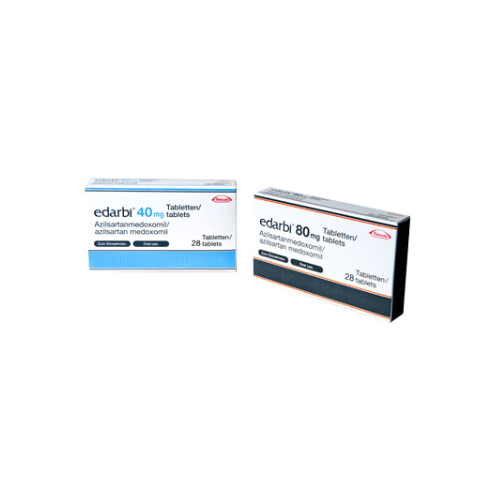
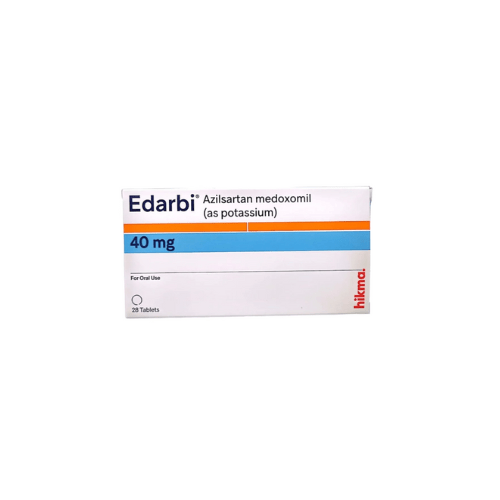
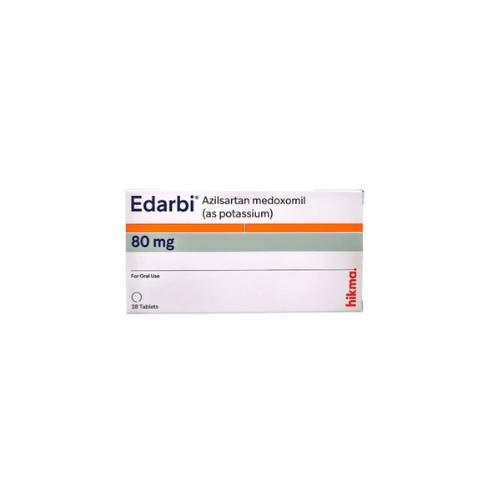
This medicine is supplied as oral tablets. In many markets, azilsartan medoxomil tablets are commonly available in 40 mg and 80 mg strengths. Availability can vary by jurisdiction and by the specific pharmacy source, and some formularies may list different package configurations. If you see references to strengths that differ from your prescription, confirm the exact product name and labeling with a pharmacist, since look-alike names and combination products can be confused.
The tablet form is designed for routine daily use rather than “as needed” dosing. Do not split or crush a tablet unless a pharmacist confirms it is appropriate for your exact product, since altering tablets can affect dose accuracy. If there is difficulty swallowing pills, clinicians may choose a different blood pressure agent or a different formulation. When comparing options, it can help to browse educational collections like Cardiovascular Articles for general context on common cardiovascular medicines and monitoring topics.
Storage and Travel Basics
Store tablets at controlled room temperature and keep the product in its original container unless a pharmacist provides an appropriate alternative. Protect the medicine from excess moisture and heat, since bathrooms and hot cars can be problematic storage locations. Keep all medications out of reach of children and pets. Check the label for the specific temperature range and for any handling instructions that may apply to your particular package.
For travel, carry medicines in a labeled container and keep them in a carry-on bag if flying, rather than checked luggage. This reduces exposure to temperature extremes and helps maintain access if baggage is delayed. If you use a pill organizer, keep the original bottle and prescription label available for verification if needed. It can also be useful to carry an updated medication list that includes drug names, doses, and allergies, especially when traveling across time zones or when multiple prescribers are involved.
Side Effects and Safety
Many people tolerate ARBs well, but side effects can occur. Commonly reported effects may include dizziness, lightheadedness, fatigue, or symptoms related to lower blood pressure, particularly when starting therapy or after dehydration. Some patients notice gastrointestinal upset, though this is not universal. Because ARBs affect kidney blood flow and aldosterone signaling, lab changes can occur, including increased potassium (hyperkalemia) and changes in kidney function markers. Clinicians may check blood pressure along with periodic blood tests based on baseline risk, other medicines, and any symptoms.
Why it matters: ARB medicines can cause fetal harm; notify a clinician right away if pregnancy occurs.
More serious reactions are uncommon but important to recognize. Seek urgent evaluation for signs of angioedema (rapid swelling of face, lips, tongue, or throat), severe fainting, or symptoms of very low blood pressure such as confusion or inability to stay upright. People with chronic kidney disease may need closer monitoring; background reading on Diabetic Kidney Disease and Diabetes And Kidney Damage can help patients understand why labs and blood pressure are monitored together. Report persistent or worsening symptoms to a healthcare professional, especially if they follow vomiting, diarrhea, or major changes in fluid intake.
Drug Interactions and Cautions
Edarbi can interact with other drugs that affect kidney function, potassium balance, or blood pressure. Nonsteroidal anti-inflammatory drugs (NSAIDs) may reduce blood-pressure-lowering effect in some people and can increase kidney risk, especially with dehydration or existing kidney disease. Potassium supplements and potassium-containing salt substitutes can raise the risk of hyperkalemia. Other drugs that act on the renin-angiotensin system (such as ACE inhibitors or aliskiren) may increase side effects in certain populations; clinicians evaluate whether combinations are appropriate based on the person’s diagnoses and current labs.
Diuretics, alcohol, and medicines that cause sedation can add to dizziness or orthostatic symptoms in some patients. Lithium levels may be affected by ARBs, so clinicians may monitor more closely if lithium is used. Always share a current medication list, including over-the-counter pain relievers and supplements, with the prescribing clinician and pharmacist. If affordability pressures lead someone to consider changing nonprescription products or supplement routines, practical planning resources like Low Income Prescription Help can support safer conversations with the care team.
Compare With Alternatives
Several medication classes are used to treat hypertension, and selection is individualized. Within the same class, other ARBs include losartan, valsartan, and olmesartan. Outside the ARB class, common options include ACE inhibitors (such as lisinopril), calcium channel blockers (such as amlodipine), and thiazide-type diuretics (such as hydrochlorothiazide or chlorthalidone). Each class has its own side-effect profile, monitoring needs, and cautions, so a “best” choice depends on clinical context.
When comparing alternatives, clinicians often consider kidney function, potassium levels, pregnancy potential, history of cough or angioedema, and whether a second agent is needed for better control. The presence of diabetes, chronic kidney disease, or cardiovascular disease can also influence first-line choices and add-on therapy decisions. For broader browsing by category, the Cardiovascular Hub may help patients see what types of therapies exist, while clinician guidance remains central to safe selection.
Pricing and Access
Coverage and out-of-pocket amounts for prescription blood pressure medicines vary by plan, region, and pharmacy source. Factors that can affect access include whether a plan requires prior authorization, whether a generic is available under the plan’s formulary, and whether the prescription is written for a specific brand or for azilsartan medoxomil. People paying without insurance may also see different totals depending on dispensing fees and the number of tablets supplied. Budget-focused education such as Low Income Medication Options can help patients prepare questions for the pharmacy and clinician.
Dispensing is completed by licensed third-party pharmacies where permitted. In some cases, documentation and prescription verification are needed before a prescription can be processed, particularly when patients explore cross-border fulfilment depending on eligibility and jurisdiction. If you are reviewing general site updates related to programs, you can reference Promotions Information as a non-clinical overview. For safety, do not substitute tablets or change strengths based on availability alone; confirm any proposed change with a pharmacist and prescriber to avoid dosing errors or unintended interactions.
Authoritative Sources
For official prescribing details and labeling, consult the drug monograph on DailyMed Edarbi Search Results.
For background on hypertension and risk reduction, see the patient resources from the American Heart Association High Blood Pressure.
When permitted, licensed pharmacy partners may use prompt, express, cold-chain shipping based on product handling requirements.
This content is for informational purposes only and is not a substitute for professional medical advice.
Express Shipping - from $25.00
Shipping with this method takes 3-5 days
Prices:
- Dry-Packed Products $25.00
- Cold-Packed Products $35.00
Standard Shipping - $15.00
Shipping with this method takes 5-10 days
Prices:
- Dry-Packed Products $15.00
- Not available for Cold-Packed products
What is azilsartan medoxomil and how does it lower blood pressure?
Azilsartan medoxomil is the active ingredient in an ARB (angiotensin II receptor blocker). After you take it, the body converts it to azilsartan, which blocks the action of angiotensin II, a hormone that can tighten blood vessels. Blocking this pathway helps blood vessels relax, which can lower blood pressure. Like other ARBs, it is typically used as a daily maintenance medicine. Your clinician chooses therapy based on overall cardiovascular risk, other conditions, and how well you tolerate treatment.
How long does it take for blood pressure medicines to work?
Many blood pressure medicines begin lowering blood pressure after the first doses, but the full effect can take longer and may vary by person. Clinicians often look at patterns over days to weeks rather than a single reading, especially if home measurements are used. Illness, dehydration, pain, stress, and other medications can temporarily change readings. Follow the monitoring plan your clinician recommends and share your log, including time of day and symptoms such as dizziness, so adjustments can be made safely if needed.
What side effects should I watch for with ARBs?
Common effects with ARBs can include dizziness or lightheadedness, particularly after standing up or if you are dehydrated. Less commonly, lab changes may occur, such as higher potassium or changes in kidney function tests, which is why monitoring may be recommended. Seek urgent evaluation for swelling of the face, lips, tongue, or throat (possible angioedema), fainting, or severe weakness. Contact a clinician promptly if you develop persistent vomiting or diarrhea, since volume depletion can increase low blood pressure risk.
What labs or monitoring are usually needed?
Monitoring depends on your health history and other medicines. Clinicians commonly check blood pressure response and may order blood tests to assess kidney function and potassium, especially after starting therapy, after dose changes, or if you take diuretics, NSAIDs, or potassium supplements. People with chronic kidney disease, heart failure, or diabetes may need closer follow-up. Report symptoms such as muscle weakness, palpitations, or unusual fatigue, since these can sometimes relate to blood pressure or electrolyte changes.
Can I take this medicine with NSAIDs or potassium supplements?
NSAIDs (such as ibuprofen or naproxen) can affect kidney blood flow and may reduce the blood-pressure-lowering effect in some patients, particularly when dehydrated or when kidney function is already reduced. Potassium supplements and potassium-based salt substitutes can increase the risk of high potassium when combined with an ARB. This does not mean they are always prohibited, but they should be reviewed with a clinician or pharmacist. Always disclose over-the-counter products and supplements before starting therapy.
What should I ask my clinician or pharmacist before starting?
Bring an updated list of your prescription medicines, over-the-counter pain relievers, and supplements. Ask whether any of your current drugs increase potassium or affect kidney function, and whether baseline labs are recommended. Discuss pregnancy potential and contraception, since ARBs have a serious pregnancy warning. If you have kidney disease, frequent dehydration, or take diuretics, ask about dizziness risk and what symptoms should trigger a call. Also confirm how to handle missed doses and when to check home blood pressure readings.
Rewards Program
Earn points on birthdays, product orders, reviews, friend referrals, and more! Enjoy your medication at unparalleled discounts while reaping rewards for every step you take with us.
You can read more about rewards here.
POINT VALUE
How to earn points
- 1Create an account and start earning.
- 2Earn points every time you shop or perform certain actions.
- 3Redeem points for exclusive discounts.
You Might Also Like
Select options
This product has multiple variants. The options may be chosen on the product page
Select options
This product has multiple variants. The options may be chosen on the product page
Select options
This product has multiple variants. The options may be chosen on the product page
Select options
This product has multiple variants. The options may be chosen on the product page
Related Articles
Diabetes, Type 1
Blood Sugar Normal Range Chart: How to Read Key Numbers
A blood sugar normal range chart gives you a quick way to compare fasting, before-meal, after-meal, and A1C numbers with common clinical cutoffs. It matters because the same glucose value…
Uncategorized
Clots and Period: When Menstrual Blood Clots Need Attention
The phrase clots and period usually refers to blood clots that pass during menstruation. In many cases, small clots on the heaviest days are a normal result of brisk bleeding.…
Diabetes, Type 1
Type 1 Versus Type 2 Diabetes: Symptoms, Causes, and Care
type 1 versus type 2 diabetes comes down to why blood sugar rises. In type 1, the immune system destroys insulin-making cells in the pancreas, so the body makes little…
Gastrointestinal
Over the Counter Anti Nausea Medication: Options and Limits
Over the counter anti nausea medication can help when nausea comes from motion sickness, mild stomach upset, or short-term digestive irritation. It is not one drug class, and there is…