
Please note: a valid prescription is required for all prescription medication.
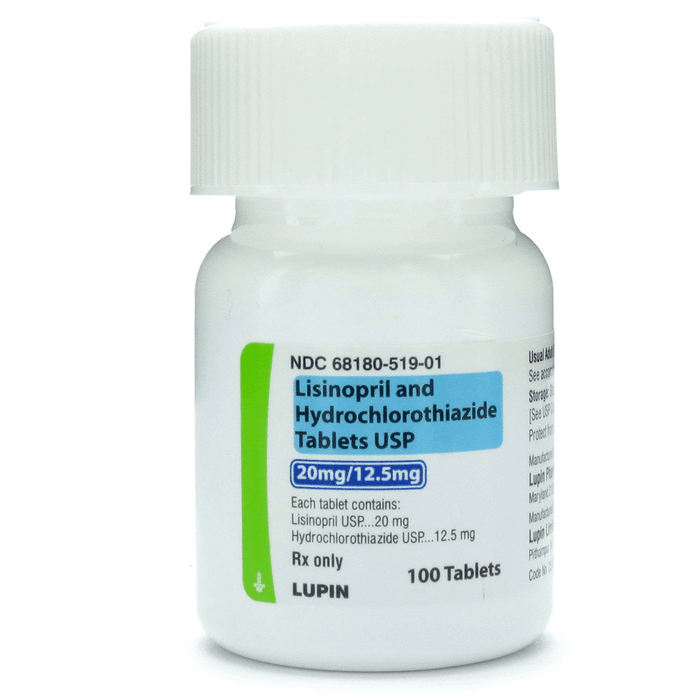
Lisinopril/HCTZ (Type Z)
Buy Lisinopril/HCTZ (Type Z) Online


Lisinopril/HCTZ (Type Z) combines lisinopril and hydrochlorothiazide in one tablet for ongoing blood pressure treatment. You can buy Lisinopril/HCTZ (Type Z) online, view the current price shown during ordering, and choose the strength that matches your clinician’s directions. If the order path includes US delivery from Canada, use the medicine name, strength, and quantity shown during checkout to avoid selecting a single-ingredient blood pressure tablet by mistake.
This combination is also described as lisinopril and hydrochlorothiazide, Lisinopril HCTZ, or Lisinopril Hydrochlorothiazide. Some customers may recognize related brand names such as Zestoretic or Prinzide, but the active ingredients, tablet strength, manufacturer, and quantity are the details that matter for a safe product match.
Lisinopril HCTZ Type Z Price and Strength Selection
The Lisinopril HCTZ price should be read together with the tablet strength and total quantity. A different total at checkout may reflect a different supply size, a different strength, handling steps, or cash-pay status rather than a simple price change for the same medicine.
Lisinopril HCTZ tablets use two numbers because the medicine contains two active ingredients. When strengths such as 10/12.5 mg, 20/12.5 mg, or 20/25 mg appear, the first number refers to lisinopril and the second number refers to hydrochlorothiazide. Do not add the two numbers together or treat the tablet as one combined dose.
Quick tip: Keep your clinician’s written strength and directions nearby while choosing the tablet strength and quantity.
Lisinopril HCTZ cost can also differ when paying without insurance. If you are comparing cash-pay choices, focus on the exact strength, total tablets, manufacturer name when shown, and the final total presented before checkout. For broader condition browsing, the hypertension collection can help you place this combination among other blood pressure medicines.
| Ordering Detail | What to Match |
|---|---|
| Active ingredients | Confirm both lisinopril and hydrochlorothiazide are included. |
| Strength | Read the first number as lisinopril and the second as hydrochlorothiazide. |
| Quantity | Use the total tablet count for refill planning and cost comparison. |
| Manufacturer | Check the supplier name if your clinician specified one. |
| Form | Confirm the medicine is the combination tablet, not lisinopril alone. |
How to Order This Combination Online
Choose the Lisinopril Hydrochlorothiazide strength and tablet count that match your current directions, then complete the required patient and contact information during checkout. We may help review order details when additional clarification is needed, and products are supplied through licensed pharmacies.
Order screens may use abbreviations such as HCTZ. HCTZ stands for hydrochlorothiazide, the diuretic part of the combination. Read the medicine name carefully, especially if you also use or have used other cardiovascular medicines.
If your order includes US shipping from Canada, verify the name, quantity, address, and contact details before placing the order. The shipping phrase shown in the order flow is the best place to review handling details, including prompt, express, cold-chain shipping language if it appears for the transaction.
Why it matters: Lisinopril/HCTZ is not the same as lisinopril alone unless your clinician changes the therapy.
What Lisinopril/HCTZ Treats
Lisinopril/HCTZ is used for hypertension, which means high blood pressure. Blood pressure control usually requires ongoing treatment, home readings when recommended, lifestyle measures, and follow-up with a clinician. This medicine is not intended for emergency treatment of very high blood pressure or sudden symptoms.
Lisinopril is an angiotensin-converting enzyme inhibitor, often called an ACE inhibitor. ACE inhibitors help relax blood vessels so blood can move with less resistance. Hydrochlorothiazide is a thiazide diuretic, often called a water pill, that helps the body remove extra salt and water through urine.
The combination can be useful when a clinician wants both mechanisms in one tablet. It may simplify a routine for some people compared with taking two separate tablets, but the combined tablet also means both active ingredients are taken together each time.
Type Z is a product designation for this lisinopril and hydrochlorothiazide combination. It does not identify a separate blood pressure disease, a new drug class, or a special emergency-use version of the medicine.
Generic Zestoretic, Prinzide, and Active Ingredient Names
Lisinopril/HCTZ may be discussed as generic Zestoretic or generic Prinzide because those brands contain the same two active ingredients. Brand and generic naming can vary by market, manufacturer, and packaging, so use the active ingredients and strength as the practical comparison point.
Generic wording does not mean every tablet looks the same. Inactive ingredients, markings, color, shape, and manufacturer may differ. If a manufacturer such as Sanis is shown, use that detail to distinguish it from another lisinopril and hydrochlorothiazide tablet with the same strength.
If your clinician specified a brand, manufacturer, or substitution instruction, follow that direction. If the tablet appearance changes after a refill, ask a pharmacist to confirm the medicine before taking it.
Tablet Details and Daily Use Basics
Many people take lisinopril and hydrochlorothiazide as part of a daily blood pressure routine. Follow the timing and dose directions provided by your clinician. Do not split, double, or skip tablets to adjust blood pressure readings unless a clinician gives you specific instructions.
The hydrochlorothiazide component can increase urination. Some people prefer taking diuretics earlier in the day because nighttime urination can interrupt sleep, but timing should be individualized by a clinician or pharmacist. Fluid intake, salt intake, heat exposure, and illness can affect blood pressure and hydration.
Home blood pressure monitoring may be recommended. Bring readings to appointments if your care team asks for them. Dizziness after standing, unusual weakness, or very low readings should be discussed promptly, especially after starting therapy or after a strength change.
For more cardiovascular treatment context, the cardiovascular articles category can support general questions about heart and blood pressure care. Use clinical instructions for personal dosing decisions.
Storage, Handling, and Travel
Lisinopril Hydrochlorothiazide tablets are typically stored at controlled room temperature, away from excess heat and moisture. Keep tablets in the original container unless a pharmacist provides different packaging instructions. The label helps identify the medicine during travel, clinic visits, and refill planning.
Avoid storing tablets in a bathroom cabinet if moisture is a concern. Keep the container closed and out of reach of children and pets. If tablets appear wet, crumbled, discolored, or otherwise damaged, ask a pharmacist before using them.
When traveling, carry enough medication information to identify both active ingredients. Changes in time zones, meals, activity, alcohol use, heat, and fluid intake can affect routines and blood pressure. Keep the schedule your clinician gave you rather than creating a new one during travel.
Side Effects, Warnings, and Monitoring
Common side effects can include dizziness, lightheadedness, headache, tiredness, cough, stomach upset, and increased urination. These effects may be more noticeable when therapy begins, after a strength change, during hot weather, or when fluid intake changes.
Some reactions need urgent medical attention. Seek help for swelling of the face, lips, tongue, or throat; trouble breathing; fainting; severe weakness; very low urine output; signs of severe dehydration; or a severe skin reaction. Swelling involving the face or airway can suggest angioedema, a serious reaction associated with ACE inhibitors.
ACE inhibitors can harm an unborn baby when used during pregnancy. Tell a clinician about pregnancy plans, breastfeeding, kidney disease, liver disease, diabetes, gout, lupus, previous angioedema, sulfonamide allergy, or episodes of severe dehydration. These conditions can affect whether this combination is suitable and how closely monitoring is needed.
Lisinopril and hydrochlorothiazide can affect kidney function, blood pressure, and electrolytes such as potassium and sodium. Clinicians may order blood tests after starting treatment or changing strength. Report persistent vomiting, diarrhea, heavy sweating, or poor fluid intake because dehydration can increase the risk of low blood pressure and kidney problems.
Hydrochlorothiazide can increase sensitivity to sunlight in some people and may raise uric acid or affect blood sugar. Ask about sun protection, gout monitoring, and diabetes monitoring if those concerns apply to your health history.
Interactions to Review Before Use
Tell your clinician and pharmacist about all medicines, supplements, and non-prescription products you use. Important interactions can involve potassium supplements, salt substitutes containing potassium, potassium-sparing diuretics, lithium, aliskiren, angiotensin receptor blockers, other blood pressure medicines, and some diabetes treatments.
Nonsteroidal anti-inflammatory drugs, including ibuprofen and naproxen, may affect kidney function or blood pressure control in some people taking ACE inhibitors and diuretics. Occasional use may still need individual guidance, especially for people with kidney disease, dehydration risk, or multiple blood pressure medicines.
Alcohol, dehydration, and other medicines that lower blood pressure can increase dizziness or fainting risk. If you feel lightheaded when standing, sit or lie down and contact a clinician for guidance rather than changing the dose on your own.
How This Combination Differs From Related Blood Pressure Options
Lisinopril/HCTZ contains two active ingredients in one tablet. A single-ingredient lisinopril product contains only the ACE inhibitor and does not include the thiazide diuretic. A single-ingredient hydrochlorothiazide product contains only the diuretic.
Those distinctions matter when a clinician changes therapy, adjusts electrolyte monitoring, or tries to identify the cause of side effects. For example, cough is more commonly associated with ACE inhibitors, while increased urination is tied to the diuretic component. A combination tablet can make the routine simpler, but it also makes independent adjustment of each ingredient less flexible.
The cardiovascular products category can help you review medicine classes used in blood pressure and heart care. Do not substitute another class, a single-ingredient tablet, or a different combination unless a clinician changes the treatment plan.
When to Contact a Clinician
Contact a clinician if blood pressure remains above or below the target range provided to you, if dizziness interferes with daily activities, or if swelling, breathing trouble, fainting, or very low urine output occurs. Also ask for guidance during significant illness, dehydration, surgery planning, or major changes in diet and fluid intake.
If you miss a dose, follow the instructions provided by your clinician or pharmacist. Do not take extra tablets to make up for missed doses unless specifically told to do so. Keeping a consistent routine and refilling before the supply runs out can reduce missed-dose problems.
Ask whether kidney function, potassium, sodium, uric acid, or blood sugar should be monitored. Monitoring needs may differ for people with diabetes, gout, kidney disease, older age, or multiple medicines that affect blood pressure or electrolytes.
Authoritative Sources
Health Canada provides official product-identification information for this combination: Health Canada product record.
Use official labeling, pharmacist guidance, and clinician instructions for individualized dose, safety, interaction, and monitoring questions. Product names, manufacturers, and tablet appearance can vary across markets, so match the active ingredients and strength to your current treatment directions.
This content is for informational purposes only and is not a substitute for professional medical advice.
Blood Pressure Average Calculator
Average home blood pressure readings and show a simple screening range.
Average BP
-
entered readings only
Range
-
screening category
These calculations are for education only and do not replace clinical advice, diagnosis, or treatment. Always confirm medical decisions with a qualified healthcare professional.
Mean Arterial Pressure Calculator
Calculate estimated mean arterial pressure from systolic and diastolic blood pressure.
MAP
-
DBP + one-third pulse pressure
These calculations are for education only and do not replace clinical advice, diagnosis, or treatment. Always confirm medical decisions with a qualified healthcare professional.
Pulse Pressure Calculator
Calculate pulse pressure from systolic and diastolic blood pressure.
Pulse pressure
-
SBP - DBP
These calculations are for education only and do not replace clinical advice, diagnosis, or treatment. Always confirm medical decisions with a qualified healthcare professional.
eGFR Calculator
Estimate kidney filtration using the 2021 CKD-EPI creatinine equation.
eGFR
-
mL/min/1.73 m2
G category
-
requires clinical context
These calculations are for education only and do not replace clinical advice, diagnosis, or treatment. Always confirm medical decisions with a qualified healthcare professional.
Creatinine Clearance Calculator
Estimate creatinine clearance using the Cockcroft-Gault equation.
CrCl
-
mL/min estimate
These calculations are for education only and do not replace clinical advice, diagnosis, or treatment. Always confirm medical decisions with a qualified healthcare professional.
Express Shipping - from $29.99
Shipping with this method takes 3-5 days
Prices:
- Dry-Packed Products $29.99
- Cold-Packed Products $39.99
Standard Shipping - $19.99
Shipping with this method takes 5-10 days
Prices:
- Dry-Packed Products $19.99
- Not available for Cold-Packed products
What is Lisinopril/HCTZ (Type Z) used for?
Lisinopril/HCTZ (Type Z) is used for hypertension, or high blood pressure, when a clinician considers a combination ACE inhibitor and thiazide diuretic appropriate. It is for ongoing blood pressure management, not emergency treatment.
What do Lisinopril HCTZ strengths like 20/12.5 mg mean?
The first number is the lisinopril amount, and the second number is the hydrochlorothiazide amount. For example, 20/12.5 mg means 20 mg of lisinopril and 12.5 mg of hydrochlorothiazide in each tablet.
Is Lisinopril/HCTZ the same as lisinopril alone?
No. Lisinopril/HCTZ contains lisinopril plus hydrochlorothiazide, while lisinopril alone contains only the ACE inhibitor. Do not switch between them unless a clinician changes your treatment plan.
What side effects can Lisinopril/HCTZ cause?
Common side effects can include dizziness, lightheadedness, cough, headache, tiredness, stomach upset, and increased urination. Seek urgent help for facial or throat swelling, trouble breathing, fainting, severe weakness, or very low urine output.
Can Lisinopril/HCTZ be used during pregnancy?
ACE inhibitors such as lisinopril can harm an unborn baby and should not be used during pregnancy. Contact a clinician promptly if you become pregnant or are planning pregnancy while taking this medicine.
How should Lisinopril Hydrochlorothiazide tablets be stored?
Store the tablets at controlled room temperature, away from excess heat and moisture. Keep them in the labeled container unless a pharmacist gives different instructions, and keep the bottle away from children and pets.
Rewards Program
Earn points on birthdays, product orders, reviews, friend referrals, and more! Enjoy your medication at unparalleled discounts while reaping rewards for every step you take with us.
You can read more about rewards here.
POINT VALUE
How to earn points
- 1Create an account and start earning.
- 2Earn points every time you shop or perform certain actions.
- 3Redeem points for exclusive discounts.
You Might Also Like
Select options
This product has multiple variants. The options may be chosen on the product page
Select options
This product has multiple variants. The options may be chosen on the product page
Select options
This product has multiple variants. The options may be chosen on the product page
Select options
This product has multiple variants. The options may be chosen on the product page