

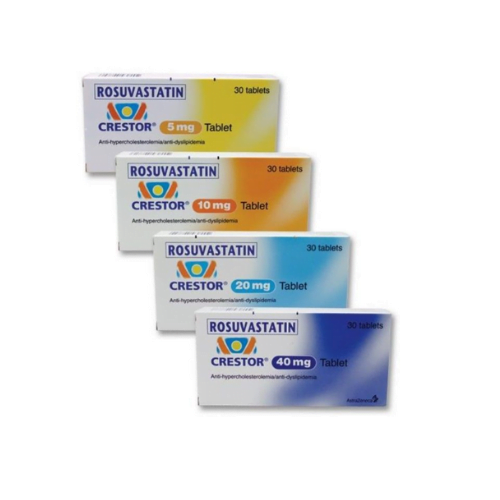
A valid prescription is required for this medication.
Compare prices. See your savings.
 Canadian comparison
Buy Rosuvastatin Online
Rx Prescription required Fast, secure shipping
Health tools
Research and education tools. They do not replace clinical advice, diagnosis, or treatment.
Cholesterol Ratio Calculator
Calculate common lipid ratios and non-HDL cholesterol from a standard cholesterol panel.
These calculations are for education only and do not replace clinical advice, diagnosis, or treatment. Always confirm medical decisions with a qualified healthcare professional.
LDL Cholesterol Calculator
Estimate LDL cholesterol from total cholesterol, HDL, and triglycerides using the Friedewald equation.
These calculations are for education only and do not replace clinical advice, diagnosis, or treatment. Always confirm medical decisions with a qualified healthcare professional.
Cholesterol Unit Converter
Convert cholesterol and triglyceride values between mg/dL and mmol/L.
These calculations are for education only and do not replace clinical advice, diagnosis, or treatment. Always confirm medical decisions with a qualified healthcare professional.
eGFR Calculator
Estimate kidney filtration using the 2021 CKD-EPI creatinine equation.
These calculations are for education only and do not replace clinical advice, diagnosis, or treatment. Always confirm medical decisions with a qualified healthcare professional.
Creatinine Clearance Calculator
Estimate creatinine clearance using the Cockcroft-Gault equation.
These calculations are for education only and do not replace clinical advice, diagnosis, or treatment. Always confirm medical decisions with a qualified healthcare professional.
About Rosuvastatin
Rosuvastatin is a statin medicine used in cholesterol care and cardiovascular risk management. It can be bought online by choosing the tablet strength and quantity shown during ordering, then matching those details to the directions from your clinician. If you are checking rosuvastatin 20 mg price information, compare the same strength, tablet count, and generic Crestor name before placing an order.
Rosuvastatin calcium tablets are the generic form of Crestor. The active ingredient, strength, quantity, storage needs, and safety profile matter more than tablet appearance, which can vary by manufacturer.
Rosuvastatin 20 mg Price and Tablet Selection
The rosuvastatin 20 mg price is most useful when it is compared against the same strength and the same tablet quantity. A lower total may reflect fewer tablets, while a larger quantity can change the refill interval and total amount due at checkout. Focus on the full product total for the strength you need, not only a per-tablet estimate.
Rosuvastatin calcium 20 mg cost can also vary by generic supplier, cash-pay handling, and quantity. If you are comparing rosuvastatin 20 mg cost without insurance, keep the tablet strength consistent across every comparison. A 20 mg tablet should be evaluated against another 20 mg tablet, not against 10 mg or 40 mg tablets.
| Detail | How to use it |
|---|---|
| Current total | Use the displayed amount for the strength and quantity chosen during ordering. |
| Tablet strength | Match 5 mg, 10 mg, 20 mg, or 40 mg tablets to the medicine label. |
| Quantity | Compare the same tablet count when judging total cost. |
| Generic name | Rosuvastatin calcium is the active ingredient in generic Crestor. |
| Cash-pay context | Cash-pay orders should still match the strength and directions you were given. |
Quick tip: Start with the mg strength, then compare quantity and total cost.
How to Buy Rosuvastatin Online
To buy rosuvastatin online, choose the tablet strength that matches your current medicine directions, review the tablet count, and enter accurate contact and order information. Do not switch strengths only because another total looks lower. Different strengths are separate medicines for ordering purposes, even when they contain the same active ingredient.
People seeking US delivery from Canada should use the same practical checks: active ingredient, strength, quantity, storage conditions, and safety cautions. Rosuvastatin tablets Ships from Canada to US may appear in service wording, but the medication details still need to match the directions you use at home.
- Match the active ingredient: Rosuvastatin calcium may appear as generic Crestor.
- Use the correct strength: Select the mg amount shown on your medicine label.
- Review quantity carefully: Tablet count affects total cost and refill planning.
- Check your information: Accurate contact and address details reduce avoidable order problems.
- Read safety information: Interactions and warnings matter before starting or refilling therapy.
This ordering path helps keep the medicine, quantity, and strength aligned. It is not a way to change how much rosuvastatin you take or how often you take it.
Tablet Strengths and Generic Crestor Details
Rosuvastatin calcium tablets contain a statin medicine. Statins reduce cholesterol production in the liver and help the liver remove LDL cholesterol from the blood. LDL is often called “bad” cholesterol because higher levels can contribute to plaque buildup in arteries.
Common rosuvastatin tablet strengths include 5 mg, 10 mg, 20 mg, and 40 mg. The strength describes the amount of active ingredient in each tablet. It does not describe the bottle size, refill timing, or the right daily amount for every person.
| Strength | Selection note |
|---|---|
| 5 mg tablets | A lower strength that may be used when a smaller daily amount is chosen. |
| 10 mg tablets | A common strength that should be matched to the medicine label. |
| 20 mg tablets | A separate strength often searched as generic rosuvastatin 20 mg. |
| 40 mg tablets | A higher strength used only when specifically directed by a clinician. |
Tablet color, shape, imprint, and manufacturer may change between refills. If the tablet looks different, compare the pharmacy label and ask a pharmacist if the imprint, active ingredient, or strength is unclear. Do not split, double, or combine tablets unless your label or pharmacist instructions specifically say to do so.
Brand Crestor and generic rosuvastatin contain the same active ingredient, rosuvastatin calcium. Market rules, supplier names, packaging, and substitution practices can differ by country, so use the medicine label and pharmacist instructions as the practical source for the product you receive.
What Rosuvastatin Treats
Rosuvastatin is used to lower LDL cholesterol, total cholesterol, and triglycerides, and it may raise HDL cholesterol. HDL is often called “good” cholesterol because it helps move cholesterol away from arteries. In appropriate patients, statin therapy may also lower the risk of certain cardiovascular events.
Rosuvastatin is commonly part of long-term care for high cholesterol, mixed lipid problems, and broader heart-health risk. The High Cholesterol category organizes related treatment areas, while the Cardiovascular Disease category groups medicines used across heart and vascular care.
This medicine is not for emergency treatment of sudden chest pain, stroke symptoms, or acute heart events. It usually works alongside food choices, activity, weight management, blood pressure care, diabetes control when relevant, and periodic blood tests. If triglycerides are also part of your lipid panel, the High Triglycerides category can help organize related condition information.
How This Statin Is Usually Taken
Rosuvastatin is commonly taken once daily, with or without food, according to the directions given for the individual treatment plan. Many people take statins at a consistent time each day to make missed doses less likely. Do not change timing, dose, or tablet strength without clinical guidance.
Cholesterol changes are measured through blood tests rather than daily symptoms. You may not feel different while rosuvastatin is working. That is why follow-up lipid panels are important after starting therapy or changing strength.
If a dose is missed, follow the instructions provided with your medicine or ask a pharmacist. Taking extra tablets to “catch up” can increase side effect risk and may not improve cholesterol control. Keep a current medicine list so clinicians can assess interactions when new drugs are added.
Storage, Handling, and Travel
Rosuvastatin tablets are usually stored at room temperature in a dry place. Keep the container tightly closed and away from excess heat, moisture, and direct light. A bathroom cabinet is often too humid for tablets, so a cool, dry location is usually better.
Inspect the package when it arrives. Do not use tablets that are wet, crushed, discolored, or past the labeled expiration date. Keeping tablets in the original labeled container helps confirm the medicine name, strength, and directions, especially during travel.
Rosuvastatin is not a cold-chain product and should not be handled like refrigerated insulin or injectable biologics. If travel is planned, keep enough tablets in carry-on baggage and avoid leaving them in a hot vehicle. For broader heart-health medicine browsing, the Cardiovascular Products category can help keep prescribed names and strengths organized.
Side Effects, Warnings, and Monitoring
Common side effects of rosuvastatin can include headache, nausea, stomach discomfort, constipation, muscle aches, weakness, and joint pain. Many people tolerate statins, but new, severe, or persistent symptoms should be taken seriously. Side effects can be more likely when higher strengths or interacting medicines are used.
Serious muscle problems are uncommon but possible. Contact a clinician promptly if unexplained muscle pain, tenderness, weakness, fever, dark urine, or unusual tiredness develops. These symptoms can require blood testing, especially if kidney disease, older age, higher statin strength, or interacting medicines are part of the picture.
Liver-related problems are also possible. Tell your clinician about liver disease, heavy alcohol use, or prior abnormal liver tests. Rosuvastatin should not be used by people with certain active liver problems or a known serious hypersensitivity reaction to the medicine. Pregnancy, planned pregnancy, and breastfeeding should be discussed with a clinician because statin treatment may need to be changed.
- Muscle symptoms: Report severe pain, weakness, or dark urine.
- Liver history: Share liver disease, alcohol concerns, or abnormal liver tests.
- Kidney function: Severe impairment may affect strength selection.
- Pregnancy or breastfeeding: Discuss whether therapy should continue.
- Allergy history: Avoid use after a serious reaction to rosuvastatin.
Why it matters: Safety checks help ensure the tablet strength fits the overall treatment plan.
Interactions and Lab Follow-Up
Some medicines can raise the risk of rosuvastatin side effects or require closer monitoring. Important examples include cyclosporine, gemfibrozil, some fibrates, colchicine, niacin, certain HIV or hepatitis C antivirals, and medicines that affect blood clotting such as warfarin. This is not a complete interaction list.
Antacids containing aluminum or magnesium may reduce rosuvastatin absorption if taken too close together. A pharmacist can explain timing if antacids are used regularly. Grapefruit is a major issue with some statins and is less central for rosuvastatin, but alcohol use, liver risk, and multiple medicines still deserve careful discussion.
Monitoring often includes cholesterol blood tests after therapy starts or changes. Liver tests may be checked before treatment and later when clinically needed. Creatine kinase testing may be considered if muscle symptoms occur. People with diabetes or diabetes risk factors may also have blood sugar monitored because statins can modestly affect glucose in some patients.
Comparing Related Cardiovascular Choices
Rosuvastatin is a cholesterol medicine, not a blood pressure drug, anticoagulant, diabetes medicine, or emergency heart treatment. If your clinician changes your plan, compare the exact medicine name, strength, and directions before choosing a different cardiovascular product.
Some people are switched between Crestor and generic rosuvastatin, while others stay with a specific manufacturer or brand for clinical, tolerance, or coverage reasons. The active ingredient is central, but the label, strength, quantity, and pharmacist instructions should guide every refill.
People taking several heart-health medicines may find the Cardiovascular Articles section useful for preparing questions about cholesterol, triglycerides, blood pressure, and long-term risk reduction. Keep educational reading separate from your actual dosing instructions, which should come from your current medicine label and clinician.
Authoritative Safety Sources
Patient medication summary: MedlinePlus Rosuvastatin. This source reviews precautions, side effects, interactions, and patient-use reminders in plain language.
Official medicine labeling, the pharmacy label, and clinician instructions should be used together. Online ordering information can help with strength, quantity, and cost comparisons, but individualized treatment decisions require professional guidance.
This content is for informational purposes only and is not a substitute for professional medical advice.
This content is for informational purposes only and is not a substitute for professional medical advice.
Two ways to ship
Cold-packed medications travel by Express shipping. Dry-packed medications can ship Express or Standard.
Earn points on every order
Earn points on birthdays, product orders, reviews, friend referrals, and more! Enjoy your medication at unparalleled discounts while reaping rewards for every step you take with us.
Register and/or Login
Create an account and start earning.
Earn Rewards
Earn points every time you shop or perform certain actions.
Redeem
Redeem points for exclusive discounts.
Ways to save
We stand behind our prices
We work hard to offer the very best available price. If you find a lower price on the same product, we will match it.
Learn how →Tiered pricingNew tiered pricing is here
Buy more and save more on the medications you trust: save 7% per pack when you buy 2, and 14% per pack when you buy 3 or more.
See tiered pricing →You might also like
View all →
Related articles
View all →
Humalog KwikPen Generic Options and Insulin Lispro Safety
A Humalog KwikPen generic search usually comes down to one key point: Humalog KwikPen contains insulin lispro, but insulin copies are not…
Read more →
Generic Wegovy: Availability, Costs, and Safer Comparisons
Generic Wegovy is not the same as any lower-cost semaglutide listing. In strict pharmacy language, a true generic must be approved as…
Read more →
Generic Ozempic: Key Checks Before You Compare Options
Generic ozempic usually means one of three things: an approved generic semaglutide product, a compounded semaglutide preparation, or a lower-cost alternative in…
Read more →
Rybelsus Generic Availability and Patient Access Questions
There is currently no FDA-approved rybelsus generic listed for routine pharmacy substitution in the United States. Rybelsus is the brand name for…
Read more →Speak to us
Our customer service team are highly experienced and friendly. Get in touch today.
What is rosuvastatin used for?
Rosuvastatin is a statin used to lower LDL cholesterol, total cholesterol, and triglycerides, and it may help raise HDL cholesterol. In appropriate patients, it may also reduce the risk of certain cardiovascular events as part of a broader treatment plan.
How should I compare rosuvastatin 20 mg price?
Compare rosuvastatin 20 mg price using the same tablet strength and quantity. A lower total may reflect fewer tablets, while a larger quantity can change the refill interval and total amount due.
Is rosuvastatin the same as Crestor?
Rosuvastatin calcium is the active ingredient in generic Crestor. Tablet appearance, manufacturer, and packaging may vary, so use the medicine label to confirm the active ingredient and strength.
What side effects should I watch for with rosuvastatin?
Common side effects can include headache, nausea, stomach discomfort, constipation, muscle aches, weakness, and joint pain. Seek clinical help promptly for severe muscle pain, weakness, dark urine, fever, or unusual tiredness.
Can rosuvastatin interact with other medicines?
Yes. Interactions may involve cyclosporine, gemfibrozil, some fibrates, colchicine, niacin, certain antiviral medicines, warfarin, and aluminum or magnesium antacids. Ask a pharmacist or clinician to review your full medicine list.
How should rosuvastatin tablets be stored?
Store rosuvastatin tablets at room temperature in a dry place, away from excess heat, moisture, and direct light. Keep tablets in the original labeled container when possible, especially during travel.
Speak to our team
 Call toll free1-844-560-7790
 Emailservice@canadianinsulin.com
Monday to Friday 7am – 11pm EST
Saturday 7am to 7pm EST
Sunday 8am – 5pm EST