
Please note: a valid prescription is required for all prescription medication.
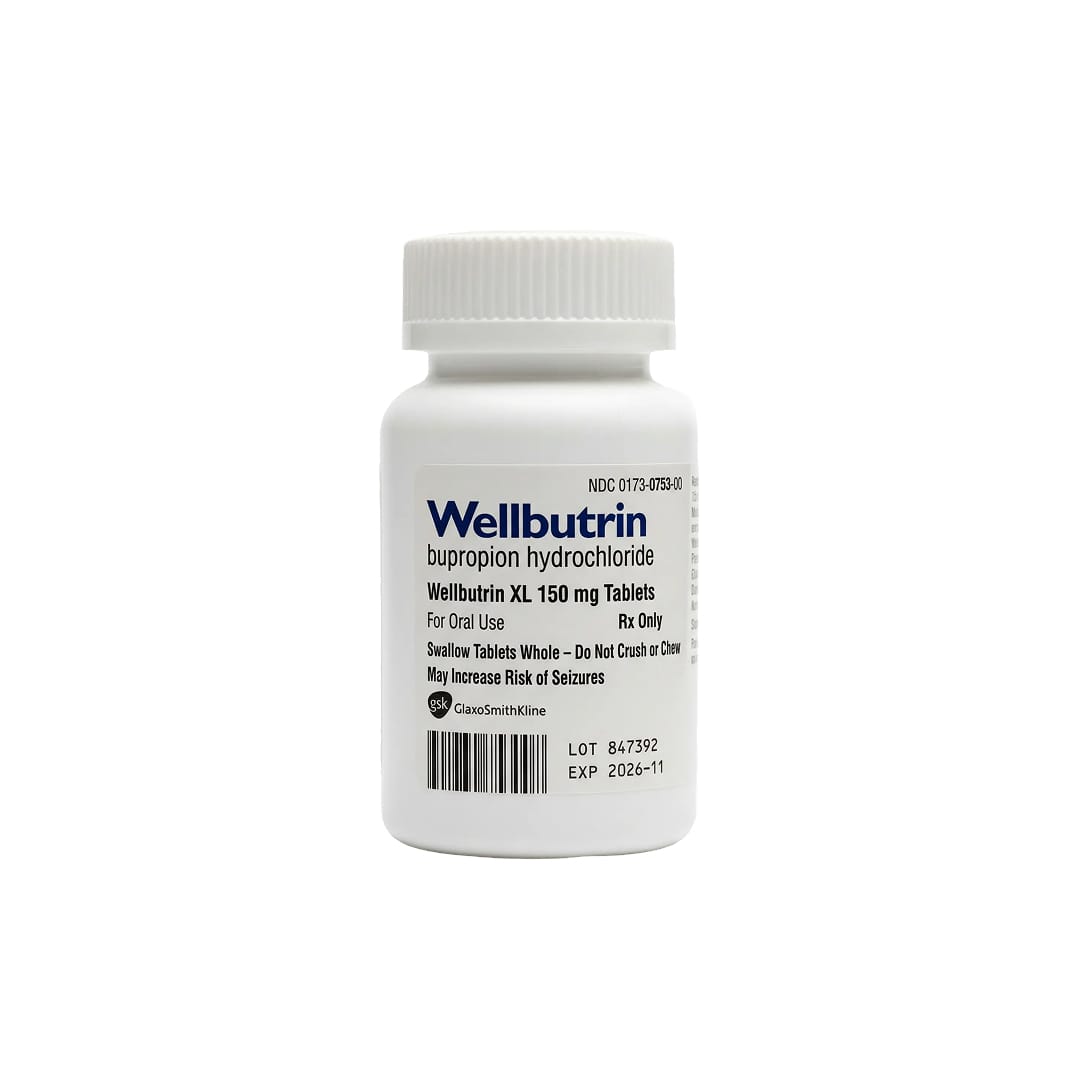
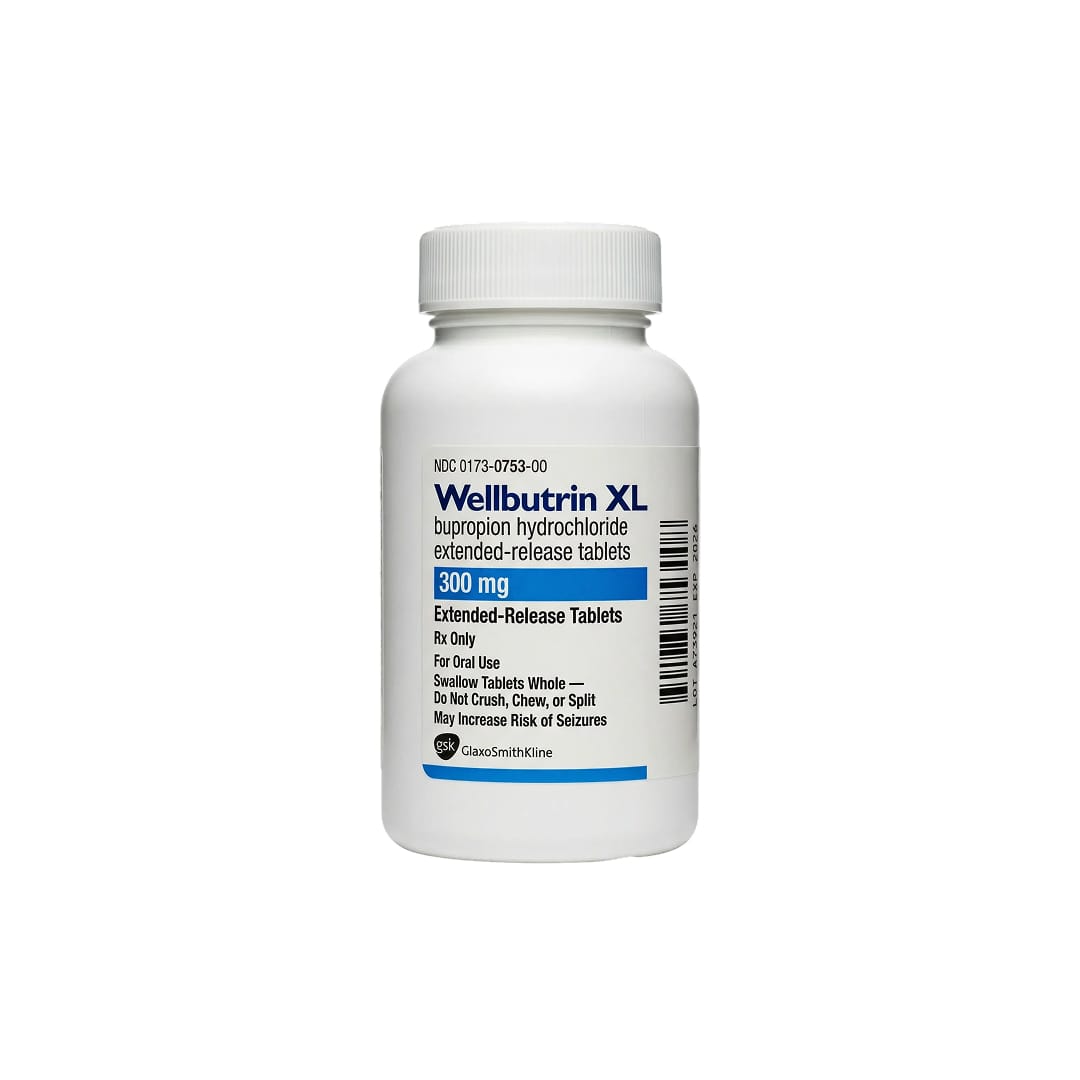
Wellbutrin XL
Buy Wellbutrin XL Online


Wellbutrin XL is a brand-name bupropion hydrochloride extended-release tablet used for adult depression and seasonal affective disorder prevention. It can be bought online by choosing the tablet strength and quantity shown during ordering, then matching those details to clinician directions. Common strengths include 150 mg and 300 mg tablets when they are available for purchase.
The XL formulation releases bupropion over time, so the release type is an important part of the product choice. Wellbutrin XL tablets should not be treated as interchangeable with bupropion SR or immediate-release bupropion just because the milligram number looks similar. Use the medicine name, strength, release type, and quantity together when you decide which row fits your treatment plan.
Wellbutrin XL Price and Tablet Selection
The Wellbutrin XL price should be read together with the strength, tablet count, and brand or generic name. A lower total amount may reflect a different quantity, a different manufacturer, or a generic bupropion HCl XL tablet rather than the brand-name product. For a fair cost check, compare the same active ingredient, XL release type, strength, and number of tablets.
Wellbutrin XL cost can also vary by brand status and cash-pay needs. If you are looking at Wellbutrin XL cost without insurance, keep brand-name rows separate from bupropion XL rows. A bupropion XL price may be lower or higher depending on the strength and quantity, but it should still be evaluated as an extended-release bupropion tablet rather than as SR or immediate-release bupropion.
| Detail | What to match |
|---|---|
| Medicine name | Confirm whether the row is Wellbutrin XL or bupropion HCl XL. |
| Strength | Match the tablet strength, such as 150 mg or 300 mg when shown. |
| Release type | Use XL or extended-release wording for this medicine. |
| Quantity | Compare the number of tablets, not only the total charge. |
Quick tip: Tablet count describes supply size, not how many tablets to take.
How to Order Wellbutrin XL Online
Ordering is simplest when the product choice follows the written treatment plan exactly. Start with the medicine name and release type, then choose the strength and quantity that match the directions you have been given. If you plan to buy Wellbutrin XL from Canada, keep the same checks in place before relying on a price comparison or US delivery from Canada wording.
- Choose the exact medicine name: Brand Wellbutrin XL and generic bupropion XL may appear separately.
- Match the release type: XL means extended-release and is not the same as SR.
- Confirm the strength: Common tablet strengths include 150 mg and 300 mg when shown.
- Review the quantity: Compare total tablets supplied before submitting the order.
- Keep medication records current: Use the same name and strength shown in your care instructions.
Our order process may include a review of submitted medicine details when clarification is needed. Products are supplied through licensed pharmacies, and the practical goal is to match the tablet to the intended bupropion XL therapy rather than to a similar-looking antidepressant row. The Mental Health Products category can help keep antidepressant and mood-related medicines separate from unrelated therapies.
What Wellbutrin XL Treats
Wellbutrin XL contains bupropion hydrochloride, an aminoketone antidepressant. It is used in adults for major depressive disorder and for prevention of seasonal major depressive episodes in people with seasonal affective disorder. It is not approved for pediatric use, and antidepressant treatment in younger people needs careful clinical monitoring because of boxed-warning concerns.
Bupropion affects norepinephrine and dopamine activity in the brain. It is not an amphetamine stimulant, although some people describe it as activating. Sleep changes, anxiety, agitation, or unusual mood shifts should be discussed with a clinician, especially when treatment is started or changed.
Use-focused condition information can help place the medicine in context. The Depression section explains the broader condition category, while Seasonal Affective Disorder information addresses seasonal patterns. These links support understanding of approved use contexts, but the tablet strength and release type should still follow individual clinical directions.
Brand and Generic Bupropion XL
Wellbutrin XL is the brand name for bupropion hydrochloride extended-release tablets. Generic Wellbutrin XL products may appear as bupropion XL, bupropion HCl XL, or similar extended-release bupropion names. Brand and generic products can differ in tablet appearance, manufacturer, inactive ingredients, and package labeling.
The active drug and XL release profile are the key comparison points. Do not substitute a generic row, another brand, SR tablets, or immediate-release bupropion based only on price or tablet count. If substitution is allowed in your treatment plan, compare bupropion XL 150 mg with Wellbutrin XL 150 mg, and bupropion XL 300 mg with Wellbutrin XL 300 mg, when those strengths are shown.
Country-specific naming and substitution practices can differ. A product supplied through Canadian pharmacy channels may not use the same market language that appears in U.S. drug databases. The buying decision should stay practical: confirm the medicine name, extended-release form, strength, and quantity before moving forward.
Tablets, Strengths, and Release Type
Wellbutrin XL tablets are designed to release bupropion gradually. The tablet should be swallowed whole because crushing, cutting, or chewing can change how the medicine is released. This matters for safety as well as symptom control, since extended-release products are made to deliver drug over time.
Common dose terms include Wellbutrin XL 150 mg and Wellbutrin XL 300 mg. Generic rows may use bupropion XL 150 mg or bupropion XL 300 mg. The milligram amount describes the active ingredient in each tablet, while the quantity describes how many tablets are supplied in the order.
XL, SR, and immediate-release bupropion have different release patterns. Similar milligram numbers do not make them automatically interchangeable. If the intended therapy is Wellbutrin XL tablets, use XL wording as a required product attribute during selection.
Storage and Handling Basics
Store Wellbutrin XL tablets according to the package directions, usually in the original labeled container. Keep tablets dry and protected from avoidable heat or moisture. Bathroom cabinets, loose long-term pill organizers, and unmarked travel containers can make identification harder and may expose tablets to poor storage conditions.
For travel, keep enough label information with the tablets to show the medicine name and strength. Do not mix Wellbutrin XL with bupropion SR, immediate-release bupropion, or other antidepressants in the same unlabeled container. Generic tablets can look different from brand tablets, and different manufacturers may use different colors or shapes.
If tablets arrive with damaged labeling, an unexpected appearance, or a mismatch between the container and the order summary, pause and ask for clarification before taking any dose. Product identity matters because several bupropion formulations exist, and their release patterns are not the same.
Side Effects, Warnings, and Monitoring
Wellbutrin XL carries an antidepressant boxed warning about increased risk of suicidal thoughts and behaviors in children, adolescents, and young adults. Mood worsening, agitation, unusual behavior, panic symptoms, hostility, impulsive behavior, or signs of mania need prompt clinical attention. Families and caregivers may be asked to watch for changes when therapy begins or when the dose changes.
Seizure risk is a major safety issue with bupropion and is related to dose and individual risk factors. Wellbutrin XL should not be used by people with a seizure disorder, a current or prior diagnosis of bulimia or anorexia nervosa, abrupt discontinuation of alcohol or sedatives, use of another bupropion-containing product, or recent or current monoamine oxidase inhibitor use. A history of hypersensitivity to bupropion is also a contraindication.
Common side effects can include dry mouth, nausea, insomnia, headache, constipation, dizziness, sweating, tremor, anxiety, decreased appetite, and weight change. Some people lose weight while taking bupropion, but Wellbutrin XL is not a weight-loss medicine. Serious symptoms such as a seizure, severe allergic reaction, chest pain, hallucinations, extreme confusion, or manic symptoms need urgent medical care.
Blood pressure can rise during treatment, especially in people with hypertension or when bupropion is combined with certain nicotine replacement therapies. Monitoring may include mood, sleep, anxiety, blood pressure, appetite, side effects, and seizure-risk factors. People with bipolar disorder, past mania, significant anxiety, substance use concerns, or alcohol-use changes should make sure those issues are part of the clinical review.
Interactions and Use Questions
Bupropion can interact with medicines that affect seizure threshold, blood pressure, mood, or liver metabolism. Examples include some antidepressants, antipsychotics, systemic corticosteroids, stimulants, theophylline, and medicines affected by CYP2D6, a liver enzyme involved in drug processing. Alcohol use can also change safety considerations for some people.
Keep an up-to-date medication list that includes over-the-counter products, supplements, and smoking-cessation aids. This is important because some products contain bupropion under different names, and using more than one bupropion-containing medicine can increase risk. Nicotine replacement products may also require blood pressure attention when used with bupropion therapy.
Timing questions should be handled by the treating clinician or pharmacist. Because Wellbutrin XL is extended-release, tablets should not be split to create a different dose unless a qualified professional specifically instructs otherwise. Missed-dose guidance should also come from the clinician or pharmacist who knows the full treatment plan.
Related Mental Health Choices
Related choices should be evaluated by active ingredient, release type, and clinical purpose. A person using Wellbutrin XL should not switch to another antidepressant or another bupropion formulation because of cost, tablet appearance, or convenience alone. The Mental Health Articles section can provide broader reading on mood-treatment topics without replacing product-specific safety decisions.
Bupropion XL is the closest generic comparison when the intended medicine is extended-release bupropion. Bupropion SR is a sustained-release product and is not the same as XL. Other antidepressants may be used for depression, but they can differ in side effects, interactions, release pattern, and monitoring needs.
Why it matters: The safest comparison is the same active ingredient, release type, strength, and quantity.
Authoritative Sources
These references support the use, safety, contraindication, and handling points above. Use official labeling and patient drug information when questions come up about boxed warnings, seizure risk, side effects, or extended-release tablet handling.
- Official prescribing information covers approved uses, boxed warnings, contraindications, and extended-release tablet instructions.
- MedlinePlus bupropion information summarizes patient-facing cautions, side effects, interactions, and safe-use reminders.
This content is for informational purposes only and is not a substitute for professional medical advice.
BMI Calculator
Estimate adult body mass index from height and weight, with metric and imperial units.
BMI
-
kg/m2 equivalent
Category
-
Adult screening range
These calculations are for education only and do not replace clinical advice, diagnosis, or treatment. Always confirm medical decisions with a qualified healthcare professional.
Calorie & TDEE Calculator
Estimate resting energy needs and daily calorie range from age, sex, body size, and activity level.
Hold Ctrl or Cmd to select more than one calculator.
BMR
-
estimated calories/day at rest
Maintenance
-
BMR multiplied by activity
Weight loss guide
-
maintenance minus 500 kcal/day
These calculations are for education only and do not replace clinical advice, diagnosis, or treatment. Always confirm medical decisions with a qualified healthcare professional.
Weight-Loss Progress Calculator
Track percentage body-weight change and progress toward a target weight.
Weight change
-
current vs starting weight
Body weight change
-
percent of starting weight
Goal progress
-
change achieved toward goal
These calculations are for education only and do not replace clinical advice, diagnosis, or treatment. Always confirm medical decisions with a qualified healthcare professional.
Blood Pressure Average Calculator
Average home blood pressure readings and show a simple screening range.
Average BP
-
entered readings only
Range
-
screening category
These calculations are for education only and do not replace clinical advice, diagnosis, or treatment. Always confirm medical decisions with a qualified healthcare professional.
Smoking Quit Savings Calculator
Estimate money saved after quitting from cigarettes per day and pack cost.
Daily saving
-
packs/day x pack cost
Saved so far
-
daily saving x days
Annual saving
-
365-day estimate
These calculations are for education only and do not replace clinical advice, diagnosis, or treatment. Always confirm medical decisions with a qualified healthcare professional.
Express Shipping - from $29.99
Shipping with this method takes 3-5 days
Prices:
- Dry-Packed Products $29.99
- Cold-Packed Products $39.99
Standard Shipping - $19.99
Shipping with this method takes 5-10 days
Prices:
- Dry-Packed Products $19.99
- Not available for Cold-Packed products
What is Wellbutrin XL used for?
Wellbutrin XL is used in adults for major depressive disorder and for prevention of seasonal major depressive episodes in people with seasonal affective disorder. Individual suitability, strength, and timing should be decided with a clinician.
Is Wellbutrin XL the same as bupropion XL?
Wellbutrin XL is the brand name for bupropion hydrochloride extended-release tablets. Generic bupropion XL contains the same active drug in an XL formulation, but manufacturer, tablet appearance, inactive ingredients, and labeling can differ.
What is the difference between Wellbutrin XL and Wellbutrin SR?
XL and SR are different release types. Wellbutrin XL is extended-release, while bupropion SR is sustained-release. They should not be swapped based only on milligram strength, tablet count, or price.
What strengths of Wellbutrin XL are commonly available?
Common Wellbutrin XL strengths include 150 mg and 300 mg tablets when shown for purchase. Match the strength, release type, and quantity to the treatment directions rather than changing between strengths on your own.
What side effects should I know about before using Wellbutrin XL?
Common side effects can include dry mouth, nausea, insomnia, headache, constipation, dizziness, sweating, tremor, anxiety, decreased appetite, and weight change. Serious symptoms such as seizures, severe allergic reaction, mania, hallucinations, or worsening mood need urgent medical attention.
Can Wellbutrin XL affect weight?
Some people notice weight changes while taking bupropion, including decreased appetite or weight loss. Wellbutrin XL is not a weight-loss treatment, and weight concerns should be discussed with a clinician in the context of mood symptoms and overall health.
How should Wellbutrin XL tablets be stored?
Keep tablets in the original labeled container and store them according to package directions, away from avoidable heat and moisture. Do not mix XL tablets with SR tablets or other medicines in an unlabeled container.
Rewards Program
Earn points on birthdays, product orders, reviews, friend referrals, and more! Enjoy your medication at unparalleled discounts while reaping rewards for every step you take with us.
You can read more about rewards here.
POINT VALUE
How to earn points
- 1Create an account and start earning.
- 2Earn points every time you shop or perform certain actions.
- 3Redeem points for exclusive discounts.
You Might Also Like
Select options
This product has multiple variants. The options may be chosen on the product page
Select options
This product has multiple variants. The options may be chosen on the product page
Select options
This product has multiple variants. The options may be chosen on the product page
Select options
This product has multiple variants. The options may be chosen on the product page