

Diabetes Medications and Resources
Browse Diabetes medications, condition pages, product classes, and learning resources for patients and caregivers comparing diabetes care options.
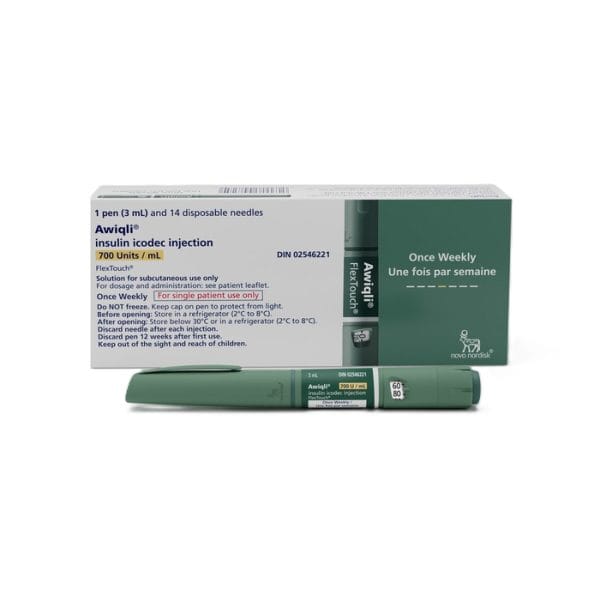




Prices in USD, the lowest price for each product; your dose and quantity set the final price. Struck prices are the US and Canadian comparison prices shown on each product page.
Diabetes: products, conditions and resources
Diabetes affects how the body regulates blood glucose, often called blood sugar. This condition collection helps patients, caregivers, and shoppers compare related medication classes, product pages, condition resources, and practical education. Use it to narrow options by therapy type, format, and the questions you want to discuss with a clinician.
You will find links for insulin and non-insulin therapies, type-specific pages, complication-focused resources, and articles on diabetes symptoms, treatment choices, and prevention topics. Product listings can change, so review each item page for current forms, strengths, and handling details.
What This Diabetes Collection Includes
This page brings together several browsing paths. Medication pages include injectable products, oral diabetes medications, and non-insulin options used in diabetes management. Condition pages help separate type 1 diabetes, type 2 diabetes, and complications that can affect the eyes, kidneys, or nerves. Educational articles explain common terms and help organize questions before appointments.
Many people start by comparing treatment categories. Others begin with a diagnosis page, especially when they want to understand type 1 vs type 2 diabetes or how diabetes complications may change follow-up needs. If you are reviewing non-insulin choices, the Non-Insulin Medications category groups products that do not replace insulin directly.
- Injectable therapies: insulin products and GLP-1 receptor agonists, depending on the product page.
- Tablet options: products such as metformin and SGLT2 inhibitors, when listed.
- Condition resources: pages for diabetes types and related complications.
- Learning articles: explainers on symptoms, causes, treatment, and prevention.
How to Compare Diabetes Medication Options
Start with the medication class, route, and clinical purpose listed on each page. A diabetes medication may be taken by mouth, injected daily, or injected weekly. Some products focus on fasting glucose. Others support after-meal glucose control or broader type 2 diabetes treatment goals. Your prescriber should guide any choice, change, or dose adjustment.
For injectable type 2 diabetes medications, many shoppers compare GLP-1 receptor agonists by dosing schedule, pen format, titration steps, and common gastrointestinal side effects. The GLP-1 Agonists category is a focused starting point for that class. Specific product pages, such as Ozempic Semaglutide Pens and Trulicity Pens, provide product-level details for comparison.
For insulin users, format and storage often matter as much as the medication name. Cartridges, pens, and vials may fit different routines and devices. Lantus Cartridges is one example of a long-acting insulin product page. Always compare device instructions, in-use limits, and pharmacist guidance before selecting a format.
Quick tip: Keep a list of current medicines, allergies, and glucose targets when comparing pages.
Condition Pages for Types and Complications
Different forms of diabetes need different treatment discussions. People with Type 1 Diabetes usually need insulin because the pancreas produces little or no insulin. People with Type 2 Diabetes may use lifestyle measures, tablets, injectable non-insulin therapy, insulin, or combinations. Gestational diabetes and diabetes insipidus are separate topics and require their own clinical evaluation.
Complication pages can help you browse by body system. Diabetic Retinopathy relates to eye disease, while Diabetic Kidney Disease focuses on kidney involvement. Diabetic Neuropathy covers nerve-related concerns. These pages are useful when you want resources aligned with follow-up care, screening conversations, or medication safety questions.
Common diabetes symptoms can include increased thirst, frequent urination, unexplained weight change, fatigue, blurry vision, or slow-healing sores. These signs do not confirm a diabetes diagnosis. Testing and interpretation should come from a qualified healthcare professional. The Diabetes Symptoms, Causes, Treatment, and Prevention article gives a broader educational starting point.
Products Commonly Reviewed in This Area
Product pages are best for checking form, strength, packaging, device type, and product-specific instructions. They should not replace a treatment plan. If you are comparing type 2 diabetes medications, look at how each option is described by class and route rather than comparing names alone.
| Browsing need | Useful starting point | What to compare |
|---|---|---|
| Weekly injectable therapy | GLP-1 product pages | Pen format, titration, tolerability notes |
| Oral therapy | Metformin or Jardiance | Tablet strength, class, renal cautions |
| Basal insulin | Long-acting insulin product pages | Device, storage, in-use period |
| Condition-specific reading | Type or complication pages | Monitoring topics and clinician questions |
CanadianInsulin.com is a prescription referral platform. Where required, prescription details may be confirmed with the prescriber, and dispensing is handled by licensed third-party pharmacies where permitted. Some patients also review cash-pay options based on eligibility and jurisdiction.
Learning Resources for Treatment and Prevention Questions
Articles can help you prepare for a visit, understand terminology, or separate medication classes before browsing products. The Diabetes Treatment resource explains common treatment categories at a general level. If you are sorting less common diagnoses, Other Types of Diabetes helps distinguish conditions beyond the most familiar types.
Readers often ask about causes of diabetes, how to prevent diabetes, diabetes diet changes, type 2 diabetes screening, and diabetes weight loss. These topics can support better conversations, but they are not a substitute for testing or individualized care. For professional standards, the American Diabetes Association guidelines outline screening, treatment, and follow-up recommendations.
Why it matters: A clear browsing path reduces confusion between diagnosis, education, and product details.
Using This Page Safely
Use this collection to compare categories, not to self-diagnose or change treatment. If blood sugar is very high, very low, or symptoms are severe, follow your care plan or seek urgent medical help. Do not adjust insulin, tablets, or injectable therapy without guidance from a healthcare professional.
Before opening product pages, note the details that matter most: current diagnosis, kidney function concerns, pregnancy status, hypoglycemia history, other medications, and storage needs. These factors can affect which diabetes medicine is appropriate. They also help your clinician explain trade-offs between tablets, insulin, and non-insulin injectables.
For a practical next step, choose one path: browse a medication class, open the type-specific condition page, or read an education article before comparing products. This keeps the page useful without turning product browsing into medical advice.
This content is for informational purposes only and is not a substitute for professional medical advice.
Related conditions
All medical conditions →Frequently asked questions
About browsing Diabetes resources on this page.
How should I start browsing diabetes resources on this page?
Start with the reason you are browsing. If you want product details, compare medication pages by class, form, and device type. If you want condition context, begin with type 1 diabetes, type 2 diabetes, or a complication page. If you are preparing questions for a clinician, use the educational articles first, then return to product categories with clearer comparison points.
Can this page help me choose a diabetes medication?
This page can help you compare medication categories and product formats, but it cannot determine which treatment is right for you. Diabetes treatment depends on diagnosis, glucose targets, other health conditions, kidney function, pregnancy status, medication interactions, and hypoglycemia risk. Use the pages here to organize questions, then confirm any medication decision with a qualified healthcare professional.
What is the difference between product pages and condition pages?
Product pages focus on a specific medication or supply, including form, strength, device details, and handling information when available. Condition pages group resources around a diagnosis or complication, such as type 2 diabetes or diabetic kidney disease. Use product pages for item-level comparison and condition pages to understand which topics may be relevant to a care discussion.
When should diabetes symptoms be evaluated by a clinician?
Symptoms such as frequent urination, unusual thirst, fatigue, blurry vision, unexplained weight change, or slow-healing sores should be evaluated with proper testing. Symptoms alone cannot confirm a diabetes diagnosis. If symptoms are severe, sudden, or linked with confusion, vomiting, dehydration, or very abnormal glucose readings, follow your care plan or seek urgent medical attention.
Related articles
View all articles →
Weight Loss and Calories Calculator: Safe Planning Basics
A weight loss and calories calculator estimates daily calories for maintenance and planned weight change by using your age, sex, height, weight,…
Read more →
Humulin N Dosage Chart: Safe Use and Adjustment Factors
A Humulin N dosage chart can help you organize a prescribed insulin plan, but it should not decide your dose. Humulin N…
Read more →
Humalog KwikPen Generic Options and Insulin Lispro Safety
A Humalog KwikPen generic search usually comes down to one key point: Humalog KwikPen contains insulin lispro, but insulin copies are not…
Read more →
Insulin Syringe Sizes: Barrel, Needle, and Safety Basics
Insulin syringe sizes describe three things: how much the barrel holds, how long the needle is, and how thin the needle is.…
Read more →The contents of CanadianInsulin.com are for informational purposes only and should not be considered medical advice. We do not guarantee the accuracy of the content on CanadianInsulin.com, nor do we assume any responsibility for any actions taken using the information found on our website. Always consult with your family physician or a qualified health care provider about any health or medical concerns.