

High Cholesterol Medications and Resources
Browse High Cholesterol medication options, related condition pages, and patient articles to compare statins, add-on therapies, and safety topics.
Prices in USD, the lowest price for each product; your dose and quantity set the final price. Struck prices are the US and Canadian comparison prices shown on each product page.
High Cholesterol: products, conditions and resources
High Cholesterol can feel hard to sort through because product names, drug classes, and lifestyle advice often overlap. This medical-condition collection brings together cholesterol-related medications, nearby cardiovascular categories, and focused articles so patients and caregivers can compare next steps more clearly. Use it to review common medicine classes, open product pages, and find education on LDL cholesterol, triglycerides, diabetes risk, and heart health.
The high cholesterol medical term is often hypercholesterolemia when LDL cholesterol is high. Clinicians may also use hyperlipidemia or dyslipidemia when several blood fats are abnormal. This page does not replace lab review or a treatment plan. It helps you understand what is collected here before you discuss options with a prescriber.
What This High Cholesterol Collection Includes
This page centers on prescription lipid-lowering medicines used alongside diet, activity, and risk-factor management. The product list includes statins, which reduce cholesterol production in the liver, and an absorption inhibitor that reduces cholesterol uptake in the intestine. These options may appear in discussions about medicine for high cholesterol, but the right choice depends on medical history, lab results, and current medications.
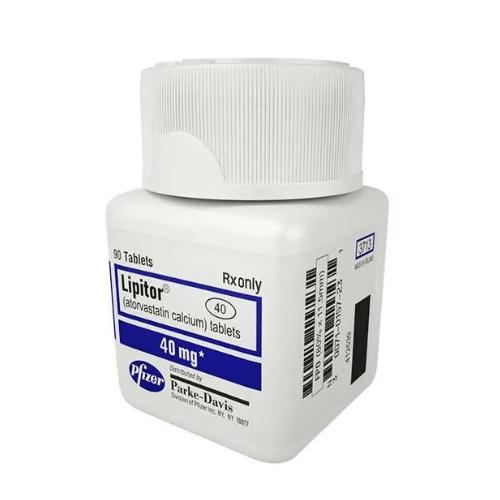
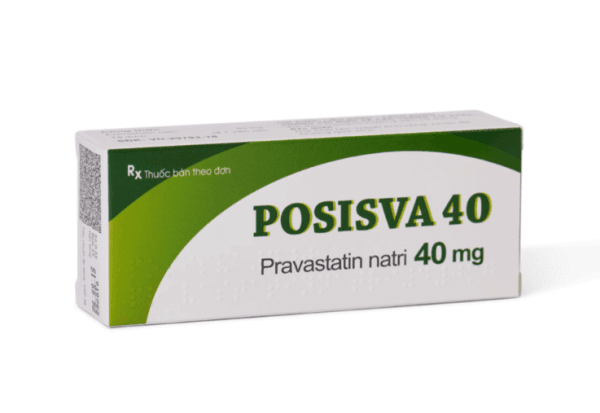
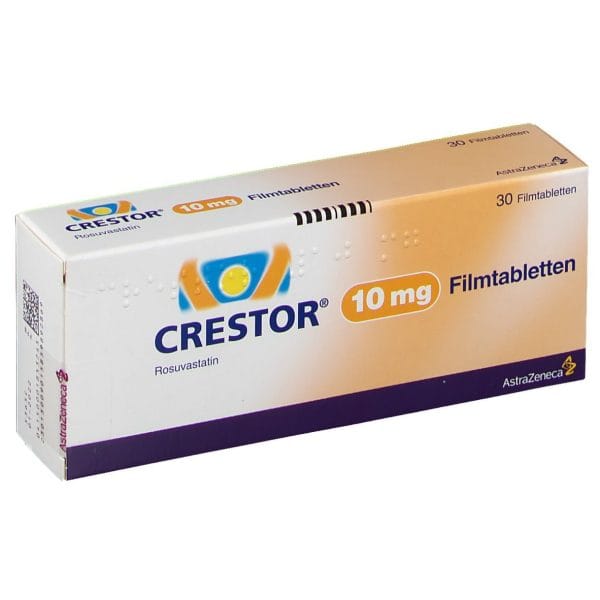
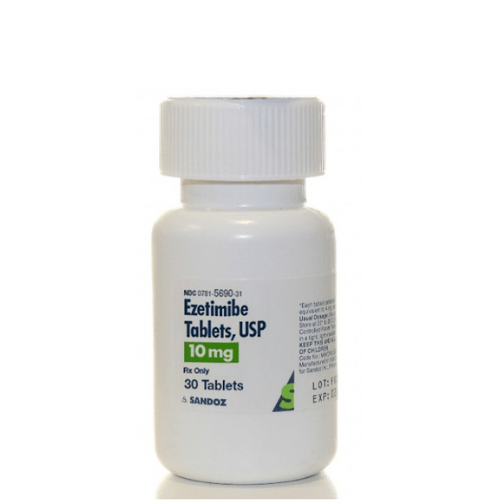
Representative statin product pages include Rosuvastatin, Crestor, Lipitor, and Pravastatin. For add-on LDL lowering or statin-intolerance discussions, the collection also includes Ezetimibe. Product pages can help you compare names, forms, strengths when listed, and basic safety considerations.
Quick tip: Compare generic names first, then match them to brand names if needed.
How to Compare Cholesterol Medication Options
Start with the medication class, not just the product name. Statins are often grouped by intensity because some lower LDL cholesterol more than others. Rosuvastatin and atorvastatin products are commonly discussed for stronger LDL reduction, while pravastatin may be considered in selected situations where interaction profile matters. Ezetimibe works differently and may be used with, or instead of, a statin in certain plans.
People often ask what are the top 5 cholesterol medications or which cholesterol drug is safest. Those questions are reasonable, but they do not have one universal answer. Safety depends on age, liver history, kidney function, pregnancy status, muscle symptoms, other prescriptions, and cardiovascular risk. A prescriber may also consider diabetes, thyroid disease, and whether triglycerides are elevated.
- Class: Statin, cholesterol absorption inhibitor, or another lipid-lowering group.
- Goal: LDL lowering, triglyceride management, or broader cardiovascular risk reduction.
- Use pattern: Daily schedule, timing instructions, and missed-dose guidance from the label.
- Monitoring: Lipid panels and safety labs when your clinician recommends them.
- Interactions: Other medicines, supplements, grapefruit products, and alcohol use may matter.
CanadianInsulin.com is a prescription referral platform. Where required, prescription details may be confirmed with the prescriber before the pharmacy process continues.
Symptoms, Causes, and When Lifestyle Resources Help
High cholesterol symptoms are often absent, so many people learn about it through a blood test. Some visible signs can occur, such as xanthelasma, which are yellowish deposits near the eyelids. People also search for signs of high cholesterol on face or symptoms of high cholesterol in females, but symptoms alone cannot confirm lipid levels.
High cholesterol causes include genetics, eating patterns, low activity, smoking, insulin resistance, thyroid disease, kidney disease, liver conditions, and some medicines. What causes high cholesterol in women can also include menopause-related lipid changes, pregnancy-related history, and conditions such as polycystic ovary syndrome. These factors can change risk, but only a clinician can interpret them with lab results.
Food questions are also common. People may search for foods to avoid with high cholesterol, what foods cause high cholesterol, a list of foods to lower cholesterol, or 15 foods that lower cholesterol. In general, clinicians often encourage replacing trans fats and high saturated-fat foods with fiber-rich foods, unsaturated fats, and minimally processed choices. Claims such as how to reduce cholesterol in 7 days or what reduces cholesterol quickly naturally should be viewed carefully, because meaningful LDL changes usually need sustained habits and follow-up testing.
For plain-language background on cholesterol and risk, the CDC offers a current overview at About Cholesterol. Use external medical sources for general education, then use this collection to browse condition-aligned products and site resources.
Related Heart and Metabolic Categories
Cholesterol does not sit apart from other risk factors. Elevated LDL, high triglycerides, hypertension, diabetes, and coronary artery disease may overlap. If your browsing starts with lipid results but your clinician has mentioned heart risk, related condition pages can help you move through the site without losing the medical context.
For triglyceride-focused browsing, open High Triglycerides. For broader heart-risk navigation, compare Cardiovascular Disease, Coronary Artery Disease, and Heart Disease. If blood pressure is also part of your care plan, Hypertension organizes related browsing around another major cardiovascular risk factor.
Why it matters: Lipid treatment decisions often reflect total cardiovascular risk, not LDL alone.
Articles for Medication and Risk Questions
Some visitors need product pages first. Others need short educational articles before comparing medicines. The article collection can help clarify common questions about cholesterol, statins, diabetes, and metabolic risk without turning this page into a standalone medical guide.
If Lipitor appears in your medication discussion, Lipitor Uses explains how that product is commonly described in cholesterol care. For people managing diabetes or insulin resistance, Bad Cholesterol and Diabetes and Statin Drugs and Diabetes address overlapping concerns. Metabolic Syndrome can help when cholesterol, blood pressure, weight, and blood sugar are discussed together.
Questions about supplements to lower cholesterol, natural supplements to lower cholesterol, supplements to lower LDL cholesterol, or the best cholesterol-lowering supplements should be handled cautiously. Supplements can interact with medicines and may vary in quality. Ask a clinician or pharmacist before combining high cholesterol supplements with prescription lipid-lowering therapy.
Using This Page Safely
Use this collection as a browsing aid, not a dosing tool. Do not start, stop, double, or combine cholesterol medicines based only on a category page. Product pages may summarize useful details, but your prescriber should guide dose selection, lab timing, and changes after side effects.
Before opening a product page, note your current medicines, allergies, liver or kidney history, pregnancy status, and recent lipid panel values. Those details can help you ask clearer questions about best medicine for high cholesterol, add-on options, and monitoring. If a product is not appropriate for your situation, a clinician can explain safer alternatives.
To continue browsing, start with the product class that matches your prescription or discussion, then move to related condition pages if triglycerides, blood pressure, diabetes, or coronary disease are part of your care picture.
This content is for informational purposes only and is not a substitute for professional medical advice.
Related conditions
All medical conditions →Frequently asked questions
About browsing High Cholesterol resources on this page.
How should I use this High Cholesterol category?
Use the category to compare cholesterol-related product pages, related heart-condition pages, and educational articles. Start with the medicine class or product name mentioned by your prescriber. Then review nearby resources if triglycerides, blood pressure, diabetes, or heart disease are also part of your care. This page is for navigation and education, not diagnosis or dose selection.
Which cholesterol medicine is safest?
There is no single safest cholesterol medicine for every person. Safety depends on your medical history, other medications, liver and kidney function, pregnancy status, and prior side effects. Statins, ezetimibe, and other lipid medicines have different interaction and monitoring issues. A prescriber or pharmacist can match the option to your risk profile and lab results.
Can lifestyle changes replace cholesterol medication?
Lifestyle changes can support cholesterol control, but they may not replace medication for everyone. Genetics, LDL level, triglycerides, diabetes, and prior heart disease can all affect the plan. Diet, activity, smoking cessation, and weight management may improve risk factors. Your clinician can explain whether lifestyle steps alone are reasonable or whether medicine is also needed.
Are supplements included in this cholesterol collection?
This collection focuses on prescription cholesterol medications and related educational resources. Supplement questions are common, but products such as red yeast rice, plant sterols, soluble fiber, or omega-3 products can have limitations or interactions. Discuss supplements with a clinician or pharmacist before combining them with statins, ezetimibe, or other lipid-lowering medicines.
Related articles
View all articles →
Body Mass Index (BMI): Ranges, Uses, and Limits
Body mass index (BMI) is a screening measure that compares weight with height. It helps place most adults into broad weight categories,…
Read more →
What Fruits Are Good for Diabetics? Portions and Labels
Most whole fruits can fit into a diabetes eating plan when portions, total carbohydrate, and glucose response are considered. If you are…
Read more →
Type 1 Versus Type 2 Diabetes: Symptoms, Causes, and Care
type 1 versus type 2 diabetes comes down to why blood sugar rises. In type 1, the immune system destroys insulin-making cells…
Read more →
GLP-1 Drugs for Weight Loss: Risks, Options, and Next Steps
GLP-1 drugs for weight loss are prescription medicines that act on hormone pathways involved in appetite, fullness, digestion, and glucose control. Some…
Read more →The contents of CanadianInsulin.com are for informational purposes only and should not be considered medical advice. We do not guarantee the accuracy of the content on CanadianInsulin.com, nor do we assume any responsibility for any actions taken using the information found on our website. Always consult with your family physician or a qualified health care provider about any health or medical concerns.