

Mental Health
Mental Health Products and Resources
Browse Mental Health product listings, condition pages, and articles for patients and caregivers comparing related options, safety notes, and reading paths.
Explore optionsChoose your medication
Every product in this category, in the order patients choose them most. Open a product to see every strength, quantity price and the prescription details.


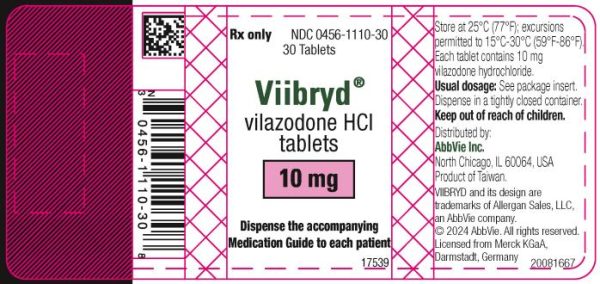
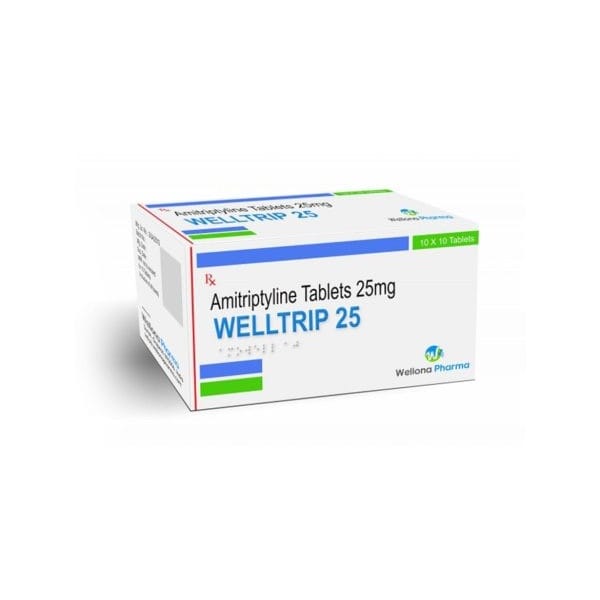


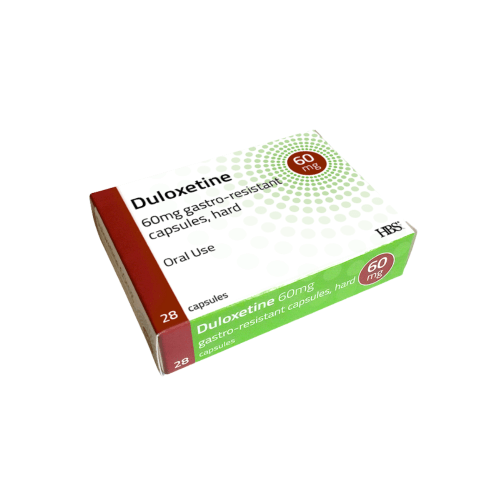



Prices in USD, the lowest price for each product; your dose and quantity set the final price.
Shipping, shown before you pay

Express Shipping, 3-5 days
$39.99 USD cold-packedCold-packed products must ship Express, in medical-grade, temperature-controlled packaging. Dry-packed products ship Express for $29.99. A $50.00 surcharge may apply to cold-packed orders of less than 3 units.

Standard Shipping, 5-10 days
$19.99 USD dry-packedFor dry-packed products only; not available for cold-packed products. Shipping to Hawaii, Alaska and Puerto Rico may need additional charges. A $35.00 surcharge may apply to orders of $300.00 or less. See our shipping policy
Compare the most ordered
Active ingredient, comparison prices and starting price for the products patients order most in this category. Your prescriber decides what is right for you.
| Product | Active ingredient | US / Canadian comparison | Starting price (USD) |
|---|---|---|---|
| Wellbutrin XL | Bupropion | CA |
From $71.24 You save |
| Zoloft | Sertraline |
From $151.04 You save | |
| Abilify | Aripiprazole |
From $145.34 You save | |
| Lamictal | Lamotrigine | US |
From $75.99 You save |
| Latuda | Lurasidone |
From $155.79 You save | |
| Bupropion SR | Bupropion | CA |
From $50.34 You save |
Comparison prices as shown on each product page.
We stand behind our prices
We work hard to offer the very best available price. If you find a lower price on the same product, we will match it.
Learn how →Tiered pricingNew tiered pricing is here
Buy more and save more on the medications you trust: save 7% per pack when you buy 2, and 14% per pack when you buy 3 or more.
See tiered pricing →Read the full Mental Health guide
Mental health affects daily routines, medication habits, sleep, mood, and how people manage chronic conditions. This Mental Health browse page collects product-led navigation, condition pages, and educational articles for patients and caregivers who want organized next steps. Use it to separate product listings from article resources, then choose the page that matches your question, whether you are comparing related supplies, reading about diabetes and mood, or reviewing condition-focused resources.
What This Mental Health Collection Contains
This is a mixed, product-led collection rather than a diagnostic article. The related pages include medication and supply categories, physical health condition pages, and educational articles about mood, burnout, anxiety, depression, sleep, and brain function. The overlap matters because chronic health routines can affect stress, motivation, and daily decision-making.
The Mental Health label can cover several browsing needs. Some visitors want mental health information connected to diabetes care. Others want articles that explain warning signs, emotional strain, or coping challenges in plain language. Product pages in this area should be used for product identification and access details, not for diagnosing symptoms or choosing psychiatric treatment.
- Product listings help you review item names, forms, and product-category placement.
- Condition pages group related products and resources around a diagnosed health topic.
- Article pages explain common questions, lived challenges, and safety considerations.
- Editorial categories gather broader reading paths for general health or chronic care topics.
How to browse product and condition links
Start by matching the page type to your task. If you need a product or supply page, stay within product navigation and check the item name, form, and any prescription-related notes. If you are trying to understand a diagnosed condition, a condition page such as Type 2 Diabetes or High Blood Pressure may give a more useful starting point.
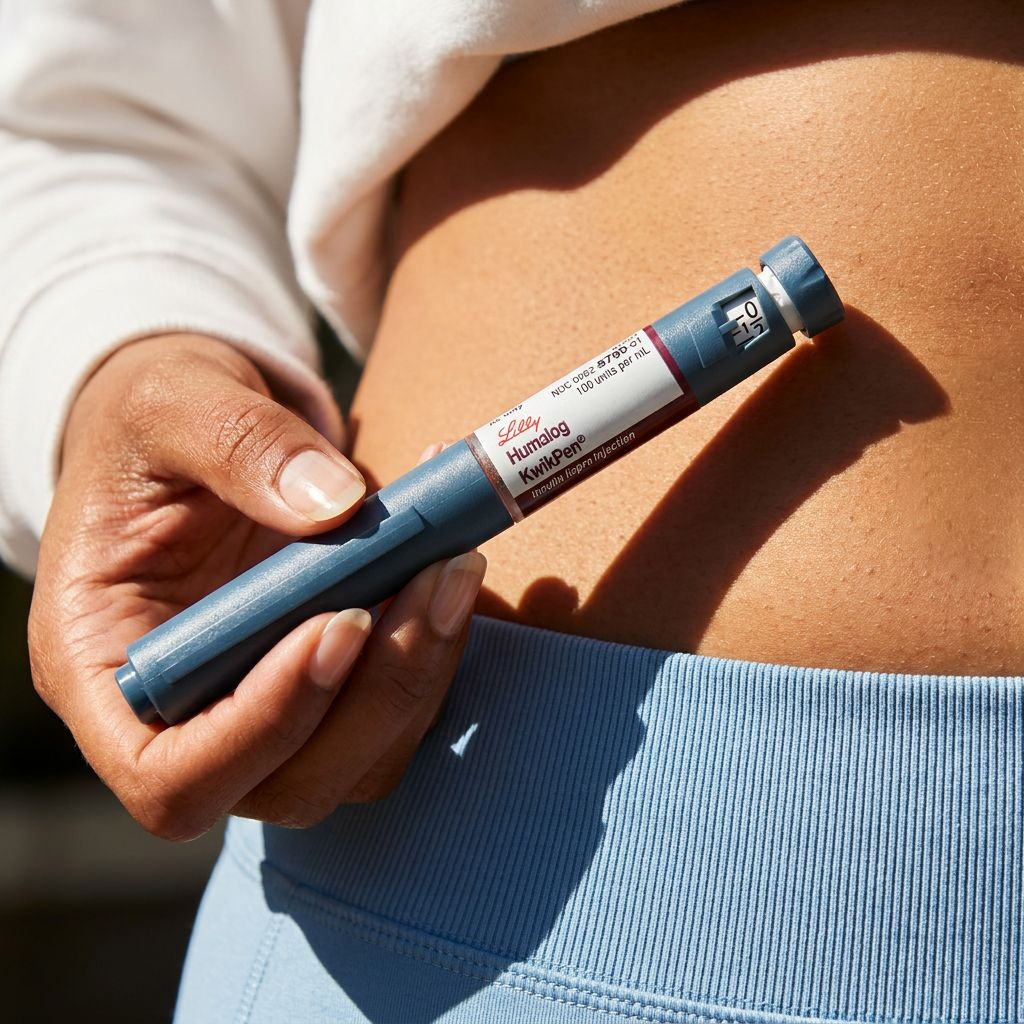
Product categories are best for comparison by treatment class or product purpose. For example, Diabetes Medications can help you separate insulin, non-insulin medications, and related product groups before opening an individual item page. That structure can reduce confusion when a mental health question is connected to a broader chronic-care routine.
| Page type | Use it when | Check before moving on |
|---|---|---|
| Product page | You need item-specific details. | Name, form, strength, and prescription context. |
| Condition page | You want condition-aligned browsing. | Diagnosis, related categories, and clinician questions. |
| Article page | You need plain-language education. | Topic scope and whether it applies to your situation. |
Quick tip: Keep medication names, condition names, and current questions together while comparing pages.
Reading paths for mood, stress, and chronic care
Mental health resources are often most useful when they answer one focused question at a time. If anxiety is your main concern, Diabetes And Anxiety can help you focus on that specific overlap. If you are adjusting to a new diagnosis, Diabetes Diagnosis And Mental Health may be a better first article.
Some readers look for practical language around exhaustion, motivation, or sadness. Diabetes Burnout addresses emotional fatigue around ongoing care routines. Diabetes Depression focuses on low mood and diabetes-related concerns. For broader reading outside one condition, the General Health Articles archive can help you scan wider wellness topics.
If you are asking what is mental health, start with broad educational resources before moving into condition-specific pages. If your question is about mental health treatment options, use this collection to find related reading and product categories, then discuss treatment decisions with a qualified clinician.
Screening questions, symptoms, and safety boundaries
An online mental health test can be a screening tool, but it cannot confirm a diagnosis. Screening results may help you describe symptoms, patterns, or concerns more clearly during an appointment. They should not replace a professional assessment, especially when symptoms affect work, school, relationships, sleep, substance use, or daily safety.
Warning signs of mental illness can include major changes in mood, withdrawal, confused thinking, intense fear, loss of interest, or thoughts of self-harm. Causes of mental illness are often complex and may involve biological, psychological, social, and environmental factors. A single article or checklist cannot identify the cause for one person.
Some physical health changes can also affect how a person feels or functions. For diabetes-related reading, Blood Sugar And Brain Function discusses how glucose changes may relate to thinking and mood. Dysglycemia (blood sugar outside the usual range) should be discussed with a clinician if symptoms are new, severe, or hard to interpret.
CanadianInsulin.com works as a prescription referral platform. Where required, prescription details may be confirmed with the prescriber. Do not change medication, stop treatment, or start a new product based only on a category page, article, or screening result.
Related resources that may shape your next step
Many visitors reach this page through diabetes, cardiovascular, endocrine, or weight-related questions. Those topics can connect with mental health awareness because long-term health routines often involve stress, sleep, planning, and emotional strain. Use related pages to narrow the context before comparing products or reading deeper articles.
For example, a patient reviewing diabetes-related mood changes may start with condition pages, then move into articles about anxiety, burnout, or depression. A caregiver may use the same path to understand terms before preparing questions for a clinician. The goal is not to self-diagnose. The goal is to find the most relevant next page without mixing product information, medical education, and personal treatment decisions.
When browsing mental health articles, notice whether the page explains symptoms, lifestyle context, medication safety, or chronic-care challenges. Those article types answer different questions. Symptom explainers can help you name concerns. Safety articles can help you prepare for a pharmacist or prescriber discussion. Personal routine topics can make daily care conversations more organized.
Keep comparisons practical
Return to the Mental Health collection when you need to sort product listings from condition pages and educational reading. Choose one path at a time, compare only the details that match your question, and bring medical concerns to a licensed professional. Clear browsing can make the next step easier without turning a category page into personal medical advice.
This content is for informational purposes only and is not a substitute for professional medical advice.
This content is for informational purposes only and is not a substitute for professional medical advice.
What customers say once the box arrives
- Verified buyers only
- Collected independently by Stamped
- Every review stays visible
Reviews from verified buyers, collected by Stamped; spelling corrected only. Each describes one customer's own experience and is not medical advice. Individual results vary.
 Model
Model4.8/5 from 2K+ verified reviews
I choose to fill my prescription through Canadian Insulin because of the tremendous savings. The customer service at Canadian Insulin is the best!…Read the full review
 Model
Model4.8/5 from 2K+ verified reviews
An online order that felt personalized because of its consistent and efficient communication.Read the full review
 Model
Model4.8/5 from 2K+ verified reviews
Received quick and sincere responses. Life happens but people who care let you know they are working for you. Sincere Thank youRead the full review
 Model
Model4.8/5 from 2K+ verified reviews
Never a glitch after placing many orders. Thanks everyone for being so responsive!Read the full review
 Model
Model4.8/5 from 2K+ verified reviews
Ozempic has been a life saver for me. Although I slowed down on losing quickly, I am still maintaining and losing around 5 lbs a month which works for me. Canadian Insulin is the perfect company to deal with: very honest and friendly.Read the full review
Browse more categories




Related articles
View all articles →
Body Mass Index (BMI): Ranges, Uses, and Limits
Body mass index (BMI) is a screening measure that compares weight with height. It helps place most adults into broad weight categories,…
Read more →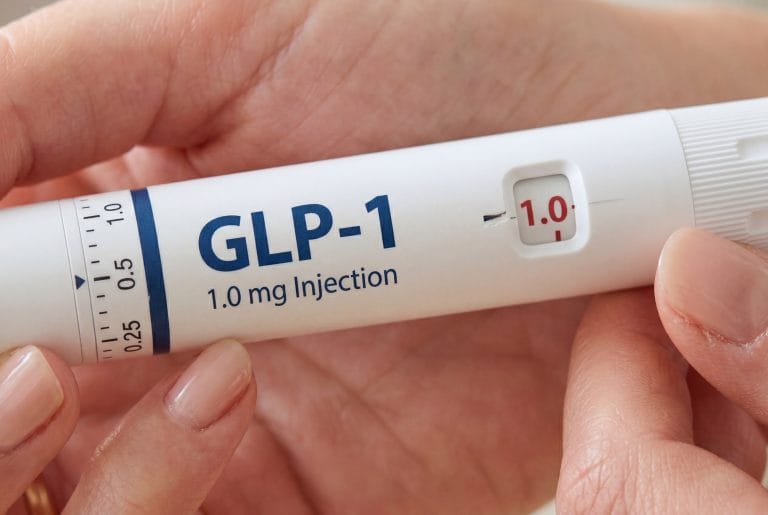
What Is Glucagon Like Peptide 1? Functions After Meals
What is glucagon like peptide 1? It is a natural gut hormone, often shortened to GLP-1, that your body releases after eating.…
Read more →
Weight Loss With Saxenda: Expectations, Risks, and Next Steps
Weight loss with Saxenda is usually gradual, not dramatic at the start. Saxenda is the brand name for liraglutide, a GLP-1 receptor…
Read more →
Oral Wegovy: Safety, Dosing Context, and Access Questions
Oral wegovy now refers to a tablet form of semaglutide for chronic weight management in adults, but it should not be confused…
Read more →Speak to us
Our customer service team are highly experienced and friendly. Get in touch today.
How is this Mental Health collection organized?
It is organized as a product-led collection with related condition pages and educational articles. Product links are useful for item details and category placement. Condition pages help you browse resources connected to diagnosed health topics. Articles explain questions such as mood changes, burnout, anxiety, depression, sleep, and chronic-care stress. Use the page type to decide where to start.
Can an online mental health test diagnose a condition?
No. An online mental health test may help you notice patterns or prepare language for a healthcare visit, but it cannot diagnose a condition. Results can be influenced by stress, sleep, medications, physical illness, and recent life events. A qualified clinician can review symptoms, history, safety concerns, and possible causes more completely.
When should I ask a clinician before using a related product page?
Ask a clinician if symptoms are new, severe, worsening, or affecting daily safety. You should also ask before changing any medication or combining product information with mental health concerns. Product pages can help you identify names, forms, and prescription context, but they do not replace individualized medical advice or a treatment plan.
Where should I start if diabetes and mood changes are both concerns?
Start with the page that matches your clearest question. A diabetes condition page can help you review related product categories. Articles about anxiety, burnout, depression, sleep, or brain function may help you organize concerns for a healthcare visit. If symptoms feel urgent or include thoughts of self-harm, seek emergency or crisis support right away.

Speak to our team
 Call toll free1-844-560-7790
 Emailservice@canadianinsulin.com
Monday to Friday 7am – 11pm EST
Saturday 7am to 7pm EST
Sunday 8am – 5pm EST