
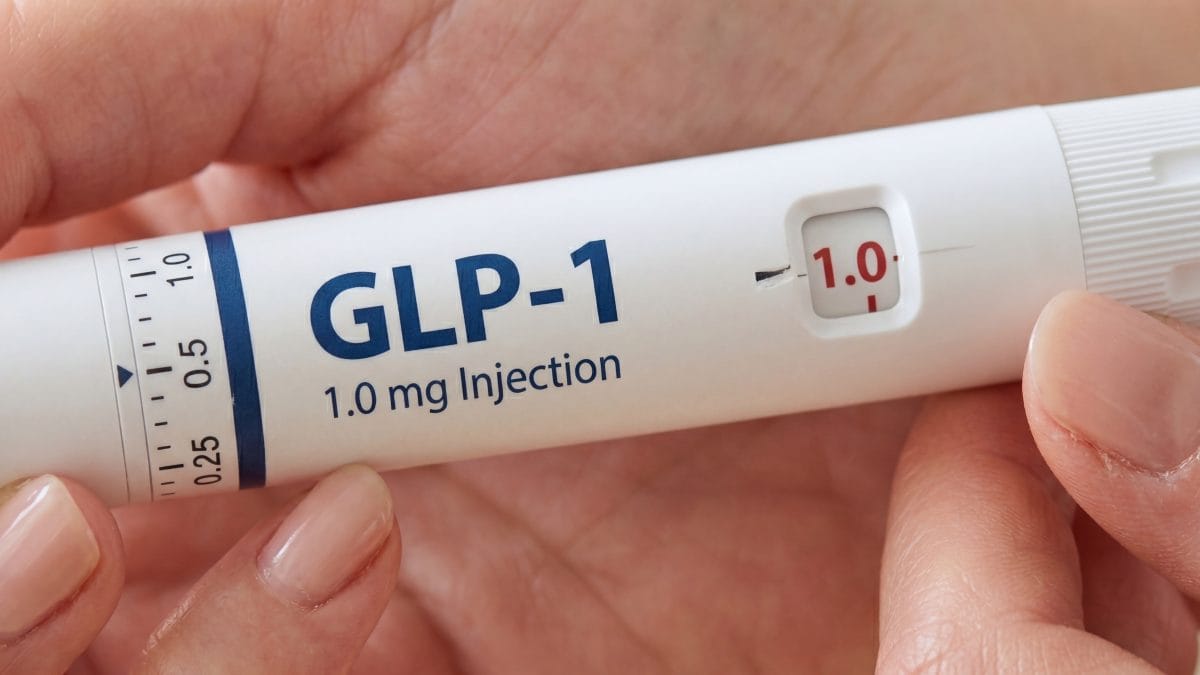
What is glucagon like peptide 1? It is a natural gut hormone, often shortened to GLP-1, that your body releases after eating. It helps coordinate insulin, glucagon, stomach emptying, and appetite signals so your body can respond to a meal. This matters because the same pathway is also used by several prescription medicines for type 2 diabetes and, in some cases, weight management.
Clinically, glucagon-like peptide-1 is called an incretin, meaning a meal-related hormone signal that helps the pancreas respond to rising glucose. The hormone itself is not a drug. Medicines that act on the GLP-1 pathway are designed to last longer or amplify parts of that signal.
Key Takeaways
- Natural hormone: GLP-1 is released mainly from the gut after meals.
- Glucose response: It helps insulin rise when blood sugar is elevated.
- Appetite signals: It can slow stomach emptying and increase fullness.
- Short duration: Your own GLP-1 is broken down quickly in the body.
- Different from medicines: GLP-1 drugs use the pathway, but they are not identical to the natural hormone.
Glucagon-Like Peptide-1: What It Is and Why It Matters
Glucagon-like peptide-1 is a post-meal messenger made mainly by L-cells, which are specialized cells in the intestine. Nutrients entering the gut help trigger its release. Once released, GLP-1 sends signals to the pancreas, stomach, brain, and other tissues involved in metabolism.
The name can confuse people because it includes the word glucagon. Glucagon is a pancreatic hormone that can raise blood sugar when the body needs more circulating glucose. GLP-1 does not simply copy glucagon. In the post-meal setting, it tends to support insulin release and reduce glucagon signals when glucose is elevated.
That meal-timing detail is important. GLP-1 works as part of a coordinated response, not as an isolated switch. It acts alongside insulin sensitivity, meal composition, liver glucose output, activity, sleep, stress, and other hormones. This is why what is glucagon like peptide 1 has become a common question in discussions about Type 2 Diabetes, appetite, and newer non-insulin treatment classes.
Why it matters: The same biology that helps manage meals also became a major target for modern metabolic medicines.
What GLP-1 Does After You Eat
GLP-1 helps your body match digestion, blood sugar, and fullness signals after a meal. Its role is coordination. It does not replace insulin, and it does not act like a stimulant or a simple fat-burning hormone.
It supports glucose-dependent insulin release
When blood glucose rises after eating, GLP-1 helps pancreatic beta cells release insulin. This effect is glucose-dependent, which means the signal is stronger when glucose is higher and less active when glucose is lower. That feature helps explain why GLP-1 biology is different from some older glucose-lowering pathways.
GLP-1 can also reduce glucagon release from pancreatic alpha cells when glucose is elevated. Less glucagon in that setting may reduce extra glucose output from the liver. The result is a more controlled post-meal glucose pattern, although the response varies between people.
It slows stomach emptying
GLP-1 slows gastric emptying, meaning the movement of food from the stomach into the small intestine. Slower emptying can make glucose from a meal enter the bloodstream more gradually. It can also make fullness arrive sooner.
This effect is one reason some people associate GLP-1 with appetite changes. Still, the natural hormone is brief. Your own GLP-1 is rapidly broken down, largely by an enzyme called DPP-4. That short lifespan limits how long the natural signal lasts.
It sends fullness signals to the brain
GLP-1 also communicates with appetite-related pathways in the nervous system. These signals can influence hunger, fullness, and meal size. They do not work alone, and they do not override every learned, emotional, medical, or environmental factor that shapes eating.
If you are reading about diabetes mechanisms more broadly, the Diabetes article collection can help place GLP-1 beside other topics, such as insulin resistance, glucose monitoring, and non-insulin medications.
Natural GLP-1 Compared With GLP-1 Medicines
Natural GLP-1 and prescription GLP-1 medicines are related, but they are not the same. The natural hormone is released after meals and then cleared quickly. GLP-1 receptor agonists are medicines designed to activate the GLP-1 receptor for longer than the body’s own hormone usually can.
This difference explains much of the confusion. A social media post may use “GLP-1” to mean the natural hormone, a drug class, a specific brand, or a weight-loss trend. Those are different conversations. The first is physiology. The second is treatment.
| Topic | Natural GLP-1 | Medicines Using the Pathway |
|---|---|---|
| Source | Made by the gut after meals | Prescription therapies designed to activate or support incretin signaling |
| Duration | Usually short-lived | Built to last longer than the natural hormone |
| Main role | Coordinates normal meal responses | Used in selected care plans for glucose control, weight management, or both |
| Examples | Part of normal human physiology | GLP-1 receptor agonists and related incretin-based therapies |
Examples of prescription products that act on incretin pathways include semaglutide products such as Ozempic Semaglutide Pens and Rybelsus Semaglutide Pills. Other examples include dulaglutide and liraglutide products, such as Trulicity Pens and Victoza Pens. These product pages are useful for orientation, but treatment choices depend on diagnosis, medical history, tolerability, and prescribing guidance.
Not every incretin-related medicine works the same way. GLP-1 receptor agonists directly activate GLP-1 receptors. DPP-4 inhibitors work differently by slowing the breakdown of natural incretin hormones. Dual incretin medicines may involve more than one receptor pathway. For a broader plain-language primer, see GLP-1 Explained.
Can You Get GLP-1 Naturally From Food?
You do not get GLP-1 from food the way you get protein, iron, or vitamin C. Food can trigger your body to release GLP-1, but meals do not contain clinically meaningful GLP-1 as a nutrient. That distinction matters when reading claims about “natural GLP-1” products.
Protein, fiber, fat, and mixed meals can influence post-meal hormone responses. The effect depends on the person, the meal, and the wider metabolic context. A balanced eating pattern may support steadier glucose responses, but it should not be described as the same thing as prescription GLP-1 therapy.
Supplements create another source of confusion. Some products are marketed as “GLP-1 support,” but that language does not mean they are approved GLP-1 medicines. If a label or post makes strong claims, separate three ideas: hormone physiology, prescription treatment, and marketing language. For more on this distinction, see GLP-1 Drugs Over The Counter.
Quick tip: When a claim says “boosts GLP-1,” look for the exact ingredient, evidence type, and outcome measured.
Where GLP-1 Fits in Diabetes and Weight Care
GLP-1 matters clinically because therapies built around this pathway may fit some diabetes or weight-management plans. They are not automatically right for everyone. A prescriber considers the diagnosis, treatment goals, other medicines, gastrointestinal history, kidney or liver concerns, pregnancy plans, and practical access issues.
In type 2 diabetes care, the main goal may be lower A1C, fewer post-meal glucose spikes, weight change, cardiovascular risk reduction, or a mix of priorities. In weight care, the discussion often includes appetite, nutrition, activity, long-term monitoring, side effects, and whether medication is appropriate at all. A browseable Diabetes Medications category can help readers see how many drug classes exist, without implying that one class fits every situation.
Safety questions belong in the clinical conversation. People may need extra caution or a different approach if they have certain gastrointestinal conditions, a history of pancreatitis, specific endocrine tumor syndromes, pregnancy considerations, or medication combinations that raise hypoglycemia risk. The details vary by product and person, so official labeling and prescriber guidance matter.
CanadianInsulin.com functions as a prescription referral platform. When a prescription is required, details may be confirmed with the prescriber, and dispensing is handled by licensed third-party pharmacies where permitted.
How to Read GLP-1 Claims More Carefully
The phrase GLP-1 can refer to physiology, a receptor, a drug class, or a specific prescription product. Reading carefully helps you avoid mixing these meanings. When someone asks what is glucagon like peptide 1, they may actually be asking whether a medicine is appropriate, whether food can replace it, or whether a supplement claim is credible.
A practical way to sort the claim is to identify the subject first. Is the source describing the natural hormone your body makes after meals? Is it discussing GLP-1 receptor agonists? Is it comparing a dual incretin medicine, such as a product involving GIP and GLP-1 pathways? Or is it selling a supplement with vague “hormone support” wording?
Then look at the outcome. Blood sugar, appetite, body weight, nausea, stomach emptying, and cardiovascular outcomes are related topics, but they are not the same endpoint. A claim about one should not be stretched to prove another. For weight-focused context, GLP-1 Drugs For Weight Loss covers options, risks, and decision points in more detail.
Alcohol is another example where context matters. GLP-1 medicines can affect appetite, digestion, and nausea, while alcohol can affect glucose and eating patterns. If that topic is relevant to you, GLP-1 And Alcohol explains the issue separately.
Questions to Discuss With a Clinician
If GLP-1 medicines come up in a care visit, the useful questions are specific. They should connect the pathway to your diagnosis, health history, and goals rather than focusing only on a buzzword.
- Primary goal: Is the target glucose control, weight change, or both?
- Medication fit: How would it interact with current prescriptions?
- Side effects: What stomach-related symptoms should be watched?
- Safety history: Are there conditions that change the risk-benefit discussion?
- Monitoring plan: What follow-up, labs, or symptom checks may be needed?
- Form preference: Is an oral or injectable option being considered?
These questions do not replace professional advice. They can make the conversation clearer, especially when online information blends natural GLP-1, drug classes, brand names, and supplement claims.
Authoritative Sources
- For a detailed NIH-hosted review of GLP-1 physiology, see this peer-reviewed overview.
- For patient-friendly information on GLP-1 agonists, read Cleveland Clinic’s GLP-1 agonists page.
- For diabetes treatment standards and medication context, review the ADA Standards of Care journal issue.
In plain terms, GLP-1 is a natural meal-response hormone, while GLP-1-based medicines are therapies designed around that biology. Keeping those meanings separate makes diabetes, weight-care, and supplement claims easier to evaluate.
This content is for informational purposes only and is not a substitute for professional medical advice.


