
Please note: a valid prescription is required for all prescription medication.
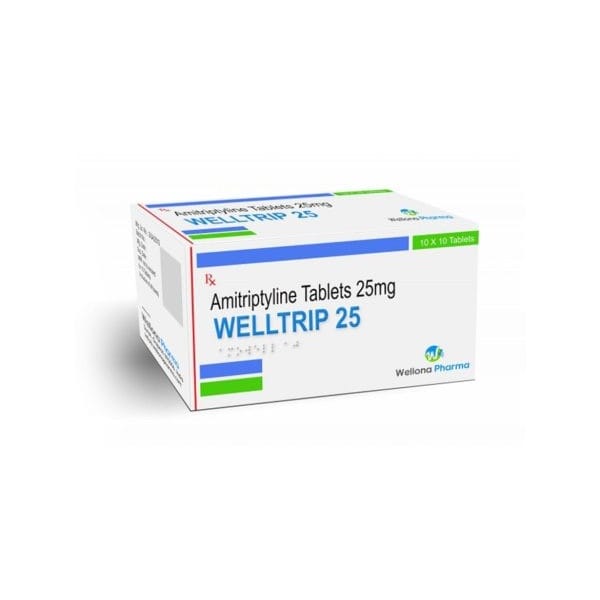
Amitriptyline
Buy Amitriptyline Online


Buy Amitriptyline online with a valid prescription and compare current listed pricing, tablet strength options, and safety basics before checkout. You can review Amitriptyline tablets, match the selected strength and quantity to your prescription, and understand access factors such as US delivery from Canada when available.
Amitriptyline hydrochloride is a prescription tricyclic antidepressant used for depression and sometimes prescribed off-label for nerve pain, migraine prevention, or sleep-related symptoms. This page keeps the shopping details practical: listed price, form, strength, quantity, order details, and the key risks to check before ordering.
Use the product selector carefully if strengths or quantities are listed separately. Small differences, such as 10 mg versus 25 mg tablets or a different count, can change the selected product and the amount due at checkout.
Price, Strengths, and Available Options
The current Amitriptyline price should be read with the exact product option selected. For tablets, the listed amount may change by strength, quantity, and whether the product is presented as a separate listing or a selectable variation. Compare the displayed option against the prescriber’s wording before moving forward.
If the page shows more than one tablet strength, do not treat them as interchangeable. Amitriptyline 10 mg and Amitriptyline 25 mg are common search terms, while prescriptions may also reference Amitriptyline 50 mg, Amitriptyline 75 mg, or Amitriptyline 100 mg. The correct listing is the one that matches the written dose and directions, not simply the lowest tablet count.
The Amitriptyline tablet price is most useful when it is compared with the selected strength, package quantity, and total tablets supplied. A larger quantity may not mean a different dose; it may simply reflect a longer supply written by the prescriber.
Why it matters: A different strength can change both the tablet count and the way the prescription is filled.
| Detail to compare | Why it affects the order |
|---|---|
| Tablet strength | Must match the mg strength on the prescription. |
| Quantity or pack count | Changes total tablets supplied and the listed amount. |
| Product form | Helps confirm tablets rather than another formulation. |
| Cash-pay choice | May affect checkout path if coverage is not used. |
How to Buy Amitriptyline Online
To order Amitriptyline online, start by selecting the tablet option that matches the prescription. Keep the prescriber’s directions, contact information, and any requested supporting details available during checkout so the selected product can be checked accurately.
A valid prescription is required for orders containing Amitriptyline. Details may be checked with your prescriber when needed, especially if the strength, quantity, or directions are unclear.
After the correct option is selected, review the checkout summary before submitting the order. Look for the tablet strength, quantity, customer information, and destination details. Cross-border service depends on the product, order details, and applicable rules, so the page may ask for information needed to complete the check.
Tablet Form and Product Details
Amitriptyline tablets contain amitriptyline hydrochloride, the salt form named on many labels. The strength is expressed in milligrams per tablet. That number is not the same as the total amount supplied in the bottle, so check both the mg strength and the quantity before checkout.
Use the product details to confirm whether the listing is for Amitriptyline hydrochloride tablets and not another medicine with a similar role. The active ingredient, strength, manufacturer, and quantity may all appear in different parts of the product display. If anything does not match the written directions, pause before submitting the order.
- Active ingredient: Match the medicine name on the label.
- Strength: Confirm the mg per tablet.
- Quantity: Check the total tablets supplied.
- Directions: Follow the prescriber’s written instructions.
- Refill details: Check any date or quantity limits.
Amitriptyline doses are individualized. The product page helps match the order to the prescription, but it should not be used to decide when to start, stop, split, or increase tablets.
Cash-Pay and Access Details
The Amitriptyline cost shown at checkout reflects the selected listing and any available order path. If paying without insurance, compare the displayed cash-pay total with the strength and quantity, not with a different tablet count or another medication.
Some customers use cash-pay because coverage is limited, delayed, or not part of the order. The Amitriptyline cost without insurance can still vary by option, so review the product summary before final submission.
For coverage questions, rely on the information from your plan, prescriber, or benefits administrator. Supporting documents may be requested if order details are incomplete. The checkout path should not be used to substitute one strength or medicine for another.
Common Uses and Fit for Your Prescription
Amitriptyline is approved for depression and belongs to a class called tricyclic antidepressants, which affect serotonin and norepinephrine signaling in the central nervous system. Clinicians also prescribe it off-label for neuropathic pain, meaning nerve-related pain, migraine prevention, or sleep symptoms when they decide it fits the patient’s situation.
Amitriptyline for pain is not the same as an opioid painkiller, and it is not a rapid relief tablet. Amitriptyline for migraine is generally used as prevention rather than treatment for an active attack. Amitriptyline for sleep may be discussed because drowsiness can occur, but it is not classified as a standard sleeping pill.
If your clinician prescribed it for nerve pain or migraine prevention, the Neuropathic Pain and Migraine product lists can help you compare nearby prescribed options without changing your treatment plan.
Storage, Handling, and Travel Basics
Tablets are usually easier to handle than refrigerated medicines, but storage still matters. Keep the bottle tightly closed, away from excess heat and moisture, and out of reach of children or pets. Follow the product label if it lists a specific temperature range.
When traveling, carry the labeled container and enough supply for the planned trip, as directed by the prescriber. Avoid repacking tablets into unlabeled bags if the bottle label may be needed for identification, refills, or safety checks.
Quick tip: Check the tablet imprint and bottle label before each refill is used.
Safety Checks Before Checkout
Review safety basics before completing an order, especially if the medicine is new to the patient or the dose recently changed. Amitriptyline can cause sleepiness, dizziness, dry mouth, constipation, blurred vision, weight changes, and trouble urinating. These effects may matter for driving, work, falls, or other medicines with similar effects.
Antidepressants, including tricyclic medicines, carry a warning about increased risk of suicidal thoughts and behavior in children, adolescents, and young adults. Mood changes, agitation, worsening depression, or unusual behavior should be discussed urgently with a clinician, and emergency help is appropriate for immediate danger.
Serious risks can include abnormal heart rhythm, low blood pressure, seizures, serotonin syndrome, which is a potentially dangerous reaction from too much serotonin activity, severe allergic reaction, and overdose toxicity. The official label also lists important restrictions such as use with monoamine oxidase inhibitors, often called MAOIs, and use during the acute recovery period after a heart attack.
Interactions and Monitoring Points
Before the order is filled, the medication list should be checked for possible interactions. Important examples include MAOIs, other antidepressants, linezolid, methylene blue, tramadol, some migraine medicines, certain antihistamines, sedatives, alcohol, and drugs that affect heart rhythm or amitriptyline blood levels.
People with a history of heart disease, rhythm problems, glaucoma, urinary retention, seizures, liver disease, bipolar disorder, or recent heart attack may need closer clinical assessment. Older adults may be more sensitive to confusion, falls, constipation, and anticholinergic effects, which are effects related to blocked acetylcholine signaling.
Monitoring is also practical for product selection. If the prescriber changes the strength, the next refill may need a different tablet listing. Do not combine old and new strengths unless the prescriber’s written directions clearly say to do so.
Compare With Related Options
Amitriptyline may be one option among several prescribed treatments for pain, inflammation, or nerve-related symptoms. If the prescription changes, browse the Pain and Inflammation product category to compare listed forms and strengths within the same general shopping area.
Different medicines are not direct substitutes unless a clinician specifically changes the treatment. For example, Gabapentin is commonly associated with nerve-pain treatment, while Celebrex is a nonsteroidal anti-inflammatory drug. Compare only the product named on the current prescription.
Authoritative Sources
These references support key safety and product facts, including labeled use, precautions, and patient counseling points.
- MedlinePlus patient drug information on amitriptyline covers uses, precautions, and side effects.
- FDA prescribing information for amitriptyline hydrochloride tablets provides official labeling and warning details.
- Mayo Clinic oral-route drug information on amitriptyline summarizes common uses and cautions.
This content is for informational purposes only and is not a substitute for professional medical advice.
Express Shipping - from $25.00
Shipping with this method takes 3-5 days
Prices:
- Dry-Packed Products $25.00
- Cold-Packed Products $35.00
Standard Shipping - $15.00
Shipping with this method takes 5-10 days
Prices:
- Dry-Packed Products $15.00
- Not available for Cold-Packed products
What is amitriptyline mainly used for?
Amitriptyline is a tricyclic antidepressant approved for treating depression. Clinicians may also prescribe it off-label for certain nerve-pain conditions, migraine prevention, or sleep-related symptoms when they decide it is appropriate. Its effects are not the same as an immediate pain reliever or a standard sleeping pill. The intended use, strength, timing, and monitoring plan should come from the prescribing clinician.
Is amitriptyline a strong sleeping pill?
Amitriptyline is not classified as a standard sleeping pill. It can cause drowsiness because of its effects on the central nervous system, and some clinicians use that property when treating certain patients. However, sedation can also increase the risk of falls, driving impairment, and interaction with alcohol or other sedating medicines. Ask the prescriber how the medicine should be taken and what side effects should be reported.
What should you avoid while taking amitriptyline?
People taking amitriptyline are commonly advised to be cautious with alcohol, sedatives, and activities requiring alertness until they know how the medicine affects them. Certain medicines can interact seriously, including MAOIs, linezolid, methylene blue, some antidepressants, and drugs that affect heart rhythm. The medication list should be reviewed by a clinician or pharmacist before treatment starts or when a new medicine is added.
What monitoring should people discuss with a clinician?
Useful monitoring topics include mood changes, suicidal thoughts, unusual agitation, sleepiness, dizziness, blood pressure symptoms, heart rhythm concerns, constipation, urinary problems, and eye pain or vision changes. People with heart disease, seizures, glaucoma, urinary retention, liver disease, bipolar disorder, or a recent heart attack may need extra assessment. Older adults may also need closer monitoring because confusion, falls, and anticholinergic effects can be more concerning.
What should I ask my clinician before starting amitriptyline?
Ask why amitriptyline was selected, what strength was prescribed, when it should be taken, and what side effects need urgent attention. It is also helpful to ask about missed doses, alcohol use, driving, pregnancy or breastfeeding considerations, and interactions with current medicines or supplements. If the prescription is for pain, migraine prevention, or sleep symptoms, ask what improvement should be tracked and when follow-up is planned.
Rewards Program
Earn points on birthdays, product orders, reviews, friend referrals, and more! Enjoy your medication at unparalleled discounts while reaping rewards for every step you take with us.
You can read more about rewards here.
POINT VALUE
How to earn points
- 1Create an account and start earning.
- 2Earn points every time you shop or perform certain actions.
- 3Redeem points for exclusive discounts.
You Might Also Like
Select options
This product has multiple variants. The options may be chosen on the product page
Select options
This product has multiple variants. The options may be chosen on the product page
Select options
This product has multiple variants. The options may be chosen on the product page
Select options
This product has multiple variants. The options may be chosen on the product page
Related Articles
Women’s Health
Non Hormonal Contraception: Options, Risks, and Fit
Non hormonal contraception means birth control that prevents pregnancy without using estrogen or progestin. Common options include the copper IUD, condoms, diaphragms, spermicides or contraceptive gels, fertility awareness-based methods, withdrawal,…
Weight Management
Weight Loss With Saxenda: Expectations, Risks, and Next Steps
Weight loss with Saxenda is usually gradual, not dramatic at the start. Saxenda is the brand name for liraglutide, a GLP-1 receptor agonist, which is a medicine class that can…
Type 2 Diabetes,
Semaglutide Weight Loss Medication: Safety, Options, and Expectations
A semaglutide weight loss medication is a GLP-1 receptor agonist (a hormone-mimicking drug that can reduce appetite) used in some settings to support chronic weight management. It changes hunger and…
Diabetes, Weight Management
What Are Sugar Alcohols? Sweeteners, Side Effects, and Facts
If you are asking what are sugar alcohols, the short answer is this: they are sweeteners called polyols that show up in many sugar-free or reduced-sugar foods. They are carbohydrates,…