
Please note: a valid prescription is required for all prescription medication.
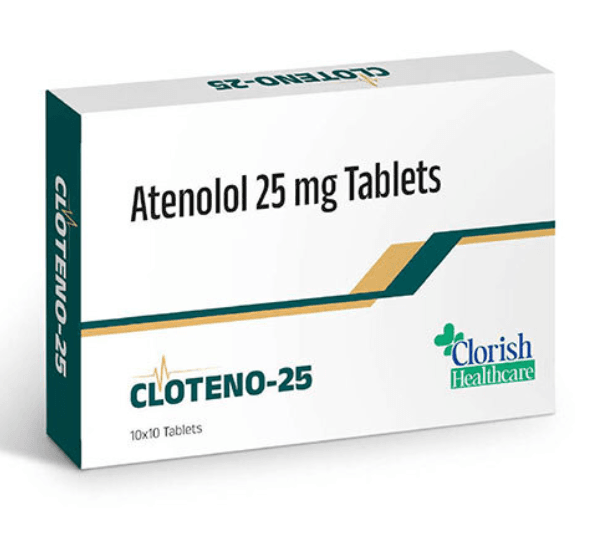
Atenolol
Atenolol 25 mg: How to Buy and Safety Basics
Price:
Price range: $24.99 through $91.99
You save


Atenolol is a prescription beta blocker used to help manage certain heart and blood pressure conditions. Some patients explore US shipping from Canada as part of maintaining continuity for ongoing prescriptions. This page summarizes how atenolol 25 mg is commonly used, what to know about dosing basics, safety, storage, and practical access steps.
What Atenolol Is and How It Works
Atenolol belongs to a medication class called beta-adrenergic blockers (beta blockers). It is considered relatively cardioselective (more active at beta-1 receptors in the heart than beta-2 receptors in the lungs) at lower doses, though selectivity is not absolute. By slowing the heart rate and reducing the force of contraction, it can lower blood pressure and decrease the heart’s oxygen demand, which is relevant for angina (chest pain from reduced blood flow to the heart). Prescription details may be confirmed with the prescriber before referral when needed.
This medicine is used in conditions such as hypertension (high blood pressure), angina, and in some cases after a heart attack. How a given dose feels can vary with age, kidney function, and other heart medicines. When a clinician prescribes atenolol 25 mg, the intent may be to start at a lower strength, adjust for renal clearance, or support a gradual titration plan.
Who It’s For
Atenolol may be prescribed for adults with high blood pressure, chronic stable angina, certain rhythm-related symptoms, or post–myocardial infarction management, depending on local labeling and clinician judgment. For condition-specific browsing, some people start with hub pages such as Hypertension Overview, Angina Overview, and Arrhythmia Overview. These hubs can help you see related therapies that may be discussed alongside beta blockers.
This medication is not appropriate for everyone. Common contraindications and “do not use” situations can include significant sinus bradycardia (very slow heart rate), certain second- or third-degree AV blocks without a pacemaker, cardiogenic shock, and hypersensitivity to the drug. Clinicians also use extra caution in asthma or COPD, peripheral vascular disease, diabetes (because beta blockers can mask some hypoglycemia warning signs), and untreated or decompensated heart failure. In pregnancy or breastfeeding, risk–benefit assessment is individualized.
Dosage and Usage
Atenolol tablets are taken by mouth. Many regimens use once-daily dosing, though some clinical situations use divided doses, especially during transitions or based on symptom timing. The prescriber selects a schedule using factors like resting heart rate, blood pressure readings, kidney function, and other cardiovascular medicines. If you are prescribed atenolol 25 mg, follow the label directions and the prescriber’s instructions, and avoid changing the dose on your own.
Because atenolol can slow the heart rate, clinicians may recommend periodic monitoring of pulse and blood pressure and, in some cases, an ECG (electrocardiogram) to review rhythm and conduction. If doses are missed, the safest next step depends on timing and your full regimen; a pharmacist can explain general label guidance, while your clinician can advise on individualized plans.
Quick tip: Keep a simple log of home readings and symptoms for your next appointment.
Strengths and Forms
Atenolol is most commonly supplied as an oral tablet. Availability can vary by jurisdiction and pharmacy supply, but many markets carry several strengths to support titration and maintenance therapy. Generic labeling may list different manufacturers, and patients may see names such as Tenormin as a branded reference as well as multiple generics.
Commonly referenced presentations include atenolol 25 mg oral tablet options as well as higher strengths. Some people ask about very small doses like 6.25 mg or 2.5 mg; these are not typical manufactured tablet strengths and may involve tablet splitting or compounding when a prescriber considers it appropriate.
| Form | Typical strengths seen | Notes |
|---|---|---|
| Oral tablet | 25 mg, 50 mg, 100 mg | Scored tablets may allow splitting when directed. |
Storage and Travel Basics
Atenolol tablets are generally stored at room temperature in a dry place, protected from excess heat and moisture. Keep the medication in its original container when possible, and ensure the cap is closed to reduce humidity exposure. Do not store routine medicines in a bathroom cabinet if it is consistently humid.
For travel, carry tablets in a labeled container and keep them in your carry-on bag to reduce loss risk. Time zone changes can affect dosing schedules, so it helps to review timing with a pharmacist before extended trips. If you use multiple cardiovascular medications, store them together and keep an up-to-date medication list that includes strengths and dosing times.
Side Effects and Safety
Like other beta blockers, atenolol can cause side effects related to slowing the heart and lowering blood pressure. Commonly reported effects include fatigue, dizziness or lightheadedness, cold hands or feet, and gastrointestinal upset. Some people notice sleep changes or vivid dreams, although this varies. If the medicine is used for symptom control (for example, palpitations), the balance between symptom relief and unwanted slowing may need clinical review.
More serious risks can include very slow heart rate, fainting, worsening heart failure symptoms (such as new swelling or shortness of breath), or bronchospasm (wheezing), especially in susceptible individuals. Seek urgent care for chest pain that is new or severe, signs of stroke, or severe breathing difficulty. If side effects appear after starting atenolol 25 mg, record what you notice and discuss it with your clinician rather than stopping abruptly.
Why it matters: Sudden withdrawal can worsen angina or trigger rebound symptoms.
Drug Interactions and Cautions
Atenolol may interact with other medicines that also slow heart rate or affect electrical conduction. Examples include certain calcium channel blockers (such as diltiazem or verapamil), digoxin, and some antiarrhythmics; combinations may be used intentionally but require monitoring. If you are using medicines for colds, allergies, or sinus symptoms, check labels for stimulants that can raise blood pressure or heart rate.
Additional cautions include clonidine (stopping clonidine abruptly can be risky when combined with beta blockers), NSAIDs (which may blunt blood pressure control in some people), and diabetes medications, because beta blockers can reduce recognition of tremor or palpitations during hypoglycemia. Before starting atenolol 25 mg, provide your clinician and pharmacist a complete medication list that includes over-the-counter products, inhalers, and supplements.
- Heart-rate slowing drugs: additive effects
- Blood pressure agents: monitoring needed
- Diabetes therapies: masked symptoms possible
- Anesthesia: perioperative planning
Compare With Alternatives
Several other drug classes can be used for blood pressure or angina management, and the best option depends on comorbidities and treatment goals. Within beta blockers, clinicians sometimes compare atenolol to Metoprolol, which is also relatively beta-1 selective and is commonly used across a range of cardiovascular indications. Another comparison is Propranolol, a nonselective beta blocker that may be chosen for different symptom patterns and has more beta-2 activity.
Outside of beta blockers, options may include ACE inhibitors, ARBs, calcium channel blockers, and diuretics, among others. For broad navigation, the Cardiovascular Products hub can help you see related medication categories. If anxiety symptoms are part of the discussion, note that beta blockers may be used off-label for physical symptoms such as tremor or performance-related palpitations, but they do not treat the underlying anxiety disorder for many people.
Pricing and Access
Access to atenolol is typically prescription-based, and documentation requirements can vary by jurisdiction. When permitted, dispensing is completed by licensed third-party pharmacies. If a prescription is unclear or incomplete, the care team may need to verify key details such as strength, directions, and prescriber information before a referral can proceed.
Out-of-pocket amounts depend on the tablet strength, manufacturer, and local coverage rules. Some plans treat beta blockers as preferred generics, while others apply different copays or require specific formulary versions. For people paying cash, the cost of atenolol 25 mg without insurance can vary based on pharmacy, supply chain, and quantity dispensed. If you are comparing options, it helps to confirm whether your prescription allows a therapeutically equivalent generic and whether substitutions are permitted.
Eligibility can affect whether cash-pay or cross-border fulfilment is possible. For general updates that may affect checkout totals, see Promotions Information. For broader context on cardiovascular risk factors that often travel with hypertension, you may also find these resources useful: Diabetes And High Blood Pressure, Manage Heart Health, Metabolic Syndrome, and Diabetes Cardiovascular Disease.
Authoritative Sources
For prescribing details, warnings, and pharmacology, refer to a current drug monograph or official label. A commonly used reference is the U.S. NIH DailyMed listing for atenolol: see the DailyMed atenolol search results.
For background on beta blockers in cardiovascular care, a neutral overview is available from a major professional organization: review the American Heart Association beta blockers overview.
If a pharmacy ships temperature-sensitive items, it may use prompt, express, cold-chain shipping to protect stability.
This content is for informational purposes only and is not a substitute for professional medical advice.
Express Shipping - from $25.00
Shipping with this method takes 3-5 days
Prices:
- Dry-Packed Products $25.00
- Cold-Packed Products $35.00
Standard Shipping - $15.00
Shipping with this method takes 5-10 days
Prices:
- Dry-Packed Products $15.00
- Not available for Cold-Packed products
What is atenolol used for?
Atenolol is a beta blocker used to treat conditions such as hypertension and angina, and it may be used in some post–heart attack care plans depending on local labeling. By slowing the heart rate and reducing how strongly the heart contracts, it can lower blood pressure and reduce cardiac workload. It may also be used for certain rhythm-related symptoms under clinician supervision. Your prescriber will consider other conditions and medications before deciding if it fits your situation.
Is Tenormin the same as generic atenolol?
Tenormin is a brand name historically associated with atenolol. Generic products contain the same active ingredient (atenolol) and must meet quality standards for identity, strength, and performance. Differences can include inactive ingredients, tablet appearance, or manufacturer (for example, Teva, Mylan, Actavis, or Sandoz). If you notice a change in tablet look or new side effects after a switch, a pharmacist can confirm the product and help you review possible causes.
How is atenolol 25 mg typically taken?
Atenolol is taken by mouth as a tablet, often once daily, though some regimens may use divided doses. The exact schedule depends on the condition being treated, kidney function, and other cardiovascular therapies. Take it exactly as directed on the prescription label. If you miss a dose, general label advice often depends on how close it is to the next dose; a pharmacist can explain typical instructions, and your prescriber can advise for your specific regimen.
Can atenolol be used for anxiety symptoms?
Some clinicians use beta blockers off-label to reduce physical symptoms that can accompany situational anxiety, such as tremor, flushing, or a pounding heartbeat. Atenolol is not a primary treatment for generalized anxiety or panic disorder, and it may not address the psychological components of anxiety. It can also cause low heart rate, low blood pressure, or fatigue in some people. Discuss risks, goals, and alternatives with a clinician before using it for anxiety-related symptoms.
What side effects should I watch for while taking atenolol?
Common effects include tiredness, dizziness, cold hands or feet, and sometimes sleep changes. More serious concerns include very slow heart rate, fainting, wheezing or shortness of breath, or signs of worsening heart failure such as swelling or increasing breathlessness. Beta blockers can also mask some warning signs of low blood sugar in people with diabetes. If you develop concerning symptoms, contact a healthcare professional promptly and do not stop the medication suddenly unless instructed.
What should I ask my clinician or pharmacist before starting atenolol?
Bring a full list of prescription drugs, over-the-counter products, and supplements. Ask how to monitor pulse and blood pressure at home, what symptoms should prompt urgent evaluation, and how the medication fits with your other heart medicines. If you have asthma/COPD, diabetes, kidney disease, or a history of fainting, ask how those factors change monitoring. Also ask what to do if doses are missed and whether tablet splitting is appropriate for your prescription.
Can I stop atenolol suddenly?
Stopping beta blockers abruptly can lead to rebound effects, including increased heart rate and blood pressure, and it may worsen angina in susceptible individuals. For that reason, clinicians often recommend a gradual taper when discontinuation is appropriate. The safest approach depends on why you take it, how long you have used it, and what other medicines you use. If you think you need to stop, contact your prescriber to discuss a plan rather than making changes on your own.
Rewards Program
Earn points on birthdays, product orders, reviews, friend referrals, and more! Enjoy your medication at unparalleled discounts while reaping rewards for every step you take with us.
You can read more about rewards here.
POINT VALUE
How to earn points
- 1Create an account and start earning.
- 2Earn points every time you shop or perform certain actions.
- 3Redeem points for exclusive discounts.
You Might Also Like
Select options
This product has multiple variants. The options may be chosen on the product page
Select options
This product has multiple variants. The options may be chosen on the product page
Select options
This product has multiple variants. The options may be chosen on the product page
Select options
This product has multiple variants. The options may be chosen on the product page
Related Articles
Uncategorized
High Blood Sugar: Symptoms, Causes, and Urgent Signs
Hyperglycemia is the medical term for glucose above your target range. In everyday language, it means high blood sugar. It can happen with diabetes, severe stress, illness, steroid medicines, or…
Respiratory, Weight Management
Zepbound for Sleep Apnea: Who It May Help and Why CPAP Still Matters
Zepbound for sleep apnea may be appropriate for some adults, but it is not a blanket replacement for standard apnea treatment. The current discussion mainly involves obstructive sleep apnea (OSA),…
Weight Management
Generic Wegovy: Availability, Alternatives, and Cost Context
Generic Wegovy is usually a search for a lower-cost semaglutide option, but the term can be misleading. A true generic is a regulator-approved equivalent to a brand medicine, and patients…
Type 2 Diabetes,
Generic Ozempic Explained for Patients and Caregivers
Key Takeaways People searching generic ozempic are usually trying to confirm whether a lower-cost semaglutide option is a true approved equivalent, a compounded product, or a different diabetes medicine. Separate…