
Please note: a valid prescription is required for all prescription medication.
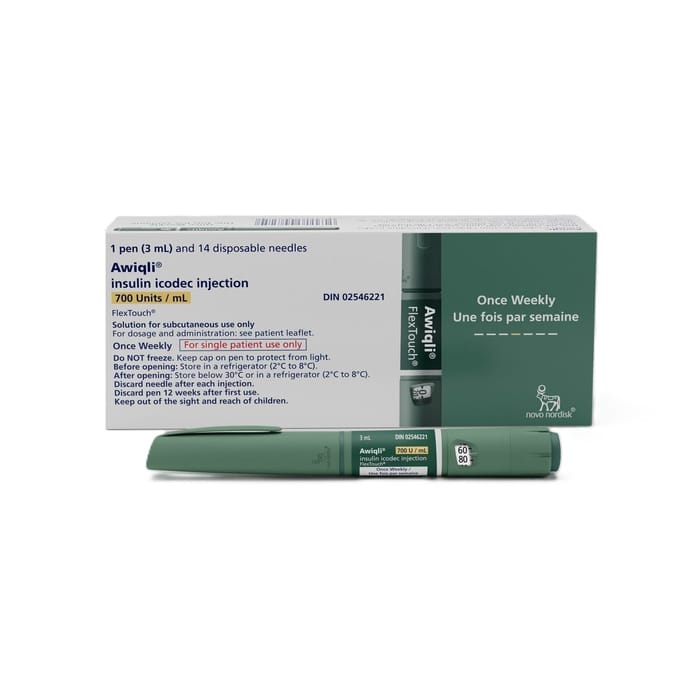
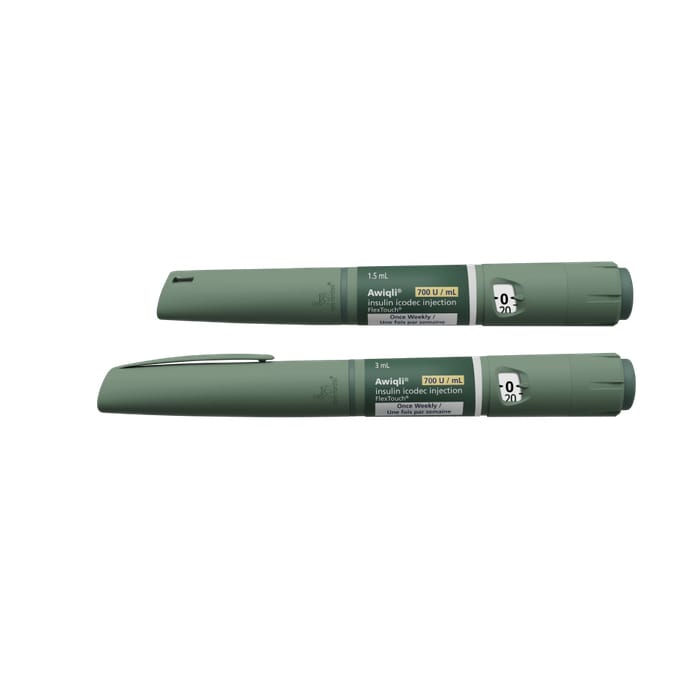
Awiqli FlexTouch Pen
Buy Awiqli FlexTouch Pen Online


Awiqli FlexTouch Pen contains insulin icodec, a long-acting basal insulin used for background glucose control. It can be bought online with the pen strength and quantity shown during ordering, then matched to the directions from your healthcare professional. This once-weekly insulin pen is different from rapid-acting mealtime insulin and should not be used for emergency treatment of high blood sugar.
Awiqli is designed to provide glucose-lowering coverage over seven days. The FlexTouch pen is a prefilled injection device for single-patient use, and the active ingredient, insulin icodec, should not be substituted with another basal insulin unless a clinician gives specific transition instructions. US delivery from Canada may be available through the ordering process, with insulin handling needs considered because the medicine is temperature-sensitive.
Awiqli FlexTouch Pen Price and Strength Selection
The Awiqli FlexTouch Pen price depends on the pen strength, total insulin content, and quantity chosen during ordering. Read the displayed cost together with the exact pen description rather than relying only on the brand name. Insulin products can differ by concentration, total units, device design, and dose delivery, even when they belong to the same broad basal insulin category.
A pen with more total insulin is not automatically a larger single dose. Total units describe how much insulin the pen contains, while the dose set on the device follows individualized instructions. The official labeling describes FlexTouch pens that deliver doses in 10-unit increments and can deliver up to 700 units in one injection. That device information helps explain why the pen format must match the treatment plan.
Awiqli may be supplied in single-patient-use prefilled pens with labeled total insulin contents such as 700 units, 1050 units, or 2100 units. The exact pen strength and quantity should be checked against the directions given for your weekly basal insulin schedule. If the directions are unclear, clarify them before using the pen.
| Ordering detail | What to check | Why it matters |
|---|---|---|
| Pen strength | Match the strength shown during ordering to your directions. | Different insulin pens are not interchangeable by appearance. |
| Total units | Read total insulin content with the pen description. | Total contents are separate from the weekly dose. |
| Quantity | Confirm the number of pens or packs being ordered. | The final cost changes with quantity. |
| Dose increments | Use the FlexTouch dose steps described in the instructions. | The dose setting must follow the prescribed plan. |
| Needles and supplies | Check whether compatible pen needles are separate. | A new needle is needed for each injection. |
Quick tip: Match the active ingredient, pen strength, total units, and quantity before checkout.
How to Order Awiqli FlexTouch Pen Online
Choose the Awiqli FlexTouch Pen strength and quantity that align with your current directions, then complete the required order information. Keep the clinic contact information and written instructions nearby if order details need to be clarified. We may help confirm medication and direction details when documentation is required for safe processing.
Insulin is a cold-chain product, so handling is part of the order decision. Prompt, express, cold-chain shipping may be used for temperature-sensitive insulin. When the package arrives, follow any included instructions and contact a healthcare professional if the pen appears frozen, overheated, damaged, leaking, cloudy, discolored, or otherwise unusual.
Do not start, stop, or switch basal insulin because another pen appears similar online. Awiqli is insulin icodec in a FlexTouch pen, and other basal insulins may use different active ingredients, concentrations, schedules, and transition rules. The practical ordering goal is to choose the exact medicine and pen format that match the treatment plan.
What Awiqli Is Used For
Awiqli is a basal insulin used to help control high blood sugar in adults when a clinician decides that insulin icodec is appropriate. Basal insulin works in the background between meals and overnight. It is not a rapid-acting insulin for meals, correction dosing, or urgent treatment of severe hyperglycemia.
Label wording can differ by country. The U.S. prescribing information describes Awiqli as an adjunct to diet and exercise to improve glycemic control in adults with type 2 diabetes. Other product information may describe adult diabetes mellitus more broadly, so the label provided with your medicine and the clinician’s plan should guide use.
Awiqli is not intended to treat diabetic ketoacidosis. Seek urgent medical care for severe high blood sugar with vomiting, dehydration, confusion, deep or difficult breathing, or other emergency symptoms. For broader diabetes browsing, the Diabetes Products category can help place insulin pens, glucose-control medicines, and related supplies in context.
Once-Weekly Insulin Icodec and Dose Timing
Awiqli is usually used once weekly as background insulin. Once-weekly dosing can be convenient for some treatment plans, but it also makes timing errors important. Because insulin icodec remains active for several days, an extra dose, delayed dose, or missed dose can affect glucose control beyond a single day.
Do not use a general insulin chart to change the dose. Dose selection, titration, transition from another insulin, and missed-dose instructions depend on glucose readings, current medicines, kidney or liver status, diet, activity, and the clinician’s plan. More frequent glucose monitoring may be recommended when therapy starts, changes, or is interrupted.
The pen should be prepared and used according to the instructions that come with the medicine. Attach a new compatible needle for each injection, prime the pen if the instructions require it, set the prescribed dose, and dispose of the needle safely after use. Never store the pen with a needle attached, because this can increase leakage, contamination risk, or inaccurate dosing.
- Active ingredient: insulin icodec.
- Insulin type: long-acting basal insulin analog.
- Device: prefilled FlexTouch insulin pen.
- Use pattern: generally once weekly when prescribed that way.
- Needle practice: use a new compatible needle for each injection.
- Sharing rule: never share the pen, even if the needle is changed.
The Diabetes condition section can help explain how basal insulin fits within broader glucose management, including monitoring and treatment-plan discussions.
Storage, Handling, and Travel Basics
Storage conditions affect insulin quality. Keep unopened Awiqli pens refrigerated according to the package instructions, and do not freeze them. If a pen has been frozen, exposed to direct heat, or left outside labeled temperature limits, do not assume it is safe to use.
After first use, follow the in-use temperature limits and discard period stated in the patient instructions. Keep the cap on when the pen is not being used, and protect it from light and heat. Do not use the pen if the solution looks cloudy, colored, contains particles, or the device appears damaged.
Travel requires basic planning. Keep insulin away from checked-luggage temperature extremes, avoid direct contact with ice packs, and carry compatible needles, glucose monitoring materials, and a sharps disposal plan. If you cross time zones, ask your healthcare professional how to keep the weekly schedule consistent.
Why it matters: Temperature damage can reduce insulin quality before any visible change appears.
Side Effects, Warnings, and Monitoring
Low blood sugar, also called hypoglycemia, is the most important safety concern with insulin. Symptoms may include shakiness, sweating, hunger, fast heartbeat, headache, dizziness, confusion, irritability, or unusual sleepiness. Severe hypoglycemia can cause seizures, loss of consciousness, or the need for emergency treatment.
The risk of low blood sugar may increase with extra insulin, timing mistakes, missed meals, alcohol use, increased physical activity, kidney problems, liver problems, or changes to other diabetes medicines. Because Awiqli is once weekly, dose errors may have prolonged effects. Follow the glucose monitoring plan provided for you, especially during treatment changes.
Do not use insulin during an episode of low blood sugar. Awiqli should not be used by anyone with a known serious allergy to insulin icodec or any ingredient in the product. Seek urgent help for signs of a serious allergic reaction, including trouble breathing, swelling of the face or throat, widespread rash, severe dizziness, or rapid heartbeat.
Injection-site reactions can occur, including redness, swelling, itching, bruising, or discomfort. Repeated injections into the same area can cause lipodystrophy, which means changes in fat tissue, or localized cutaneous amyloidosis, which means firm deposits under the skin. Rotate injection sites within the recommended areas and avoid skin that is thickened, pitted, bruised, scarred, tender, or damaged.
Insulin can cause weight gain and may lower potassium levels in some people. Low potassium can be serious, especially for patients using certain heart medicines or those with risk factors for electrolyte problems. Tell a healthcare professional about heart disease, kidney disease, liver disease, pregnancy, planned surgery, major diet changes, recurrent low blood sugar, or frequent missed doses.
Never share an Awiqli FlexTouch Pen with another person, even with a new needle. Sharing pens can transmit infections. Put used needles into an appropriate sharps container rather than household trash, loose bags, or recycling.
Interactions and Medicines That May Affect Glucose
Other medicines can change how insulin affects blood glucose. Some diabetes medicines, certain blood pressure medicines, and alcohol may increase the risk of low blood sugar. Corticosteroids, some diuretics, thyroid medicines, and other drugs may raise glucose or change insulin needs.
Beta-blockers may mask warning signs of low blood sugar, such as a fast heartbeat. Thiazolidinediones, also called TZDs, can cause fluid retention when used with insulin and may worsen heart failure in some patients. Report shortness of breath, rapid weight gain, or swelling in the legs or ankles, especially if heart problems are part of your history.
Monitoring helps keep once-weekly basal insulin use safer. Blood glucose readings, A1C results, kidney function, liver status, potassium risk, diet changes, activity changes, illness, and missed-dose patterns can all affect a clinician’s plan. Do not adjust the weekly dose or timing based only on general information.
How It Compares With Other Basal Insulin Pens
Awiqli is a once-weekly basal insulin. Many other basal insulins are taken daily, which can affect routines, dose changes, transition instructions, and missed-dose handling. A similar prefilled pen shape does not mean the active ingredient, concentration, or schedule is the same.
If other insulin products are part of the treatment discussion, compare their active ingredients and intended timing. Rapid-acting insulin, premixed insulin, GLP-1 medicines, glucose meters, and continuous glucose monitors serve different roles. They should not be treated as substitutes for a basal insulin pen unless a clinician gives a specific plan.
For general condition education and medicine updates, the Diabetes Articles section may help you prepare questions about insulin schedules, storage, monitoring, and treatment changes. Use educational material to support conversations, not to replace individualized diabetes care.
Questions to Clarify Before Using the Pen
Before the first injection, confirm the weekly injection day, dose, missed-dose instructions, glucose monitoring plan, and whether other diabetes medicines should continue unchanged. Also ask which injection sites are recommended and how often to rotate within those areas.
Ask what to do if your eating pattern changes, activity increases, alcohol intake changes, or illness affects glucose readings. These situations can change insulin needs and may increase hypoglycemia risk. If you have frequent low readings or unexplained high readings, contact a healthcare professional rather than repeatedly correcting on your own.
Bring the pen name, strength, total units, and current medicine list to appointments. This is especially important when switching from another basal insulin, starting a medicine that affects blood sugar, or planning surgery. Clear documentation reduces the chance of duplicated insulin or schedule confusion.
Authoritative Sources
Official labeling supports the labeled use, device dosing increments, contraindications, hypoglycemia warning, storage, and safety information for this medicine: Official U.S. prescribing information.
Use official labeling and healthcare-professional instructions as the final reference for dose timing, missed doses, storage limits, side effects, and warnings. Product and educational information can help with ordering and preparation, but it cannot replace individualized diabetes treatment decisions.
This content is for informational purposes only and is not a substitute for professional medical advice.
Blood Glucose Unit Converter
Convert glucose readings between mg/dL and mmol/L without changing the clinical value.
mg/dL
-
US reporting unit
mmol/L
-
International reporting unit
These calculations are for education only and do not replace clinical advice, diagnosis, or treatment. Always confirm medical decisions with a qualified healthcare professional.
HbA1c & eAG Calculator
Convert between HbA1c percentage and estimated average glucose using the ADAG relationship.
HbA1c
-
percentage
eAG mg/dL
-
estimated average glucose
eAG mmol/L
-
estimated average glucose
These calculations are for education only and do not replace clinical advice, diagnosis, or treatment. Always confirm medical decisions with a qualified healthcare professional.
CGM Time-in-Range Summary
Summarise CGM percentages across very low, low, in-range, high, and very high glucose bands.
Entered total
-
should equal 100%
Below range
-
very low plus low
Above range
-
high plus very high
Summary
-
common adult CGM targets vary by patient
These calculations are for education only and do not replace clinical advice, diagnosis, or treatment. Always confirm medical decisions with a qualified healthcare professional.
Carb Serving Calculator
Convert total carbohydrate grams into carb choices for meal planning and diabetes education.
Carb choices
-
total carbs divided by choice size
Rounded choices
-
nearest half choice
Carb calories
-
4 kcal per gram
These calculations are for education only and do not replace clinical advice, diagnosis, or treatment. Always confirm medical decisions with a qualified healthcare professional.
Corrected Sodium Calculator
Estimate sodium corrected for hyperglycemia using common 1.6 and 2.4 correction factors.
Corrected sodium
-
1.6 factor
Corrected sodium
-
2.4 factor
These calculations are for education only and do not replace clinical advice, diagnosis, or treatment. Always confirm medical decisions with a qualified healthcare professional.
Express Shipping - from $29.99
Shipping with this method takes 3-5 days
Prices:
- Dry-Packed Products $29.99
- Cold-Packed Products $39.99
Standard Shipping - $19.99
Shipping with this method takes 5-10 days
Prices:
- Dry-Packed Products $19.99
- Not available for Cold-Packed products
What is Awiqli FlexTouch Pen used for?
Awiqli FlexTouch Pen contains insulin icodec, a long-acting basal insulin used to help control high blood sugar in adults when prescribed as part of a diabetes treatment plan. The U.S. label describes use in adults with type 2 diabetes as an adjunct to diet and exercise.
Can insulin be taken once a week?
Some basal insulins, including insulin icodec in Awiqli, are designed for once-weekly use. The weekly schedule, dose, titration, and missed-dose instructions must come from a healthcare professional because the medicine remains active for several days.
Is Awiqli for type 1 diabetes?
Use depends on the approved label in your country and the clinician’s treatment plan. The U.S. prescribing information describes Awiqli for adults with type 2 diabetes and states that it is not indicated to treat diabetic ketoacidosis.
What are common side effects of Awiqli insulin?
The most important side effect is low blood sugar, which may cause shakiness, sweating, hunger, fast heartbeat, dizziness, headache, confusion, or sleepiness. Injection-site reactions, weight gain, allergic reactions, and low potassium are also important safety considerations.
How should Awiqli FlexTouch Pen be stored?
Unopened pens should be refrigerated according to the package instructions and must not be frozen. After first use, follow the in-use temperature limits and discard period in the instructions, keep the cap on, and do not store the pen with a needle attached.
Rewards Program
Earn points on birthdays, product orders, reviews, friend referrals, and more! Enjoy your medication at unparalleled discounts while reaping rewards for every step you take with us.
You can read more about rewards here.
POINT VALUE
How to earn points
- 1Create an account and start earning.
- 2Earn points every time you shop or perform certain actions.
- 3Redeem points for exclusive discounts.
You Might Also Like
Select options
This product has multiple variants. The options may be chosen on the product page
Select options
This product has multiple variants. The options may be chosen on the product page
Select options
This product has multiple variants. The options may be chosen on the product page
Select options
This product has multiple variants. The options may be chosen on the product page