
Please note: a valid prescription is required for all prescription medication.
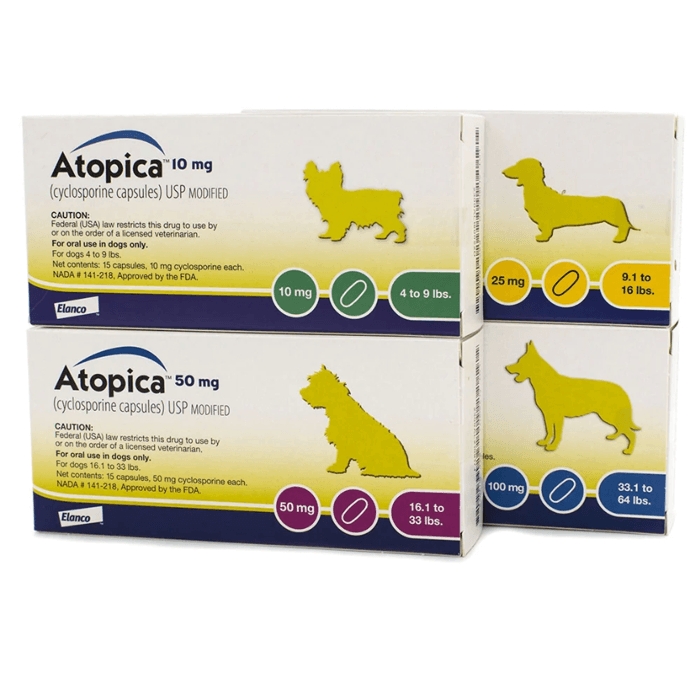
Atopica for Dogs
Atopica for Dogs Product Overview, Uses, and Safety
Price:
Price range: $67.99 through $153.99
You save


Atopica for Dogs is a prescription veterinary medicine that contains cyclosporine, an immune-modulating drug used to manage allergic skin inflammation. It is most often used for canine atopic dermatitis, a chronic condition that can cause itching, redness, and recurrent skin or ear problems. This page summarizes how the medication works, typical use patterns, key safety considerations, and practical handling basics.
Because allergy symptoms can overlap with parasites or infections, diagnosis and follow-up with a veterinarian remain important. Long-term plans often include skin care, trigger control, and monitoring for side effects.
This overview is written for dog owners and caregivers who want a clear, label-aligned explanation to support informed conversations with their veterinary team.
What Atopica for Dogs Is and How It Works
This medicine is a modified form of cyclosporine, an immunosuppressant used in veterinary dermatology. Cyclosporine is a calcineurin inhibitor (immune-signal blocker) that reduces activation of certain T cells and decreases inflammatory signaling in the skin. In plain language, it can calm an overactive allergic response that drives itching and redness. The effect is not immediate for many dogs, so veterinarians often set expectations that improvement may take weeks, not days.
Some patients explore Ships from Canada to US when coordinating ongoing therapy for chronic allergic skin disease. Regardless of where it is obtained, cyclosporine works the same way in the body, and consistency with the prescribed product and dosing schedule matters for reliable monitoring.
Prescription details may be confirmed with the prescribing veterinarian before a referral is completed. That verification step helps ensure the intended strength and directions match what is being used at home, especially if the dog has other conditions or is taking multiple medicines.
Who It’s For
Veterinarians generally prescribe Atopica for Dogs for the control of atopic dermatitis in dogs, particularly when environmental allergies are suspected or confirmed. It is intended for longer-term management when itch and skin inflammation are persistent, and when topical care or simpler approaches have not been enough. If you are reviewing condition background, the Canine Atopic Dermatitis hub can help with terminology and common treatment categories.
Cyclosporine is not appropriate for every dog. It is commonly avoided or used with extra caution in situations such as suspected cancer, a history of serious infections, or significant immune compromise. Veterinarians may also be cautious in very young or very small dogs and in dogs used for breeding, pregnancy, or nursing, based on product labeling and individual risk assessment.
- Often considered when: allergic itching is chronic and recurrent.
- May be deferred when: untreated infection is present.
- Needs veterinary review when: the dog has complex comorbidities.
Why it matters: Treating infection or parasites first can change what “allergy symptoms” look like.
Dosage and Usage
Atopica for Dogs is taken by mouth as capsules. Label-based regimens commonly start with daily dosing for an initial period, followed by a veterinarian-directed reduction in frequency for maintenance once the condition is controlled. The exact schedule can vary based on response, side effects, and concurrent therapies, so dose changes should be directed by the prescriber rather than adjusted independently.
Cyclosporine absorption can be affected by food. Many veterinary directions specify giving the capsule apart from meals to improve consistency, and administering it the same way each day. If a dose is missed, follow the prescriber’s instructions; doubling the next dose is not a routine default. For broader context on how chronic medications are grouped and described, the site’s resource on Common Diabetes Medications provides a helpful example of “class and mechanism” explanations, even though it covers a different condition area.
Capsules should typically be handled in a clean, dry way and given as directed. Do not crush or open the capsule unless a veterinarian specifically instructs it, since taste and dosing accuracy can become issues.
Strengths and Forms
Atopica for Dogs is supplied as oral capsules, and strengths commonly used in dogs include 10 mg, 25 mg, 50 mg, and 100 mg. The veterinarian selects a strength based on the dog’s body size and the prescribed regimen, sometimes using combinations of capsule sizes. Availability can vary by pharmacy and jurisdiction, so the exact presentation you receive may differ even when the prescribed strength is the same.
Cyclosporine products can differ in formulation (for example, “modified” forms designed for more consistent absorption). For that reason, substitution between brands or between compounded products should be discussed with the prescribing veterinarian. In some cases, a compounded oral liquid may be considered for dogs that cannot swallow capsules, but compounded preparations may have different stability and consistency considerations compared with the labeled product.
| Form | Typical strengths | Notes |
|---|---|---|
| Capsules | 10 mg, 25 mg, 50 mg, 100 mg | Strength selection is veterinarian-directed. |
Storage and Travel Basics
Store cyclosporine capsules at controlled room temperature, away from direct heat, moisture, and light. Keep the medicine in its original packaging until use, and avoid storing it in humid locations such as bathrooms or near kitchen sinks. If a capsule looks damaged or has leaked, set it aside and ask a pharmacist or veterinarian how to dispose of it safely.
When traveling, keep the medication in a temperature-stable bag and carry a copy of the prescription information. This is especially useful when a dog needs consistent daily dosing. General packing ideas for medications while away from home are discussed in Travel With Zepbound; while the article is about a different therapy area, the organization tips (documentation, timing, and secure storage) are broadly applicable.
Quick tip: Keep a current medication list in your phone for vet visits.
Side Effects and Safety
Like other immunomodulating drugs, Atopica for Dogs can cause side effects, most commonly involving the gastrointestinal tract. Vomiting, diarrhea, soft stools, and reduced appetite are frequently reported, especially early in treatment. Some dogs may also show tiredness, changes in hair coat, or gum overgrowth (gingival hyperplasia). Because the medicine affects immune function, infections of the skin or ears can still occur and may need prompt evaluation.
More serious concerns are uncommon but important to recognize. Contact a veterinarian promptly for symptoms such as persistent vomiting, marked lethargy, new lumps, pale gums, yellowing of the eyes or skin, significant changes in drinking or urination, or signs of severe infection (fever, draining wounds, or rapidly worsening skin lesions). The site’s general safety framing in Ozempic Danger Practical Safety illustrates how to think about “common versus urgent” symptoms, even though it is written for a different patient population.
- Common: stomach upset or soft stools.
- Less common: gum changes or coat changes.
- Urgent: severe infection signs or unusual weakness.
Routine rechecks allow the veterinarian to assess skin control, look for infection, and decide whether treatment frequency should be changed. If your dog has other chronic conditions, the prescriber may recommend additional monitoring based on the full medication profile.
Drug Interactions and Cautions
Cyclosporine can interact with other medicines that affect liver metabolism pathways, which can change cyclosporine levels in the body. Some antifungals and certain antibiotics may increase cyclosporine exposure, while other drugs may lower it. Because dogs with allergic skin disease may also receive antipruritics, antibiotics, antifungals, or flea/tick preventives, it is important for the prescriber to know everything the dog takes, including supplements and any compounded products.
Additional caution is often used when cyclosporine is combined with other immunosuppressants, since the combined effect can increase infection risk. Vaccination timing and immune response are also topics to discuss with the veterinary team, particularly if the dog is receiving long-term therapy. For a practical example of why complete medication lists matter in chronic care, see Living With Diabetes, which emphasizes consistent documentation and routine follow-up.
If the dog has a history of pancreatitis, diabetes, kidney disease, liver disease, or cancer, the prescriber may adjust the plan or choose another option. Do not start or stop interacting medications without veterinary guidance.
Compare With Alternatives
Atopic dermatitis management often involves a mix of therapies, and cyclosporine is one option among several. Your veterinarian may compare this approach with other systemic treatments based on itch severity, infection history, the dog’s age, and household preferences. In many dogs, background measures like consistent parasite control, skin barrier support, and avoidance of known triggers remain part of the plan.
Common alternatives or complements include oclacitinib (Apoquel) and lokivetmab (Cytopoint), which target itch and allergic signaling through different pathways. Glucocorticoids (steroids) may be used in some situations but can have notable short- and long-term risks, especially with repeated use. Allergen-specific immunotherapy (allergy shots or drops) may be considered when testing supports it, aiming to reduce sensitivity over time rather than only suppressing symptoms.
Topical options also matter, including medicated shampoos, sprays, and antiseptic wipes for secondary infection control. To browse other animal health items that may be used alongside a skin plan, the Pet Medications category can serve as a navigation hub.
Pricing and Access
Access to Atopica for Dogs typically requires a valid veterinary prescription, and the prescribed strength and directions should match the dog’s current plan. Coverage can vary if a household uses pet insurance, and many families also consider cash-pay budgeting for chronic medications. If you are comparing options without insurance, it can help to review total care needs, including follow-up visits and any recommended testing.
Dispensing is handled by licensed third-party pharmacies where permitted. Practical factors that can affect access include the requested capsule strength, the quantity supplied, whether refills are authorized, and whether the prescriber wants reassessment before continuing maintenance therapy. If documentation needs to be clarified, prescription directions may be re-verified with the clinic to reduce avoidable delays.
Some people also look for general strategies to plan for ongoing medication expenses; the discussion in Cut Insulin Costs is written for diabetes care, but the budgeting concepts (tracking, comparing, and planning refills) may still be useful. Site-wide informational updates may also be listed on Promotions Information when available.
Authoritative Sources
For product-approval context and labeling references, see the FDA database entry point at FDA Animal Drugs at FDA.
For a clinical overview of allergic skin disease, see the condition summary in Merck Veterinary Manual.
If temperature control is needed, prompt, express, cold-chain shipping can reduce heat exposure during transit.
This content is for informational purposes only and is not a substitute for professional medical advice.
Express Shipping - from $25.00
Shipping with this method takes 3-5 days
Prices:
- Dry-Packed Products $25.00
- Cold-Packed Products $35.00
Standard Shipping - $15.00
Shipping with this method takes 5-10 days
Prices:
- Dry-Packed Products $15.00
- Not available for Cold-Packed products
What is Atopica used for in dogs?
Atopica is a veterinary formulation of cyclosporine that is commonly prescribed to help control canine atopic dermatitis (environmental allergy-related skin inflammation). It is used to reduce itching and inflammatory skin changes that can lead to scratching, redness, and secondary infections. A veterinarian typically confirms that parasites and active infections are addressed first, since those problems can mimic allergies. Treatment plans often include additional measures such as skin-barrier care, bathing routines, and trigger reduction, alongside prescription therapy.
How long does cyclosporine take to work for itching in dogs?
Cyclosporine does not work like a fast-acting antipruritic in every dog. Many dogs need time before itch and skin inflammation noticeably improve, and veterinarians often monitor response over several weeks. If itching is severe, a clinician may recommend interim steps to keep the dog comfortable while cyclosporine reaches a steady effect. If symptoms worsen, new hot spots appear, or ear infections recur during the early phase, the dog may need an exam to rule out infection or other contributors.
Should Atopica be given with food or on an empty stomach?
Veterinary directions commonly recommend giving cyclosporine capsules apart from meals, because food can affect absorption and make blood levels less predictable. However, some dogs get stomach upset, and a veterinarian may adjust administration instructions to balance tolerability with consistency. The best approach is to follow the prescription label and use the same routine each day. If vomiting occurs soon after a dose or if the dog refuses the capsule repeatedly, contact the veterinary clinic for practical next steps.
What side effects should I watch for while my dog is taking Atopica?
The most common issues are gastrointestinal, such as vomiting, diarrhea, soft stools, or reduced appetite, especially early in treatment. Other possible effects include tiredness, gum overgrowth, or skin and coat changes. Because cyclosporine affects immune function, watch for signs of infection like worsening skin sores, fever, foul-smelling ears, or unusual lethargy. Seek veterinary care promptly for persistent vomiting, marked weakness, yellowing of the eyes or skin, or any rapidly progressing symptoms.
What monitoring does my dog need on cyclosporine therapy?
Monitoring depends on the dog’s health status and how long treatment is expected to continue. Many veterinarians schedule rechecks to assess skin control, confirm that infections are not present, and decide whether dosing frequency can be reduced for maintenance. Dogs with other conditions (such as diabetes, kidney disease, liver disease, or a cancer history) may need closer follow-up or periodic lab work, based on the prescriber’s judgment. Keep an updated medication list and report any new drugs or supplements.
Can Atopica be used with other allergy treatments like Apoquel or Cytopoint?
Combination plans are sometimes used in veterinary dermatology, but they require individualized oversight. Cyclosporine suppresses parts of the immune response, while other therapies may target itch pathways differently. A veterinarian will weigh potential benefits against added infection risk and the dog’s overall health profile. If more than one systemic therapy is considered, it is important to discuss timing, monitoring, and what symptoms should trigger a recheck. Do not combine prescription allergy treatments without explicit veterinary instructions.
What should I ask my veterinarian before starting Atopica?
Useful questions include: what diagnosis is being treated (atopic dermatitis versus infection or parasites), how long a trial should last before judging response, and what the plan is for maintenance dosing. Ask how to give the capsule in relation to meals, what side effects are most likely in your dog, and which symptoms are urgent. It also helps to review the dog’s full medication and supplement list for interaction concerns. Finally, confirm follow-up timing and whether any lab monitoring is recommended.
Rewards Program
Earn points on birthdays, product orders, reviews, friend referrals, and more! Enjoy your medication at unparalleled discounts while reaping rewards for every step you take with us.
You can read more about rewards here.
POINT VALUE
How to earn points
- 1Create an account and start earning.
- 2Earn points every time you shop or perform certain actions.
- 3Redeem points for exclusive discounts.
You Might Also Like
Select options
This product has multiple variants. The options may be chosen on the product page
Select options
This product has multiple variants. The options may be chosen on the product page
Timolol Maleate Ophthalmic Solution
Price range: $38.99 through $42.99
You save
- In Stock
- Express Shipping
Select options
This product has multiple variants. The options may be chosen on the product page
Related Articles
Type 2 Diabetes,
Oral Wegovy Explained: Facts, Risks, and Access Options
The phrase oral wegovy is best understood as a search term, not a settled product name. Most people use it to mean a pill version of semaglutide for weight management,…
Diabetes, General Health,
Glp-1 Drugs Over The Counter: What’s Real And What’s Not
Key Takeaways Prescription GLP-1 medicines are not sold as true OTC drugs. Many “GLP-1” supplements aim to support fullness, not mimic prescriptions. Online “no prescription” offers raise counterfeit and quality…
Diabetes, Type 2
GLP-1 Cost Without Insurance: Compare Cash-Pay Options
Key Takeaways Many people searching for glp-1 cost without insurance are trying to plan for a long-term expense. The total can change based on the drug, the pharmacy, and how…
Cardiovascular, Diabetes, Nephrology,
SGLT2 Inhibitors Drugs: Names, Uses, And Safety Notes
Key Takeaways They lower glucose by increasing urinary sugar loss. Common options include dapagliflozin, empagliflozin, canagliflozin, and ertugliflozin. Some products combine an SGLT2 inhibitor with metformin. Risks include dehydration and…