

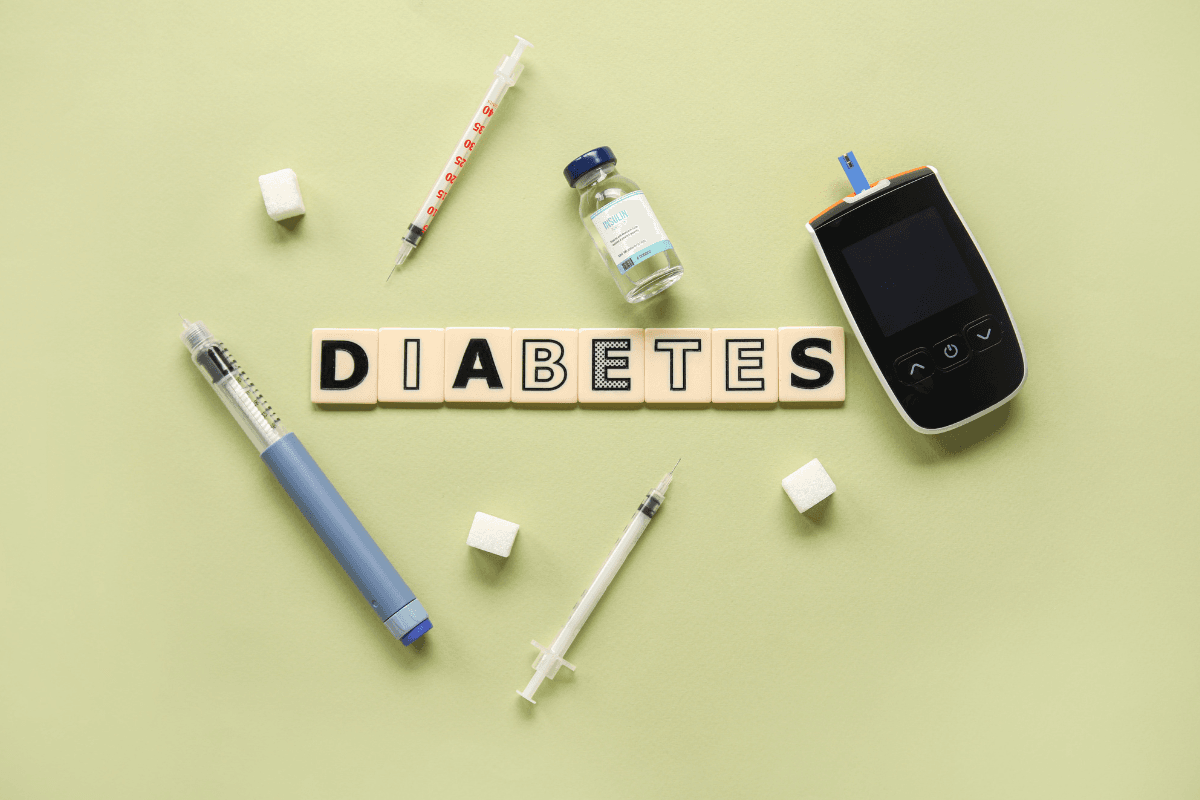
Common diabetes medications lower blood glucose in different ways, so the right choice depends on diabetes type, A1C goals, kidney function, heart health, weight goals, side-effect risk, and personal preferences. Metformin is often a first medicine for type 2 diabetes when tolerated, while insulin is essential for type 1 diabetes and remains important for many people with type 2 diabetes.
This overview explains the main medication classes, how they work, and when clinicians commonly consider them. It also clarifies why there is no single “best” medicine for every person.
Key Takeaways
- Different classes lower glucose through different body systems.
- Metformin remains a common starting point for type 2 diabetes.
- Insulin is required for type 1 diabetes and sometimes needed in type 2.
- SGLT2 inhibitors and GLP-1 medicines may support heart, kidney, or weight goals in selected people.
- Side effects, cost, kidney function, and hypoglycemia risk shape medication choices.
How Common Diabetes Medications Fit Into Care
Diabetes medicines are chosen to lower glucose safely while matching a person’s broader health risks. In type 1 diabetes, the pancreas makes little or no insulin, so insulin replacement is required. In type 2 diabetes, the body may resist insulin, make less insulin over time, or produce too much glucose from the liver. Treatment often starts with lifestyle support and one medicine, then changes as needs evolve.
Clinicians usually look at several practical questions before choosing or adding therapy. Is the A1C far above target? Is low blood sugar a major concern? Does the person have heart failure, chronic kidney disease, or established cardiovascular disease? Are weight change, stomach side effects, or injection comfort important? These answers often matter more than ranking medicines in a simple top-10 list.
Why it matters: A medicine that works well for one person may be a poor fit for another.
If you want a narrower look at tablet-based options, this related overview of Oral Diabetes Medications explains common oral classes in more detail.
Diabetes Medication Classes and How They Work
Most diabetes medication names belong to a class. The class tells you the main mechanism, likely benefits, and key safety issues. Brand names can change, but the active ingredient and class are the most important details to confirm.
| Class | How It Works | Common Examples | Key Watch Points |
|---|---|---|---|
| Biguanide | Reduces glucose production by the liver | Metformin | Stomach upset; kidney function review |
| SGLT2 inhibitor | Helps remove glucose through urine | Dapagliflozin, empagliflozin, canagliflozin | Genital infections, dehydration, rare ketoacidosis |
| GLP-1 receptor agonist | Increases glucose-dependent insulin release and slows stomach emptying | Semaglutide, dulaglutide, liraglutide | Nausea, vomiting, gallbladder concerns in some people |
| Dual incretin agonist | Targets incretin pathways involved in insulin and appetite signaling | Tirzepatide | Gastrointestinal effects; injection use |
| DPP-4 inhibitor | Prolongs natural incretin hormones | Sitagliptin, linagliptin, saxagliptin | Usually weight-neutral; kidney dosing may matter |
| Sulfonylurea | Stimulates the pancreas to release insulin | Glipizide, gliclazide, glimepiride | Hypoglycemia and weight gain risk |
| Meglitinide | Short-acting insulin release around meals | Repaglinide, nateglinide | Hypoglycemia if meals are missed |
| TZD | Improves insulin sensitivity | Pioglitazone | Fluid retention; not ideal for some heart failure patients |
| Alpha-glucosidase inhibitor | Slows carbohydrate breakdown in the gut | Acarbose, miglitol | Gas and bloating |
| Insulin | Replaces or supplements insulin | Glargine, degludec, lispro, aspart | Hypoglycemia; injection timing and technique |
| Amylin analog | Slows stomach emptying and affects post-meal glucose | Pramlintide | Hypoglycemia risk when used with insulin |
This diabetes medications chart is a starting point, not a prescribing tool. Your clinician may use different examples depending on local availability, coverage, allergies, and other conditions.
Oral Options: Metformin, SGLT2 Inhibitors, and More
Oral medicines are often used first in type 2 diabetes because they are familiar and practical. Metformin is the most common medication for type 2 diabetes in many treatment plans. It lowers liver glucose output and may improve how the body responds to insulin. It does not usually cause low blood sugar when used alone, but stomach effects can limit tolerability.
SGLT2 inhibitors are tablets that help the kidneys pass excess glucose into urine. This class may be considered when heart failure, kidney disease, or weight goals are part of the treatment discussion. Dapagliflozin is one example; people comparing class details can review the product context for Farxiga Dapagliflozin. Product pages should not replace clinician guidance, but they can help identify active ingredients and dosage forms.
DPP-4 inhibitors are another oral class. They work through incretin hormones, which help regulate insulin release after meals. Sitagliptin is one example, and the Januvia page may help readers recognize the brand and generic relationship. These medicines are generally weight-neutral and have low hypoglycemia risk when not combined with insulin or sulfonylureas.
Sulfonylureas and meglitinides increase insulin secretion. They can lower glucose effectively, but they also carry a higher risk of hypoglycemia, especially if meals are delayed or kidney function changes. TZDs improve insulin sensitivity but may cause fluid retention. Alpha-glucosidase inhibitors mainly target post-meal glucose and often cause gas or bloating.
For a broader class-by-class discussion, see Oral Antidiabetic Drugs.
Injectables: Insulin and Incretin-Based Medicines
Injectable treatments include insulin, GLP-1 receptor agonists, and some combination products. Insulin is not a last resort or a sign of failure. It is a replacement hormone for type 1 diabetes and a powerful option when type 2 diabetes progresses or glucose levels remain above goal despite other therapies.
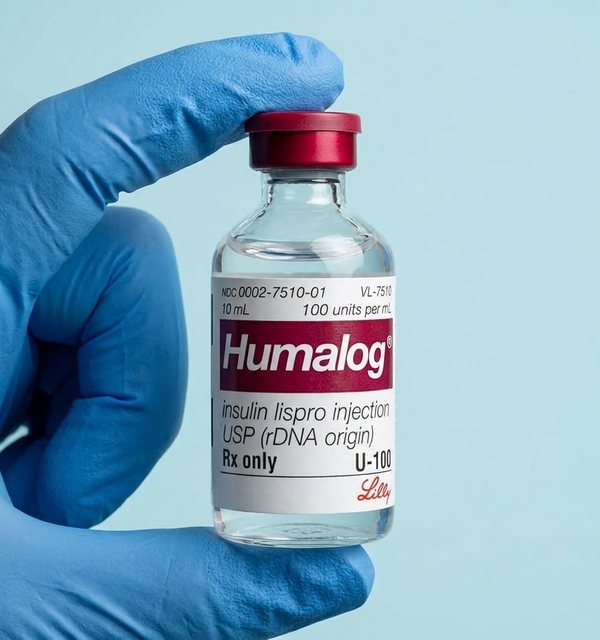
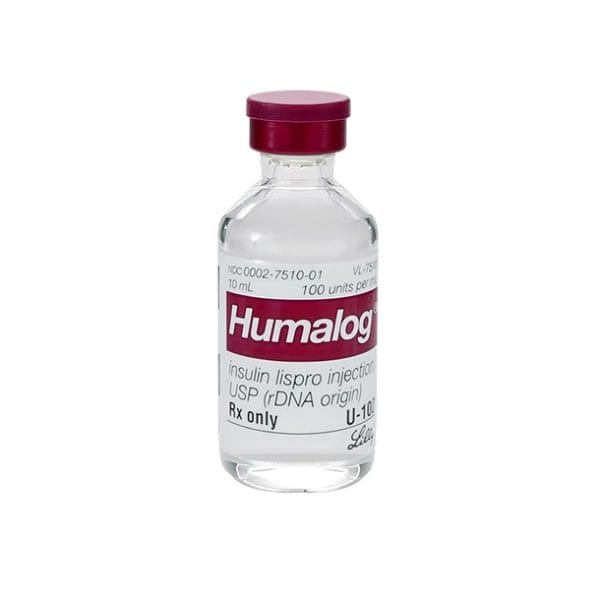
Basal insulin covers fasting and between-meal needs. Bolus, or prandial, insulin covers food-related glucose rises. Some people use only basal insulin, while others need basal and mealtime doses. Long-acting insulin examples include glargine and degludec. Rapid-acting examples include lispro and aspart. For people comparing insulin delivery formats, Lantus SoloStar Pens provides one example of a basal insulin pen format.
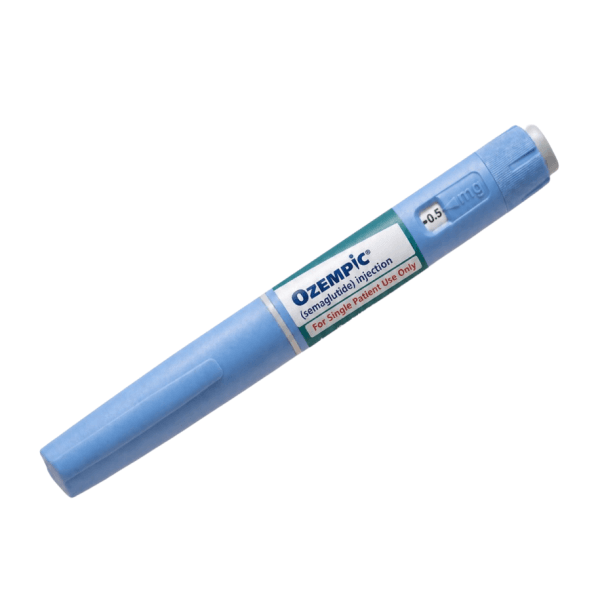
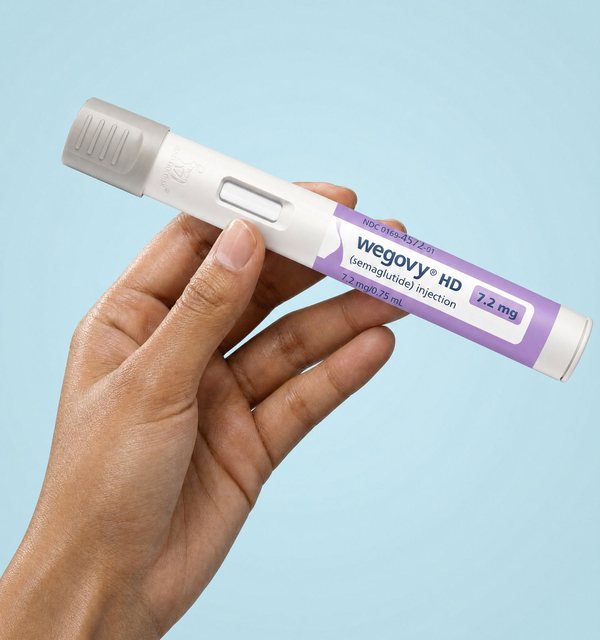
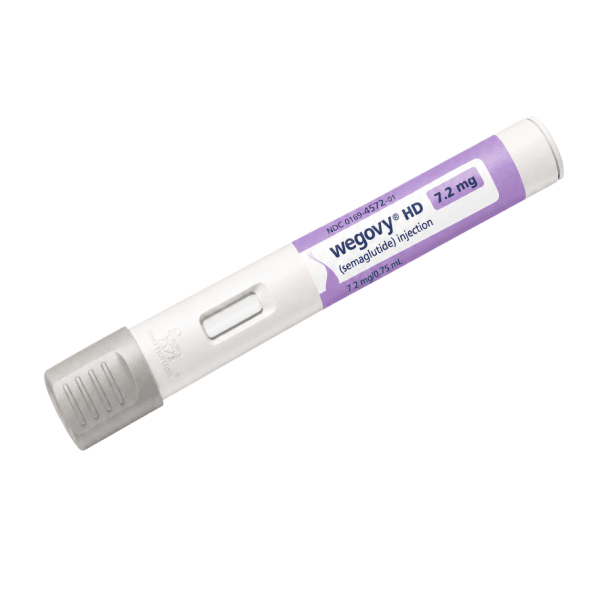
GLP-1 receptor agonists work differently from insulin. They stimulate insulin release when glucose is elevated, slow stomach emptying, and often reduce appetite. Semaglutide and dulaglutide are common examples. Readers looking for medication format context can review Ozempic Semaglutide Pens or Trulicity Pens as examples of this injectable class.
Combination injectable products pair basal insulin with a GLP-1 receptor agonist. This can simplify therapy for selected people, but it also combines the side-effect considerations of both components. A separate resource on Injectable Type 2 Diabetes Medications covers these options in a more focused way.
Combination Therapy and “Best” Medicine Questions
There is no single best medicine for diabetes type 2 because treatment priorities differ. A person with frequent hypoglycemia needs a different approach than someone with heart failure, kidney disease, medication cost barriers, or significant gastrointestinal side effects. The “best” option is the one that fits the clinical goal and can be used safely.
Combination therapy is common when one medicine does not reach the agreed A1C goal. Clinicians usually combine medicines with different mechanisms. Examples include metformin plus an SGLT2 inhibitor, metformin plus a DPP-4 inhibitor, or basal insulin plus a GLP-1 receptor agonist. Some combinations come as one tablet or one pen, which may reduce pill burden or injection count.
Not every combination is appropriate. Using multiple medicines that increase insulin levels can raise hypoglycemia risk. Combining drugs with overlapping side effects can also reduce tolerability. Kidney function, liver disease, pregnancy, dehydration risk, and active infections may change what is safe.
If your care team is discussing add-on treatment, it can help to ask three questions: what problem is this medicine solving, what side effects should be watched, and what lab or glucose changes will guide follow-up? For deeper reading, see Acceptable Combinations of Diabetes Medications.
Monitoring, Safety, and Practical Checks
Monitoring helps show whether a medicine is working and whether it remains safe. A1C reflects average glucose over roughly two to three months, while home glucose readings or continuous glucose monitoring show daily patterns. Kidney tests, liver tests, weight, blood pressure, and symptoms may also influence medication decisions.
The calculator below can help convert A1C and estimated average glucose for general discussion. It does not diagnose diabetes or replace clinical interpretation.
HbA1c & eAG Calculator
Convert between HbA1c percentage and estimated average glucose using the ADAG relationship.
These calculations are for education only and do not replace clinical advice, diagnosis, or treatment. Always confirm medical decisions with a qualified healthcare professional.
Hypoglycemia is most likely with insulin, sulfonylureas, and meglitinides. Symptoms can include shakiness, sweating, confusion, hunger, or a fast heartbeat. Severe low blood sugar, fainting, seizures, chest pain, trouble breathing, or symptoms of diabetic ketoacidosis require urgent medical attention.
SGLT2 inhibitors can increase urination and raise the risk of genital yeast infections. Rarely, they may be linked with ketoacidosis, even when glucose is not extremely high. GLP-1 receptor agonists commonly cause nausea or vomiting during initiation or dose changes. Persistent severe abdominal pain, dehydration, or repeated vomiting should be assessed promptly.
Quick tip: Keep an updated medication list with generic names, brand names, and reasons for use.
CanadianInsulin.com is a prescription referral platform, and prescription details may be confirmed with the prescriber when required. Dispensing and fulfilment are handled by licensed third-party pharmacies where permitted, which makes accurate medication names especially important.
Brand Names, Generic Names, and Label Confusion
Diabetes drugs brand names can be confusing because one active ingredient may appear under several labels. The generic name identifies the active medicine. The brand name identifies a manufacturer’s product. Combination products list two or more active ingredients, so duplication can happen if records are incomplete.
For example, metformin may appear alone or in combination tablets with an SGLT2 inhibitor, DPP-4 inhibitor, sulfonylurea, or TZD. Insulin names can also sound similar, even when they differ by onset, duration, or delivery device. Pharmacy substitutions, formulary changes, and refill histories can add another layer of confusion.
When reviewing a diabetes medications list, focus on the active ingredient, class, dosing schedule, and reason for use. Bring the list to appointments and pharmacy visits. If a name changes, ask whether the active ingredient changed or only the label changed.
Readers comparing diabetes and supply categories can browse the Diabetes Condition Collection or the Diabetes Product Category for navigation context, not as a substitute for individualized medical advice.
Newer and Emerging Options
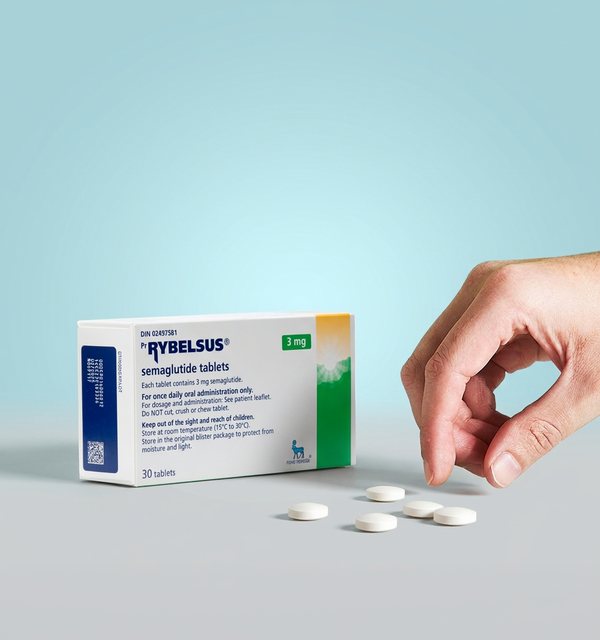
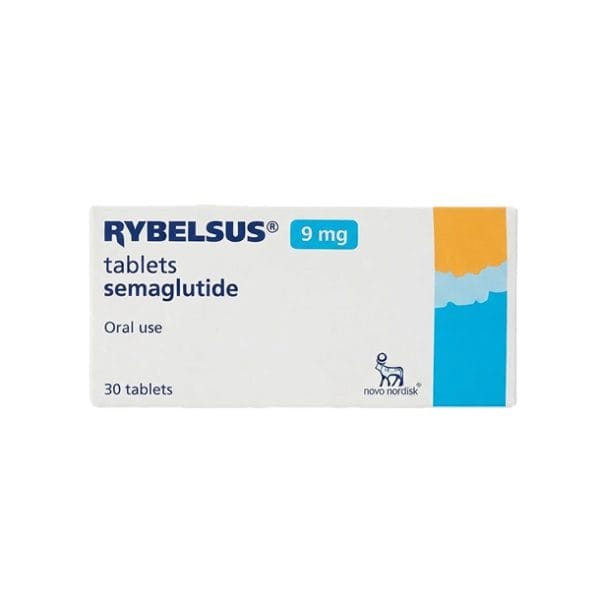
New diabetes medicines continue to focus on glucose control, weight-related outcomes, heart protection, kidney protection, and simpler use. Incretin-based treatments are a major area of development. Some are injectable, while oral GLP-1 options and investigational pills are being studied or used in selected settings depending on approvals and local availability.
A “new pill for type 2 diabetes” should be interpreted carefully. Newer does not automatically mean safer, stronger, or more appropriate. Clinical trial results, official labeling, drug interactions, pregnancy considerations, kidney function, side effects, and long-term outcome data all matter. Your clinician can explain whether an emerging therapy is approved, appropriate, and practical for your situation.
For ongoing educational reading, the Diabetes Article Archive collects related posts on medications, monitoring, and diabetes care topics.
Authoritative Sources
For a major medical organization summary of oral and injectable options, see the American Diabetes Association page on medications for type 2 diabetes.
For patient-focused federal information on insulin and other treatments, review the NIDDK resource on insulin, medicines, and diabetes treatments.
For regulator-backed background on diabetes medicines, the FDA provides a consumer booklet on diabetes medicine basics.
Recap
Common diabetes medications include metformin, SGLT2 inhibitors, GLP-1 receptor agonists, DPP-4 inhibitors, sulfonylureas, TZDs, meglitinides, alpha-glucosidase inhibitors, insulin, and selected combination products. Each class works differently and carries different risks. The safest next step is to review your goals, labs, glucose patterns, side effects, and other conditions with your care team.
This content is for informational purposes only and is not a substitute for professional medical advice.