
Please note: a valid prescription is required for all prescription medication.
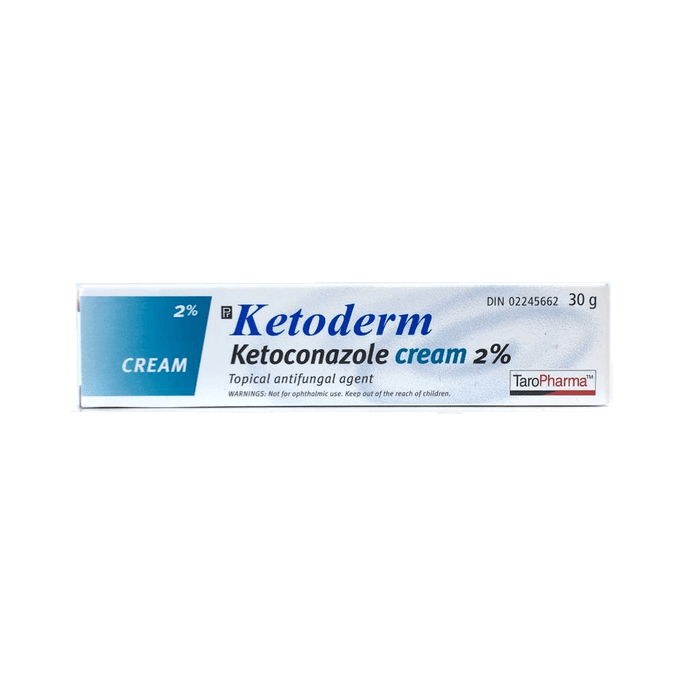
Ketoderm
Buy Ketoderm Online


Ketoderm is a ketoconazole antifungal cream used on the skin for certain fungal and yeast-related conditions. It can be bought online, with current pricing shown during ordering and the cream strength, tube amount, and quantity chosen to match the directions you were given. When US delivery from Canada applies to your order, the checkout steps will show the relevant service details.
Ketoderm cream should be matched by form, concentration, and tube size, not by the active ingredient name alone. Ketoconazole also appears in shampoos, foams, and tablets, and those products are not interchangeable with topical cream. If your instructions name ketoconazole topical cream, choose the cream product and avoid switching to another presentation unless a clinician or pharmacist confirms it is appropriate.
Ketoderm Price, Cream Strength, and Quantity
Ketoderm price depends on the exact cream product, the strength shown, the tube amount, and the number of tubes in the order. A Ketoderm 2% cream entry should be evaluated as a topical cream, not as ketoconazole shampoo or oral ketoconazole. The order total can also change when a quantity selector represents multiple tubes rather than a single tube.
Ketoderm cost without insurance may differ from insured retail pharmacy amounts because cash-pay orders, brand status, generic substitution rules, and package size can all affect the final amount. The safest way to compare ketoconazole cream price is to line up the same concentration and gram amount. A lower total for a smaller tube may not be the better match if your written directions require a larger supply.
Quick tip: Compare gram amount, concentration, and tube count before judging the total.
| Detail | What to verify before checkout |
|---|---|
| Product name | Ketoderm and generic ketoconazole cream may have different labels or inactive ingredients. |
| Strength | Ketoconazole 2% cream should match the concentration stated in your directions. |
| Form | Cream is a skin product and should not be substituted with shampoo, foam, or tablets. |
| Tube size | Match the gram amount, such as a 30 g tube, when that amount is specified. |
| Quantity | The number of tubes selected affects the displayed cost. |
How to Buy Ketoderm Online
To buy Ketoderm online, choose the cream entry that matches the name, strength, and tube size you need. Enter the directions exactly as they were provided, including how often the cream is used and the body area being treated. We may review order details if the product name, tube quantity, or directions need clarification.
Order Ketoderm from Canada by using the checkout information shown at the time of purchase. If service to the United States is part of your order, follow the current handling and address-entry steps rather than assuming a fixed timeline. Ketoderm does not require cold-chain handling in the way some refrigerated medicines do, but the package should still be protected from heat, freezing, and damage.
- Choose cream: do not switch to shampoo or tablets for the same ingredient name.
- Match strength: use the concentration stated in your directions.
- Match tube amount: compare grams and number of tubes.
- Enter directions carefully: include body area and use schedule if requested.
- Watch for clarification: respond before the order is completed if details need review.
What Ketoderm Cream Is Used For
Ketoderm cream contains ketoconazole, an azole antifungal medicine that helps treat susceptible fungal or yeast-related skin infections. It may be used for conditions described as ringworm, athlete’s foot, jock itch, cutaneous candidiasis, tinea versicolor, or seborrheic dermatitis when ketoconazole cream is the chosen treatment. The exact reason for use should match the diagnosis and instructions you received.
Skin rashes can look similar even when the cause is different. A bacterial infection, eczema flare, psoriasis, allergic reaction, or irritated skin fold may not improve with an antifungal cream. Pain, pus, fever, rapid spreading, swelling, open sores, or rash near the eyes should be assessed promptly because another treatment may be needed.
For broader browsing by diagnosis, the fungal skin infection section organizes related skin-infection products. If your condition was described as dandruff-related or seborrheic dermatitis involving the skin, the seborrheic dermatitis section may help align condition language with treatment categories.
Cream, Shampoo, and Other Ketoconazole Products
Ketoderm antifungal cream is for external skin use. Ketoconazole shampoo is a different product and is commonly associated with scalp or dandruff-type use, depending on the product and country. The shampoo question appears often because ketoconazole can be used in more than one form, but a shampoo should not replace a cream for a skin-area direction unless a healthcare professional tells you to make that change.
Oral ketoconazole tablets are also different from topical cream. Tablets have systemic exposure and different safety concerns, while topical cream is intended to act mainly on the treated skin surface. Directions, warnings, and monitoring information for one form should not be applied to another form simply because the active ingredient name is the same.
Generic ketoconazole 2% cream may contain the same active ingredient and concentration as a branded cream, but inactive ingredients and labeling can differ. If you have reacted to a cream base, preservative, fragrance, or other inactive ingredient in the past, ask a pharmacist or clinician to review the ingredient list before use.
How to Use the Cream Safely
Use ketoconazole topical cream only on the area and schedule specified in your directions. Apply it to clean, dry skin unless you were told otherwise, and wash your hands after handling the tube unless your hands are the treated area. Avoid the eyes, mouth, inside the nose, and other mucous membranes unless specific instructions say the product is intended for that area.
Do not increase the amount, cover the area tightly, or apply the cream more often to speed results. More frequent application can increase irritation without improving the diagnosis. If the rash does not improve within the expected time, spreads, or returns quickly after stopping, the condition may need another clinical review.
Keep the tube for your own use and avoid sharing it. Fungal infections can spread between people, and sharing topical products can also contaminate the tube. For feet, groin folds, or other moist areas, drying the skin well and changing damp clothing may support the treatment plan, but those steps do not replace the medicine when it has been recommended.
Side Effects, Warnings, and Monitoring
Ketoconazole cream is generally associated with local skin effects at the application area. Burning, stinging, itching, redness, dryness, peeling, or irritation can occur. Mild irritation may settle, but worsening symptoms, blistering, severe pain, or a rash that becomes more inflamed should be discussed with a healthcare professional.
Stop using the cream and seek urgent medical help for signs of a serious allergic reaction. These may include swelling of the face or throat, trouble breathing, widespread hives, severe dizziness, or widespread blistering. Although serious reactions are uncommon with topical use, they should be treated as urgent when they occur.
Tell a clinician or pharmacist about other products used on the same skin area, including corticosteroid creams, acne treatments, medicated cleansers, other antifungals, barrier ointments, and cosmetics. Layering several products can make irritation worse or make it harder to tell whether Ketoderm is working. Ask before applying to broken, bleeding, deeply cracked, or pus-filled skin.
- Common local effects: burning, itching, redness, dryness, or stinging.
- Urgent symptoms: facial swelling, breathing trouble, severe hives, or blistering.
- Skin condition changes: spreading, drainage, fever, or pain needs prompt attention.
- Other skin products: use caution when layering medicated creams or cleansers.
- Special situations: pregnancy, breastfeeding, immune conditions, or recurrent rash should be discussed.
Storage, Handling, and Travel
Store Ketoderm cream according to the label and patient leaflet supplied with the tube. Topical creams are commonly kept at controlled room temperature, away from excess heat, freezing, direct sunlight, and moisture. Keep the cap closed tightly after each use so the cream does not dry out or become contaminated.
During travel, keep the tube in its labeled packaging when possible. The label helps identify the medicine, strength, and owner if questions arise. Avoid leaving the tube in a hot vehicle, direct sun, checked luggage exposed to extreme temperatures, or places where children or pets can reach it.
Inspect the package when it arrives and before first use. Do not use a tube that appears opened, leaking, discolored, separated, or inconsistent with the label. Contact the appropriate support channel if the product condition or packaging does not look right.
Related Dermatology and Infection Categories
Ketoderm belongs in a practical skin-care decision area because the same rash description can lead to different products. The dermatology category is useful when you need to see other skin treatments by product type. The infectious disease category can help when an infection-related diagnosis includes non-dermatology treatment choices.
Educational articles can also help you prepare better questions for a clinician or pharmacist. The dermatology articles section covers general skin-care topics, while infectious disease articles provide broader infection-related reading. These sections should support product navigation and general understanding, not replace the directions that came with your medicine.
Some households also manage skin or infection medicines for animals, but human Ketoderm should not be used for pets unless a veterinarian has directed it. The pet medications category is separate because animal dosing, ingredients, and safety needs can differ from human care.
Authoritative Sources and Label Checks
The most important source for your specific tube is the manufacturer leaflet or pharmacy label supplied with the product. Use it to confirm storage conditions, inactive ingredients, warnings, application instructions, and what to do if the cream contacts the eyes. Label language can vary by country and by manufacturer, especially between brand and generic products.
Regulator-approved monographs and pharmacist-reviewed medication references are useful when you need to understand ketoconazole cream uses, local side effects, and product-form differences. If a price comparison site, coupon page, or search result lists a different size or form, do not treat that amount as equivalent to the cream you are ordering.
Bring unclear directions, repeated infections, treatment failure, or concerns about interactions with other skin products to a healthcare professional. A fresh assessment is especially important when a rash is painful, rapidly spreading, draining, near the eye, or accompanied by fever.
This content is for informational purposes only and is not a substitute for professional medical advice.
Affected Body Surface Area Calculator
Estimate affected body surface area using palm units and optional entered body-region percentages.
Estimated affected BSA-one palm approximates 1%
Check-screening estimate only
These calculations are for education only and do not replace clinical advice, diagnosis, or treatment. Always confirm medical decisions with a qualified healthcare professional.
Express Shipping - from $29.99
Shipping with this method takes 3-5 days
Prices:
- Dry-Packed Products $29.99
- Cold-Packed Products $39.99
Standard Shipping - $19.99
Shipping with this method takes 5-10 days
Prices:
- Dry-Packed Products $19.99
- Not available for Cold-Packed products
What is Ketoderm 2% cream used for?
Ketoderm 2% cream contains ketoconazole, an antifungal medicine used on the skin for certain fungal or yeast-related conditions. These may include ringworm, athlete’s foot, jock itch, cutaneous candidiasis, tinea versicolor, or seborrheic dermatitis when a clinician has chosen ketoconazole cream.
How much does ketoconazole cream cost without insurance?
Ketoconazole cream cost without insurance depends on the brand or generic product, concentration, tube size, and quantity. Compare the same form, strength, and gram amount before judging the total, because shampoo, tablets, and smaller tubes are not equivalent to Ketoderm cream.
Can you buy 2% ketoconazole cream over the counter?
Access rules for 2% ketoconazole cream vary by country and product. Follow the checkout requirements shown for the cream you are ordering, and ask a pharmacist or clinician if you are unsure whether the form and strength are appropriate for your rash.
What shampoo gets rid of skin fungus?
Ketoconazole shampoo may be used for some scalp or dandruff-related fungal conditions, but it is not the same as Ketoderm cream. Do not substitute shampoo for a cream used on the skin unless a healthcare professional confirms that change.
What side effects can Ketoderm cream cause?
Possible side effects include burning, stinging, itching, redness, dryness, peeling, or irritation where the cream is applied. Seek urgent help for facial swelling, trouble breathing, severe hives, widespread blistering, or other signs of a serious allergic reaction.
Rewards Program
Earn points on birthdays, product orders, reviews, friend referrals, and more! Enjoy your medication at unparalleled discounts while reaping rewards for every step you take with us.
You can read more about rewards here.
POINT VALUE
How to earn points
- 1Create an account and start earning.
- 2Earn points every time you shop or perform certain actions.
- 3Redeem points for exclusive discounts.
You Might Also Like
Select options
This product has multiple variants. The options may be chosen on the product page
Select options
This product has multiple variants. The options may be chosen on the product page
Select options
This product has multiple variants. The options may be chosen on the product page
Select options
This product has multiple variants. The options may be chosen on the product page