
Please note: a valid prescription is required for all prescription medication.
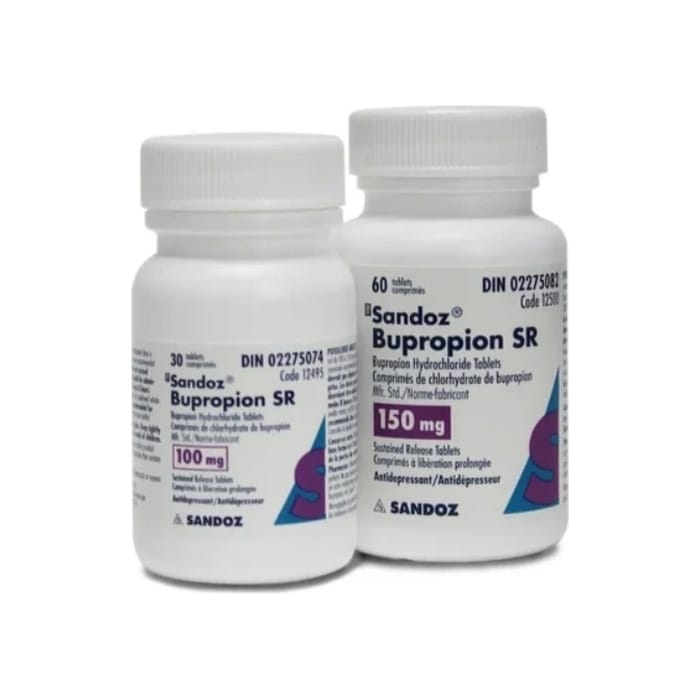
Bupropion SR
Buy Bupropion SR Online


Bupropion SR is a sustained-release bupropion tablet used in treatment plans for depression and, for certain products, smoking cessation. You can buy Bupropion SR online by choosing the strength and quantity that match your clinician’s directions. The SR form releases medicine gradually, so the release type should stay consistent with the instructions you were given.
When ordering, match the active ingredient, strength, tablet count, and SR wording before checkout. Bupropion sustained release is not the same as every other bupropion form, even when the active ingredient looks familiar. If your treatment instructions specify a brand, manufacturer, or release profile, use those details when choosing tablets.
Bupropion SR Price and Strength Selection
The Bupropion SR price should be read together with the tablet strength and quantity. A lower amount for one strength may not be the better value if the tablet count differs. Compare the total number of tablets, the milligram strength, and whether the medicine is labeled as sustained release.
Your Bupropion SR cost may also depend on cash-pay decisions, outside coverage, and the exact quantity chosen. People looking at Bupropion SR without insurance often focus on the cash price, but the safest comparison still starts with the correct strength and release type. Do not adjust a dose schedule to fit a lower-cost tablet unless a qualified healthcare professional changes the plan.
| Detail to review | Why it matters |
|---|---|
| Strength in mg | The tablet strength should match the directions from your clinician. |
| SR release type | Sustained-release tablets are designed to release medicine over time. |
| Tablet quantity | The total count affects how price comparisons should be interpreted. |
| Brand or generic name | Generic Bupropion SR and branded equivalents may be displayed separately. |
Quick tip: Compare strength and tablet count together, not the name alone.
How to Order Bupropion SR Online
To order Bupropion SR online, choose the sustained-release tablet strength shown during ordering and match it to the directions on your medication instructions. Review the quantity, active ingredient, and SR wording before completing the order. We may review order details when needed to help keep the medicine aligned with the requested treatment.
Some customers use US delivery from Canada as part of their ordering plan. Keep the labeled medicine name and strength consistent if you have taken bupropion before, because changing between SR, XL, and immediate-release tablets can change how the drug is absorbed. The mental health products category can help you browse related prescription and non-prescription products in the same therapy area without changing your medication choice.
- Match the release type: Look for SR or sustained release.
- Match the strength: Use the milligram strength stated in your treatment directions.
- Review the quantity: Confirm the tablet count before checkout.
- Keep records nearby: A current medication label can help prevent selection errors.
Tablet Form, Strengths, and Generic Naming
Bupropion SR tablets are taken by mouth and swallowed whole. Sustained release means the tablet is made to release bupropion gradually after swallowing. Crushing, chewing, or splitting the tablet can change the release pattern and may increase the risk of side effects unless the label and a healthcare professional specifically say otherwise.
Commonly referenced strengths include Bupropion SR 100 mg, Bupropion SR 150 mg, and Bupropion SR 200 mg. Bupropion SR 150 mg is frequently discussed because it is a common strength, but the correct tablet is the one that matches your treatment directions. Strength availability should never be used as a reason to improvise with dose timing or tablet counts.
Bupropion SR is often understood as bupropion sustained release or as a generic form associated with Wellbutrin SR. Generic and brand products may contain the same active ingredient, but labels, manufacturers, approved uses, and directions can differ. If your instructions name a specific product or release type, use that wording when selecting tablets.
- Form: Oral sustained-release tablet.
- Active ingredient: Bupropion hydrochloride in SR products.
- Common strengths: 100 mg, 150 mg, and 200 mg are commonly referenced.
- Substitution point: SR, XL, and immediate-release forms are not casual swaps.
What Bupropion SR Treats
Bupropion SR is used in treatment plans for major depressive disorder. It belongs to a group of antidepressants that affect norepinephrine and dopamine activity in the brain. These chemicals are involved in mood, motivation, and attention. Bupropion is not an SSRI and does not contain nicotine.
Some sustained-release bupropion products are also used to help people stop smoking. In that context, bupropion SR is a non-nicotine medicine that may reduce cravings and withdrawal symptoms when appropriate. The exact use should follow the product label and a clinician’s plan, especially if depression, anxiety, bipolar symptoms, seizure risk, or other medicines are involved.
For condition-based browsing, the depression medicines section groups products commonly associated with depression care. The nicotine dependence section may also be useful when the treatment goal involves quitting smoking. These categories support product identification and should not replace individualized medical evaluation.
How SR Differs From XL and Immediate-Release Bupropion
Bupropion SR, bupropion XL, and immediate-release bupropion are different formulations. The letters describe release timing, not simply strength. SR tablets release medicine over a sustained period, while XL products are designed for a longer extended-release profile. Immediate-release tablets have a different absorption pattern and dosing approach.
Because release timing affects blood levels, changing forms can affect side effects and seizure risk. A person who tolerates one release profile may not automatically tolerate another in the same way. If the directions say SR, choose sustained-release tablets rather than substituting another bupropion form.
| Comparison | Practical point |
|---|---|
| SR versus XL | Release timing and dosing schedules may differ. |
| SR versus immediate release | Absorption and dosing patterns are not the same. |
| Generic versus brand | Confirm active ingredient, strength, release type, and label name. |
| Depression versus smoking cessation | Use depends on the exact product and clinical plan. |
Why it matters: The right bupropion product is defined by release type as well as strength.
Safety, Warnings, and Contraindications
Bupropion carries an antidepressant boxed warning about suicidal thoughts and behaviors in children, adolescents, and young adults. Worsening depression, agitation, unusual behavior, or thoughts of self-harm require urgent medical attention. Families and caregivers should watch for mood or behavior changes, particularly when treatment starts or changes.
Seizure risk is a central safety concern with Bupropion SR. Bupropion is contraindicated in people with a seizure disorder. It is also contraindicated in people with a current or prior diagnosis of bulimia or anorexia nervosa, because these conditions increase seizure risk. Abruptly stopping alcohol, benzodiazepines, barbiturates, or antiepileptic drugs can also increase risk and is a labeled concern.
Do not take multiple bupropion-containing products together unless a healthcare professional has specifically directed that combination. Duplicate bupropion exposure can raise seizure risk. Bupropion should not be used with monoamine oxidase inhibitors, commonly called MAOIs, or within the required separation period described in the official label.
- Seizure history: Discuss any past seizure before taking bupropion.
- Eating disorder history: Bulimia and anorexia nervosa are labeled contraindications.
- Alcohol changes: Heavy use or abrupt stopping may raise risk.
- Other bupropion products: Avoid duplicate active ingredients unless specifically directed.
- Mood changes: Seek help promptly for severe or unusual symptoms.
Side Effects and When to Seek Help
Common side effects of Bupropion SR can include dry mouth, nausea, headache, constipation, dizziness, sweating, tremor, anxiety, decreased appetite, and trouble sleeping. Some people feel more stimulated or restless early in treatment. Persistent, worsening, or difficult side effects should be discussed with a healthcare professional.
Serious symptoms need faster attention. Seek urgent help for a seizure, severe allergic reaction, chest pain, fainting, severe confusion, hallucinations, extreme agitation, or signs of dangerously high blood pressure. Bupropion may also trigger mania or hypomania in people with bipolar disorder, so a history of manic symptoms matters before treatment begins.
Sleep changes are common enough to plan around carefully. Do not change dose timing, skip doses, or double up tablets on your own to manage insomnia. A clinician can consider the reason bupropion was chosen, other medicines, blood pressure, anxiety symptoms, and the treatment schedule.
Interactions and Monitoring
Review your medication list with a healthcare professional before taking Bupropion SR. Drugs that lower the seizure threshold can increase risk when combined with bupropion. Examples include certain antidepressants, antipsychotics, systemic steroids, theophylline, and some antibiotics. Alcohol use and abrupt withdrawal should also be discussed.
Bupropion affects CYP2D6, an enzyme that helps the body process several medicines. This can matter for some beta blockers, antidepressants, antipsychotics, and antiarrhythmic drugs. Other medicines may change bupropion levels through CYP2B6 pathways, including certain seizure medicines and antiviral regimens.
Monitoring may include mood, sleep, blood pressure, anxiety, appetite, tremor, and other neurologic symptoms. People using bupropion SR for smoking cessation should also report significant behavior changes or worsening mood. These checks help determine whether the treatment remains appropriate and whether the product should stay the same.
- MAOIs: Avoid unsafe overlap and follow label separation periods.
- Nicotine replacement: Blood pressure monitoring may be needed when combined.
- Seizure-risk medicines: A full medication review is important.
- Bipolar history: Screening can reduce the risk of a manic switch.
- Blood pressure: Report severe headache, chest symptoms, or marked increases.
Storage, Handling, and Travel
Store Bupropion SR tablets at room temperature according to the medicine label. Keep tablets away from excess moisture, heat, and direct light. The bottle should stay closed and out of reach of children and pets. Do not take tablets that appear wet, damaged, or different from the expected medicine.
Because Bupropion SR is an oral tablet, ordering decisions usually focus on strength, release type, quantity, and safe identification rather than refrigerated handling. Keep the original labeled container when traveling, especially if you need to identify the medicine at a clinic, pharmacy, airport, or border crossing. A pill organizer can be useful, but the original container provides important verification.
If tablets arrive with damaged packaging or do not match the expected label, do not take them until the issue is resolved. Product identity matters with sustained-release medicines because tablet appearance, strength, and release type all affect safe use. Store any replacement or remaining tablets separately if there is any confusion.
Related Mental Health Choices
Bupropion SR is one option within a broader group of mental health medicines. Other depression treatments may include SSRIs, SNRIs, tricyclic antidepressants, atypical antidepressants, mood stabilizing treatments, or combinations when clinically appropriate. The best comparison depends on diagnosis, previous response, side effects, other conditions, and current medicines.
People taking bupropion for depression may ask about weight, energy, motivation, sleep, and anxiety. Some people experience appetite reduction or weight change, but outcomes vary and weight effects should not drive self-directed dosing. Sleep disruption, anxiety, and blood pressure changes may be more important for some people than weight effects.
The mental health topics section provides educational articles that can support conversations with a healthcare professional. Use educational reading to prepare questions about release type, seizure risk, mood monitoring, interactions, and what to do if side effects become hard to manage.
Authoritative Sources
The sources below support key use, safety, contraindication, interaction, and handling points summarized for this medicine.
- Official prescribing information describes labeled warnings, contraindications, dosing safeguards, and tablet instructions.
- CDC quit-smoking guidance explains bupropion SR as a non-nicotine option for smoking cessation when appropriate.
- MedlinePlus drug information summarizes patient precautions, side effects, and safety considerations.
This content is for informational purposes only and is not a substitute for professional medical advice.
Smoking Quit Savings Calculator
Estimate money saved after quitting from cigarettes per day and pack cost.
Daily saving
-
packs/day x pack cost
Saved so far
-
daily saving x days
Annual saving
-
365-day estimate
These calculations are for education only and do not replace clinical advice, diagnosis, or treatment. Always confirm medical decisions with a qualified healthcare professional.
Pack-Years Calculator
Estimate smoking exposure from cigarettes per day and years smoked.
Pack-years
-
packs/day x years
These calculations are for education only and do not replace clinical advice, diagnosis, or treatment. Always confirm medical decisions with a qualified healthcare professional.
Express Shipping - from $29.99
Shipping with this method takes 3-5 days
Prices:
- Dry-Packed Products $29.99
- Cold-Packed Products $39.99
Standard Shipping - $19.99
Shipping with this method takes 5-10 days
Prices:
- Dry-Packed Products $19.99
- Not available for Cold-Packed products
What is Bupropion SR used for?
Bupropion SR is used in treatment plans for major depressive disorder. Some sustained-release bupropion products are also used to help with smoking cessation. The exact use should follow the product label and a healthcare professional’s directions.
Is Bupropion SR the same as Wellbutrin SR?
Bupropion SR is the active-ingredient name used for sustained-release bupropion tablets. Wellbutrin SR is a brand name associated with the same active ingredient, but product labels, manufacturers, strengths, and directions may differ.
How is Bupropion SR different from Bupropion XL?
SR and XL describe different release profiles. Bupropion SR releases medicine over a sustained period, while XL is designed for a longer extended-release profile. Do not switch between forms unless a healthcare professional changes the treatment plan.
What are common side effects of Bupropion SR?
Common side effects can include dry mouth, nausea, headache, constipation, dizziness, sweating, tremor, anxiety, reduced appetite, and trouble sleeping. Severe, persistent, or unusual symptoms should be discussed with a healthcare professional.
Who should not take Bupropion SR?
Bupropion is contraindicated in people with a seizure disorder and in people with a current or past diagnosis of bulimia or anorexia nervosa. It also should not be combined with MAOIs within the label’s required separation period.
Can Bupropion SR affect sleep or anxiety?
Yes. Some people notice insomnia, stimulation, restlessness, or anxiety, especially early in treatment. Do not change timing or dose on your own; ask a healthcare professional how to manage these effects safely.
How should Bupropion SR tablets be stored?
Store Bupropion SR tablets at room temperature according to the label, away from excess moisture, heat, and direct light. Keep the bottle closed, out of reach of children and pets, and do not use damaged or unexpected tablets.
Rewards Program
Earn points on birthdays, product orders, reviews, friend referrals, and more! Enjoy your medication at unparalleled discounts while reaping rewards for every step you take with us.
You can read more about rewards here.
POINT VALUE
How to earn points
- 1Create an account and start earning.
- 2Earn points every time you shop or perform certain actions.
- 3Redeem points for exclusive discounts.
You Might Also Like
Select options
This product has multiple variants. The options may be chosen on the product page
Select options
This product has multiple variants. The options may be chosen on the product page
Select options
This product has multiple variants. The options may be chosen on the product page
Select options
This product has multiple variants. The options may be chosen on the product page