
Please note: a valid prescription is required for all prescription medication.
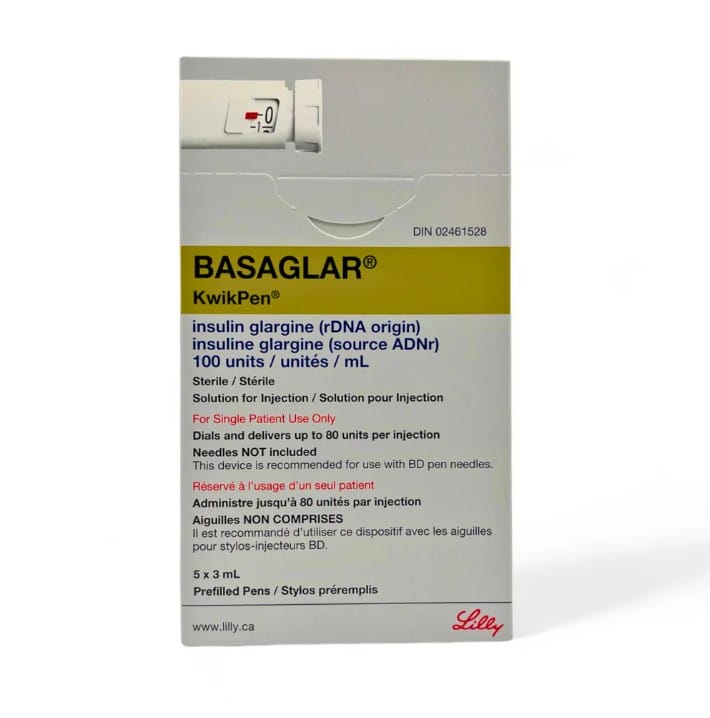
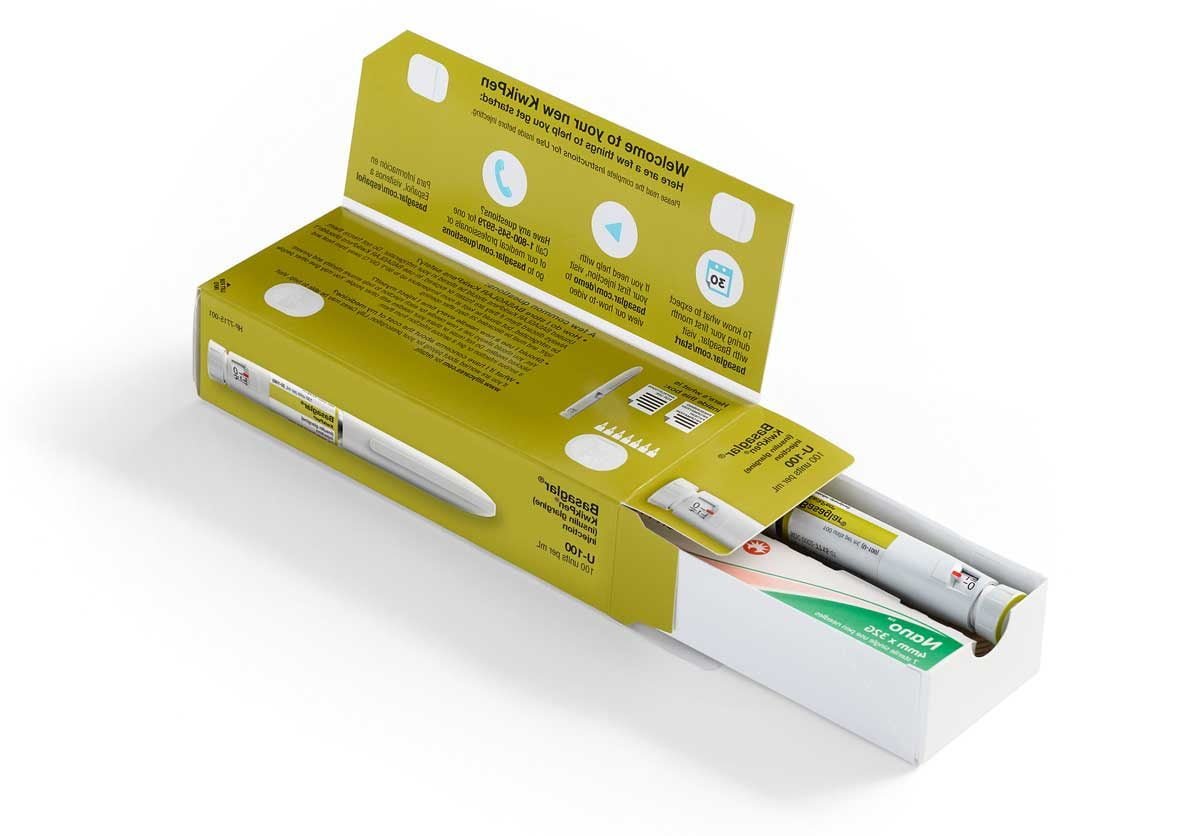
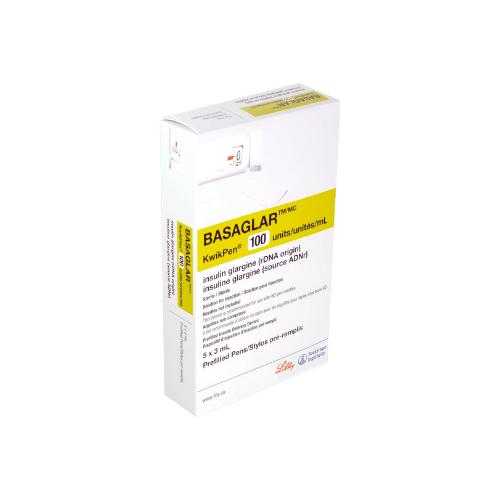
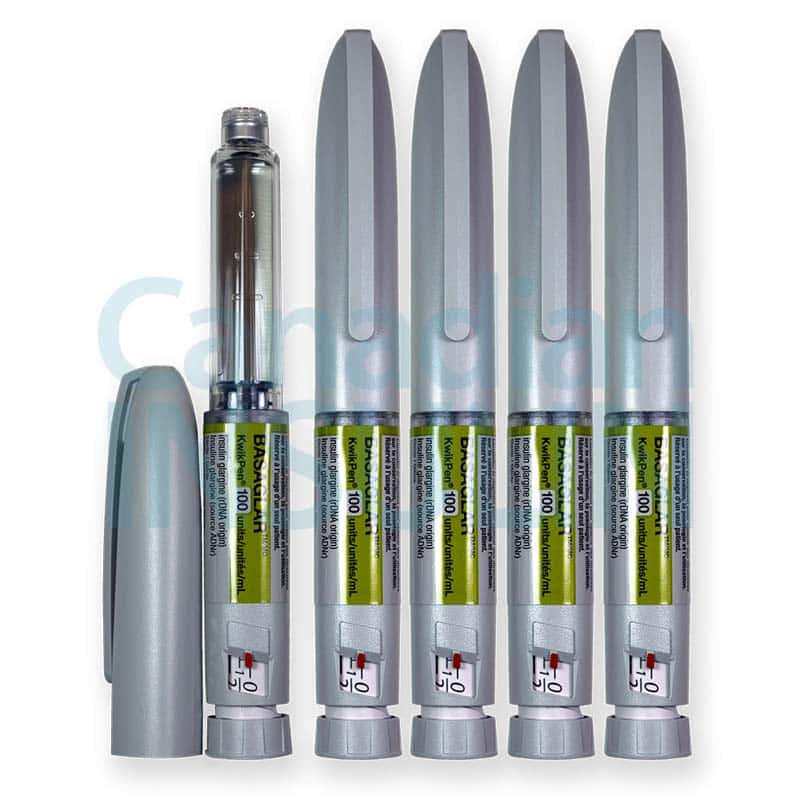
Basaglar KwikPen
Basaglar KwikPen How to Buy and Prescription Checks
Price:
$109.99
You save


Basaglar KwikPen is a long-acting insulin pen used to help control blood sugar in certain people with diabetes. This page helps patients review Basaglar KwikPen price, what prescription steps may apply, and the main safety points before deciding whether to pursue this product. It is a product page for people exploring how to buy or order this insulin pen, with dose changes left to the prescribing clinician.
How to Buy Basaglar KwikPen and What to Know First
Basaglar KwikPen is a basal insulin, so it is used for steady background glucose control rather than rapid mealtime coverage. Some patients explore US delivery from Canada while checking whether prescription rules, eligibility, and product handling requirements fit their situation. Because this is prescription insulin, it should not be approached like an over-the-counter substitute or a casual device swap.
Prescription details can be checked with the prescriber when needed, and that matters because basal insulin type, timing, and total daily units need to match the current care plan. Before pursuing a purchase, confirm the exact pen name, concentration, whether it is being started or switched from another insulin, and whether there have been recent episodes of low blood sugar.
For decision-making, the main questions are practical as well as medical. The intended long-acting insulin should match the written prescription, the pen should fit daily handling needs, and storage should be realistic at home, work, or school. Those checks are worth doing early because insulin errors can happen when device names or concentrations are confused.
Who It’s For and Access Requirements
This medicine may be prescribed as long-acting insulin for some people with Type 1 Diabetes as part of a basal-bolus plan, and for many adults with Type 2 Diabetes when background insulin is needed. People comparing treatment paths can also browse the site’s Diabetes Overview and Diabetes Products hubs for broader context.
It is not the right product for every situation. Basaglar KwikPen is not a rescue treatment for severe low blood sugar, and it is not used for diabetic ketoacidosis. Suitability depends on diagnosis, current insulin exposure, other glucose-lowering drugs, and the ability to monitor blood sugar and respond to hypoglycemia.
Practical fit matters too. A prefilled pen can be useful for people who prefer dialed dosing and portable handling, but vision limits, hand weakness, needle anxiety, or difficulty following storage steps may affect whether this format is appropriate. Pregnancy, recent hospitalization, kidney or liver problems, and recurring low glucose episodes also deserve clinician review before a refill or switch is finalized.
Access usually depends on a valid prescription and enough information to verify the medication, strength, and intended quantity. A clinician may also want recent glucose records, current medication history, and any pattern of overnight lows before approving or renewing therapy.
Dosage and Usage
Basaglar KwikPen is injected under the skin, not into a vein or muscle. Many patients use it once daily at the same time each day, but the prescribed schedule comes from the clinician. The dose on the pen should match the written prescription, and any starting amount or conversion from another basal insulin should follow the approved plan rather than a self-directed adjustment.
Common injection sites include the abdomen, thigh, or upper arm. Rotate sites within the same general region to lower the risk of lipodystrophy, which means skin fat changes that can affect insulin absorption. Use a new needle for each injection, never share a pen, and do not mix or dilute this insulin unless the official instructions specifically say otherwise.
Before injecting, patients are usually instructed to read the device directions, attach a fresh needle, and check the pen label each time. The pen should not be used in an insulin pump, and insulin should not be drawn from the device into a syringe unless the official labeling specifically allows that method. If a regimen also includes mealtime insulin, this pen still serves the background role rather than replacing rapid-acting doses.
Why it matters: Using the wrong insulin type or reusing a shared device can raise safety risks even when the number of units looks familiar.
Patients looking for broader education on daily diabetes care can review Diabetes Articles, along with Type 1 Diabetes Articles and Type 2 Diabetes Articles for general background.
Strengths and Forms
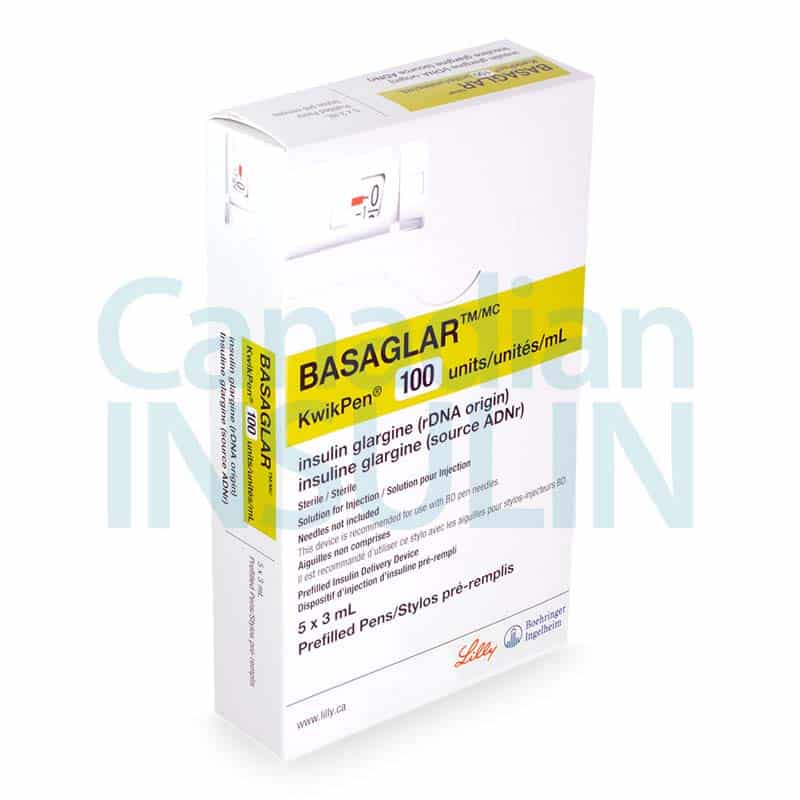
The Basaglar insulin glargine KwikPen is a prefilled insulin pen presentation of insulin glargine U-100. In common product listings, the KwikPen contains 100 units/mL and is supplied as disposable 3 mL pens, often in a Basaglar KwikPen 5 x 3 mL carton. Availability can vary by market and dispensing source, so the carton label should always be matched to the prescription.
| Presentation | Strength | Practical notes |
|---|---|---|
| KwikPen | 100 units/mL | Prefilled disposable pen for subcutaneous use |
| Typical pen volume | 3 mL | Check carton count and labeled storage rules |
| Related pen listing | Tempo Pen variant | A connected-pen version may appear in some markets |
This page focuses on the Basaglar prefilled insulin pen rather than vial-based products. If a prescription refers to Basaglar U-100 KwikPen, Basaglar 100 unit/mL KwikPen, or BASAGLAR KWIKPEN 100 UNITS/ML PEN INJ, those phrases usually point to the same core drug-device combination, but pack details should still be confirmed.
Storage and Travel Basics
Unopened pens are usually kept refrigerated until first use. They should be protected from extreme heat, direct light, and freezing. If insulin has been frozen, overheated, or looks cloudy or discolored when it should be clear, it should not be used and the current package directions should be checked.
Once a pen is in use, storage rules often change. Many label instructions allow room-temperature storage for a limited in-use period, while still requiring protection from heat and sunlight. Keep the cap on when the pen is not being used, store it safely away from children, and record the date of first use so the discard date is easier to track.
Travel and work routines deserve some planning because this is a temperature-sensitive medicine. Keep the prescription label available, carry enough needles and testing supplies, and avoid leaving the pen in a parked car or next to a freezer pack. If there is any doubt about exposure to temperature extremes, use the current manufacturer directions and pharmacy advice instead of guessing.
Quick tip: Carry the pen, needles, and a backup glucose plan in hand luggage rather than checked baggage when traveling.
People comparing broader Diabetes Medications or browsing Insulin Options may notice that storage rules differ across devices, even when products are used for similar goals.
Side Effects and Safety
The most important safety issue with any basal insulin is hypoglycemia, meaning blood sugar that drops too low. Symptoms can include shakiness, sweating, hunger, dizziness, headache, confusion, or unusual tiredness. Risk may increase if meals are missed, activity changes, another glucose-lowering medicine is added, or the insulin dose does not match current needs.
Other side effects can include injection-site reactions, weight gain, swelling, and skin changes where injections are repeated in the same area. Some people can develop low potassium levels, which can become serious. Severe allergic reactions are uncommon but urgent; warning signs may include widespread rash, swelling, wheezing, or trouble breathing.
Seek urgent help for severe symptoms such as fainting, seizures, inability to take oral sugar, or signs of a serious allergic reaction. Contact the prescriber sooner rather than later if morning readings change sharply after starting, stopping, or switching another diabetes medicine, since the basal dose may need clinical reassessment.
Monitor blood sugar as directed and keep rescue supplies available if the care plan calls for them. Readings that are consistently high or low, repeated night symptoms, or illness with poor oral intake are reasons to contact the treating clinician promptly.
Drug Interactions and Cautions
Many medicines can change insulin needs or make low blood sugar harder to notice. Other diabetes drugs, corticosteroids, some diuretics, certain antipsychotics, and thyroid medicines may affect glucose levels. Beta-blockers may blunt warning symptoms such as a racing heartbeat, which can make hypoglycemia less obvious.
Alcohol can also alter glucose control. The same applies to sudden changes in diet, exercise, kidney function, liver function, or acute illness. Anyone starting a new prescription or over-the-counter product should check whether it could shift blood sugar patterns.
Extra caution is also needed when insulin is used with thiazolidinediones such as pioglitazone or rosiglitazone, because fluid retention and heart failure symptoms can worsen in susceptible patients. Because the medicine works across the full day, pattern changes may take time to interpret. Keeping an up-to-date medication list and a recent blood sugar record makes access reviews and routine follow-up more accurate.
Compare With Alternatives
Basaglar belongs to the long-acting insulin group. Other basal options may look similar on paper, but they can differ in concentration, pen design, duration profile, formulary status, and substitution rules. The site’s Long Acting Insulin section is useful for browsing the class before discussing a specific switch with a clinician.
| Alternative | Type | High-level difference |
|---|---|---|
| Lantus | Insulin glargine U-100 | Same active ingredient family, but pen details and plan preference may differ |
| Semglee | Insulin glargine U-100 | Another glargine option that may have different formulary handling |
| Toujeo | Insulin glargine U-300 | More concentrated formulation, so units and device details are not directly interchangeable |
| Tresiba | Insulin degludec | Different long-acting insulin with its own dosing and storage instructions |
Device differences also matter. Needle compatibility, dose window design, maximum single dose, and instructions about in-use storage are not always identical across pens. That is one reason a pharmacist or clinician may verify the intended brand, device, and concentration before a switch is processed.
A person reviewing Basaglar KwikPen price may also want to compare covered alternatives, but a change between basal insulins should be clinically supervised rather than based on label similarity alone.
Prescription, Pricing and Access
Access depends on more than the list price. Basaglar KwikPen price can vary with the prescribed quantity, the number of pens in the carton, insurance rules, Medicare or commercial plan formularies, deductible status, and the pharmacy that dispenses the product. Licensed third-party pharmacies handle dispensing when regulations allow, so the final out-of-pocket amount is tied to the lawful dispensing route as well as the prescription itself.
People checking Basaglar KwikPen price without insurance should expect variation across cash-pay programs, documentation requirements, and jurisdiction. Coverage questions are also common with Medicare plans, where formulary placement, prior authorization, and tier rules may change over time. The most useful comparison is the total patient responsibility for the prescribed quantity, not a single headline number from a different pack size or market.
A page result or app quote can be useful for rough comparison, but it may describe a different carton, a different dispensing region, or a different benefit stage. For an accurate review, compare the same strength, same pen count, and same days supplied. That is especially important when a person is moving between employer coverage, Medicare coverage, or a self-pay arrangement.
| Factor | Why it changes what patients pay |
|---|---|
| Prescription details | Strength, pen count, and days supplied affect the billed quantity |
| Insurance status | Formulary placement, deductible stage, and prior authorization can change coverage |
| Cash-pay route | Program terms and pharmacy source may differ by eligibility and jurisdiction |
| Device presentation | KwikPen and other device listings may not be processed the same way |
If a stable information page is helpful, the site’s Promotions Information page may explain ongoing manufacturer or pharmacy program context without replacing a real claim check. Basaglar KwikPen price is most meaningful when reviewed against the exact prescription, current coverage, and any need to verify prescription details with the prescriber.
When a permitted dispensing route is used for refrigerated insulin, handling may involve prompt, express, cold-chain shipping.
Authoritative Sources
For current label-level prescribing details, see DailyMed information for Basaglar.
For general medication safety counseling, review MedlinePlus information on insulin glargine injection.
This content is for informational purposes only and is not a substitute for professional medical advice.
Customer Reviews
4.7 Based on 14 Reviews
Write a Review Ask a Question - Reviews
- Questions
Filter Reviews:
TS
01/01/2026
Timothy S.  US
USCanadian Insulin Service
I use Basaglar long acting insulin, I have been using Canadian Insulin for many years with no complaints what so ever. The customer service team is always very helpful and my product always arrives as expected, correct product and amount. I also live in Florida and it also arrives still cold. I highly recommend using them. They also have the best pricing that I have found.
01/02/2026
CanadianInsulin.com
Hi Timothy!Thank you so much for your kind words and for being a valued customer for many years! We’re thrilled to hear that your Basaglar insulin always arrives safely, on time, and at the correct temperature, even in Florida. Our team works hard to ensure every order is handled with care, and it’s wonderful to know that you’ve had a consistently positive experience.We also appreciate your recommendation and are glad you find our pricing competitive. Your trust and loyalty mean the world to us, and we look forward to continuing to support your insulin needs.Thank you for choosing Canadian Insulin!
LW
07/23/2025
Linda W. USBasaglar
Everything went well!
07/24/2025
CanadianInsulin.com
Hi Linda,Thank you so much for your feedback on Basaglar. We’re glad to hear everything went well! If there’s ever anything more we can assist you with, please don’t hesitate to reach out.We truly appreciate you choosing Canadian Insulin, and we look forward to serving you again. Wishing you a wonderful day ahead!
RL
05/27/2025
Ronald L. USGreat product
Wonderful customer service
05/29/2025
CanadianInsulin.com
Hi Ronald,We’re glad to hear you were happy with your order and the service provided by our team. Your satisfaction means a lot to us!If you have any questions or need further assistance, please let us know. We’re here to support you.Thank you for choosing Canadian Insulin. Have a great day.
LK
04/27/2025
Linda K. USBasaglar Use
Everything was as expected!
04/28/2025
CanadianInsulin.com
Hi Linda,Thank you for sharing your experience. We are delighted to hear that everything met your expectations and that your order arrived as planned. We strive to ensure every experience with us is smooth and dependable.If you have any questions or need further assistance, please let us know. We are always here to help.Thank you for choosing Canadian Insulin. Have a great day.
TS
03/22/2025
Timothy S. USCanadian Insulin Service
I can honestly say that Canadian Insulin is the most economical provider of Basaglar Long Acting Insulin I can find anywhere. They also have a great sales and support team. My orders come to me very quickly and still cold all of the way to Florida. I'll be using them again for sure. Sincerly, TS of Lakeland Florida
03/24/2025
CanadianInsulin.com
Hi Timothy,We're so happy to hear that you've had such a great experience with Canadian Insulin! Providing affordable and reliable service is our priority, and we're thrilled to know your orders arrive quickly and in excellent condition.If you ever have any questions or need further assistance, please let us know, we're here to support you.Thank you for choosing Canadian Insulin. Have a great day!
Express Shipping - from $25.00
Shipping with this method takes 3-5 days
Prices:
- Dry-Packed Products $25.00
- Cold-Packed Products $35.00
Standard Shipping - $15.00
Shipping with this method takes 5-10 days
Prices:
- Dry-Packed Products $15.00
- Not available for Cold-Packed products
Is Basaglar KwikPen the same as insulin glargine?
Basaglar KwikPen contains insulin glargine U-100, which is a long-acting basal insulin. That does not mean every insulin glargine product can be swapped without review. Pen design, concentration, formulary handling, and label directions can differ across brands and devices. A clinician or pharmacist should confirm the exact product, dose units, and timing before a change, especially if another basal insulin or a different pen was used before.
How is Basaglar KwikPen usually used?
It is generally used as once-daily basal insulin injected under the skin. The exact dose, time of day, and any relation to mealtime insulin depend on the prescription. Patients are usually told to check the pen label before each use, rotate injection sites, use a new needle every time, and never share the pen. The device should not be used in an insulin pump unless the official instructions specifically allow it.
What side effects need urgent attention?
Urgent problems include severe low blood sugar, loss of consciousness, seizures, or symptoms of a serious allergic reaction such as swelling, wheezing, or trouble breathing. Other reasons to seek medical help include repeated unexplained lows, severe vomiting with inability to eat or drink, or signs that glucose control has changed sharply after a medication switch. Less urgent but still important effects can include injection-site reactions, swelling, and skin changes where shots are repeated.
What should be checked before switching from another basal insulin?
The main items are the current insulin name, concentration, daily units, timing, recent glucose patterns, and any history of nighttime lows. Device handling also matters because pens can differ in dose window design, instructions for use, and in-use storage rules. A switch should also take into account pregnancy status, kidney or liver problems, other diabetes medicines, and whether rapid-acting insulin is used at meals. The safest approach is to have the exact conversion and timing confirmed by the prescribing clinician.
Is Basaglar KwikPen usually covered by insurance or Medicare?
Coverage is variable. Some plans place Basaglar on a preferred tier, while others require prior authorization, have step-therapy rules, or limit quantity. Medicare coverage can also differ by plan design and current formulary status. The most reliable check compares the exact prescribed pen quantity and days supplied, because a quote based on a different carton can be misleading. If coverage is limited, patients may also ask about manufacturer programs or other basal insulins that fit the same clinical role.
What should I ask a clinician before starting this pen?
Useful questions include whether this is the intended basal insulin, how it fits with other diabetes medicines, what signs of low blood sugar to watch for, how often glucose should be checked, and what to do if a dose is missed. It also helps to ask about injection technique, site rotation, in-use storage, travel handling, and whether other medicines could change insulin needs. If the pen differs from a prior device, the clinician or pharmacist can review how the labeled instructions apply to the new format.
Rewards Program
Earn points on birthdays, product orders, reviews, friend referrals, and more! Enjoy your medication at unparalleled discounts while reaping rewards for every step you take with us.
You can read more about rewards here.
POINT VALUE
How to earn points
- 1Create an account and start earning.
- 2Earn points every time you shop or perform certain actions.
- 3Redeem points for exclusive discounts.
You Might Also Like
Select options
This product has multiple variants. The options may be chosen on the product page
Select options
This product has multiple variants. The options may be chosen on the product page
Select options
This product has multiple variants. The options may be chosen on the product page
Select options
This product has multiple variants. The options may be chosen on the product page
Related Articles
Type 2 Diabetes,
Generic Liraglutide For Weight Loss: A Practical Guide
People searching for generic liraglutide for weight loss usually want clear answers on three points: whether an approved lower-cost version exists, how it differs from brand-name products, and what access…
Type 2 Diabetes,
Liraglutide Vs Semaglutide Comparison Guide For Patients
Key Takeaways People searching liraglutide vs semaglutide usually want a practical comparison, not a slogan. The most useful differences involve formulation, schedule, approved uses, side effect patterns, and the paperwork…
Weight Management
Generic Zepbound: Availability, Status, and Options
Key Takeaways Patients and caregivers often search for generic zepbound when they need a clear answer about availability, labeling, and lower-cost access. The term is common online, but it does…
Type 2 Diabetes,
Oral Wegovy Explained: Facts, Risks, and Access Options
The phrase oral wegovy is best understood as a search term, not a settled product name. Most people use it to mean a pill version of semaglutide for weight management,…