
Please note: a valid prescription is required for all prescription medication.
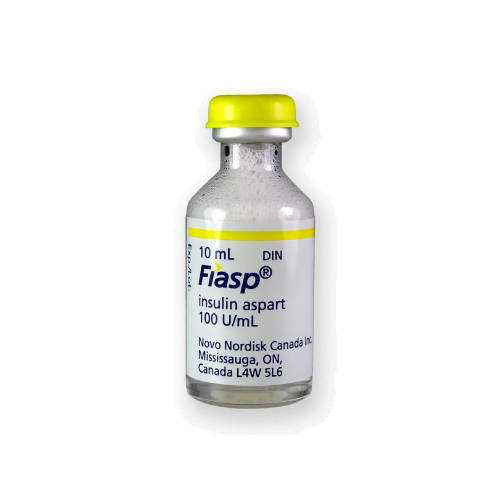
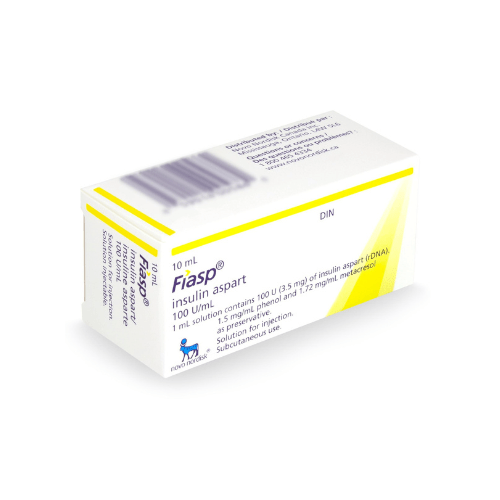
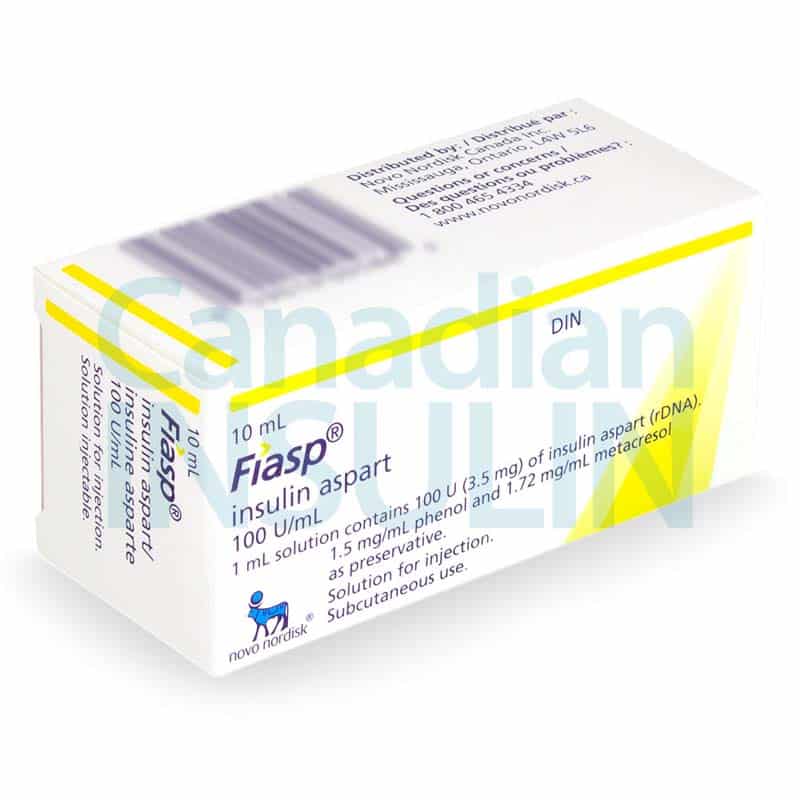
Fiasp Vial
Fiasp Vial: Buy With Prescription and Safety Info
Price:
$59.99
You save


Fiasp Vial is a rapid-acting insulin aspart product used around meals to help control blood glucose in adults and children with diabetes. This page helps people review how to buy Fiasp Vial through a prescription-based process, what the 100 U/mL 10 mL vial is used for, and the main safety points to know before pursuing it. Some patients explore US delivery from Canada while comparing product access options.
How to Buy Fiasp Vial and What to Know First
This is a mealtime insulin product page meant to support a purchase decision, not replace prescribing advice. It is generally considered when rapid meal-time coverage is needed within an existing diabetes plan. Before moving forward, confirm the exact insulin name, concentration, and container because product mix-ups can cause serious dosing errors.
When required, prescription details may be confirmed with the original prescriber. It is also important to verify whether the plan is for syringe use, pump use, or both, because the directions, supplies, and day-to-day handling can differ. Reading the label, checking the expiry date, and matching the vial to the intended measuring system are practical first steps.
This formulation contains fast-acting insulin aspart. It is not a basal insulin and it should not be used during an active low blood sugar episode. If there has been a recent severe low, emergency treatment for diabetes, or uncertainty about the current insulin routine, those issues should be clarified before a refill, switch, or restart.
Who It’s For and Access Requirements
This treatment may be prescribed for adults and children with Type 1 Diabetes or Type 2 Diabetes when fast mealtime insulin is part of the regimen. In type 1 diabetes, it is commonly used with a separate long-acting insulin. In type 2 diabetes, it may be added when meal-related glucose rises remain high despite non-insulin medicines, basal insulin, or both.
Access is not based on diagnosis alone. Prescribers may review the usual meal schedule, frequency of glucose checks, past severe lows, ability to recognize hypoglycemia, and whether vision, hand strength, or a caregiver situation affects safe use of a vial. Pump users may also need confirmation that the intended pump system and supplies fit the prescribed approach.
Extra review is often needed for children who depend on caregiver dosing, older adults with frequent lows, and people whose work or driving schedule makes meal timing unpredictable. Pregnancy, recent hospitalization, and major changes in kidney or liver function can also change how a rapid-acting insulin fits into the overall plan.
It may be a poor fit when the person cannot reliably monitor glucose, has ongoing confusion about which insulin is being used, or has repeated severe lows without a clear prevention plan. Those checks matter because rapid-acting insulin begins working quickly, and small timing mistakes can have immediate consequences.
Dosage and Usage
For Fiasp Vial, dosing is individualized and should follow the prescriber’s plan rather than a one-size-fits-all schedule. It is usually taken at the start of a meal, and some label directions also allow dosing shortly after the meal begins. The exact dose can vary with insulin sensitivity, current glucose reading, carbohydrate intake, activity level, illness, and whether a basal insulin is also being used.
The 10 mL vial is used with a U-100 insulin syringe, and in some cases it may be used to fill an insulin pump reservoir when specifically prescribed. Injection sites may include the abdomen, thigh, upper arm, or buttocks, with regular rotation to reduce skin thickening or pitting. Needles and syringes should never be shared, even within the same household.
Correction doses and dose changes should not be improvised from memory if the written plan is unclear. A delayed meal, vomiting, or unusual exercise can change insulin needs in either direction. Some people are also instructed to check glucose again after meals or overnight when a new regimen has just started.
Pump users need extra attention to reservoir filling, tubing changes, and unexplained high readings because an interruption in rapid-acting insulin delivery can raise glucose quickly. If directions seem unclear, review general context in Insulin Dosage Chart and Adjust Insulin Dose, then confirm the individual plan with a clinician.
Why it matters: Timing, site rotation, and glucose monitoring all affect how safely a mealtime insulin works.
Strengths and Forms
Fiasp Vial on this page is the 10 mL multidose presentation containing insulin aspart 100 U/mL. That strength may also be written as 100 units/mL or 100 U/mL. It is a U-100 insulin, so the measuring method matters and it should not be confused with other concentrations or presentations.
A vial format may suit people who use syringes, need flexible measured doses, or fill pump reservoirs as directed. Pens and cartridges can exist in some markets, but they are handled differently and are not automatically interchangeable with a multidose vial. Even when the brand name is the same, switching the container can change how doses are measured and delivered.
The vial presentation is also relevant for people comparing prescribing information, package insert details, and supply needs. A multidose container means repeated handling, so labeling, clean technique, and accurate measurement matter every time the rubber stopper is entered.
| Feature | What to know |
|---|---|
| Active ingredient | Insulin aspart in a faster-acting mealtime formulation |
| Concentration | 100 U/mL |
| Container | 10 mL multidose vial |
| Typical role | Meal-related glucose control, with syringe use or selected pump use when prescribed |
For broader browsing across insulin categories, the Diabetes Medications hub can help distinguish rapid-acting, basal, and combination products.
Storage and Travel Basics
Unopened insulin should be stored according to the official label, usually under refrigeration and never frozen. A vial that has been frozen, left in excessive heat, or exposed to direct sunlight for long periods may no longer be reliable. Before each use, the solution should appear clear and colorless rather than cloudy or full of particles.
After first use, follow the package insert for room-temperature and in-use limits. Those time limits are important because insulin potency can decline after prolonged heat exposure or after the allowed in-use window has passed. Keeping the cap in place, protecting the glass from cracks, and storing supplies in a consistent location can reduce avoidable waste and mix-ups.
Travel adds another layer of planning. Carry extra syringes, glucose treatment, and a current medication list, and keep insulin within reach rather than packed far away. Long car rides, hot weather, and checked baggage can all expose insulin to temperatures that are harder to control.
Keeping a backup way to monitor glucose and a source of fast sugar nearby can make travel safer when schedules shift. It is also sensible to keep insulin away from dashboards, glove boxes, and direct contact with frozen gel packs, since both heat and extreme cold can damage the product.
Quick tip: Set aside any vial that looks discolored, damaged, or different from usual.
Side Effects and Safety
The most important risk with any rapid-acting insulin is hypoglycemia, or low blood sugar. Common symptoms include shakiness, sweating, hunger, headache, dizziness, a pounding heart, irritability, or confusion. Severe lows can lead to seizure, loss of consciousness, or the need for emergency treatment, which is why routine monitoring and a plan for treating lows matter so much.
Other side effects can include redness or discomfort at the injection site, swelling, weight gain, and skin changes from repeatedly using the same area. Insulin can also lower potassium, and allergic reactions, while uncommon, can become serious if there is widespread rash, trouble breathing, or facial swelling. Any new severe symptom after starting or changing insulin deserves prompt medical review.
Urgent help is appropriate for severe low blood sugar, loss of consciousness, serious allergic symptoms, or ongoing vomiting with high glucose. Same-day clinical advice may be needed when readings are repeatedly off target after a dose or pump change, even if there is no emergency.
When this insulin is used in a pump, blocked tubing, infusion-set problems, or an empty reservoir can sometimes cause glucose to rise quickly because there is no long-acting insulin in the background from the pump itself. The resources on Monitor Blood Sugar and Ketones Diabetes explain why vomiting, persistent highs, or ketones need extra attention.
Drug Interactions and Cautions
Rapid-acting insulin can be affected by other diabetes medicines, alcohol, and non-diabetes drugs that change glucose balance. Some medicines may raise glucose and make insulin needs seem higher. Others can lower glucose and make lows more likely.
- Beta-blockers: may hide some low-sugar warning signs.
- Corticosteroids and some diuretics: can raise glucose.
- Other glucose-lowering drugs: can increase low-sugar risk.
- Alcohol or missed meals: can make lows harder to predict.
Kidney problems, liver problems, infection, reduced appetite, sudden changes in activity, and major stress can all change insulin requirements. Any brand, form, or administration-method switch should be approached carefully, especially when a person has a history of severe lows or variable glucose readings.
This is a high-level caution list rather than a complete interaction review. The full prescribing information and the medication list on file with the clinician remain the key references.
Compare With Alternatives
Rapid mealtime insulins are not all used in exactly the same way. Standard insulin aspart products share the same insulin backbone but may have different timing instructions. Insulin lispro is another rapid-acting option, while regular human insulin is an older short-acting choice that usually requires a longer gap before eating.
- Standard insulin aspart: similar class, but not identical timing directions.
- Insulin lispro: rapid-acting alternative with different device and formulary options.
- Regular human insulin: slower onset and different premeal planning.
Choosing between a vial, a pen, and a pump-compatible reservoir fill is partly a device decision and partly a prescribing decision. The same brand family can come in more than one presentation, but the practical steps, supplies, and coverage rules may still differ in important ways.
The best match depends on the broader treatment plan, not just speed of action. Basal insulins and premixed insulins serve different roles, so they should not be treated as direct substitutes for a mealtime vial without a new plan. For broader context on categories and practical differences, see Insulin Products Guide.
Prescription, Pricing and Access
Fiasp Vial out-of-pocket cost can change with insurance design, deductible stage, prescribed quantity, and whether related supplies are also needed. People paying without insurance may face different cash-pay documentation needs depending on the prescription details and the product presentation requested. Exact amounts vary, so the main value here is understanding what usually affects access.
- Prescription status: active, complete, and legible.
- Product details: vial strength, quantity, and intended supplies.
- Coverage rules: prior authorization or form-specific limits.
- Documentation needs: pump-related notes when relevant.
Common factors that can influence processing include whether the insurer treats vials differently from pens or cartridges and whether the prescribed quantity matches plan limits. Licensed partner pharmacies handle dispensing where regulations permit. If stable program information is available, the site’s Promotions page may list it for reference.
Coverage decisions can also change when a clinician writes for a different insulin form, even if the brand family sounds familiar. Verifying the container, concentration, and quantity before the prescription is sent can help avoid back-and-forth over substitutions that were never intended. That is especially relevant with insulin, where small product differences can matter a great deal in daily use.
Authoritative Sources
For FDA-approved prescribing details, see the Fiasp label PDF.
For manufacturer administration information, review administration options from NovoMedLink.
For a manufacturer overview of the medicine, read the Fiasp patient information site.
For temperature control, prompt, express, cold-chain shipping may be used when a temperature-sensitive order is dispatched.
This content is for informational purposes only and is not a substitute for professional medical advice.
Customer Reviews
4.9 Based on 11 Reviews
Write a Review Ask a Question - Reviews
- Questions
Filter Reviews:
DB
05/29/2025
Dean B.  US
USPrescription
Canadian Insulin has a great customer service!
06/04/2025
CanadianInsulin.com
Hi Dean,Thank you for your review. We are committed to providing exceptional customer service and are happy to hear you were satisfied. Have a wonderful day!

TH
07/01/2024
Thomas H. USGreat!
Fiasp was all there. The only problem is the ice packs don’t last in the summer. I recommend using 3 ice packs instead of two for the summer heat. Overall it’s legit insulin. Helps in a tight spot if you don’t have insurance in the states.
07/03/2024
CanadianInsulin.com
Hi Thomas,Thank you for your feedback! We're glad to hear that you found Fiasp to be as expected. We appreciate your suggestion regarding the ice packs for summer deliveries and will consider this to improve our service. If you have any questions or need further assistance, please don't hesitate to reach out. We're here to support you.Thank you for choosing Canadian Insulin. Have a great day!
RV
09/07/2023
Richard V. USI recommend this product
Warm on arrival
Fiasp arrived at room temperature or slightly higher. Recommend 4 frozen cooling bags not 2!
09/12/2023
CanadianInsulin.com
Hi Richard,Thank you for bringing this matter to our attention. We apologize for the inconvenience caused by your recent order. We understand the importance of keeping the medication cold for optimal effectiveness.To address this matter, we'll assign someone to reach out immediately to offer suitable solution and uncover any underlying issue to prevent recurrence of the same issue.We look forward to resolving this matter with you and your patience is highly appreciated.
08/10/2023
Anonymous  PR
PRI recommend this product
Great product for the price
Works great for me !
08/21/2023
CanadianInsulin.com
Dear David,Thank you for your feedback. Your satisfaction is important to us. It's wonderful to know that the product is delivering great results for you and meets your expectations especially its value for money.We look forward serving you again in the future. Have a great day!
DB
07/21/2023
Dean B. USI recommend this product
Insulin
Prices are great! I highly recommend Canadian Insulin
07/28/2023
CanadianInsulin.com
Hi Dean,We appreciate your kind words and we are thrilled to hear that you had a great experience with our product. It's always our goal to ensure a smooth and hassle-free experience for our customers.We look forward to serving you again in the future.Have a great day!
Express Shipping - from $25.00
Shipping with this method takes 3-5 days
Prices:
- Dry-Packed Products $25.00
- Cold-Packed Products $35.00
Standard Shipping - $15.00
Shipping with this method takes 5-10 days
Prices:
- Dry-Packed Products $15.00
- Not available for Cold-Packed products
Does Fiasp come in a 10 mL vial?
Yes. Fiasp is available as a 100 U/mL solution in a 10 mL multidose vial in markets where that presentation is offered. The vial is typically used with a U-100 insulin syringe, and some clinicians may also prescribe it for certain pump setups. Because Fiasp also exists in other presentations in some regions, it helps to verify the exact container listed on the prescription rather than assuming a pen or cartridge can be substituted for a vial.
What type of insulin is Fiasp?
Fiasp is a rapid-acting insulin aspart product used around meals to help control blood glucose. It is considered a mealtime insulin, not a long-acting basal insulin. In many treatment plans it is paired with a separate basal insulin, especially in type 1 diabetes. Timing instructions can differ from other insulin products, so the specific prescribing directions for the individual regimen matter more than general class descriptions.
Can Fiasp vial be used in an insulin pump?
It may be used in an insulin pump when the prescription and device instructions support that use. Pump suitability depends on the specific system, the clinician’s plan, and correct handling of reservoirs, tubing, and infusion sets. A vial is not automatically pump-ready just because it contains rapid-acting insulin. Any switch between injections and pump use, or between different rapid insulins in a pump, should be reviewed carefully because glucose can rise quickly if delivery is interrupted.
Are Fiasp vials discontinued?
Availability can differ by market, wholesaler, and presentation, so a temporary shortage or local listing change does not always mean the vial has been discontinued everywhere. Fiasp continues to appear in official product information as a vial presentation in some settings. If a prescription cannot be matched to the vial form requested, the safest next step is to confirm the exact product status and whether a new prescription would be needed for another presentation.
What side effects or warning signs should be watched for with Fiasp?
The main issue to watch for is low blood sugar. Shaking, sweating, hunger, headache, confusion, dizziness, and unusual irritability can all be warning signs. More serious problems include loss of consciousness, seizure, widespread allergic symptoms, or persistent high glucose with vomiting, especially if insulin is being delivered by pump. Injection-site reactions and skin changes can also happen over time. Persistent or severe symptoms should be reviewed promptly by a clinician.
What should be discussed with a clinician before switching to Fiasp?
Key points include the exact insulin being replaced, the reason for the switch, current dose schedule, meal timing, history of severe lows, glucose monitoring routine, and whether a pump is used. It is also useful to discuss kidney or liver problems, pregnancy, other medicines that affect glucose, and whether the prescription should specify a vial rather than another presentation. Those details help reduce mix-ups and make follow-up monitoring more meaningful.
Rewards Program
Earn points on birthdays, product orders, reviews, friend referrals, and more! Enjoy your medication at unparalleled discounts while reaping rewards for every step you take with us.
You can read more about rewards here.
POINT VALUE
How to earn points
- 1Create an account and start earning.
- 2Earn points every time you shop or perform certain actions.
- 3Redeem points for exclusive discounts.
You Might Also Like
Select options
This product has multiple variants. The options may be chosen on the product page
Select options
This product has multiple variants. The options may be chosen on the product page
Select options
This product has multiple variants. The options may be chosen on the product page
Select options
This product has multiple variants. The options may be chosen on the product page
Related Articles
Type 2 Diabetes,
Generic Liraglutide For Weight Loss: A Practical Guide
People searching for generic liraglutide for weight loss usually want clear answers on three points: whether an approved lower-cost version exists, how it differs from brand-name products, and what access…
Type 2 Diabetes,
Liraglutide Vs Semaglutide Comparison Guide For Patients
Key Takeaways People searching liraglutide vs semaglutide usually want a practical comparison, not a slogan. The most useful differences involve formulation, schedule, approved uses, side effect patterns, and the paperwork…
Weight Management
Generic Zepbound: Availability, Status, and Options
Key Takeaways Patients and caregivers often search for generic zepbound when they need a clear answer about availability, labeling, and lower-cost access. The term is common online, but it does…
Type 2 Diabetes,
Oral Wegovy Explained: Facts, Risks, and Access Options
The phrase oral wegovy is best understood as a search term, not a settled product name. Most people use it to mean a pill version of semaglutide for weight management,…