
Please note: a valid prescription is required for all prescription medication.
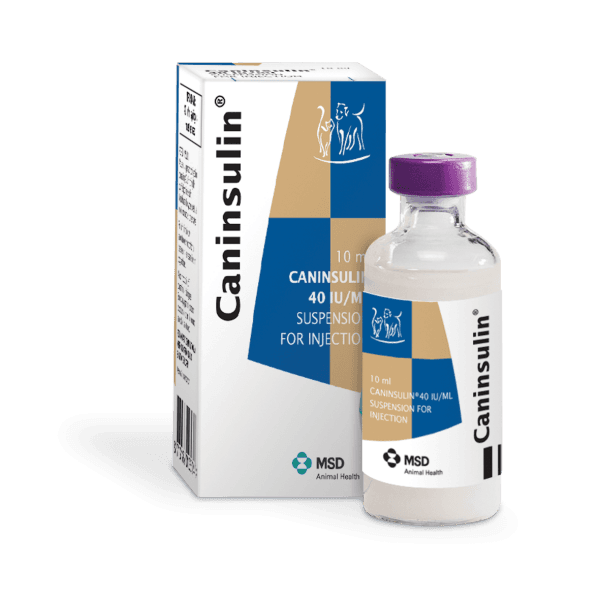
Caninsulin Vial
Buy Caninsulin Vial Online


Caninsulin Vial is a veterinary insulin suspension for dogs and cats with diabetes mellitus. It can be bought online in the vial format shown during ordering, with the 40 IU/mL strength matched to your veterinarian’s written directions. Choose the vial size and quantity carefully because insulin concentration, syringe type, storage, and refill timing all affect safe use.
Caninsulin is a porcine zinc insulin suspension. It is commonly described as intermediate-acting insulin, meaning its glucose-lowering effect develops over time and must be coordinated with meals, injections, monitoring, and follow-up veterinary care. The vial is intended for subcutaneous injection in the prescribed pet, not for human use or emergency treatment of diabetic ketoacidosis.
Caninsulin Vial Price, Size, and 40 IU/mL Strength
The Caninsulin Vial price should be read together with the vial size, quantity, and temperature-sensitive handling needs. A smaller bottle may have a lower upfront amount but contains fewer total units. A larger bottle may contain more insulin, yet it still must be used and stored according to the label and veterinary plan.
Caninsulin 40 IU/mL means each mL contains 40 international units of insulin. A Caninsulin 10ml vial contains 400 IU in total. A Caninsulin 2.5ml vial contains 100 IU in total. Those calculations help compare Caninsulin Vial cost, but they do not determine how many units your dog or cat should receive.
| Attribute | What to match | Practical reason |
|---|---|---|
| Concentration | 40 IU/mL | Requires dose planning and supplies that align with U-40 insulin. |
| Vial size | 2.5 mL or 10 mL when shown | Changes total insulin units and refill planning. |
| Form | Suspension for injection | Needs gentle mixing and visual inspection before use. |
| Quantity | Number of vials | Should fit the treatment plan, storage capacity, and use period. |
Quick tip: Compare total units in the bottle, not only the mL size.
Cash-pay customers often evaluate Caninsulin price without insurance by adding the insulin, U-40 syringes, sharps disposal, monitoring supplies if used, and refrigerated handling needs. Current cost can vary by vial size and quantity, so review the cart amount before completing checkout.
How to Order Caninsulin Vial Online
To order Caninsulin Vial online, choose the vial size and quantity that match the veterinarian’s directions for the dog or cat being treated. Confirm the product name, 40 IU/mL strength, form, and species before completing the order. If the written plan names a different insulin, concentration, cartridge, or pen device, do not substitute a vial unless the veterinarian has directed that change.
Product matching is especially important with veterinary insulin because a concentration or syringe mismatch can deliver the wrong dose. U-40 insulin syringes are typically used with 40 IU/mL veterinary insulin. U-100 syringes should not be used unless a veterinarian has given clear conversion instructions.
Orders that involve refrigerated medicine may use prompt, express, cold-chain shipping. Arrange the delivery address so the package can be brought inside and placed into proper storage as soon as possible. For pet owners seeking Caninsulin Vial US delivery from Canada, keep the pet’s written treatment plan and supply needs organized before placing a refill.
What Caninsulin Treats in Dogs and Cats
Caninsulin Vial for dogs and cats is used to help manage diabetes mellitus, a condition in which the body does not regulate blood glucose properly. In diabetic pets, insulin therapy is usually combined with consistent feeding, regular injection timing, observation of thirst and urination, and veterinary glucose monitoring.
The dose is individualized. Body weight, appetite, meal schedule, activity level, infection, steroid use, pregnancy, heat cycles, and other medicines can change insulin requirements. A vial purchase should support the veterinarian’s plan rather than replace dose instructions.
Pet owners managing canine diabetes mellitus may be asked to watch changes in weight, appetite, drinking, urination, energy, and urine accidents. Cat owners managing feline diabetes mellitus may also discuss diet, remission goals, home glucose checks, and stress during veterinary visits. These care decisions depend on the individual pet and should be revisited when symptoms change.
Caninsulin should not be used to treat diabetic ketoacidosis, a serious emergency that needs immediate veterinary care. Signs such as vomiting, severe weakness, dehydration, rapid breathing, collapse, or marked illness require urgent veterinary attention rather than routine home insulin adjustment.
Type of Insulin and How the Vial Is Used
Caninsulin insulin vial contains highly purified porcine insulin in a zinc suspension. The suspension includes amorphous and crystalline insulin components, which contribute to its intermediate-acting profile. Because it is cloudy by design, appearance alone is not enough; the vial must be mixed and inspected as directed.
Before drawing a dose, follow the label and veterinary instructions for gentle mixing until the suspension looks uniform. Do not shake vigorously. Do not use the vial if clumps, crystals, discoloration, or particles remain after proper mixing, or if the bottle has been damaged.
- Product name: Match Caninsulin exactly to the veterinary treatment plan.
- Strength: Confirm 40 IU/mL before choosing syringes.
- Vial size: Note whether 2.5 mL or 10 mL is being purchased.
- Pet: Use only for the dog or cat for whom it was prescribed.
- Supplies: Use the syringe type and needle size the veterinarian specifies.
Some owners search for Caninsulin vial dosage before a refill. The safest answer is that dosage is measured in units and must come from the veterinarian. Product copy can help confirm concentration and supplies, but it cannot tell you how many units to inject or what to do after a missed meal.
How Long a Bottle May Last
How long a Caninsulin bottle lasts depends on the vial size, the number of units given per dose, how often injections are given, and the permitted in-use period after opening. A 10 mL vial contains 400 IU, while a 2.5 mL vial contains 100 IU. Dividing total units by the pet’s daily prescribed units gives a planning estimate, but that estimate must still fit the labeled handling period.
A larger vial can appear more economical, but it may not be the best match for a small pet using a low daily amount if the bottle cannot be used within the allowed timeframe. A smaller vial may reduce waste for some pets but may require more frequent refills. Ask the veterinary team how much insulin to keep on hand, especially if travel, holidays, or monitoring appointments are approaching.
Why it matters: A vial can contain remaining insulin and still be unsuitable if storage or in-use limits have been exceeded.
Storage, Handling, and Travel
Caninsulin is temperature-sensitive. Store unopened and in-use vials according to the label and veterinary instructions, commonly refrigerated at 2 to 8°C and protected from freezing. If a vial freezes, do not use it unless the veterinarian or official product information gives clear direction to do so.
Keep the bottle upright when directed, protect it from excessive shaking, and return it to the refrigerator promptly after use. A vial that has been dropped, overheated, frozen, or left out too long should be discussed with the veterinary team before another injection is given.
Travel with veterinary insulin requires preparation. Use an insulated carrier when appropriate, prevent direct contact with ice packs, and avoid leaving the vial in a vehicle or checked luggage where temperatures can become extreme. Pack enough syringes, a sharps container, food, monitoring supplies if used, and the veterinarian’s contact information.
General information about cloudy insulin can help explain why suspensions require mixing, but Caninsulin handling should follow its own label. The article on cloudy insulin provides background, while your veterinarian’s directions should guide actual injection preparation.
Safety, Side Effects, and Monitoring
The most important insulin safety concern is hypoglycemia, or low blood glucose. Possible signs include unusual sleepiness, weakness, trembling, hunger, disorientation, unsteady walking, seizures, or collapse. Severe signs need urgent veterinary care.
Do not give Caninsulin to an animal that has not been prescribed it by a veterinarian. It should not be used in a pet with a known allergy to the product or its components. Accidental self-injection can be dangerous; seek medical advice promptly if a person injects themselves by mistake.
Injection-site reactions, allergic signs, vomiting, diarrhea, appetite changes, unexpected lethargy, or changes in thirst and urination should be reported. Keep a simple record of doses, meals, glucose readings if used, and unusual symptoms so the veterinary team can interpret patterns accurately.
Several medicines and health changes can affect blood glucose or insulin needs. Corticosteroids, progestogens, thyroid medicines, some diuretics, infection, weight change, and reproductive status may require closer monitoring. Do not stop, start, or adjust another medicine only because a refill is due.
Broader diabetes education can be useful when organizing routines, supplies, and monitoring conversations. Browse the diabetes condition section for general context, and use the diabetes articles area for related reading that does not replace veterinary care.
Supplies and Injection Format Decisions
Caninsulin injection vial use depends on accurate measuring and safe sharps handling. Common supplies include U-40 syringes, needles, a sharps container, glucose meter supplies if recommended, food or treat instructions for injection time, and a written plan for low blood sugar.
Do not estimate syringe conversions. A U-40 syringe is scaled for 40 IU/mL insulin, while a U-100 syringe is scaled differently. Using the wrong syringe without veterinary conversion can deliver too much or too little insulin.
Some insulin products come in pens, cartridges, or other delivery formats, but those formats are not automatically interchangeable with a Caninsulin bottle. The article on insulin pen and syringe differences can help clarify device terminology. The veterinarian should decide whether a vial and syringe, cartridge, or pen format is appropriate for the pet.
Related Insulin and Pet Medication Choices
Caninsulin veterinary insulin should not be substituted for human insulin, another veterinary insulin brand, a cartridge, or a pen without veterinary direction. Products can differ in concentration, onset, duration, device, and how the animal responds. The written plan should name the insulin and format to use.
Pet owners can browse pet medications to understand the store’s animal-health categories. The insulin category helps identify insulin formats and related products, while the broader diabetes category covers additional diabetes-related medication groups.
Cost comparisons should stay like-for-like. Compare vial size, total units, concentration, required supplies, storage practicality, and the expected in-use period. A lower Caninsulin Vial cash pay amount may not be better if it causes frequent refills, while a larger bottle may not be practical if the pet uses a small amount.
Authoritative Sources and Final Checks
Caninsulin details should align with veterinary labeling, manufacturer information, and the veterinarian’s directions for the individual animal. Useful external references include the veterinary product monograph summary and the manufacturer product information.
Before finishing an order, confirm the pet’s name, product name, 40 IU/mL strength, vial size, quantity, storage plan, and required supplies. Pause and contact the veterinary team if the dose has changed, the pet is eating differently, illness has developed, or the insulin format no longer matches the treatment plan.
This content is for informational purposes only and is not a substitute for professional medical advice.
Blood Glucose Unit Converter
Convert glucose readings between mg/dL and mmol/L without changing the clinical value.
mg/dL
-
US reporting unit
mmol/L
-
International reporting unit
These calculations are for education only and do not replace clinical advice, diagnosis, or treatment. Always confirm medical decisions with a qualified healthcare professional.
HbA1c & eAG Calculator
Convert between HbA1c percentage and estimated average glucose using the ADAG relationship.
HbA1c
-
percentage
eAG mg/dL
-
estimated average glucose
eAG mmol/L
-
estimated average glucose
These calculations are for education only and do not replace clinical advice, diagnosis, or treatment. Always confirm medical decisions with a qualified healthcare professional.
HOMA-IR Calculator
Estimate insulin resistance from fasting glucose and fasting insulin values collected from the same blood draw.
HOMA-IR
-
screening estimate, not a diagnosis
Formula used
-
depends on glucose unit
These calculations are for education only and do not replace clinical advice, diagnosis, or treatment. Always confirm medical decisions with a qualified healthcare professional.
Carb Serving Calculator
Convert total carbohydrate grams into carb choices for meal planning and diabetes education.
Carb choices
-
total carbs divided by choice size
Rounded choices
-
nearest half choice
Carb calories
-
4 kcal per gram
These calculations are for education only and do not replace clinical advice, diagnosis, or treatment. Always confirm medical decisions with a qualified healthcare professional.
Corrected Sodium Calculator
Estimate sodium corrected for hyperglycemia using common 1.6 and 2.4 correction factors.
Corrected sodium
-
1.6 factor
Corrected sodium
-
2.4 factor
These calculations are for education only and do not replace clinical advice, diagnosis, or treatment. Always confirm medical decisions with a qualified healthcare professional.
Express Shipping - from $29.99
Shipping with this method takes 3-5 days
Prices:
- Dry-Packed Products $29.99
- Cold-Packed Products $39.99
Standard Shipping - $19.99
Shipping with this method takes 5-10 days
Prices:
- Dry-Packed Products $19.99
- Not available for Cold-Packed products
What is Caninsulin used to treat?
Caninsulin is used to help manage diabetes mellitus in dogs and cats. It supplies insulin to support blood glucose control as part of a veterinary plan that may include feeding routines, injections, monitoring, and follow-up visits.
How many units are in a 10 mL Caninsulin vial?
Caninsulin is 40 IU/mL, so a 10 mL vial contains 400 IU in total. A 2.5 mL vial contains 100 IU. These totals help with refill planning but do not determine your pet’s dose.
What type of insulin is Caninsulin?
Caninsulin is a porcine zinc insulin suspension and is commonly described as intermediate-acting insulin. Because it is a suspension, it should be gently mixed and visually inspected according to the label before use.
How long will a Caninsulin bottle last?
It depends on vial size, prescribed units per dose, injection frequency, and the allowed in-use period after opening. Divide total units by the pet’s daily prescribed units for a planning estimate, then confirm that the estimate fits label and veterinary handling instructions.
What syringes are used with Caninsulin 40 IU/mL?
U-40 insulin syringes are typically used with 40 IU/mL veterinary insulin. Do not use U-100 syringes unless a veterinarian has given clear conversion instructions, because syringe mismatch can cause serious dosing errors.
What are signs of low blood sugar in a pet using Caninsulin?
Possible signs include unusual sleepiness, weakness, trembling, hunger, disorientation, unsteady movement, seizures, or collapse. Severe or sudden symptoms require urgent veterinary attention.
How should Caninsulin Vial be stored?
Store Caninsulin according to the label and veterinary directions, commonly refrigerated at 2 to 8°C and protected from freezing. Do not use a vial that has frozen, overheated, or changed appearance unless a veterinarian says it is safe.
Rewards Program
Earn points on birthdays, product orders, reviews, friend referrals, and more! Enjoy your medication at unparalleled discounts while reaping rewards for every step you take with us.
You can read more about rewards here.
POINT VALUE
How to earn points
- 1Create an account and start earning.
- 2Earn points every time you shop or perform certain actions.
- 3Redeem points for exclusive discounts.
You Might Also Like
Select options
This product has multiple variants. The options may be chosen on the product page
Select options
This product has multiple variants. The options may be chosen on the product page
Select options
This product has multiple variants. The options may be chosen on the product page
Select options
This product has multiple variants. The options may be chosen on the product page