
Please note: a valid prescription is required for all prescription medication.
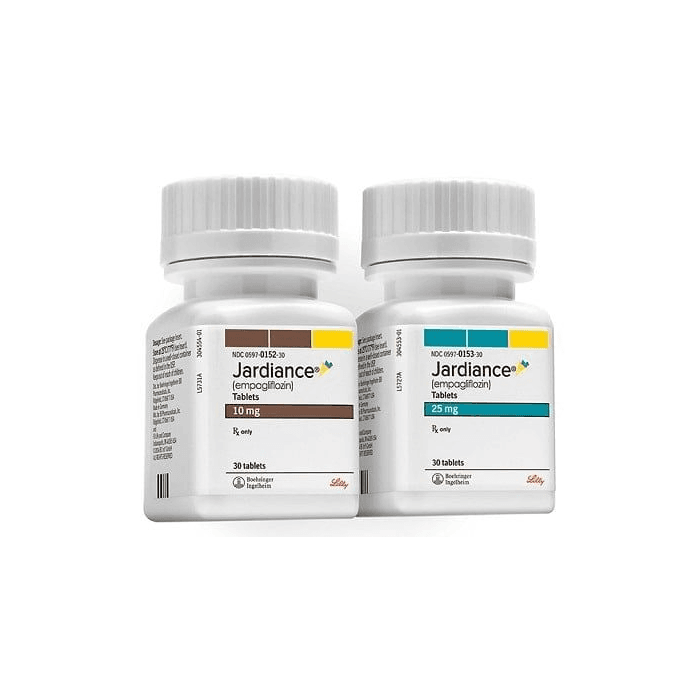
Jardiance
Buy Jardiance Online


Buy Jardiance online with a valid prescription and compare current listed pricing, tablet strengths, and safety basics before you place an order. The product options on this page let you check 10 mg and 25 mg presentations, match the selection to your prescription, and review access factors such as quantity and cash-pay path. If you are comparing US delivery from Canada, check the selected strength and total tablets carefully so the order details match what your clinician prescribed.
Jardiance Price and Available Options
The current listed price should be compared against the exact option selected on this page, not only the product name. Jardiance tablets may be listed by strength and quantity, so a 10 mg selection and a 25 mg selection can represent different order details. If you are checking the Jardiance price in Canada, review the displayed tablet count and any separate listing before you move ahead.
The amount shown can also be affected by coverage handling and whether the order is processed outside a U.S. retail benefit. Insurance or Medicare may not apply to every online cash-pay order, so compare the current listed amount with any plan estimate from your insurer. Do not assume a retail amount and a plan-adjusted estimate are interchangeable.
- Strength: confirm whether the selected tablets are 10 mg or 25 mg.
- Quantity: compare the total tablet count, not only the bottle or package description.
- Presentation: choose oral tablets, not an injectable or combination product.
- Order details: match the selected item to the clinician’s written directions.
Quick tip: Keep the exact strength visible while comparing listed options.
How to Order Jardiance Online
To order Jardiance online, start with the strength and quantity that match your clinician’s directions. During checkout, keep the prescriber’s name, contact details, and your current medicine list available in case details need to be checked. Prescription information may be confirmed with your prescriber when needed.
Use the product selector carefully before submitting the order. A wrong strength can create delays and may require follow-up before the order can move forward. Supporting documents may be requested if a detail is unclear, especially when the selected item, directions, or patient information do not line up.
This product page is most useful when you want to compare the current listing, confirm tablet strength, and review practical safety points in one place. It is not a place to choose a new dose or switch medicines on your own. If the directions on your label differ from what you expected, contact your healthcare professional before changing how you take it.
Tablet Strengths and Prescription Matching
Jardiance is the brand name for empagliflozin, an oral sodium-glucose cotransporter 2 inhibitor. SGLT2 inhibitors help the kidneys remove extra glucose through urine. The product is supplied as tablets, and common prescription strengths include empagliflozin 10 mg and empagliflozin 25 mg.
Jardiance 10 mg and Jardiance 25 mg are not interchangeable choices for self-selection. The correct option is the one written by your clinician. Tablet count also matters because it affects how long the supply may last under the prescribed directions. Do not split, double, or substitute tablets unless your clinician has told you to do so.
| Listing detail | What it means | What to check |
|---|---|---|
| 10 mg tablets | Lower labeled strength of empagliflozin | Confirm the strength and total quantity |
| 25 mg tablets | Higher labeled strength of empagliflozin | Do not substitute for 10 mg without clinician direction |
| Tablet count | Total tablets supplied in the selected option | Compare with the directions on your label |
| Oral tablet form | Swallowed by mouth as directed | Avoid confusing it with injectable diabetes medicines |
Some searches refer to a Jardiance injection, but this medicine is not an injectable product. If your clinician prescribed a different diabetes medicine, compare the name, active ingredient, and form before placing an online order.
What This Medicine Is Used For
Jardiance medicine is used in adults for specific cardiometabolic conditions, including type 2 diabetes, heart failure, and chronic kidney disease when it fits the approved indication. For blood sugar management, it is used with diet and exercise as part of a broader care plan. It is not used to treat diabetic ketoacidosis.
Empagliflozin works differently from insulin. It does not replace insulin for people who need insulin therapy, and it should not be used as a substitute for urgent glucose management. The medicine may also have heart and kidney indications in adults, but the right reason for use should come from the clinician managing your care.
If you are comparing treatment categories, the Type 2 Diabetes collection can help you browse related products by condition. Customers reviewing kidney-related treatment context can also check the Chronic Kidney Disease collection for relevant navigation. These pages support product comparison, not personal treatment selection.
Storage, Handling, and Travel Basics
Jardiance tablets are generally handled as room-temperature oral medicine. Keep the bottle closed, dry, and away from excess heat, moisture, and direct light. Bathrooms, hot cars, and humid travel bags are poor storage places because moisture can affect tablet quality.
This product is not an insulin, biologic, or refrigerated injection. It usually does not require cold-chain handling, although packaging should still protect the tablets during transit. If an order also includes refrigerated diabetes products, those items may have different handling instructions.
- At home: store tablets in the original container when possible.
- During travel: keep the labeled container with your medicine.
- After delivery: inspect the package for damage or moisture.
- Daily use: follow the label directions rather than memory alone.
Keep the medication out of reach of children and pets. If tablets appear damaged, wet, or different from what you expected, do not guess. Contact the dispensing support channel listed with your order for next steps.
Safety Points Before Checkout
Before purchasing, review the safety profile and make sure your clinician knows your current health conditions. Common side effects can include urinary tract infections, genital yeast infections, increased urination, thirst, and nausea. These effects are often manageable, but they still matter when comparing whether the selected product matches your treatment plan.
Serious risks can occur. Seek urgent medical help for symptoms of ketoacidosis, such as nausea, vomiting, stomach pain, tiredness, trouble breathing, or confusion. Ketoacidosis can happen even when blood sugar is not extremely high. Severe urinary infections, dehydration, kidney problems, serious allergic reactions, and a rare infection of the tissue around the genitals have also been reported with SGLT2 inhibitors.
- Dehydration risk: dizziness or fainting may occur, especially with fluid loss.
- Infection symptoms: burning urination, fever, pain, or unusual discharge needs attention.
- Low blood sugar: risk can rise when used with insulin or sulfonylureas.
- Allergy signs: swelling, rash, or breathing trouble needs urgent care.
Tell your healthcare professional if you have kidney disease, recurrent urinary infections, low blood pressure, a history of ketoacidosis, planned surgery, reduced food intake, or heavy alcohol use. Pregnancy and breastfeeding should also be discussed before use. Do not stop or restart this medicine around illness or surgery without medical guidance.
Why it matters: Safety checks help prevent wrong-strength orders and avoidable treatment problems.
Interactions and Monitoring Checks
Medication interactions can affect how empagliflozin is used. Insulin and insulin secretagogues, such as sulfonylureas, can increase the chance of hypoglycemia when used with glucose-lowering therapy. Diuretics and some blood pressure medicines may increase the risk of dehydration or dizziness because this medicine can increase urination.
Your clinician may monitor kidney function before and during treatment. Blood glucose, A1C, blood pressure, hydration status, and symptoms of infection may also be reviewed over time. If you take lithium, diuretics, insulin, or several diabetes medicines together, ask how monitoring should be handled.
Periods of acute illness, fasting, low-carbohydrate dieting, heavy alcohol intake, or surgery can increase ketoacidosis risk. These situations are important to discuss before ordering because they may affect whether you should start, pause, or continue the medicine under professional guidance. Keep a current medication list available whenever your treatment is reviewed.
Compare Related Diabetes Options
Jardiance belongs to the SGLT2 inhibitor class. If your clinician mentioned class-based choices, the SGLT2 Inhibitors category can help you compare related non-insulin products by class. The Oral Diabetes Medications resource can help distinguish tablets from injectable options at a high level.
Some patients compare SGLT2 inhibitors with DPP-4 inhibitors, GLP-1 therapies, insulin, or metformin-based regimens. These groups work differently and have different monitoring concerns. If your prescriber discussed another tablet, Tradjenta is one separate product listing to review against your written directions.
Safety and side effect profiles should be compared before changing therapy. The Jardiance Side Effects resource can support a more focused discussion about adverse effects, while your clinician remains the right person to decide whether a specific medicine fits your medical history.
Authoritative Sources
Use authoritative medical information to confirm approved uses, contraindications, and warning details. Product pages can summarize important points, but they cannot replace the official label or clinician guidance.
- Manufacturer Patient Information for patient-facing use and safety summaries.
- Official FDA Prescribing Information for approved labeling and safety warnings.
This content is for informational purposes only and is not a substitute for professional medical advice.
Customer Reviews
4.8 Based on 33 Reviews
Write a Review Ask a Question - Reviews
- Questions
Filter Reviews:
MT
05/06/2026
Mariela T.  PR
PRJardiance 10
Excellent medicine! it help to maintain good glocose levels.
05/07/2026
CanadianInsulin.com
Hi Mariela!We’re truly happy to hear that it has been helping you maintain healthy glucose levels and support your diabetes management journey. Your feedback means a great deal to us and may also help provide encouragement to other customers managing their health conditions. We sincerely appreciate your trust and continued support. If there’s ever anything we can assist you with, our team is always here and ready to help. Wishing you continued good health and wellness!
JH
03/11/2026
Jacqueline H.  US
USI take Jardiance
Like Jardiance as part of my Type II Diabetes treatment plan. I would recommend it to others.
03/12/2026
CanadianInsulin.com
Hi Jacqueline!Thank you for sharing your positive experience with Jardiance. We’re glad to hear that it has been a helpful part of managing your Type 2 Diabetes and that you’re satisfied with its effectiveness. Your feedback means a lot to us, and it’s great to know the medication is supporting your treatment plan. Experiences like yours can be encouraging for others who are exploring options to better manage their health.Thank you for choosing Canadian Insulin. We truly appreciate your trust and look forward to continuing to support your healthcare needs. If there’s anything else we can assist you with, please don’t hesitate to reach out.
DJ
02/14/2026
Donald J. USGreat service
Bought Jardiance from U.S. 1/3 the cost.
02/16/2026
CanadianInsulin.com
Hi Donald!We’re thrilled to hear that you received great service and were able to purchase Jardiance at a significantly lower cost. Helping our customers access the medications they need while making them more affordable is exactly why we do what we do.We understand how important it is to find reliable options that don’t compromise on quality or safety. Our team works hard to ensure a smooth ordering process, clear communication, and dependable delivery every time. Knowing that you were able to save while still receiving excellent service truly means a lot to us.Thank you for always choosing Canadian Insulin! We appreciate your continued trust and look forward to supporting you with your future medication needs. If there’s ever anything we can assist you with, we’re just a call away.
MT
12/25/2025
Mariela T. PRExcellent product
I highly recommend it; it has regulated my glucose levels. And the staff is very professional.
12/29/2025
CanadianInsulin.com
Hi Mariela!Thank you for sharing your positive experience with us. We’re delighted to hear that the product has helped regulate your glucose levels and that you found our staff to be professional and supportive. Your recommendation means a great deal to our team, as we are committed to providing both high-quality products and dependable customer care.Your trust and confidence motivate us to continue serving you with the highest standards of service. Should you ever need assistance, please know that we are always here to help.Thank you for choosing Canadian Insulin!
DV
08/01/2025
David V. USAccuracy
I notice that precision in taking orders is important at Canadianinsulin. Spellings of names and addresses are repeated and numbers are double checked.
08/04/2025
CanadianInsulin.com
Hi David,Thank you for your thoughtful feedback! We’re glad you’ve noticed our commitment to accuracy when handling orders. Ensuring that names, addresses, and details are double-checked is part of our promise to provide safe, reliable service every time.Thank you for choosing Canadian Insulin! We truly value your trust and continued support!
Express Shipping - from $25.00
Shipping with this method takes 3-5 days
Prices:
- Dry-Packed Products $25.00
- Cold-Packed Products $35.00
Standard Shipping - $15.00
Shipping with this method takes 5-10 days
Prices:
- Dry-Packed Products $15.00
- Not available for Cold-Packed products
What is Jardiance used for?
Jardiance is a brand-name form of empagliflozin. It is used in adults for certain approved cardiometabolic conditions, including type 2 diabetes, heart failure, and chronic kidney disease when appropriate. For type 2 diabetes, it helps lower blood sugar as part of a broader plan that may include diet and exercise. It is not a treatment for diabetic ketoacidosis, and it should not replace insulin when insulin is required.
What are common side effects of empagliflozin?
Common side effects can include urinary tract infections, genital yeast infections, increased urination, thirst, nausea, and changes related to fluid loss. Some people may feel dizzy, especially if they are dehydrated or taking diuretics. Serious symptoms such as trouble breathing, severe weakness, vomiting, fever, back pain with urinary symptoms, or swelling of the face or throat need urgent medical attention.
What should I ask my clinician before taking Jardiance?
Ask why this medicine was chosen for your condition, which strength was prescribed, and how it fits with your other diabetes, heart, kidney, or blood pressure medicines. It is also useful to ask about kidney function monitoring, sick-day instructions, surgery planning, hydration, and infection symptoms. Mention pregnancy, breastfeeding, recurrent urinary infections, low blood pressure, ketoacidosis history, or heavy alcohol use before starting therapy.
Does empagliflozin lower blood pressure?
Empagliflozin may cause a modest reduction in blood pressure for some people because it increases removal of glucose and fluid through urine. It is not a substitute for a prescribed blood pressure medicine. Dizziness, lightheadedness, or fainting can occur, especially with dehydration, diuretics, low salt intake, or illness. People taking blood pressure medicines should ask their clinician how symptoms and readings should be monitored.
How should Jardiance tablets be stored?
Store the tablets at room temperature in a dry place, away from excessive heat, moisture, and direct light. Keep the container closed and out of reach of children and pets. Do not store tablets in a bathroom or a hot vehicle. If tablets look wet, damaged, discolored, or different from what you expected, do not take them until a pharmacist or healthcare professional has advised you.
Rewards Program
Earn points on birthdays, product orders, reviews, friend referrals, and more! Enjoy your medication at unparalleled discounts while reaping rewards for every step you take with us.
You can read more about rewards here.
POINT VALUE
How to earn points
- 1Create an account and start earning.
- 2Earn points every time you shop or perform certain actions.
- 3Redeem points for exclusive discounts.
You Might Also Like
Select options
This product has multiple variants. The options may be chosen on the product page
Select options
This product has multiple variants. The options may be chosen on the product page
Select options
This product has multiple variants. The options may be chosen on the product page
Select options
This product has multiple variants. The options may be chosen on the product page
Related Articles
Women’s Health
Non Hormonal Contraception: Options, Risks, and Fit
Non hormonal contraception means birth control that prevents pregnancy without using estrogen or progestin. Common options include the copper IUD, condoms, diaphragms, spermicides or contraceptive gels, fertility awareness-based methods, withdrawal,…
Weight Management
Weight Loss With Saxenda: Expectations, Risks, and Next Steps
Weight loss with Saxenda is usually gradual, not dramatic at the start. Saxenda is the brand name for liraglutide, a GLP-1 receptor agonist, which is a medicine class that can…
Type 2 Diabetes,
Semaglutide Weight Loss Medication: Safety, Options, and Expectations
A semaglutide weight loss medication is a GLP-1 receptor agonist (a hormone-mimicking drug that can reduce appetite) used in some settings to support chronic weight management. It changes hunger and…
Diabetes, Weight Management
What Are Sugar Alcohols? Sweeteners, Side Effects, and Facts
If you are asking what are sugar alcohols, the short answer is this: they are sweeteners called polyols that show up in many sugar-free or reduced-sugar foods. They are carbohydrates,…