
Please note: a valid prescription is required for all prescription medication.
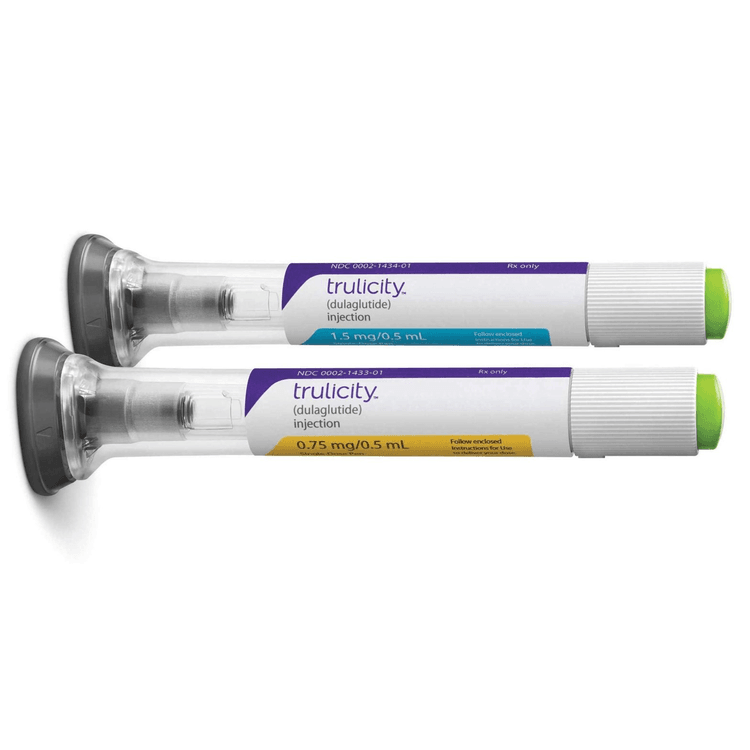
Trulicity
Trulicity Price and How to Buy It Safely
Price:
$279.99
You save


This page helps patients assess whether Trulicity fits a diabetes treatment plan, what prescription checks may apply, and what to review before pursuing an order. If Trulicity price is part of the search, the key questions are usually eligibility, pen strengths, weekly use, and major safety warnings rather than old list figures alone. Some patients explore US delivery from Canada when comparing eligible referral pathways for this once-weekly dulaglutide injection.
How to Buy Trulicity and What to Know First
Trulicity is the brand name for dulaglutide, a GLP-1 receptor agonist (a medicine that mimics an incretin hormone). It is used with diet and exercise to improve blood sugar in adults with type 2 diabetes, and some adults may also use it to lower cardiovascular risk as described on the label. Before seeking it, confirm that the prescription is current, the pen strength matches the prescriber’s intent, and there is no history of medullary thyroid carcinoma or MEN2 (multiple endocrine neoplasia syndrome type 2). Where required, prescription details may be checked with the prescriber.
The product is supplied as a single-dose pen for once-weekly injection, not as insulin. Early decision points include the diagnosis, current diabetes medicines, prior intolerance to GLP-1 therapy, and whether there are ongoing symptoms such as severe abdominal pain, persistent vomiting, or dehydration that need review before treatment continues.
Because this is a prescription medicine, the practical buying path is less about checkout speed and more about matching the written prescription to the requested product. A review may look at whether the request is a new start or a continuation, whether the correct strength has been selected, and whether any recent treatment changes need clarification. For broader context, the site’s Type 2 Diabetes hub and GLP 1 Agonists collection show where dulaglutide sits among related therapies.
Who It’s For and Access Requirements
This treatment is generally considered for adults who need another non-insulin medicine to help manage blood glucose. Even when Trulicity price is the search term, fit still depends on the diagnosis, current regimen, kidney status, stomach tolerance, and whether there is any boxed warning concern about thyroid C-cell tumors. It is not used for type 1 diabetes or diabetic ketoacidosis.
People switching from another GLP-1 medicine or moving from an oral therapy may need the prescriber to confirm timing and strength, since these pens are not interchangeable on a milligram-for-milligram basis. The brand name is Trulicity, while dulaglutide is the active ingredient that may appear on medication histories, insurance records, or clinical notes.
Access requirements vary by jurisdiction and by the pharmacy pathway used. A valid prescription is needed, and some reviews also check the intended strength, prescriber details, current medication list, and prior GLP-1 exposure. Patients comparing related therapies can browse Non Insulin Medications or the background guide GLP 1 Explained.
Dosage and Usage
Dulaglutide is injected once weekly on the same day each week. The pen may be used at any time of day, with or without food, and common injection sites include the abdomen, thigh, or upper arm. Read the Instructions for Use before the first dose and rotate injection sites to reduce local irritation.
When Trulicity price starts the search, practical use still matters because treatment is usually organized around four weekly pens per month. The starting strength and any later increase are selected by the prescriber to balance glucose goals and tolerability, rather than by self-adjustment. If a dose is missed, the official label generally advises taking it only when enough time remains before the next scheduled dose.
Each pen is single use and should not be shared. If insulin is also prescribed, injections may be given in the same general body region, but they should not be placed right next to each other. This reduces confusion about site reactions and helps preserve consistent technique.
Why it matters: Once-weekly use may fit routines well, but the selected strength still affects tolerability and access steps.
Strengths and Forms
The medicine is supplied as a prefilled, single-dose Trulicity pen rather than a vial or reusable device. Available presentations commonly include the Trulicity 0.75 mg/0.5 mL pen, Trulicity 1.5 mg/0.5 mL pen, Trulicity 3 mg/0.5 mL pen, and Trulicity 4.5 mg/0.5 mL pen. Trulicity price can vary with the prescribed strength and the dispensing source, so the exact pen listed on the prescription matters.
| Strength | Presentation | Label context |
|---|---|---|
| 0.75 mg/0.5 mL | Single-dose pen | Common starting strength in adults |
| 1.5 mg/0.5 mL | Single-dose pen | Maintenance strength for some patients |
| 3 mg/0.5 mL | Single-dose pen | Higher maintenance option when needed |
| 4.5 mg/0.5 mL | Single-dose pen | Highest labeled pen strength |
Higher strengths are not typical starting pens. Availability may also differ by market and pharmacy source, so a prescriber may need to confirm whether the requested strength is currently appropriate and obtainable before the order moves forward.
Storage and Travel Basics
Store unopened pens in the refrigerator and keep them in the original carton to protect them from light. Do not freeze the pen, and do not use it if it has been frozen. Before injection, inspect the solution if instructed in the product directions and avoid use if the pen appears damaged.
According to the label, a pen may usually stay at room temperature for up to 14 days, as long as it is kept away from excessive heat. For travel, carry the carton when possible, avoid leaving the medicine in a hot vehicle, and check the expiry date before use.
Quick tip: Keep the carton until use because it helps protect the pen from light.
Side Effects and Safety
Stomach-related effects are common with dulaglutide, especially at the start of treatment or after a dose increase. Nausea, diarrhea, vomiting, reduced appetite, indigestion, and abdominal discomfort can occur. These symptoms may ease with time, but persistent vomiting or diarrhea can lead to dehydration and may worsen kidney problems.
- Common effects: Nausea, vomiting, diarrhea, stomach pain, lower appetite.
- Serious symptoms: Severe abdominal pain, ongoing vomiting, or swelling of the face need urgent review.
- Low sugar risk: Hypoglycemia is more likely with insulin or sulfonylureas.
- Boxed warning: Avoid use with a personal or family history of medullary thyroid carcinoma or MEN2.
- Gallbladder concerns: New upper abdominal pain or jaundice should be assessed promptly.
People with severe gastrointestinal disease may not tolerate this class well. Any unusual neck swelling, trouble swallowing, or symptoms suggesting pancreatitis deserve medical attention rather than another routine dose. Severe allergic reactions are uncommon, but rash, breathing difficulty, or marked facial swelling should never be ignored.
This medicine is not the same as a simple appetite suppressant. Although appetite changes can happen, the main reason for use is diabetes management, and the risk discussion should stay focused on label-based safety issues, monitoring, and whether the treatment remains tolerable over time.
Drug Interactions and Cautions
Interaction review should focus on the full medication list, not only diabetes medicines. Because dulaglutide can slow stomach emptying, oral medicines that need rapid or predictable absorption may need extra review by the prescriber or pharmacist.
- Insulin combinations: Added monitoring may be needed if insulin is also prescribed.
- Sulfonylureas: These can raise the chance of low blood sugar.
- Oral drugs: Timing-sensitive tablets or capsules deserve a closer check.
- Medical history: Prior pancreatitis, severe stomach disorders, or kidney issues change risk discussions.
- Life stages: Pregnancy or breastfeeding plans should be discussed before treatment.
Keep an updated list of prescription drugs, over-the-counter products, and supplements so interaction screening is based on the actual regimen. That is especially useful if other medicines must be taken at set times or if the treatment plan already includes multiple blood-sugar-lowering products.
Compare With Alternatives
For side-by-side decisions, Trulicity price is only one factor beside dosing frequency, side-effect profile, cardiovascular labeling, and whether the alternative is a weekly or daily medicine. Trulicity is a diabetes treatment, so comparisons are most useful when they stay within relevant diabetes or incretin-based options.
- Mounjaro: Tirzepatide is a once-weekly injectable with dual GIP and GLP-1 activity. See Mounjaro KwikPen and the comparison article Trulicity Vs Mounjaro.
- Ozempic: Semaglutide is another once-weekly GLP-1 receptor agonist. Review Ozempic Semaglutide Pens if a prescriber is comparing class options.
- Victoza: Liraglutide is a once-daily GLP-1 medicine and may suit people who are considering a different schedule or device routine.
No single alternative is reliably cheaper across every plan. A medicine that looks less expensive in one search result may still require different prior authorization steps, different tier placement, or a different follow-up schedule. That is why comparison should include both clinical fit and coverage rules, not only a posted list figure.
Prescription, Pricing and Access
Because Trulicity price changes with the prescribed strength, benefit design, deductible stage, pharmacy source, and jurisdiction, older online figures may not match a current quote. Monthly expense is usually thought of as four weekly pens, but the out-of-pocket amount can vary widely between commercial coverage, employer plans, and Medicare drug benefits.
For people without insurance, out-of-pocket amounts are often higher and may vary across dispensing channels. Some patients consider cash-pay arrangements or cross-border pharmacy routes when local coverage is limited, subject to eligibility and jurisdiction. Licensed third-party pharmacies handle dispensing where local rules allow.
Brand injectable diabetes medicines do not land on the same formulary tier in every plan. One insurer may prefer Trulicity, while another may favor a different GLP-1 product, which is one reason two medicines with similar public list figures can lead to different patient responsibility at the pharmacy counter.
Access review may include the prescription, prescriber information, medication history, and confirmation of the requested strength. Prior authorization can apply, especially when a plan prefers a different GLP-1 medicine or asks for step-therapy documentation. For broader class context, the article Ozempic Pricing Factors explains why GLP-1 products can differ, and the site’s Promotions Information page is a better reference point than outdated posts.
Authoritative Sources
For the full label, review the Trulicity prescribing information.
For patient-friendly drug details, see MedlinePlus dulaglutide guidance.
When a temperature-sensitive prescription is approved for release, prompt, express, cold-chain shipping may be used to protect handling.
This content is for informational purposes only and is not a substitute for professional medical advice.
Customer Reviews
4.4 Based on 64 Reviews
Write a Review Ask a Question - Reviews
- Questions
Filter Reviews:
RM
03/19/2026
Rueven M.  US
USGreat service at a good price
Never had an issue with Canadian Insulin. The product arrives on time, undamaged, in an insulated cold container which protects the insulin from harm. Their prices are reasonable considering that drugs are outrageously price nowadays. Definitely would, and have, recommended to friends and family because they offer well priced products and have exception service. The people are friendly and know the products. They even call every few months to ensure that you have enough medication. I've been extremely satisfied with the price and service of everything I've bought from Canadian Insulin.
03/19/2026
CanadianInsulin.com
Hi Rueven!Thank you for choosing Canadian Insulin!We truly appreciate you taking the time to share your experience. It is wonderful to hear that your orders have consistently arrived on time, safely packaged, and in excellent condition. Ensuring that medications, especially temperature sensitive ones like insulin, are delivered securely is one of our top priorities. We are also glad that you find our pricing reasonable and our team knowledgeable and supportive. Your kind words about our customer service and proactive follow ups mean a great deal to us, as we strive to provide not only quality products but also ongoing care and assistance. Your recommendation to friends and family is the highest compliment we could receive. Thank you for your continued trust.We are honored to support your healthcare needs and look forward to serving you for years to come!
SH
06/26/2025
Stephen H. USLosing Weight, Lowering A1C
Everything worked fine, It took some time to get it shipped and Credit card payment also took a couple tries. Suggest alerting customers to credit card billing name used by CI.
JA
06/20/2025
Jose A.  PR
PRGood Service
A lot of setbacks but the comunication and service was excellent
SJ
05/15/2025
sean j. USTrulicity
Have been ordering Trulicity from Canadian Insulin for well over a year and you absolutely can't beat there price! Fast Shipping too !
05/23/2025
CanadianInsulin.com
Hi Sean,Thank you so much for the feedback! We strive to provide safe and affordable medication along with exceptional customer service.If you have any questions or need further assistance, please let us know, we're here to support you.Thank you for choosing Canadian Insulin. Have a great day!
NS
04/29/2025
Noah S. USGreat Product
Easy delivery system
04/30/2025
CanadianInsulin.com
Hi Noah,We’re glad to hear you found the product great and the delivery process easy. Your satisfaction means a lot to us!If you have any questions or need further assistance, please let us know. We’re here to support you.Thank you for choosing Canadian Insulin. Have a great day.
Express Shipping - from $25.00
Shipping with this method takes 3-5 days
Prices:
- Dry-Packed Products $25.00
- Cold-Packed Products $35.00
Standard Shipping - $15.00
Shipping with this method takes 5-10 days
Prices:
- Dry-Packed Products $15.00
- Not available for Cold-Packed products
How often is Trulicity taken?
Trulicity is generally taken once weekly on the same day each week. It can usually be used with or without food, and common injection sites are the abdomen, thigh, or upper arm. The pen is single use and should not be shared. If a dose is missed, the label gives timing rules based on how close the next scheduled dose is, so the Instructions for Use and prescribing information should be checked before taking an extra or delayed dose.
What side effects should be watched closely?
The most common side effects are stomach related, including nausea, diarrhea, vomiting, reduced appetite, and abdominal discomfort. Closer attention is needed if symptoms become severe, do not improve, or lead to dehydration. Urgent review is also important for severe abdominal pain, swelling of the face, trouble breathing, or symptoms that could suggest pancreatitis or gallbladder problems. People with a personal or family history of medullary thyroid carcinoma or MEN2 should not use Trulicity.
Can Trulicity be used with insulin or sulfonylureas?
It can be used with other diabetes medicines in some treatment plans, but combinations with insulin or sulfonylureas may raise the risk of low blood sugar. That means the full regimen should be reviewed before treatment starts or changes. Trulicity is not insulin, and it does not replace every other diabetes medicine automatically. Medication timing, injection technique, and any history of low blood sugar all matter when a clinician decides whether the combination is appropriate.
What should be discussed with a clinician before starting Trulicity?
Key discussion points include the diagnosis, current diabetes medicines, past reactions to GLP-1 drugs, kidney problems, severe stomach disorders, pancreatitis history, and any personal or family history of medullary thyroid carcinoma or MEN2. It is also important to review pregnancy or breastfeeding plans, recent changes in blood sugar control, and any oral medicines that must be absorbed at predictable times. Bringing a current medication list can make the review more accurate and practical.
Will insurance usually require extra approval for Trulicity?
Sometimes. Coverage rules vary by plan, and some insurers may require prior authorization, step therapy, or confirmation of the diagnosis and prescribed strength before the medicine is approved. Tier placement can also differ, which affects out-of-pocket responsibility even when the same brand is covered on more than one plan. Commercial insurance, employer coverage, and Medicare drug benefits can all use different criteria, so the final answer often depends on the specific plan rather than the medicine name alone.
Rewards Program
Earn points on birthdays, product orders, reviews, friend referrals, and more! Enjoy your medication at unparalleled discounts while reaping rewards for every step you take with us.
You can read more about rewards here.
POINT VALUE
How to earn points
- 1Create an account and start earning.
- 2Earn points every time you shop or perform certain actions.
- 3Redeem points for exclusive discounts.
You Might Also Like
Select options
This product has multiple variants. The options may be chosen on the product page
Select options
This product has multiple variants. The options may be chosen on the product page
Select options
This product has multiple variants. The options may be chosen on the product page
Select options
This product has multiple variants. The options may be chosen on the product page
Related Articles
Type 2 Diabetes,
Generic Liraglutide For Weight Loss: A Practical Guide
People searching for generic liraglutide for weight loss usually want clear answers on three points: whether an approved lower-cost version exists, how it differs from brand-name products, and what access…
Type 2 Diabetes,
Liraglutide Vs Semaglutide Comparison Guide For Patients
Key Takeaways People searching liraglutide vs semaglutide usually want a practical comparison, not a slogan. The most useful differences involve formulation, schedule, approved uses, side effect patterns, and the paperwork…
Weight Management
Generic Zepbound: Availability, Status, and Options
Key Takeaways Patients and caregivers often search for generic zepbound when they need a clear answer about availability, labeling, and lower-cost access. The term is common online, but it does…
Type 2 Diabetes,
Oral Wegovy Explained: Facts, Risks, and Access Options
The phrase oral wegovy is best understood as a search term, not a settled product name. Most people use it to mean a pill version of semaglutide for weight management,…