
Please note: a valid prescription is required for all prescription medication.
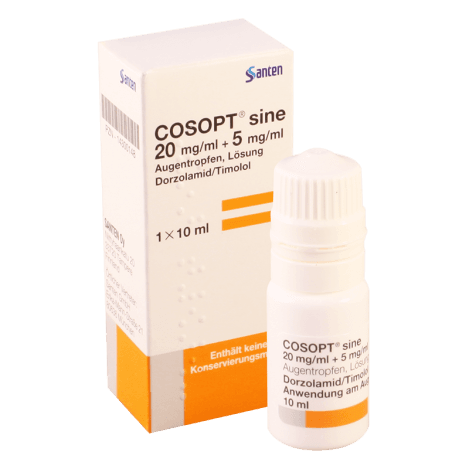
Cosopt
Cosopt Eye Drops: Uses, Safety, and Handling
Price:
$96.99
You save


Cosopt is a prescription eye-drop combination used to lower intraocular pressure in glaucoma and ocular hypertension. It contains dorzolamide and timolol, which reduce fluid production inside the eye. This page explains clinical basics and practical factors people often consider, including Cosopt eye drops price.
What Cosopt eye drops Is and How It Works
This medicine is a fixed-combination ophthalmic solution (eye drops) that targets elevated intraocular pressure (IOP, the pressure inside the eye). Lowering IOP is a common goal in care plans for Glaucoma Hub and Ocular Hypertension. If needed, CanadianInsulin can confirm prescription details with the prescriber. The goal of treatment is to reduce damage risk to the optic nerve over time, as directed by an eye-care professional.
Dorzolamide is a carbonic anhydrase inhibitor (reduces fluid formation in the eye), while timolol is a beta-blocker (also reduces aqueous humor production). Using two mechanisms in one bottle can simplify a regimen when a single agent is not enough, although individual response varies. Some patients explore care pathways that include Ships from Canada to US for eligible prescriptions, depending on jurisdiction and documentation. Where permitted, the medication is dispensed by licensed third-party pharmacies. For other eye-care options in the same therapeutic area, patients and clinics may browse Ophthalmology Products to compare categories and formulations.
Why it matters: Glaucoma often has few early symptoms, so pressure control is usually monitored over time.
Who It’s For
Cosopt is typically used in people with open-angle glaucoma or ocular hypertension who need an IOP-lowering prescription drop. Clinicians may consider it when a combination of medication classes is appropriate, or when a simplified routine may improve day-to-day adherence. Eye pressure management can be especially relevant for people with diabetes, since long-term metabolic disease can affect the eyes in several ways; see related background in Diabetes Affect The Eyes and Diabetic Eye Disease.
This medicine is not appropriate for everyone. Timolol-containing drops are commonly avoided in people with asthma, severe COPD (chronic obstructive pulmonary disease), certain slow-heart-rate or conduction problems, or cardiogenic shock, because beta-blockers can worsen breathing or heart rhythm issues. Dorzolamide may require extra caution in people with significant kidney disease or a history of sulfonamide allergy (a type of medication allergy) as determined by a clinician. This product page focuses on human use; for veterinary needs, see the separate browsing hub for Pet Medications because dosing and formulations can differ.
Dosage and Usage
Typical labeled schedules for dorzolamide/timolol combination drops are one drop in the affected eye(s) twice daily, but your prescriber sets the plan based on diagnosis and other eye medicines. If multiple ophthalmic products are used, they are usually spaced several minutes apart so the first drop is not washed out. When people search Cosopt eye drops price, it can help to also review the instructions that reduce contamination risk and improve dose consistency.
General handling steps include washing hands, avoiding contact between the bottle tip and the eye or skin, and keeping the cap closed between uses. If a dose is missed, clinicians often advise taking the next scheduled dose rather than using extra drops, but follow the patient-specific directions on the prescription label. If your drops cause brief blurred vision, it may be safer to wait until vision clears before driving.
Quick tip: Gentle pressure at the inner corner of the eye for 1–2 minutes may reduce systemic absorption.
Strengths and Forms
Cosopt is commonly supplied as an ophthalmic solution containing dorzolamide 2% and timolol 0.5%. Availability can vary by jurisdiction and pharmacy, and some patients may be offered a generic equivalent labeled as dorzolamide-timolol ophthalmic solution. Another presentation is a preservative-free option (often referred to as Cosopt PF), which may be considered when a patient has preservative sensitivity or needs frequent drops, based on clinician judgment.
| Form | Preservative | Practical notes |
|---|---|---|
| Multidose bottle | May contain preservative | Do not touch the tip; recap tightly |
| Preservative-free single-use | None | Discard after opening, per label |
| Generic dorzolamide-timolol | Varies | Labeling and bottle design can differ |
In practice, formulation choice can influence tolerability and handling, and it may also affect Cosopt eye drops price when comparing options across pharmacies and benefit plans.
Storage and Travel Basics
Store ophthalmic solutions exactly as directed on the carton or pharmacy label, commonly at controlled room temperature and away from excessive heat. Do not use the bottle if the seal is broken, the solution changes appearance, or the dropper tip is cracked. Keeping the bottle clean matters because contaminated drops can cause eye infections, which may be serious in people with existing corneal disease.
For travel, keep drops in a carry-on bag to avoid temperature extremes and to reduce the chance of loss. If you use single-use preservative-free containers, plan enough units for the trip and protect them from puncture. If you also manage diabetes-related eye complications, it can be useful to review symptom patterns and screening basics in Diabetic Retinopathy Signs and the broader library of Ophthalmology Articles.
Side Effects and Safety
Many people notice mild, short-lived effects after instilling drops, such as burning or stinging, watery eyes, redness, itching, or a bitter taste. Temporary blurred vision can occur, especially if excess fluid remains on the eye surface. Preservatives, when present, may irritate the ocular surface in some patients. If irritation is persistent, eye pain develops, or vision changes do not resolve, prompt clinical review is appropriate.
Because timolol is a beta-blocker, systemic side effects are possible even though the medicine is used in the eye. These can include slow heart rate, low blood pressure, fatigue, dizziness, or breathing problems in susceptible individuals. Dorzolamide can rarely contribute to allergic-type reactions. Even when comparing Cosopt eye drops price, safety considerations should stay central, especially if you have asthma, heart rhythm issues, or a history of severe drug allergy. Regular eye follow-up is also important when other treatments may affect vision; see context in Semaglutide Vision Reminder.
- Common effects: brief stinging, redness
- Vision changes: short-term blur
- Seek urgent care: wheeze, fainting, severe eye pain
Contact lens wearers should follow label directions and clinician guidance, particularly if the product contains a preservative that can be absorbed by soft lenses. A common approach is removing lenses before dosing and waiting before reinsertion, but follow the specific instructions provided with the product you have.
Drug Interactions and Cautions
Interactions are most relevant to the timolol component. Using a topical beta-blocker with oral beta-blockers, certain calcium channel blockers, digoxin, or other medicines that slow heart rate can increase the risk of bradycardia or low blood pressure. Some antidepressants or other drugs that affect how beta-blockers are metabolized can also change systemic exposure. For patients with multi-condition care plans, it may help to review cardiovascular risk discussions in Diabetes And Hypertension.
Dorzolamide is a carbonic anhydrase inhibitor, so clinicians may avoid combining it with oral carbonic anhydrase inhibitors unless there is a clear plan to monitor tolerability. People with significant kidney impairment may require additional caution, because drug clearance can change. If you are reviewing Cosopt eye drops price alongside other options, include the full medication list and health history in the comparison so the regimen remains clinically appropriate.
Compare With Alternatives
Clinicians choose IOP-lowering therapies based on diagnosis, target pressure, eye exam findings, and patient-specific risk factors. Common alternatives include prostaglandin analogs (often once daily), alpha agonists, beta-blocker monotherapy, and topical carbonic anhydrase inhibitors as separate drops. Some patients use two separate medications instead of a fixed-combination bottle, depending on response and tolerance.
Non-drop approaches may also be discussed in ophthalmology, such as laser trabeculoplasty or surgical procedures, particularly when medication alone does not meet pressure goals. When weighing convenience tradeoffs and Cosopt eye drops price, ask the prescriber which outcomes are being monitored (pressure readings, optic nerve appearance, visual field testing) and how often reassessment is expected.
Patients with ocular surface dryness or sensitivity may also ask about preservative exposure, since bottle type and dosing frequency can affect comfort. Comparison should focus on clinical fit first, then practical considerations such as bottle handling and compatibility with contact lens routines.
Pricing and Access
Access to dorzolamide/timolol ophthalmic solution generally requires a valid prescription. Coverage rules vary widely by plan, including whether a prior authorization is required, how many milliliters are covered per fill, and whether a brand or generic is preferred. Out-of-pocket amounts can differ between multidose and preservative-free formats, and between pharmacies. If you are evaluating Cosopt eye drops price, it is reasonable to confirm the exact form (multidose vs PF), quantity, and days-supply the prescriber intends.
Some patients pay cash-pay for eye drops, while others use insurance benefits; people looking for Cosopt eye drops price without insurance may see different amounts depending on pharmacy contracts and dispensing fees. Documentation needs can include prescriber details, diagnosis context, and patient identifiers required by the dispensing pharmacy. In CanadianInsulin’s model, prescriptions may be reviewed for completeness before being routed for dispensing where permitted.
Cross-border fulfilment depends on eligibility and jurisdiction. General, non-time-limited site updates may be listed on Promotions Information, but availability and terms can change and should be confirmed against the prescription requirements.
Authoritative Sources
For the most accurate instructions, rely on the dispensing label and the official prescribing information for the specific product you receive. These sources describe indications, contraindications, warnings, and administration steps in standardized language. Clinical organizations also publish guidance on glaucoma monitoring and follow-up, which can help patients understand why repeated exams are part of routine care.
The following references are useful starting points for label-level details and condition background:
- DailyMed drug label database for ophthalmic combinations
- American Academy of Ophthalmology overview of glaucoma basics
- MedlinePlus information on timolol ophthalmic
In some cases, medications may be sent using prompt, express, cold-chain shipping when temperature control is required.
This content is for informational purposes only and is not a substitute for professional medical advice.
Express Shipping - from $25.00
Shipping with this method takes 3-5 days
Prices:
- Dry-Packed Products $25.00
- Cold-Packed Products $35.00
Standard Shipping - $15.00
Shipping with this method takes 5-10 days
Prices:
- Dry-Packed Products $15.00
- Not available for Cold-Packed products
What is Cosopt used for?
Cosopt is commonly prescribed to lower intraocular pressure (pressure inside the eye) in conditions such as open-angle glaucoma and ocular hypertension. It combines two active ingredients, dorzolamide and timolol, that reduce aqueous humor production. Lowering eye pressure is a core strategy to reduce the risk of optic nerve damage over time. Your eye-care clinician decides whether a combination drop is appropriate based on eye exam findings, pressure measurements, and how you have responded to other treatments.
How do dorzolamide and timolol work in the eye?
Dorzolamide is a carbonic anhydrase inhibitor that decreases fluid formation in the eye. Timolol is a beta-blocker that also reduces aqueous humor production through a different pathway. Combining them in one ophthalmic solution can lower intraocular pressure more than either mechanism alone for some patients, although individual response varies. Because timolol is a beta-blocker, small amounts can be absorbed systemically, which is why clinicians ask about heart rhythm conditions, low blood pressure, and breathing disorders.
How should I use Cosopt eye drops correctly?
Use the drops exactly as written on the prescription label. General technique includes washing hands, tilting the head back, pulling down the lower lid, and instilling one drop without touching the bottle tip to the eye or skin. If you use other eye drops, they are usually separated by several minutes to avoid washing out the first medication. Many clinicians recommend gentle pressure at the inner corner of the eye for a minute or two to limit systemic absorption, but follow your prescriber’s instructions.
What are common side effects of Cosopt?
Common effects after dosing can include brief burning or stinging, eye redness, watery eyes, itching, or a bitter taste. Some people notice temporary blurred vision. These effects are often mild and short-lived, but persistent irritation, eye pain, swelling, or vision changes should be assessed by a clinician. Because the product includes timolol, rare systemic effects like slow heart rate, dizziness, fatigue, or breathing symptoms can occur, especially in people with asthma, COPD, or certain heart conditions.
Can Cosopt affect the heart or lungs?
Yes. Timolol is a beta-blocker, and even when used as an eye drop it can be absorbed into the bloodstream. In susceptible people, beta-blockers may worsen asthma or COPD symptoms, and they can slow heart rate or affect cardiac conduction. Clinicians often avoid timolol-containing drops in people with asthma, severe COPD, certain heart rhythm problems, or cardiogenic shock. Seek urgent medical attention for wheezing, severe shortness of breath, fainting, or chest pain after using the drops.
What should I ask my clinician before starting Cosopt?
Consider asking whether this combination is intended to replace other eye drops or be used alongside them, and what monitoring is planned (pressure checks, optic nerve evaluation, visual field testing). Share a complete medication list, including oral beta-blockers, heart rhythm medicines, and other glaucoma drops. Discuss any history of asthma, COPD, slow heart rate, fainting, kidney disease, or significant drug allergies. If you wear contact lenses or have dry eye symptoms, ask how the specific formulation you receive should be used with lenses.
Rewards Program
Earn points on birthdays, product orders, reviews, friend referrals, and more! Enjoy your medication at unparalleled discounts while reaping rewards for every step you take with us.
You can read more about rewards here.
POINT VALUE
How to earn points
- 1Create an account and start earning.
- 2Earn points every time you shop or perform certain actions.
- 3Redeem points for exclusive discounts.
You Might Also Like
Select options
This product has multiple variants. The options may be chosen on the product page
Select options
This product has multiple variants. The options may be chosen on the product page
Select options
This product has multiple variants. The options may be chosen on the product page
Select options
This product has multiple variants. The options may be chosen on the product page
Related Articles
Type 2 Diabetes,
Oral Wegovy Explained: Facts, Risks, and Access Options
The phrase oral wegovy is best understood as a search term, not a settled product name. Most people use it to mean a pill version of semaglutide for weight management,…
Diabetes, General Health,
Glp-1 Drugs Over The Counter: What’s Real And What’s Not
Key Takeaways Prescription GLP-1 medicines are not sold as true OTC drugs. Many “GLP-1” supplements aim to support fullness, not mimic prescriptions. Online “no prescription” offers raise counterfeit and quality…
Diabetes, Type 2
GLP-1 Cost Without Insurance: Compare Cash-Pay Options
Key Takeaways Many people searching for glp-1 cost without insurance are trying to plan for a long-term expense. The total can change based on the drug, the pharmacy, and how…
Cardiovascular, Diabetes, Nephrology,
SGLT2 Inhibitors Drugs: Names, Uses, And Safety Notes
Key Takeaways They lower glucose by increasing urinary sugar loss. Common options include dapagliflozin, empagliflozin, canagliflozin, and ertugliflozin. Some products combine an SGLT2 inhibitor with metformin. Risks include dehydration and…