
Please note: a valid prescription is required for all prescription medication.
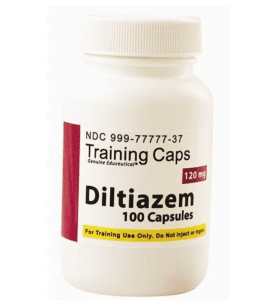
Diltiazem
Diltiazem Product Overview: Uses, Forms, and Safety
Price:
Price range: $54.99 through $109.99
You save


Diltiazem is a prescription calcium channel blocker used for certain heart rhythm, chest pain, and blood pressure conditions. It comes in immediate-release and extended-release forms with different dosing schedules. This page explains common uses, formulation differences, safety considerations, interactions, storage, and practical access basics.
What Diltiazem Is and How It Works
This medicine belongs to the non-dihydropyridine calcium channel blockers. It reduces calcium entry into heart and blood vessel cells, which can relax arteries and slow electrical conduction through the atrioventricular node (AV node, the heart’s “signal relay”). These effects may lower blood pressure, reduce angina symptoms, and help control heart rate in certain fast rhythms. CanadianInsulin operates as a prescription referral platform and can confirm prescription details with prescribers as needed.
Different formulations are designed to release medication at different speeds. Immediate-release tablets act over a shorter window and are usually taken multiple times a day, while extended-release products are designed for steadier levels over many hours. Some patients explore US shipping from Canada when maintaining a consistent formulation matters for ongoing care. Because release patterns differ, products that look similar on the label may not be interchangeable without clinician guidance.
Who It’s For
Clinicians may prescribe diltiazem for several cardiovascular conditions. Common uses include hypertension, chronic stable angina, and rate control for certain supraventricular (above-the-ventricles) tachyarrhythmias, such as atrial fibrillation or atrial flutter in appropriate patients. If you are learning more about these conditions, browse related hubs like Hypertension Overview, Atrial Fibrillation Overview, or Angina Overview for general context.
It is not suitable for everyone. A prescriber may avoid it in people with certain conduction problems (for example, second- or third-degree AV block without a pacemaker), significant low blood pressure, or specific rhythm disorders where slowing AV conduction could be harmful. Caution is also common in patients with heart failure with reduced ejection fraction, because further slowing of the heart can worsen symptoms in some cases.
- Typical candidates: hypertension or chronic angina
- Rate control: selected supraventricular tachycardias
- Higher-risk situations: conduction disease or severe hypotension
- Extra caution: some forms of heart failure
Dosage and Usage
Only a prescriber can determine the right regimen, and doses are usually individualized based on the indication, other medicines, and response. In general, immediate-release tablets are taken more than once daily, while extended-release capsules or tablets are often taken once daily. Because there are multiple release designs, follow the exact directions on the prescription label for diltiazem rather than relying on a previous schedule from a different product.
| Formulation type | Practical use basics |
|---|---|
| Immediate-release | Shorter duration; often divided doses |
| Extended-release | Longer duration; usually once daily |
Swallow extended-release products whole unless the specific product labeling allows another method. Crushing or chewing can change how the medicine is released and increase side effects. If a dose is missed, the safest general approach is to follow the written instructions from the dispensing label and avoid doubling up unless a clinician specifically advised that plan.
- Timing: take consistently each day
- Extended-release: do not crush or chew
- Missed doses: follow label directions
- Monitoring: record heart rate if asked
Strengths and Forms
Availability can vary by pharmacy and jurisdiction, but this medication is commonly supplied as immediate-release tablets and extended-release capsules or tablets. Immediate-release options may include low-dose tablets such as diltiazem 30mg, while extended-release products are often available in higher strengths like 120 mg, 180 mg, 240 mg, 300 mg, and 360 mg for once-daily regimens. Brand-associated names may include Cartia XT, and some products are labeled with abbreviations like CD, ER, or XR.
Because naming conventions can be confusing, it helps to match the full label: drug name, strength, and release type. For example, diltiazem CD 120 mg capsules describe a specific extended-release design, and a different ER/XR product may not release at the same rate even at the same milligram strength. Why it matters: Switching release types without guidance can change blood pressure and heart rate control.
- Immediate-release: lower strengths, divided doses
- Extended-release: higher strengths, longer coverage
- Label terms: CD, ER, XR vary
- Brand/generic: may differ by manufacturer
Storage and Travel Basics
Store tablets or capsules at controlled room temperature and keep them dry. Avoid leaving the container in places with heat swings, such as a car glove box or near a bathroom sink. Keep the product in its original container when possible, since the label provides key details like the exact formulation and the expiration date.
For travel, keep medications in your carry-on and bring a current medication list. If you use multiple strengths or formulations, separate containers can prevent mix-ups. Quick tip: Take a photo of the pharmacy label for reference if the bottle is misplaced.
- Temperature: room temperature storage
- Moisture: keep container closed
- Light: avoid prolonged direct sunlight
- Organization: keep original labels
Side Effects and Safety
Like other heart and blood pressure medicines, diltiazem can cause side effects related to lower blood pressure or slower heart rate. Common effects may include dizziness, headache, flushing, fatigue, nausea, constipation, or swelling in the ankles or feet. Some people notice a slower pulse, especially when starting therapy or after a dose increase. If home monitoring is part of the care plan, record readings and share them at follow-up visits.
More serious reactions are less common but require prompt medical evaluation. Seek urgent care for fainting, severe lightheadedness, chest pain that is new or worsening, shortness of breath at rest, marked swelling, or signs of an allergic reaction (hives, facial swelling, trouble breathing). Rarely, liver injury can occur; symptoms may include dark urine, severe fatigue, or yellowing of the skin or eyes. Do not stop a cardiac medicine abruptly without clinician direction, since symptom rebound can occur in some settings.
- Common: dizziness, constipation, edema
- Heart rate: can become too slow
- Blood pressure: may drop too low
- Urgent signs: fainting, breathing trouble
Drug Interactions and Cautions
This treatment can interact with other medicines that affect heart rate, conduction, or blood pressure. Combining it with beta blockers or certain antiarrhythmics may increase the chance of bradycardia (slow heart rate) or heart block in susceptible patients. It can also affect how some drugs are metabolized through CYP3A4 and P-gp pathways, which may change exposure to selected statins, immunosuppressants, or other cardiovascular agents.
Food and supplements can matter too. Grapefruit products may increase levels of some calcium channel blockers, and many clinicians advise avoiding or limiting grapefruit unless they confirm it is safe for your specific regimen. For general background on grapefruit-related medication issues, see Grapefruit And Diabetes. If you have rhythm conditions such as SVT, the broader context in Supraventricular Tachycardia Overview may help frame why interaction screening is important.
Why it matters: Interaction checks can prevent avoidable low pulse, low blood pressure, or excess medication exposure.
- Heart-rate drugs: additive slowing effects
- Statins: dose adjustments may be needed
- Anticoagulants: clinician may monitor closely
- Grapefruit: may raise drug levels
Compare With Alternatives
Several medication classes may be considered for similar indications, and the choice often depends on the condition being treated and patient-specific risks. Another non-dihydropyridine calcium channel blocker is verapamil, which also slows AV node conduction and can lower blood pressure; see Verapamil Details for the product listing. Dihydropyridine calcium channel blockers, such as nifedipine, tend to have stronger blood-vessel effects and less direct AV node slowing; an example listing is Nifedipine Xr.
Beta blockers (for example, metoprolol or propranolol) are also common options for rate control and blood pressure management, but they work through different receptors and have different precautions. For browsing related therapies by category, the Cardiovascular Category can be a useful navigation hub, and Cardiovascular Articles provides general educational resources. Any switch between agents should be clinician-led, since equivalence depends on indication, formulation, and tolerability.
- Non-DHP CCB: AV node slowing effect
- DHP CCB: more vasodilation focus
- Beta blocker: different mechanism, cautions
- Switching: requires clinical review
Pricing and Access
Access depends on prescription requirements, the specific formulation, and local rules about dispensing. Extended-release products may be handled differently than immediate-release tablets, and the exact brand or generic manufacturer can affect what is available at a given time. If coverage is part of your care plan, formularies may also distinguish between release types or branded names like Cartia XT versus generics.
For patients navigating diltiazem without insurance, out-of-pocket costs can vary by strength, release type, and pharmacy policies, and it can help to confirm that the prescription specifies the intended formulation. Dispensing is handled by licensed third-party pharmacies where permitted, which can influence what documentation is needed and what substitutions are allowed.
When documentation is reviewed, key details often include the diagnosis context, current medication list, allergies, and prior response to similar therapies. It can also be useful to confirm whether the prescriber intends an ER/XR/CD product or an immediate-release tablet, since the same milligram strength does not guarantee the same release profile. If you are reviewing general program details, Promotions Information may list current non-time-specific notes.
Cross-border fulfilment may be an option, depending on eligibility and jurisdiction, and requirements can differ across regions. If a change in manufacturer or formulation is proposed, clinicians often reassess blood pressure and pulse trends after the change to ensure the new product is tolerated.
- Prescription: formulation must be clear
- Coverage: depends on plan and product
- Cash-pay: varies by release type
- Documentation: may be required for review
Authoritative Sources
For the most complete and current prescribing details, refer to these sources:
- For FDA-labeled dosing and warnings, see DailyMed Prescribing Information.
- For patient-friendly medication summaries, see MedlinePlus Drug Information.
When temperature-sensitive handling is required, packages may use prompt, express, cold-chain shipping based on product needs.
This content is for informational purposes only and is not a substitute for professional medical advice.
Express Shipping - from $25.00
Shipping with this method takes 3-5 days
Prices:
- Dry-Packed Products $25.00
- Cold-Packed Products $35.00
Standard Shipping - $15.00
Shipping with this method takes 5-10 days
Prices:
- Dry-Packed Products $15.00
- Not available for Cold-Packed products
What is diltiazem used for?
Diltiazem is commonly used to treat high blood pressure (hypertension), chronic stable angina (chest pain related to reduced blood flow to the heart), and to help control heart rate in certain supraventricular arrhythmias such as atrial fibrillation or atrial flutter in appropriate patients. The exact use depends on your diagnosis and clinical goals. Because it can slow conduction through the heart and lower blood pressure, clinicians consider your other conditions and medicines before choosing it.
What is the difference between diltiazem ER, XR, and CD?
ER, XR, and CD generally indicate extended-release formulations designed to release medication over many hours. However, these labels are not always interchangeable across manufacturers, and release patterns can differ even when the strength (mg) looks the same. That is why prescriptions often specify a particular release type and sometimes a brand-associated product name (for example, Cartia XT). If a substitution is proposed, ask whether the new product is the same release design and dosing schedule.
Can I crush or open extended-release diltiazem capsules?
Many extended-release diltiazem products should be swallowed whole, because crushing, chewing, or opening them can change the release rate and increase side effects such as low blood pressure or a slow pulse. Some specific formulations may have different instructions, so the safest approach is to follow the directions on the dispensing label and the official product information. If swallowing is difficult, ask a clinician or pharmacist to confirm whether an alternative formulation is appropriate.
What side effects should I monitor while taking diltiazem?
Common effects include dizziness, headache, flushing, constipation, nausea, fatigue, and swelling in the ankles or feet. Because it can lower heart rate and blood pressure, clinicians may ask you to track pulse and blood pressure, especially after starting or changing doses. Seek urgent medical attention for fainting, severe lightheadedness, shortness of breath at rest, chest pain that is new or worsening, or signs of an allergic reaction. Contact a clinician if you notice a very slow pulse or worsening swelling.
What should I ask my clinician before starting diltiazem?
Ask whether diltiazem is intended for blood pressure, angina, or heart-rate control, since that affects the target response and monitoring. Confirm the formulation (immediate-release vs extended-release) and how to take it. Discuss your history of conduction problems, fainting, low blood pressure, or heart failure symptoms. Share a complete list of prescriptions, over-the-counter products, and supplements to screen for interactions. If you are managing care without insurance, ask about clinically appropriate generic options and how refills should be written to avoid unintended substitutions.
Does diltiazem interact with grapefruit or other medicines?
Grapefruit products can raise levels of some calcium channel blockers and may increase side effects, so many clinicians advise avoiding or limiting grapefruit unless they confirm it is safe for your regimen. Diltiazem can also interact with medicines that slow heart rate (such as beta blockers or some antiarrhythmics) and drugs affected by CYP3A4 or P-gp pathways (which may include certain statins and some anticoagulants). Always provide an updated medication list so a clinician or pharmacist can check for clinically relevant interactions.
Rewards Program
Earn points on birthdays, product orders, reviews, friend referrals, and more! Enjoy your medication at unparalleled discounts while reaping rewards for every step you take with us.
You can read more about rewards here.
POINT VALUE
How to earn points
- 1Create an account and start earning.
- 2Earn points every time you shop or perform certain actions.
- 3Redeem points for exclusive discounts.
You Might Also Like
Select options
This product has multiple variants. The options may be chosen on the product page
Select options
This product has multiple variants. The options may be chosen on the product page
Select options
This product has multiple variants. The options may be chosen on the product page
Select options
This product has multiple variants. The options may be chosen on the product page
Related Articles
Type 2 Diabetes,
Oral Wegovy Explained: Facts, Risks, and Access Options
The phrase oral wegovy is best understood as a search term, not a settled product name. Most people use it to mean a pill version of semaglutide for weight management,…
Diabetes, General Health,
Glp-1 Drugs Over The Counter: What’s Real And What’s Not
Key Takeaways Prescription GLP-1 medicines are not sold as true OTC drugs. Many “GLP-1” supplements aim to support fullness, not mimic prescriptions. Online “no prescription” offers raise counterfeit and quality…
Diabetes, Type 2
GLP-1 Cost Without Insurance: Compare Cash-Pay Options
Key Takeaways Many people searching for glp-1 cost without insurance are trying to plan for a long-term expense. The total can change based on the drug, the pharmacy, and how…
Cardiovascular, Diabetes, Nephrology,
SGLT2 Inhibitors Drugs: Names, Uses, And Safety Notes
Key Takeaways They lower glucose by increasing urinary sugar loss. Common options include dapagliflozin, empagliflozin, canagliflozin, and ertugliflozin. Some products combine an SGLT2 inhibitor with metformin. Risks include dehydration and…