
Please note: a valid prescription is required for all prescription medication.
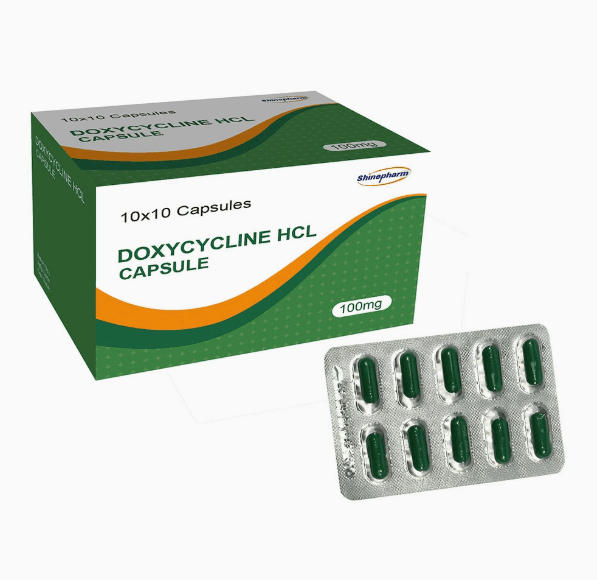
Doxycycline
Doxycycline Antibiotic: Uses, Forms, and Safety Basics
Price:
Price range: $67.99 through $115.99
You save


Doxycycline is a tetracycline-class antibiotic used to treat certain bacterial infections and some inflammatory skin conditions. This page explains doxycycline 100mg in plain language, with practical basics on how it works, typical use patterns, safety concerns, and handling. It is intended to support informed discussions with a licensed clinician and careful label reading.
What Doxycycline Is and How It Works
Doxycycline is a broad-spectrum antibiotic in the tetracycline family. It works mainly by slowing bacterial growth through inhibition of protein synthesis (binding the 30S ribosomal subunit), which can help the immune system clear the infection. It does not treat viral illnesses such as colds or influenza. CanadianInsulin operates as a prescription referral service and does not itself dispense medications.
Doxycycline may be prescribed for a range of infections (depending on local resistance patterns and the organism involved) and for some longer-term inflammatory conditions. Some patients explore Ships from Canada to US when local access is limited, subject to eligibility and jurisdiction. If clarification is needed, prescription details can be confirmed with the prescriber before any referral is processed.
Different salts and formulations can affect tolerability and handling. For example, doxycycline hyclate can be more irritating to the esophagus in some people, while doxycycline monohydrate is sometimes reported as gentler, though individual response varies. The goal is consistent systemic exposure so the antibiotic can reach the tissues where bacteria are present.
Why it matters: Using an antibiotic only when indicated helps reduce side effects and resistance risk.
Who It’s For
Doxycycline is used in adults and, in selected situations, in children when the expected benefit outweighs risks. Common reasons include acne and rosacea flare control, certain respiratory or skin infections, tick-borne illnesses, and some sexually transmitted infections when clinically appropriate. If you are browsing condition-related options, the site also offers browseable hubs such as Bacterial Infection Hub, Lyme Disease Hub, Sexually Transmitted Infection, Acne Treatments, and Rosacea Options.
This medicine is not appropriate for everyone. A known allergy to doxycycline or other tetracyclines is a typical contraindication. Pregnancy and breastfeeding require careful review because tetracyclines can affect developing teeth and bones. In younger children, doxycycline may be avoided for similar reasons unless the prescriber determines it is necessary for the specific infection.
It is also important to consider the type of infection. Many common conditions that resemble infection (viral sore throat, uncomplicated colds, allergic sinus symptoms) do not benefit from antibiotics. When the diagnosis is uncertain, clinicians often use exam findings, test results, and local guidelines to decide whether doxycycline is reasonable.
In veterinary medicine, doxycycline is used for certain animal infections, but dosing and formulations differ from human prescriptions. For navigation that includes animal-focused items, see Pet Medications for context.
Dosage and Usage
Doxycycline dosing depends on the condition being treated, age, kidney and liver status, and the specific product form. Many prescriptions use once- or twice-daily administration after an initial loading approach, but schedules vary widely by indication. Clinicians may use 100 mg capsules or tablets as a convenient unit because it matches several labeled regimens and common practice patterns.
Some patients are prescribed doxycycline 100mg twice a day for a defined duration (for example, 7–10 days) for certain infections, while others may be placed on longer courses for acne or other inflammatory skin conditions. Duration, refills, and any step-down plan should come from the prescriber, not from general online guidance. If instructions differ between the label, the prescription, and what you were told in clinic, a pharmacist can help reconcile them.
Administration habits can affect tolerability. The label for many doxycycline products recommends taking doses with a full glass of water and remaining upright for a period afterward to reduce the risk of esophageal irritation (painful swallowing or chest discomfort). Food may reduce stomach upset, but certain minerals can interfere with absorption (see interactions). If nausea is persistent, clinicians sometimes review timing, formulation, or alternative antibiotics.
Quick tip: Keep a simple medication list so interaction checks are faster.
Strengths and Forms
Doxycycline is available in multiple oral forms, including tablets and capsules, and in different release characteristics depending on the manufacturer. A common presentation is a 100 mg unit dose, which may appear as a capsule or tablet depending on the product. In practice you may see names like doxycycline hyclate 100 mg capsule, doxycycline hyclate 100 mg tablet, or brands such as Acticlate, Adoxa, Monodox, or doxycycline Vibra-Tabs (availability varies by jurisdiction and supplier).
Salt forms (hyclate vs monohydrate) and tablet design (standard vs delayed-release) can change how a dose feels in the stomach, but the clinical choice is usually driven by indication, patient history, and what is locally available. If a prescription specifies one form, it is generally because the prescriber has a reason (such as prior intolerance or a need for a specific formulation). If substitution is permitted, pharmacists may dispense an equivalent based on regulations.
For many patients, doxycycline 100mg is used as a practical unit when creating a regimen, but the exact product dispensed can still differ in appearance. When starting a new bottle, compare the label directions and inspect the tablet/capsule for changes. If anything seems inconsistent with prior fills, ask a pharmacist to confirm.
Storage and Travel Basics
Most doxycycline tablets and capsules are stored at room temperature in a dry place, protected from excess heat and moisture. Bathrooms and cars can be unreliable storage locations because temperature and humidity fluctuate. Keep the container tightly closed and out of reach of children and pets.
Travel planning is mostly about consistency and protection from the environment. Keep doses in the original labeled container when possible so instructions and identification remain available. If a pill organizer is used, transfer only what you need for the trip and avoid mixing look-alike medicines. For any liquid form (when prescribed), storage may differ by product, so follow the specific label directions.
Expired doxycycline should not be used. Older, degraded tetracyclines have historically been associated with kidney-related toxicity concerns, so it is best practice to discard unused medication after the expiration date. Many communities offer medication take-back programs, which can reduce accidental exposure and environmental contamination.
If you are prone to motion sickness or reflux, plan dosing times around meals and posture changes, especially on long flights or drives. This helps lower the chance of throat irritation while maintaining adherence to the prescribed schedule.
Side Effects and Safety
Like many antibiotics, doxycycline can cause gastrointestinal effects. Common issues include nausea, stomach upset, loss of appetite, and diarrhea. Esophagitis (inflammation of the esophagus) is a notable risk when doses are taken without enough water or right before lying down. Another well-known effect is photosensitivity, meaning skin may burn more easily in sun or tanning light.
Yeast overgrowth can occur during or after antibiotic use, including vaginal yeast symptoms or oral thrush in susceptible individuals. For people managing chronic conditions, it can help to understand how infection and antibiotics interact with overall health; the site’s resources such as Diabetes And Fungal Infections and Diabetes And Wound Healing provide general educational context.
Serious reactions are uncommon but require urgent evaluation. These include signs of anaphylaxis (swelling, hives, trouble breathing), severe skin reactions (widespread rash, blistering), severe headache with vision changes (possible intracranial hypertension), and severe or persistent watery diarrhea that may suggest C. difficile–associated colitis. Seek prompt medical care for these symptoms.
Doxycycline 100mg safety considerations also include pregnancy risk review, age-related tooth discoloration concerns in younger children, and liver-related caution in certain clinical scenarios. Clinicians weigh these factors against the risk of untreated infection and may choose an alternative antibiotic when appropriate.
Drug Interactions and Cautions
Doxycycline can interact with minerals and some medications in ways that reduce absorption or increase side effects. Antacids and supplements containing calcium, magnesium, aluminum, iron, or zinc can bind the drug in the gut and lower exposure. Bismuth products may also interfere. Many labels recommend separating these products from doxycycline by a few hours, but exact timing guidance should follow the product labeling and pharmacist advice.
| Interaction category | Examples | What to discuss with a clinician |
|---|---|---|
| Mineral binding | Iron, calcium, magnesium, zinc; antacids | How to separate doses and meals |
| Bleeding risk changes | Warfarin and other anticoagulants | Whether monitoring needs adjustment |
| Increased side effects | Isotretinoin, other retinoids | Headache/vision risk and alternatives |
| Reduced antibiotic levels | Some seizure medicines | Whether another agent fits better |
Hormonal contraception questions are common. While evidence is mixed for most antibiotics, vomiting or severe diarrhea can reduce contraceptive absorption, and some prescribers recommend backup methods in specific situations. Always review your full medication list, including over-the-counter products, with a pharmacist. If you are managing infections alongside diabetes, educational reading like UTI And Diabetes or Cellulitis And Diabetes may help frame questions for your care team.
When doxycycline 100mg is used, interaction management is often about spacing, monitoring, and avoiding duplicative therapy. Do not start or stop other prescription medicines solely based on general interaction lists; confirm with a licensed clinician who knows your history.
Compare With Alternatives
Antibiotic selection depends on the suspected organism, infection site, allergy history, pregnancy status, and regional resistance trends. Common alternatives to doxycycline for certain infections may include beta-lactams (such as amoxicillin), macrolides (such as azithromycin), cephalosporins, or other tetracyclines (such as minocycline). Each option has different interaction profiles and side-effect patterns.
For acne and rosacea, clinicians may also consider topical therapies or non-antibiotic oral options when appropriate, especially if prolonged courses are being considered. For tick-borne illnesses and some respiratory pathogens, local guidelines and test results often drive therapy choice more than brand preference.
When comparing options, it helps to focus on practical questions: whether the antibiotic reliably reaches the target tissue, how often it must be taken, and what monitoring is needed. Browseable navigation hubs like Infectious Disease Products and Infectious Disease Articles can provide broader context about infection-related treatments without replacing individualized care.
Pricing and Access
Doxycycline is prescription-only in many jurisdictions. Access can be influenced by the prescribed formulation (hyclate vs monohydrate), dose form (tablet vs capsule), and whether a standard or delayed-release product is written. Coverage varies by plan and region, and some people compare cash-pay options or coverage alternatives depending on their situation. For those without insurance, out-of-pocket expectations can differ based on pharmacy sourcing and the exact product selected.
CanadianInsulin can help route prescriptions for review, and medications are dispensed by licensed third-party pharmacies where permitted. Documentation needs may include a valid prescription, prescriber contact details, and identity verification consistent with pharmacy requirements. If you are reviewing general site-wide information, the Promotions Page may describe non-time-limited programs or policies in neutral terms, when available.
If doxycycline 100mg is prescribed, it can be helpful to confirm the intended indication, duration, and formulation on the written prescription to avoid mismatches at the pharmacy level. Patients using multiple medicines should also ask whether any interaction-based spacing is needed, particularly with mineral supplements, antacids, or iron therapy.
Authoritative Sources
For FDA-style labeling details and medication guides, see the listing on DailyMed: DailyMed Drug Label Database.
For patient-friendly safety and administration information, see: MedlinePlus Doxycycline Information.
For public-health context on tick-borne illness, see: CDC Lyme Disease Information.
When fulfilment is arranged through partner pharmacies, options may include prompt, express, cold-chain shipping where appropriate for the product.
This content is for informational purposes only and is not a substitute for professional medical advice.
Express Shipping - from $25.00
Shipping with this method takes 3-5 days
Prices:
- Dry-Packed Products $25.00
- Cold-Packed Products $35.00
Standard Shipping - $15.00
Shipping with this method takes 5-10 days
Prices:
- Dry-Packed Products $15.00
- Not available for Cold-Packed products
What is doxycycline used for?
Doxycycline is a tetracycline-class antibiotic used for certain bacterial infections and some inflammatory skin conditions. Depending on the clinical situation and local guidance, it may be used for acne, rosacea, some respiratory or skin infections, certain tick-borne illnesses, and selected sexually transmitted infections. It does not treat viral infections like colds or flu. Because the right antibiotic depends on the organism and site of infection, a clinician usually considers exam findings, testing, allergies, and resistance patterns before prescribing.
Is doxycycline hyclate the same as doxycycline monohydrate?
They contain the same active antibiotic (doxycycline) but in different salt forms. In many situations they are considered therapeutically similar, yet they can differ in pill appearance, excipients (inactive ingredients), and how they feel in the stomach. Some people report less stomach irritation with one form than the other, but tolerance varies. If your prescription specifies hyclate or monohydrate, ask the pharmacist whether substitution is allowed and whether any administration directions differ for the product you received.
How should I take doxycycline to reduce stomach or throat irritation?
Many doxycycline labels recommend taking each dose with a full glass of water and staying upright for a period afterward. This can help reduce esophageal irritation, which may present as pain with swallowing or chest discomfort. Food may lessen nausea for some people, although certain products, supplements, and antacids that contain minerals (calcium, magnesium, iron, zinc) can reduce absorption if taken too close together. Follow the specific label directions and ask a pharmacist about spacing if you use supplements.
What happens if I miss a dose?
General guidance varies by product and regimen, so the safest approach is to follow the instructions on your prescription label or the patient information leaflet. In many cases, a missed dose is taken when remembered unless it is close to the next scheduled dose, but double-dosing can increase side effects. If you miss multiple doses, contact the prescribing clinic or pharmacist for advice on how to resume. Do not extend or restart an antibiotic course without confirming the plan with a clinician.
What side effects mean I should seek urgent medical care?
Seek urgent evaluation for signs of a severe allergic reaction (hives, swelling of the face or throat, trouble breathing), severe skin reactions (widespread rash, blistering, peeling), or severe headache with vision changes. Also get prompt care for severe or persistent watery diarrhea, especially if it is accompanied by fever or blood, because this can be a sign of antibiotic-associated colitis. If you develop chest pain or painful swallowing after taking doses, ask about possible esophageal irritation.
Is doxycycline safe during pregnancy or for children?
Tetracycline-class antibiotics can affect developing teeth and bones, so doxycycline is often avoided during pregnancy and in younger children unless a clinician determines it is necessary for the specific infection and situation. The risk-benefit decision can differ for serious infections where effective treatment is important. If you are pregnant, trying to become pregnant, breastfeeding, or the prescription is for a child, discuss alternatives, expected benefits, and safety monitoring with the prescriber and pharmacist before starting the medication.
What should I ask my clinician or pharmacist before starting doxycycline?
Bring a current list of prescription drugs, over-the-counter medicines, and supplements. Ask what the medication is targeting, how long therapy should last, and what symptoms should improve versus worsen. Confirm whether you need to separate doses from iron, calcium, magnesium, zinc, or antacids. Ask about sun sensitivity precautions and what to do if you develop severe diarrhea, rash, or swallowing pain. If you have liver disease, are on anticoagulants, or take retinoids, ask if monitoring or an alternative antibiotic is preferred.
Rewards Program
Earn points on birthdays, product orders, reviews, friend referrals, and more! Enjoy your medication at unparalleled discounts while reaping rewards for every step you take with us.
You can read more about rewards here.
POINT VALUE
How to earn points
- 1Create an account and start earning.
- 2Earn points every time you shop or perform certain actions.
- 3Redeem points for exclusive discounts.
You Might Also Like
Select options
This product has multiple variants. The options may be chosen on the product page
Timolol Maleate Ophthalmic Solution
Price range: $38.99 through $42.99
You save
- In Stock
- Express Shipping
Select options
This product has multiple variants. The options may be chosen on the product page
Select options
This product has multiple variants. The options may be chosen on the product page
Select options
This product has multiple variants. The options may be chosen on the product page
Related Articles
Weight Management
Generic Zepbound: Availability, Status, and Options
Key Takeaways Patients and caregivers often search for generic zepbound when they need a clear answer about availability, labeling, and lower-cost access. The term is common online, but it does…
Type 2 Diabetes,
Oral Wegovy Explained: Facts, Risks, and Access Options
The phrase oral wegovy is best understood as a search term, not a settled product name. Most people use it to mean a pill version of semaglutide for weight management,…
Diabetes, General Health,
Glp-1 Drugs Over The Counter: What’s Real And What’s Not
Key Takeaways Prescription GLP-1 medicines are not sold as true OTC drugs. Many “GLP-1” supplements aim to support fullness, not mimic prescriptions. Online “no prescription” offers raise counterfeit and quality…
Diabetes, Type 2
GLP-1 Cost Without Insurance: Compare Cash-Pay Options
Key Takeaways Many people searching for glp-1 cost without insurance are trying to plan for a long-term expense. The total can change based on the drug, the pharmacy, and how…