
Please note: a valid prescription is required for all prescription medication.
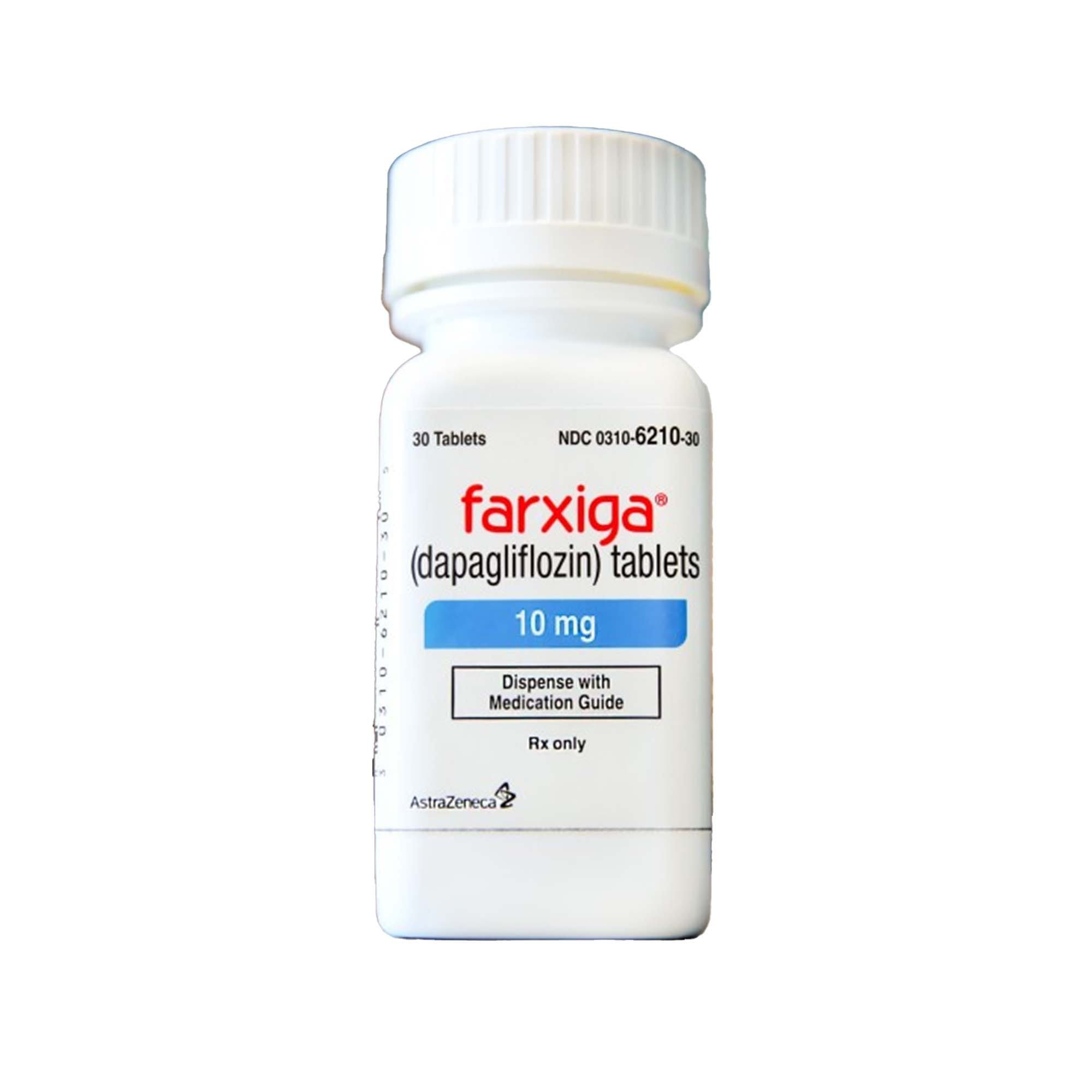
Forxiga
Forxiga: How to Buy It and What to Know
Price:
$119.99
You save


Forxiga is a prescription tablet used in adults for type 2 diabetes and, in some markets, certain heart failure or chronic kidney disease indications. This page helps people compare how the product is bought or ordered through a compliant process, what prescription checks may apply, and which safety points matter before starting treatment. Some patients explore US delivery from Canada when local availability, eligibility, and jurisdiction affect their options, but kidney status, dehydration risk, and any history of diabetic ketoacidosis need review first.
How to Buy Forxiga and What to Know First
Buying this medicine usually starts with three checks: the prescription needs to match the intended indication, the current medication list needs review, and recent kidney status should make clinical sense for therapy. Prescription details may need confirmation with the prescriber before a partner pharmacy can dispense. The active ingredient is dapagliflozin, an SGLT2 inhibitor (a medicine that helps the kidneys remove more glucose into urine).
Before pursuing an order, it helps to look at why it was prescribed, whether other glucose-lowering drugs are already in use, and whether there is a recent history of dehydration, urinary infection, genital yeast infection, or planned surgery. Those details do not automatically rule it out, but they change how a prescriber and pharmacist judge suitability and monitoring needs.
For people comparing options, this page is meant to help decide whether the medicine fits the prescription and safety context before moving forward. It does not replace the patient leaflet, but it can make the early decision points easier to review.
Who It’s For and Access Requirements
Forxiga may be considered for adults with Type 2 Diabetes. Depending on country-specific labelling, it may also be used for selected heart failure or chronic kidney disease indications. It is not a routine option for type 1 diabetes, and it should not be used to treat diabetic ketoacidosis.
Access questions are usually simpler when the prescription and the clinical reason are clear. A medication review may be needed if there is reduced kidney function, frequent low blood pressure, recurrent yeast infections, or use of a diuretic (water pill), insulin, or a sulfonylurea (a tablet that can strongly lower glucose). People comparing the broader category can browse Diabetes Medications or the larger Diabetes Products selection for context.
The reason for prescribing it matters. In some cases the goal is better glucose control; in others, the decision is linked to heart failure or chronic kidney disease labelling. That is why the diagnosis written on the prescription and the current care plan should be consistent with the product being supplied.
- Good starting questions: What condition is the prescription for?
- Recent review: Has kidney function been checked?
- Current medicines: Are insulin, sulfonylureas, or water pills already used?
- Safety history: Any past ketoacidosis, severe dehydration, or recurrent infections?
Not every adult with type 2 diabetes is a candidate for this class. Selection often depends on glucose trends, cardiovascular or kidney considerations, tolerance of earlier therapy, and whether an oral option with a lower intrinsic hypoglycemia risk is a priority.
Dosage and Usage
Dapagliflozin is usually taken once daily, with or without food, following the dispensed label. Many people prefer a consistent time each day because routine improves adherence, and earlier dosing may be easier if extra urination becomes noticeable. The prescriber’s directions matter more than online anecdotes or another person’s schedule.
Routine matters more than a specific clock time. Taking it the same way each day can make it easier to notice side effects, track glucose patterns, and keep other medicines coordinated. Extra fluids are not always required, but worsening thirst, light-headedness, or illness should not be ignored.
Swallow the tablet whole unless the patient leaflet states otherwise. A missed dose should be handled according to the leaflet or pharmacist guidance rather than by doubling the next dose. For broader background on combination regimens, the Oral Diabetes Medication and Acceptable Combinations Of Diabetes Medications guides can help organize common questions.
- Typical rhythm: Once daily as prescribed.
- Food: Often taken with or without meals.
- Missed dose: Follow the leaflet, not guesswork.
- Monitoring: Plans vary if insulin or sulfonylureas are also used.
Hydration and sick-day planning matter because the drug changes urinary glucose loss. A clinician or pharmacist may give separate instructions for periods of poor intake, fever, vomiting, or surgery.
Why it matters: The safest schedule is the one printed on the dispensed label.
Strengths and Forms
Forxiga is supplied as an oral tablet. Exact pack presentation and tablet strength can vary by market, so the dispensed label should be checked instead of relying on search snippets, older packaging, or forum posts.
People often search using brand, generic, or strength terms interchangeably. That can be confusing when a pharmacy label uses one market name and an online search used another. The safest reference is always the dispensed pack, tablet markings, and patient leaflet that come with that supply.
This distinction matters because the same active ingredient, dapagliflozin, may be sold under different brand names across countries. The therapeutic class is the same, but the approved wording, tablet appearance, and pack details still need to match the prescription.
- Check the label: Brand or generic name should match.
- Check the strength: Use the dispensed pack, not memory.
- Check the leaflet: Country-specific wording can differ.
If a refill looks different from an earlier pack, the label and tablet markings should be reviewed before use. Changes in manufacturer, jurisdiction, or branded naming do not always mean the medicine is wrong, but they do justify a careful check.
Storage and Travel Basics
Store the tablets exactly as the label directs. Oral tablets are generally kept at room temperature, protected from excess moisture and heat, and left in the original packaging until needed. A dry place is usually better than a humid bathroom cabinet.
Short trips are usually simple, but longer travel needs a little more planning. Keep enough tablets for unexpected delays, avoid leaving the pack in a hot car, and do not store it where condensation builds up. A clearly labelled container can prevent errors if medical care is needed away from home.
Travel adds a few practical steps. Carry the medicine in hand luggage when possible, keep the pharmacy label attached, and bring an updated medication list if several diabetes drugs are used together. When a refill may be due during travel, checking dates early can prevent avoidable gaps.
- Original pack: Helps confirm identity during transit.
- Medication list: Useful if questions arise in care settings.
- Moisture control: Avoid damp storage areas.
When away from home, avoid moving tablets into an unlabelled container if the identity could become unclear. Keeping a copy of the prescription or current medication list can also simplify urgent care visits.
Side Effects and Safety
Forxiga can cause increased urination, thirst, mild dehydration, dizziness, and genital yeast infections. Some people also develop urinary tract infections. These effects may be more noticeable at the start of treatment or when another medicine already increases fluid loss.
Genital and urinary symptoms deserve attention because this class increases glucose in the urine. Early review is sensible if there is itching, burning, unusual discharge, painful urination, fever, or repeated infections. People who have had these problems before may need closer counselling about hygiene, hydration, and when to seek care.
Serious reactions need faster medical attention. Warning signs include nausea, vomiting, stomach pain, unusual tiredness, rapid breathing, confusion, or a fruity smell on the breath, which can suggest ketoacidosis even if glucose is not very high. Severe weakness from fluid loss, allergic reaction, or symptoms of a serious genital infection also need urgent assessment.
Even when day-to-day glucose drops are not the main concern, this medicine still requires respect for sick-day rules and dehydration symptoms. Problems are more likely to be missed when a person keeps taking it through vomiting, fasting, or acute illness without checking whether the usual plan still applies.
- More common: Urinating more, thirst, dizziness, or yeast infection.
- Needs review: Burning urination, fever, or worsening weakness.
- Urgent symptoms: Vomiting, abdominal pain, fast breathing, confusion, or facial swelling.
Illness and surgery can change the risk profile. During vomiting, poor oral intake, major infection, or planned procedures, a clinician may advise temporarily holding the medicine because dehydration and ketoacidosis risk can rise. Do not stop or restart it independently without professional guidance.
People who are older, prone to low blood pressure, or recovering from recent illness may notice dizziness sooner. Monitoring can also change when kidney function is borderline or the treatment is being combined with several other glucose-lowering medicines.
Drug Interactions and Cautions
This medicine deserves a full medication review before it is combined with insulin, sulfonylureas, diuretics, or other agents that can affect fluid balance and glucose. The combination may still be appropriate, but it can change monitoring, hydration planning, and the chance of low blood sugar from the other drug rather than from dapagliflozin itself.
Interaction review is not only about classic drug-drug conflicts. Diet pattern, alcohol intake, acute illness, and sudden fluid restriction can all change how safely the medicine fits into the overall plan.
- Diuretics: May increase dehydration, dizziness, or low blood pressure.
- Insulin and sulfonylureas: May raise hypoglycemia risk when therapy is intensified.
- Alcohol or prolonged fasting: May complicate sick-day management.
- Kidney impairment: Can affect suitability and follow-up.
- Pregnancy or breastfeeding: Requires individualized medical review.
Mention ketogenic diets, recent hospitalization, or major changes in fluid intake during the medication review. These details can affect how symptoms are interpreted and what temporary hold rules may apply.
Compare With Alternatives
Comparison matters because this drug is only one part of a larger treatment plan. A clinician may compare it with metformin, a GLP-1 receptor agonist, or basal insulin based on kidney function, symptom burden, glucose patterns, weight goals, and whether heart failure or kidney considerations are part of the reason for treatment.
Route of administration also changes the comparison. Some alternatives are tablets, while others are injections or pens. That difference affects daily burden, monitoring habits, and what type of training or support may be needed.
| Option | How it differs | Practical note |
|---|---|---|
| Metformin | Often a first-line oral medicine with a different mechanism. | Commonly reviewed when early type 2 diabetes therapy is being adjusted. |
| GLP-1 receptor agonists | Often injectable and may have different effects on appetite and gastrointestinal symptoms. | The Injectable Alternatives guide gives general context. |
| Basal insulin | Works very differently and may be added when oral therapy alone is not enough. | Examples include Lantus Solostar Pens and Tresiba Flextouch Pens. |
If the main goal is glucose control alone, the comparison may look different than when the prescription is tied to heart failure or chronic kidney disease labelling. No single alternative is automatically better; the better fit depends on labelled use, tolerability, route of administration, and what other medicines are already doing.
Prescription, Pricing and Access
Questions about Forxiga cost are common, but the amount paid can vary for reasons beyond the brand name alone. Coverage rules, prescribed quantity, local pharmacy policies, and whether the claim is processed through insurance or as a cash-pay purchase can all change the final total.
People searching by brand-specific or strength-based price terms should be aware that online figures often exclude dispensing fees, jurisdiction differences, pack size, or changes in the exact product supplied. A branded search term does not guarantee that every listing refers to the same label or market.
Dispensing is handled by licensed third-party pharmacies where that model is permitted. If the prescription, strength, or intended use needs clarification, additional verification may be required before fulfilment. Patients comparing costs without insurance should review the full medication plan, not just one tablet price, and the Promotions Information page may help explain current program details when available.
Administrative details can matter as much as the product itself. If the prescriber’s directions, diagnosis wording, or refill information are incomplete, a pharmacy review may pause until the record is clarified.
Common factors that affect access include:
- Valid prescription: The order needs current prescriber information.
- Product match: Brand, generic, and strength must align.
- Clinical review: Kidney status and concurrent drugs may need checking.
- Coverage paperwork: Formularies and documentation vary by plan.
- Jurisdiction rules: Cross-border fulfilment depends on eligibility and local requirements.
It also helps to confirm refill timing, renewal status, and whether the prescriber has listed the indication clearly. Small administrative differences can affect how smoothly a prescription is reviewed, especially when more than one diabetes medicine is being managed at the same time.
Authoritative Sources
For label-level details and current safety wording, see the regulator summary: European Medicines Agency overview.
For plain-language administration information, the NHS reference is useful: NHS dapagliflozin guidance.
For current patient leaflet wording, review the manufacturer information: AstraZeneca consumer information leaflet.
Depending on the product supplied, logistics may involve prompt, express, cold-chain shipping when special handling is required.
This content is for informational purposes only and is not a substitute for professional medical advice.
Customer Reviews
4.5 Based on 35 Reviews
Write a Review Ask a Question - Reviews
- Questions
Filter Reviews:
LF
02/15/2026
Lee F.  US
USForxiga
Love this item. Its very helpful.
02/16/2026
CanadianInsulin.com
Hi Lee!We’re so glad to hear that Forxiga has been very helpful for you. It’s always encouraging to know that the medication is making a positive difference in your health and daily life. That’s exactly what we hope for every customer we serve.Your satisfaction means a great deal to us. We remain committed to providing not only access to quality medications, but also a smooth, reliable, and supportive experience each time you order. If you ever have questions about refills, shipping, or anything else, our team is always here and happy to assist.Thank you for always choosing Canadian Insulin!
JR
12/11/2025
John R. USDelivery
Order placed 11/25. It’s 12/11 and it still held up in Chicago. This is the third time this has happened. Whatever is causing the item to be held must be corrected.
12/15/2025
CanadianInsulin.com
Hi John,Thank you for reaching out and sharing your feedback. We sincerely apologize for the continued delay and for the frustration this has caused, especially given that this is the third time you’ve experienced this issue. We understand how concerning and disappointing this situation is, particularly when timely delivery is so important.Please know that our team is actively reviewing the status of your order and investigating the cause of the recurring hold to ensure it is corrected and does not happen again. Your account manager will be reaching out shortly to provide a clear update and personally assist you until your order is successfully delivered.We truly appreciate your patience and for bringing this to our attention. Thank you for continuing to place your trust in Canadian Insulin. We are committed to resolving this issue and restoring your confidence in our service.
JK
08/14/2025
Jane K. USWorks well
Been on this medication for awhile and have had good results. Canadian Insulin has been a great company to work with.
08/14/2025
CanadianInsulin.com
Hi Jane,Thank you for sharing your experience! We’re thrilled to hear that the medication has been working well for you. Your trust and support mean so much to us, and we’re grateful to have the opportunity to serve you.At Canadian Insulin, we are committed to providing the best service and high-quality products to support your health journey. We look forward to continuing to serve you and are always here if you need any assistance.Thank you again for choosing Canadian Insulin!
EL
07/25/2025
Effie L. USFarxiga
No problems at all
07/28/2025
CanadianInsulin.com
Hi Effie!Thank you for sharing your feedback on Farxiga! We’re glad to hear that you haven’t experienced any issues.We truly appreciate you choosing Canadian Insulin. Providing excellent customer service is our top priority, and we are always here to assist you!We look forward to serving you again. Wishing you a wonderful day ahead!
JK
06/24/2025
Jane K. USExcellent Company
Customer Service Representatives are professional and efficient. Orders received in Time line expected and in good condition. They are very good at notifying you of progress as your order as it is bein processed.
Express Shipping - from $25.00
Shipping with this method takes 3-5 days
Prices:
- Dry-Packed Products $25.00
- Cold-Packed Products $35.00
Standard Shipping - $15.00
Shipping with this method takes 5-10 days
Prices:
- Dry-Packed Products $15.00
- Not available for Cold-Packed products
What is Forxiga used for?
Forxiga contains dapagliflozin. In adults, it may be prescribed for type 2 diabetes and, depending on the local label, certain heart failure or chronic kidney disease indications. It works by blocking SGLT2 in the kidneys, which helps remove more glucose through urine. The exact approved use can vary by country and by the specific product that is dispensed, so the prescription and package leaflet should match the intended reason for treatment.
What are the side effects of Forxiga?
Common effects can include urinating more often, feeling thirsty, dizziness, genital yeast infection, and sometimes urinary tract infection. More serious problems need faster medical attention, especially symptoms of ketoacidosis such as nausea, vomiting, stomach pain, fast breathing, unusual tiredness, or confusion. Severe dehydration, allergic reaction, or signs of a serious genital infection also need prompt assessment. Risk can change if the medicine is combined with insulin, a sulfonylurea, or a diuretic.
What is the best time of day to take Forxiga?
It is commonly taken once daily, with or without food, at the time listed on the prescription label. Many people use the same time every day for consistency. Some prefer earlier dosing if extra urination becomes bothersome later in the day, but the prescriber’s instructions come first. If a dose is missed, the patient leaflet or pharmacist guidance is safer than doubling the next dose.
Does Forxiga cause weight loss?
Some people lose a modest amount of weight while taking dapagliflozin, but that is not the main reason the medicine is prescribed. Weight change can vary with diet, kidney function, other diabetes medicines, and the condition being treated. It should not be viewed as a general weight-loss drug. The more important questions are whether the use is label-appropriate, whether hydration is adequate, and whether side effects or infection risk need closer review.
What should be discussed with a clinician before starting Forxiga?
Useful topics include the exact reason it was prescribed, recent kidney function results, any history of diabetic ketoacidosis, low blood pressure, recurrent yeast or urinary infections, and whether insulin, sulfonylureas, or diuretics are already used. It also helps to mention planned surgery, fasting, major illness, heavy alcohol use, pregnancy, or breastfeeding. These points can affect suitability, temporary hold instructions, and what monitoring or sick-day advice may be needed.
Does kidney function need to be checked while taking Forxiga?
Kidney function is commonly reviewed before starting therapy and may be checked again during treatment, especially if the person is older, has chronic kidney disease, becomes dehydrated, starts a diuretic, or has an acute illness. The schedule varies by the indication and the overall medication plan. Kidney review matters because this medicine works through the kidneys, and changes in renal function can alter whether ongoing treatment remains appropriate or needs closer monitoring.
Rewards Program
Earn points on birthdays, product orders, reviews, friend referrals, and more! Enjoy your medication at unparalleled discounts while reaping rewards for every step you take with us.
You can read more about rewards here.
POINT VALUE
How to earn points
- 1Create an account and start earning.
- 2Earn points every time you shop or perform certain actions.
- 3Redeem points for exclusive discounts.
You Might Also Like
Select options
This product has multiple variants. The options may be chosen on the product page
Select options
This product has multiple variants. The options may be chosen on the product page
Select options
This product has multiple variants. The options may be chosen on the product page
Select options
This product has multiple variants. The options may be chosen on the product page
Related Articles
Type 2 Diabetes,
Generic Liraglutide For Weight Loss: A Practical Guide
People searching for generic liraglutide for weight loss usually want clear answers on three points: whether an approved lower-cost version exists, how it differs from brand-name products, and what access…
Type 2 Diabetes,
Liraglutide Vs Semaglutide Comparison Guide For Patients
Key Takeaways People searching liraglutide vs semaglutide usually want a practical comparison, not a slogan. The most useful differences involve formulation, schedule, approved uses, side effect patterns, and the paperwork…
Weight Management
Generic Zepbound: Availability, Status, and Options
Key Takeaways Patients and caregivers often search for generic zepbound when they need a clear answer about availability, labeling, and lower-cost access. The term is common online, but it does…
Type 2 Diabetes,
Oral Wegovy Explained: Facts, Risks, and Access Options
The phrase oral wegovy is best understood as a search term, not a settled product name. Most people use it to mean a pill version of semaglutide for weight management,…