
Shipping with this method takes 3-5 days
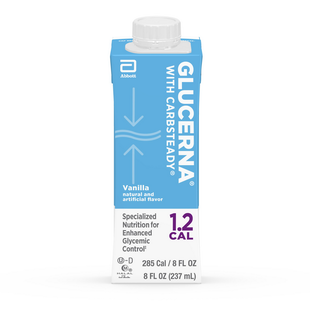
Glucerna 1.2 Cal Vanilla
Buy Glucerna 1.2 Cal Vanilla Online


Glucerna 1.2 Cal Vanilla is a ready-to-use liquid nutrition formula made for diabetes-focused nutritional support. It can be bought online in the carton or container format shown during ordering, so the flavor, volume, and quantity can be matched to the care plan from a clinician or dietitian. This vanilla formula may be used for oral nutrition or tube feeding when that route is included in the nutrition plan.
Each order should match the exact Glucerna 1.2 Cal formula requested, because Glucerna products can differ by calorie density, flavor, package size, and intended use. For customers arranging US delivery from Canada, the practical details to verify are the formula name, container size, total supply, storage needs, and feeding directions.
Glucerna 1.2 Cal Vanilla Price and Format Selection
Glucerna 1.2 Cal Vanilla price depends on the format and quantity chosen during ordering. An 8 fl oz carton, a case quantity such as a 24 pack, and a larger enteral container can represent different supply lengths even when the formula name is the same.
Glucerna 1.2 Cal Vanilla cost without insurance is usually best assessed by comparing total volume, not carton count alone. A smaller number of larger containers may provide more formula than a higher count of smaller cartons, so align the unit size with the daily amount in the nutrition plan.
| Format to match | What to verify | Why it matters |
|---|---|---|
| 8 fl oz carton | Vanilla flavor, carton size, and carton count | Often practical for oral intake or measured daily use. |
| Case or 24 pack | Total cartons, storage space, and supply length | Helps estimate how long the order may last. |
| 1 liter or 1000 mL container | Volume, route, and feeding system fit | May be considered for enteral feeding plans when offered. |
Quick tip: Match the container size and flavor to the written nutrition order before paying.
If you are also comparing broader diabetes-related items, the diabetes products collection can help separate nutrition support from meters, medicines, and other care supplies. Use the product name and calorie density to avoid mixing Glucerna 1.2 Cal with other Glucerna shakes.
How to Order This Formula Online
To order Glucerna 1.2 Cal Vanilla online, choose the format that matches the care plan, enter the quantity needed, and keep the nutrition instructions available. The most important order details are the complete formula name, vanilla flavor, package size, route of use, and total amount needed.
Glucerna 1.2 Cal Vanilla 8 oz cartons may suit people who drink the formula or measure smaller portions. Larger containers may be more practical when a tube-feeding plan uses higher daily volumes or a specific feeding system. Do not substitute a different Glucerna product because the carton looks similar.
During checkout, handling and delivery details are shown when they apply. Although the supplied shipping phrase may describe prompt, express, cold-chain shipping, this formula is generally handled according to its own label directions rather than assumed refrigerated handling. Keep unopened containers away from conditions that could damage packaging or affect quality.
People managing diabetes, malnutrition risk, or nutrition recovery often use more than one category of care products. The diabetes condition category and malnutrition condition category may help organize related browsing, but the formula choice should remain tied to professional nutrition guidance.
Formula Details That Affect Daily Use
Glucerna 1.2 Cal formula provides 1.2 calories per mL. An 8 fl oz carton is 237 mL, and the current product copy describes that carton as about 285 calories. Total daily calories depend on the volume used, so the same case count can mean different nutrition coverage if the serving plan changes.
The vanilla flavor is ready to use and does not require mixing before use unless a clinician or facility instruction says otherwise. Ready-to-use formulas can reduce preparation errors, but they still require clean handling, careful storage after opening, and attention to expiration dates.
- Calorie density: 1.2 Cal per mL provides more calories than a 1.0 Cal per mL formula at the same volume.
- Carbohydrate profile: CarbSteady ingredients are designed to support a lower glycemic response.
- Route of use: Oral intake and tube feeding require different handling steps.
- Package format: Cartons and larger containers can fit different home or facility routines.
- Flavor: Vanilla matters when taste affects regular use.
Do not change the amount, feeding schedule, dilution, or tube-feeding rate on your own. Those instructions should come from the clinician, dietitian, or feeding plan that explains why Glucerna 1.2 Cal nutrition is being used.
Diabetes-Focused Nutrition and Glycemic Control
Glucerna 1.2 Cal nutrition is intended for people who need specialized nutrition with attention to blood glucose response. It is not insulin, an oral diabetes medicine, or a replacement for individualized diabetes treatment.
The CarbSteady formula uses a blend of low-glycemic and slowly digested carbohydrates. This design may help reduce post-meal glucose response compared with standard formulas, but glucose monitoring remains important, especially when the formula amount, meal pattern, or diabetes medicine timing changes.
People using Glucerna glycemic control nutrition as a major source of calories should coordinate meals, snacks, fluids, and medicines with their care team. The diabetes articles category can help frame general questions about nutrition, glucose tracking, and day-to-day care conversations.
Why it matters: Nutrition formulas can affect blood glucose, fluid intake, bowel habits, and medication timing.
If the formula becomes the main or only source of nutrition, medical supervision is especially important. The plan should address total calories, protein needs, hydration, electrolytes, weight changes, and how blood sugar readings will be reviewed.
Oral Use and Tube Feeding Checks
Glucerna 1.2 Cal liquid may be taken by mouth or used as Glucerna 1.2 Cal tube feeding when the care plan includes that route. Oral use focuses on taste, timing, portion amount, and tolerance. Tube feeding also requires attention to equipment, hang time, flushing, and tube safety.
For tube feeding, confirm whether the formula will be delivered by pump, gravity set, or syringe method. Each method can involve different preparation and flushing steps. The formula must never be placed into an intravenous line.
Medication timing can matter with enteral nutrition. Some tablets, capsules, and liquid medicines may need spacing from feeds or special administration steps. Ask a pharmacist or clinician how medicines should be given through or around a feeding tube.
Watch for practical feeding issues such as tube clogging, leakage, abdominal discomfort, nausea, diarrhea, constipation, or unexpected fullness. A change in tolerance can signal that the feeding rate, fluid plan, medicine schedule, or another medical factor needs professional review.
Storage, Handling, and Travel Planning
Store unopened containers according to the product label, usually protected from extreme heat, freezing, direct sunlight, and damaged packaging. Keeping cartons in their original case helps preserve the lot number, expiration date, ingredient panel, and nutrition information.
Do not use a carton or container that is expired, leaking, swollen, punctured, or has an unusual odor or appearance. Once opened, follow the label or facility instructions for refrigeration, hang time, and disposal of leftovers. Opened formula should not be left out longer than directed.
Clean handling matters for both oral and tube-feeding use. Wash hands before opening containers, avoid touching the pouring surface, and use clean feeding equipment. Do not transfer formula into an unlabelled bottle for later use.
For travel, clinic visits, or caregiver shifts, plan the number of cartons or containers needed for the full period away from home. Carry the product in packaging that protects it from crushing and temperature extremes. The vitamins and supplements category may be useful when organizing adjacent nutrition support products, but Glucerna 1.2 Cal should be treated as its own formula with its own directions.
Safety Information Before Use
Glucerna 1.2 Cal liquid should be used under medical supervision when it is part of a prescribed nutrition plan or a structured diabetes nutrition plan. It is not for parenteral use, meaning it must not be given into a vein.
People with galactosemia should not use this type of formula if the product label lists that condition as a contraindication. Review the ingredient panel for allergens or sensitivities, including milk, soy, or fish-derived ingredients when present.
Common tolerance issues with oral or enteral nutrition formulas may include nausea, bloating, gas, diarrhea, constipation, fullness, appetite changes, or changes in stool pattern. Blood glucose changes can also occur when the amount used, meal timing, illness, activity, or diabetes medicine schedule changes.
- Seek urgent help: Severe vomiting, dehydration, choking, or breathing trouble needs prompt care.
- Watch allergy signs: Hives, swelling, wheezing, or rash require medical assessment.
- Track glucose patterns: Repeated high or low readings should be discussed with the care team.
- Report tube problems: Clogging, leakage, pain, redness, or swelling needs professional review.
Tell the clinician about kidney disease, fluid restriction, swallowing problems, aspiration risk, recent surgery, pregnancy, major weight changes, or new digestive symptoms. These factors may affect whether a diabetes-focused nutrition formula is suitable and how it should be monitored.
How It Compares With Other Glucerna Products
Glucerna product names can look similar, but the formulas are not automatically interchangeable. Glucerna 1.2 Cal Vanilla is identified by its 1.2 Cal per mL calorie density and vanilla flavor. Other Glucerna diabetes nutrition shake products may have different calories, protein, carbohydrate blends, volumes, or intended use patterns.
Do not substitute another shake, supplement, or enteral product based only on flavor, carton size, or brand name. Even modest differences in calories per mL, protein amount, electrolytes, or carbohydrate profile can matter for people with diabetes, fluid limits, or feeding tubes.
If you are exploring broader non-drug nutrition support, the general care category and vitamins and supplements articles category can help organize related questions. Product comparisons should still be brought back to the formula, quantity, and route named in the nutrition plan.
Authoritative Sources
Official nutrition information: Abbott Nutrition Glucerna 1.2 Cal product details.
Use official labeling and your clinician’s written plan as the primary references for route, amount, storage after opening, feeding instructions, and safety restrictions.
This content is for informational purposes only and is not a substitute for professional medical advice.
Calorie & TDEE Calculator
Estimate resting energy needs and daily calorie range from age, sex, body size, and activity level.
Hold Ctrl or Cmd to select more than one calculator.
BMR
-
estimated calories/day at rest
Maintenance
-
BMR multiplied by activity
Weight loss guide
-
maintenance minus 500 kcal/day
These calculations are for education only and do not replace clinical advice, diagnosis, or treatment. Always confirm medical decisions with a qualified healthcare professional.
Macro Calculator
Split a daily calorie target into protein, carbohydrate, and fat ranges using common nutrition planning ratios.
Protein
-
grams/day at 4 kcal/g
Carbohydrate
-
grams/day at 4 kcal/g
Fat
-
grams/day at 9 kcal/g
These calculations are for education only and do not replace clinical advice, diagnosis, or treatment. Always confirm medical decisions with a qualified healthcare professional.
Protein Intake Calculator
Estimate daily protein grams from body weight and nutrition goal.
Daily protein
-
grams/day
Per meal
-
daily target divided by meals
Protein calories
-
4 kcal per gram
These calculations are for education only and do not replace clinical advice, diagnosis, or treatment. Always confirm medical decisions with a qualified healthcare professional.
Carb Serving Calculator
Convert total carbohydrate grams into carb choices for meal planning and diabetes education.
Carb choices
-
total carbs divided by choice size
Rounded choices
-
nearest half choice
Carb calories
-
4 kcal per gram
These calculations are for education only and do not replace clinical advice, diagnosis, or treatment. Always confirm medical decisions with a qualified healthcare professional.
Blood Glucose Unit Converter
Convert glucose readings between mg/dL and mmol/L without changing the clinical value.
mg/dL
-
US reporting unit
mmol/L
-
International reporting unit
These calculations are for education only and do not replace clinical advice, diagnosis, or treatment. Always confirm medical decisions with a qualified healthcare professional.
Express Shipping - from $29.99
Prices:
- Dry-Packed Products $29.99
- Cold-Packed Products $39.99
Standard Shipping - $19.99
Shipping with this method takes 5-10 days
Prices:
- Dry-Packed Products $19.99
- Not available for Cold-Packed products
What is Glucerna 1.2 Cal Vanilla used for?
Glucerna 1.2 Cal Vanilla is a ready-to-use diabetes-focused nutrition formula. It may be used for oral nutrition or tube feeding when that route is included in a clinician or dietitian’s care plan.
How many calories are in Glucerna 1.2 Cal?
Glucerna 1.2 Cal provides 1.2 calories per mL. The current product copy describes an 8 fl oz, or 237 mL, carton as about 285 calories, so total intake depends on the volume used.
Can Glucerna 1.2 Cal Vanilla be used for tube feeding?
Yes, it may be used for tube feeding when directed by a clinician. Confirm the feeding method, rate, flushing steps, hang time, and medication timing with the care team.
Is Glucerna 1.2 Cal the same as regular Glucerna shakes?
Not always. Glucerna products can differ by calorie density, volume, flavor, nutrition profile, and intended use. Match Glucerna 1.2 Cal Vanilla to the exact formula named in the nutrition plan.
What should I check before buying Glucerna 1.2 Cal Vanilla?
Check the full formula name, vanilla flavor, package size, total quantity, route of use, expiration date expectations, and storage instructions. Do not switch to another formula without professional guidance.
What side effects or tolerance issues can occur?
Possible tolerance issues include nausea, bloating, gas, diarrhea, constipation, fullness, appetite changes, and blood glucose changes. Seek medical help for severe vomiting, dehydration, breathing trouble, allergy symptoms, or tube problems.
Rewards Program
Earn points on birthdays, product orders, reviews, friend referrals, and more! Enjoy your medication at unparalleled discounts while reaping rewards for every step you take with us.
You can read more about rewards here.
POINT VALUE
How to earn points
- 1Create an account and start earning.
- 2Earn points every time you shop or perform certain actions.
- 3Redeem points for exclusive discounts.
You Might Also Like
Select options
This product has multiple variants. The options may be chosen on the product page
Select options
This product has multiple variants. The options may be chosen on the product page
Select options
This product has multiple variants. The options may be chosen on the product page
Select options
This product has multiple variants. The options may be chosen on the product page