
Please note: a valid prescription is required for all prescription medication.
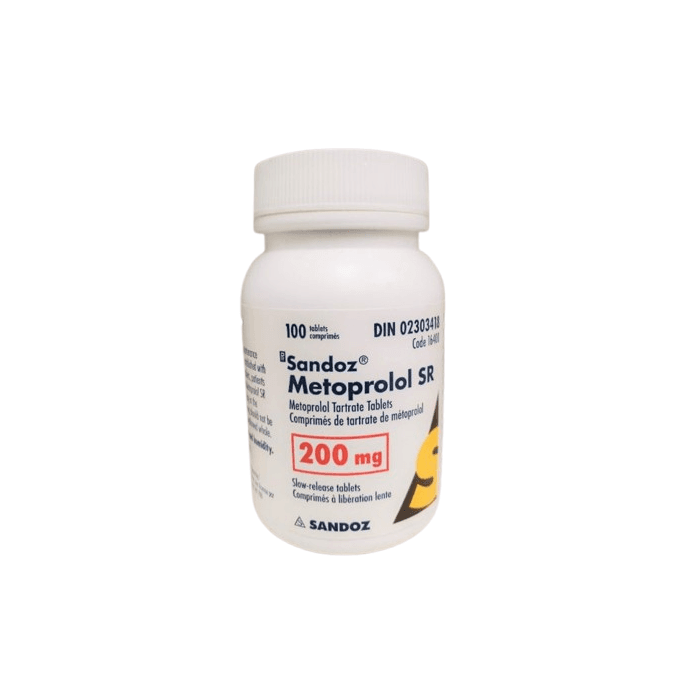
Metoprolol SR
Buy Metoprolol SR Online


Buy Metoprolol SR online with a valid prescription and compare current listed pricing, tablet strengths, and key safety basics before ordering. You can match the selected tablets to your prescribed strength, review access factors such as US delivery from Canada, and understand what affects the displayed cost. Check the product form and quantity before continuing, because extended-release tablets should align closely with what your clinician prescribed.
Metoprolol SR Price and Available Options
The price shown on a product listing should be read together with the selected strength, form, and quantity. The amount displayed for one tablet count may not match another strength, manufacturer listing, or package quantity, so compare the selected option before moving ahead.
Metoprolol SR Price searches often involve more than one presentation. Some listings may use sustained-release, extended-release, or brand-specific wording, while others may show a generic name. The important step is matching the exact product name, release type, and strength on your prescription.
| What to compare | Why it matters |
|---|---|
| Tablet strength | Match any displayed strength, such as 25 mg, 50 mg, 100 mg, or 200 mg, to the prescribed label. |
| Release type | SR, ER, XL, and immediate-release tablets are not automatically interchangeable. |
| Quantity selected | A larger tablet count changes the total order amount and refill planning. |
| Manufacturer or brand | Generic and brand-specific listings may appear separately. |
| Cash-pay path | Checkout details may differ from insurance-based access. |
If you are comparing this medicine without insurance, review the displayed listing rather than assuming one amount applies to every option. Cash-pay details may depend on the selected presentation, order quantity, and information confirmed during checkout.
Quick tip: Keep the prescription label nearby when comparing strength and tablet type.
How to Order Online
When you order Metoprolol SR online, start with the exact tablet presentation your clinician prescribed. Choose the matching strength and quantity, then provide the requested patient and prescriber details during checkout. Prescription details may be reviewed or verified when needed before an order proceeds.
The order path is usually easiest when the product name, release form, and dose instructions are clear. Supporting documents may be requested if the information provided is incomplete or does not match the selected item. This helps reduce avoidable delays caused by a mismatch between the listing and the prescription order.
- Select the listing that matches the prescribed tablet.
- Confirm the strength and quantity before checkout.
- Provide accurate patient and prescriber information.
- Keep contact details current in case clarification is needed.
- Review final access details before completing the order.
Some customers compare cash-pay access and US shipping from Canada when reviewing their options. Shipping and handling details are confirmed through the order process, without any promised timeline or guarantee of availability.
Product Details to Check Before Checkout
Metoprolol SR tablets are sustained-release beta-blocker tablets. A beta blocker slows certain effects of adrenaline on the heart, which can lower heart rate and reduce the heart’s workload. Sustained-release tablets are designed to release medicine gradually, so the release type is part of the product identity.
Do not treat SR, ER, XL, or immediate-release wording as interchangeable without clinician direction. Metoprolol succinate extended release and some Canadian sustained-release metoprolol products may be discussed together online, but the salt, manufacturer, and release system can differ. Your selected item should follow the wording on the prescription.
Apo-Metoprolol SR may appear in searches or prescribing records for Canadian products. If your prescription uses a brand or manufacturer name, compare that wording with the product listing. If the label uses only the generic name, the release type and strength still need to match.
What This Medicine Is Used For
Metoprolol SR is commonly prescribed for cardiovascular conditions where slowing the heart rate or reducing cardiac workload may help. Depending on the exact formulation and clinical plan, metoprolol may be used for high blood pressure, angina prevention, heart failure care, or other heart rhythm-related conditions.
For blood pressure treatment, compare your prescription with related listings in the Hypertension product list. If your prescription relates to chest pain prevention, the Angina list can help you stay within the correct cardiovascular category.
This product page should not be used to choose a condition treatment on your own. It is meant to help you match an existing prescription to the correct tablet, strength, and access path before ordering.
Extended Release and Immediate Release Differences
SR means sustained release. ER means extended release. Both terms describe tablets that release medicine over time, although the exact technology and salt form may differ by product. Immediate-release metoprolol releases the medicine faster and may have a different dosing schedule.
Metoprolol succinate ER is a widely referenced extended-release form. Metoprolol tartrate is often associated with immediate-release tablets, although some sustained-release products may use different naming by country or manufacturer. This is why the exact wording on the prescription matters when comparing listings.
| Term | Practical meaning |
|---|---|
| SR | Sustained-release tablet designed to release medicine gradually. |
| ER | Extended-release tablet with time-release characteristics. |
| IR | Immediate-release tablet that releases medicine more quickly. |
| Succinate or tartrate | Different salt forms that should not be swapped without guidance. |
Why it matters: Release type affects how the tablet is taken and how it should be selected.
Strengths and Dose Matching
Metoprolol extended release tablets may be prescribed in different strengths. Common searches include 25 mg, 50 mg, 100 mg, and 200 mg strengths, but the available selection on the page should be checked directly. Do not assume a strength is available until it appears in the listing.
A prescription may list a strength such as 25 mg for a lower starting or adjusted regimen, while another patient may be prescribed a higher strength. That difference does not tell you what dose is appropriate for you. It only shows why the selected tablet must match the clinician’s instructions.
Some extended-release tablets should not be crushed or chewed because damaging the tablet can change how the medicine is released. If a tablet is scored, splitting may still depend on the product label and pharmacist guidance. Confirm tablet handling instructions before changing how the tablet is taken.
- Match the strength: Compare mg strength before quantity.
- Check the form: Confirm SR or ER wording.
- Review quantity: Make sure the count fits the prescription.
- Confirm manufacturer: Follow brand wording when provided.
Safety Checks Before Ordering
Metoprolol can lower heart rate and blood pressure. Common side effects may include tiredness, dizziness, lightheadedness, nausea, diarrhea, or cold hands and feet. These effects are often manageable, but they should be discussed with a clinician if they are persistent, severe, or unusual for you.
Serious symptoms need prompt medical attention. These may include fainting, very slow heartbeat, worsening shortness of breath, sudden swelling, chest pain, confusion, or signs of a severe allergic reaction such as swelling of the face or trouble breathing. Do not stop metoprolol suddenly unless a clinician tells you to, because abrupt withdrawal can worsen angina or increase heart-related risk in some patients.
People with certain heart rhythm problems, cardiogenic shock, severe bradycardia, or decompensated heart failure may not be candidates for metoprolol unless specifically managed by a clinician. Extra caution may also apply with asthma or chronic lung disease, diabetes, thyroid disease, liver impairment, circulation problems, pregnancy, or breastfeeding.
- Heart rate: Watch for unusually slow pulse.
- Blood pressure: Report fainting or severe dizziness.
- Breathing symptoms: Seek help for worsening wheeze.
- Diabetes care: Low blood sugar signs may be masked.
- Stopping therapy: Avoid abrupt changes without guidance.
Interactions and Monitoring Cautions
Metoprolol can interact with medicines that also lower heart rate or blood pressure. Examples include certain calcium channel blockers such as verapamil or diltiazem, digoxin, amiodarone, clonidine, and some antiarrhythmic medicines. Combining these drugs may increase the risk of slow heart rate or low blood pressure.
Some antidepressants and other medicines can raise metoprolol levels by affecting CYP2D6, an enzyme involved in drug metabolism. Examples may include paroxetine, fluoxetine, bupropion, and quinidine. Nonsteroidal anti-inflammatory drugs may reduce blood pressure control in some patients.
People using insulin or other diabetes medicines should be aware that beta blockers can mask symptoms such as fast heartbeat during low blood sugar. Sweating may still occur. If your prescription involves diabetes medicines, discuss monitoring plans with your clinician or pharmacist.
Storage, Handling, and Travel
Metoprolol tablets are generally stored at room temperature, away from excess heat, moisture, and direct light. Keep tablets in the original labeled container unless a pharmacist advises otherwise. Bathrooms, hot cars, and damp storage areas are poor choices for most tablets.
For travel, keep the labeled container with your regular medicines and avoid packing tablets where they may be exposed to heat or crushing. Carry enough information to show the medicine name, strength, and prescriber if asked during travel. Do not combine different tablet strengths in one unlabeled container.
If tablets look damaged, softened, discolored, or different from what you normally receive, ask a pharmacist before taking them. The appearance of generic medicines can vary by manufacturer, but the label should still clearly identify the strength and release form.
Compare Related Cardiovascular Options
Metoprolol is one option within cardiovascular treatment, not a substitute for every heart medicine. If your clinician is considering other categories, browse Cardiovascular Products to compare product types and listings that may be relevant to a written prescription.
Condition-based lists can also help you avoid browsing unrelated products. The Heart Failure and Arrhythmia lists may be useful when your prescription or diagnosis falls into those categories. Product selection should still follow the prescribed medicine, not a general category alone.
Authoritative Sources
The following sources support key safety and product-form facts about metoprolol and extended-release tablets. They are not a replacement for the product label dispensed with your prescription.
- Official FDA label for metoprolol succinate extended-release tablets
- Cleveland Clinic patient overview for extended-release tablets
- Mayo Clinic medicine information on oral metoprolol
This content is for informational purposes only and is not a substitute for professional medical advice.
Express Shipping - from $25.00
Shipping with this method takes 3-5 days
Prices:
- Dry-Packed Products $25.00
- Cold-Packed Products $35.00
Standard Shipping - $15.00
Shipping with this method takes 5-10 days
Prices:
- Dry-Packed Products $15.00
- Not available for Cold-Packed products
What is Metoprolol SR used for?
Metoprolol SR is a sustained-release beta blocker. Clinicians may prescribe metoprolol for high blood pressure, angina prevention, heart failure care, or certain heart rhythm concerns, depending on the exact product and patient history. It works by reducing some adrenaline effects on the heart, which can lower heart rate and decrease cardiac workload. The intended use should match the prescription and the product label provided by the pharmacist.
What is the difference between metoprolol SR and immediate-release metoprolol?
Metoprolol SR is designed to release medicine gradually over time. Immediate-release metoprolol releases the medicine more quickly and may be taken on a different schedule. The release type affects how the tablet is selected and used, so SR, ER, XL, and immediate-release tablets should not be swapped without clinician guidance. The prescribed product name, strength, and release wording are all important.
Is Metoprolol SR the same as metoprolol succinate ER?
They may be related in common search language, but they are not terms to treat as automatically identical. Metoprolol succinate ER is an extended-release metoprolol product. Metoprolol SR may refer to sustained-release products that can differ by country, manufacturer, salt form, or label wording. Match the prescription exactly, including the release type and strength, and ask a pharmacist if the listing wording differs from the label.
What side effects should be monitored while taking metoprolol?
Common effects can include tiredness, dizziness, lightheadedness, nausea, diarrhea, or cold hands and feet. More serious concerns include fainting, very slow heartbeat, worsening shortness of breath, sudden swelling, chest pain, confusion, or severe allergic reaction symptoms. Metoprolol may also mask some low blood sugar signs in people with diabetes. New, severe, or persistent symptoms should be discussed with a clinician promptly.
What should I ask my clinician before starting or refilling metoprolol?
Ask which exact metoprolol product you should use, including SR, ER, XL, or immediate-release wording. Confirm the strength, how it should be taken, whether the tablet can be split, and what to do if a dose is missed. It is also useful to review your heart rate goals, blood pressure monitoring, other heart medicines, diabetes medicines, lung conditions, pregnancy plans, and when to seek urgent care.
Can Metoprolol SR tablets be split or crushed?
Many sustained-release or extended-release tablets should not be crushed or chewed because changing the tablet can affect how the medicine is released. Some products may be scored, but splitting depends on the exact tablet and label instructions. Do not change the tablet form on your own. Confirm handling directions with the pharmacist or prescribing clinician before splitting any sustained-release metoprolol tablet.
Rewards Program
Earn points on birthdays, product orders, reviews, friend referrals, and more! Enjoy your medication at unparalleled discounts while reaping rewards for every step you take with us.
You can read more about rewards here.
POINT VALUE
How to earn points
- 1Create an account and start earning.
- 2Earn points every time you shop or perform certain actions.
- 3Redeem points for exclusive discounts.
You Might Also Like
Select options
This product has multiple variants. The options may be chosen on the product page
Select options
This product has multiple variants. The options may be chosen on the product page
Select options
This product has multiple variants. The options may be chosen on the product page
Select options
This product has multiple variants. The options may be chosen on the product page
Related Articles
Women’s Health
Non Hormonal Contraception: Options, Risks, and Fit
Non hormonal contraception means birth control that prevents pregnancy without using estrogen or progestin. Common options include the copper IUD, condoms, diaphragms, spermicides or contraceptive gels, fertility awareness-based methods, withdrawal,…
Weight Management
Weight Loss With Saxenda: Expectations, Risks, and Next Steps
Weight loss with Saxenda is usually gradual, not dramatic at the start. Saxenda is the brand name for liraglutide, a GLP-1 receptor agonist, which is a medicine class that can…
Type 2 Diabetes,
Semaglutide Weight Loss Medication: Safety, Options, and Expectations
A semaglutide weight loss medication is a GLP-1 receptor agonist (a hormone-mimicking drug that can reduce appetite) used in some settings to support chronic weight management. It changes hunger and…
Diabetes, Weight Management
What Are Sugar Alcohols? Sweeteners, Side Effects, and Facts
If you are asking what are sugar alcohols, the short answer is this: they are sweeteners called polyols that show up in many sugar-free or reduced-sugar foods. They are carbohydrates,…