
Please note: a valid prescription is required for all prescription medication.
Metoprolol
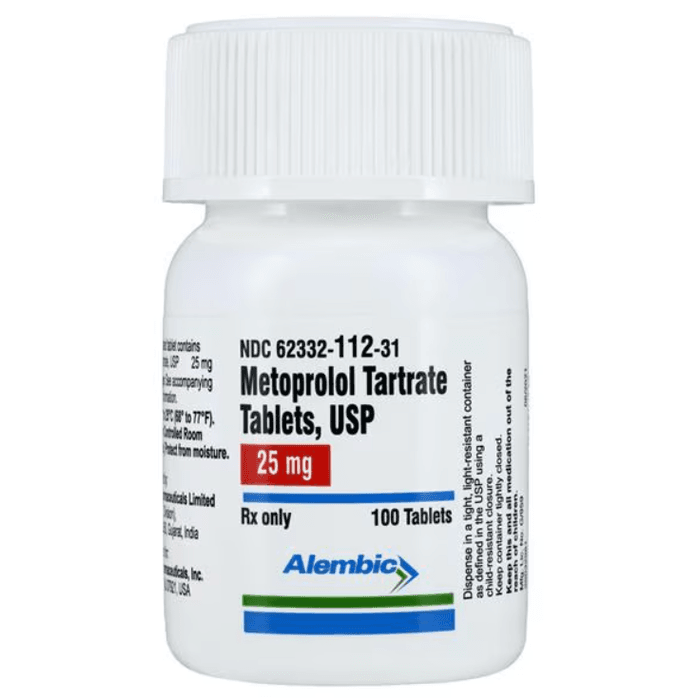
Buy Metoprolol 25 mg Online


Buy Metoprolol 25 mg online with a valid prescription and compare current listed pricing, tablet options, and key safety basics before ordering. Use the available selections to match the form and strength on your prescription, review access factors, and check whether the listed presentation fits your refill needs.
Metoprolol tablets are prescription beta blockers (medicines that slow certain heart signals) used for heart and blood pressure conditions. If US delivery from Canada is relevant to your order, review the displayed product details and checkout requirements before you continue.
Metoprolol 25 mg Price and Available Options
The listed Metoprolol price should be read together with the selected tablet type, strength, and quantity. A 25 mg tablet listing is not the same as a 50 mg or 100 mg listing, and the total cost can change when the selected quantity or release type changes.
Check whether the page is showing Metoprolol tartrate or Metoprolol succinate ER before comparing options. Tartrate and succinate ER are different formulations, so separate listings may show different pricing and refill details even when the milligram strength looks similar.
If you are using cash-pay access or comparing Metoprolol without insurance, review the checkout total and selected quantity rather than relying on a single tablet amount. The Cardiovascular Medicines category can also help you view other prescribed heart and blood pressure products in one place.
Quick tip: Match the release type, strength, and tablet count before comparing any listing.
How to Buy Metoprolol 25 mg Online
To order Metoprolol online, start by choosing the tablet form and strength that match your current prescription. Keep the prescribing clinician’s details available, along with the directions printed on your prescription label.
Prescription details may be checked with your prescriber when needed. Cash-pay access may depend on the selected product and your location, so review the displayed order details before submitting checkout information.
Do not substitute Metoprolol succinate ER for Metoprolol tartrate, or the reverse, unless your prescriber has changed the treatment plan. The names can look similar, but the tablets release medicine differently and may be prescribed for different dosing schedules.
Tablet Forms, Strengths, and Release Types
Metoprolol tablets are commonly prescribed as immediate-release Metoprolol tartrate or extended-release Metoprolol succinate ER. Extended-release products may also appear in searches as Metoprolol ER 25 mg, Metoprolol succinate ER 25 mg, Metoprolol extended release tablets, or Metoprolol SR tablets.
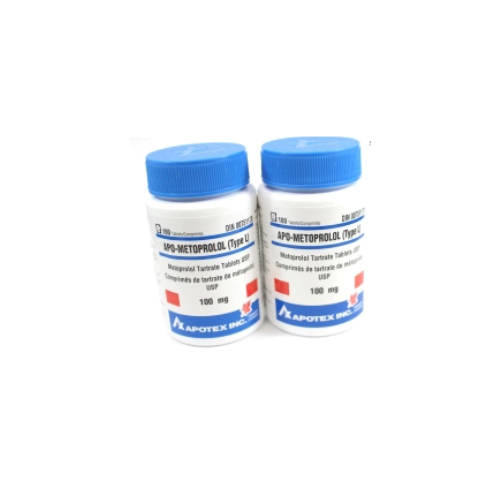
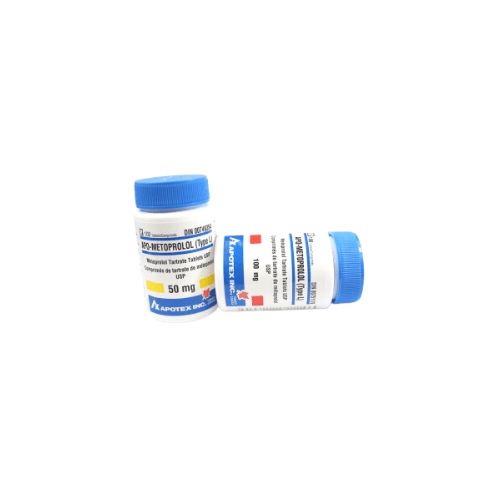
Common tablet strengths include Metoprolol 25 mg, Metoprolol 50 mg, and Metoprolol 100 mg. The correct strength is the one written on your prescription, not the one that seems closest in name or size.
| Detail to compare | Why it matters |
|---|---|
| Tartrate or succinate ER | The release type affects how the medicine is used and refilled. |
| Strength in mg | The tablet strength must match the prescription label. |
| Quantity or pack count | The listed quantity affects how long a refill may last. |
| Generic or brand reference | Lopressor generic usually refers to tartrate; Toprol XL generic usually refers to succinate ER. |
Generic Metoprolol may come from different manufacturers. Tablet color, shape, or imprint can vary, so use the prescription label and product details rather than appearance alone.
What This Medicine Is Used For
Metoprolol may be prescribed for high blood pressure, angina (chest pain), heart failure, certain rhythm problems, or care after a heart attack, depending on the formulation. It works by reducing the effect of stress hormones on the heart, which can lower heart rate and reduce workload.
Uses are not identical across all tablet types. Metoprolol succinate ER is often associated with once-daily extended-release treatment, while Metoprolol tartrate is an immediate-release form that may be used differently. Follow the formulation and directions chosen by your clinician.
If you are comparing condition-based product lists, Hypertension Treatments and Heart Failure Treatments can help narrow browsing. Those pages are for navigation and do not replace advice from your care team.
Product Details to Check Before Ordering
Before you place an order, compare the selected listing with your prescription line by line. Confirm the medicine name, release type, strength, tablet quantity, and any refill instructions that appear on the label.
- Medicine name: Confirm Metoprolol, not a different beta blocker.
- Release type: Check tartrate, succinate ER, ER, or SR wording.
- Strength: Match 25 mg, 50 mg, or 100 mg exactly.
- Quantity: Review the selected tablet count before checkout.
- Directions: Follow your prescriber’s timing and dose instructions.
Do not split, crush, or chew extended-release tablets unless the product labeling and your prescriber allow it. Changing an extended-release tablet can release medicine too quickly.
Why it matters: Similar names can describe tablets that behave differently in the body.
Storage, Handling, and Travel Basics
Metoprolol tablets are usually stored at room temperature, away from excess heat, moisture, and direct light. Keep the bottle closed and out of reach of children and pets.
Bathroom storage is often a poor choice because humidity can affect tablets. If the product arrives with damaged packaging, missing labels, or tablets that look unusual, do not use it until the issue is checked.
When traveling, keep tablets in the original labeled container. Carry enough for the planned trip, but do not change your dose schedule because of travel without speaking with a clinician.
This product is an oral tablet and is not typically handled like refrigerated injectable medicines. Review the package insert or pharmacist instructions if your order includes any special storage note.
Safety, Side Effects, and Monitoring
Metoprolol can lower heart rate and blood pressure. Common side effects may include tiredness, dizziness, lightheadedness, slower heartbeat, diarrhea, or cold hands and feet.
Some people feel sleepy when starting therapy or after a dose change. Until you know how the medicine affects you, use caution with driving, alcohol, and activities that require alertness.
Serious symptoms need prompt medical attention. These may include fainting, severe dizziness, wheezing, shortness of breath, swelling of the legs or ankles, chest pain, confusion, or a very slow heartbeat.
Stopping a beta blocker suddenly can worsen chest pain or, in some people with heart disease, increase the risk of serious heart problems. Ask your clinician how to handle missed doses, planned procedures, or treatment changes.
People with diabetes should know that Metoprolol may mask a fast heartbeat caused by hypoglycemia (low blood sugar). Other warning signs, such as sweating or shakiness, may still occur, but monitoring plans should be discussed with the care team.
Interactions and Health Conditions to Mention
Tell your clinician and pharmacist about all medicines and supplements you use. Important interactions can include other blood pressure medicines, calcium channel blockers, digoxin, antiarrhythmics, clonidine, and some antidepressants that affect CYP2D6 metabolism.
Health history also matters. Mention asthma or COPD, diabetes, thyroid disease, liver problems, circulation problems, depression, pregnancy, breastfeeding, and any history of very slow heart rate.
Metoprolol may be contraindicated in serious conditions such as severe bradycardia (very slow heart rate), certain heart block, cardiogenic shock, or decompensated heart failure. Your clinician uses that history to decide whether this medicine is appropriate.
Compare Related Heart Medicines
Metoprolol is one option within cardiovascular care, but it is not interchangeable with every blood pressure or heart medicine. Different drug classes work through different pathways and may be selected for different reasons.
If your prescriber has discussed other options, you can compare separate product pages such as Lisinopril or Losartan. Those medicines are not beta blockers, so compare them only in the context of a prescribed treatment plan.
Combination therapy is common in blood pressure care, but adding or removing medicines can change heart rate, kidney monitoring, potassium levels, and blood pressure control. Use the product page to match the order, not to choose a different therapy on your own.
Authoritative Sources
The following references support key safety and medication-use points for this product description.
- MedlinePlus drug information summarizes patient safety points and approved-use context.
- Mayo Clinic oral-route overview describes tablet forms, uses, and precautions.
This content is for informational purposes only and is not a substitute for professional medical advice.
Express Shipping - from $25.00
Shipping with this method takes 3-5 days
Prices:
- Dry-Packed Products $25.00
- Cold-Packed Products $35.00
Standard Shipping - $15.00
Shipping with this method takes 5-10 days
Prices:
- Dry-Packed Products $15.00
- Not available for Cold-Packed products
What is metoprolol 25 mg tablets used for?
Metoprolol 25 mg tablets may be prescribed for high blood pressure, chest pain related to angina, certain heart rhythm concerns, heart failure, or care after a heart attack, depending on the exact formulation. Metoprolol tartrate and Metoprolol succinate ER are not the same release type, so the prescribed form matters. Use the directions on your prescription label and ask your clinician if the reason for treatment or formulation is unclear.
What is the difference between metoprolol succinate ER and metoprolol tartrate?
Metoprolol tartrate is generally an immediate-release form, while Metoprolol succinate ER is an extended-release form. ER means the tablet is designed to release medicine over a longer period. These products can have different dosing schedules and approved uses, so they should not be swapped based only on milligram strength. Match the exact wording on your prescription, including tartrate, succinate ER, ER, or SR.
Can metoprolol make you sleepy or dizzy?
Yes. Sleepiness, tiredness, dizziness, and lightheadedness can occur, especially when starting treatment or after a dose change. These effects may relate to lower heart rate or blood pressure. Use caution with driving, alcohol, or tasks requiring alertness until you know how the medicine affects you. Contact a clinician promptly if dizziness is severe, you faint, or your heartbeat feels unusually slow.
What monitoring should be discussed while taking metoprolol?
Monitoring may include blood pressure, pulse, symptoms of dizziness or fatigue, and signs of worsening heart failure, such as swelling or shortness of breath. People with diabetes should discuss blood sugar monitoring because beta blockers can mask a fast heartbeat during low blood sugar. Your clinician may also consider other medicines, kidney or liver history, and heart rhythm concerns when planning follow-up.
When is metoprolol usually taken?
Timing depends on the formulation and your prescription directions. Extended-release Metoprolol succinate ER is often taken on a once-daily schedule, while Metoprolol tartrate may be prescribed differently. Some labels instruct taking it with or right after food. Do not change the timing, split extended-release tablets, or stop suddenly unless your clinician gives specific instructions.
What should I ask my clinician before starting or refilling metoprolol?
Ask which formulation you should use, what strength is prescribed, how to handle missed doses, and what pulse or blood pressure symptoms should prompt a call. Also ask whether your other medicines, asthma or COPD, diabetes, thyroid disease, pregnancy, breastfeeding, or a history of slow heart rate affects treatment. Clear answers make it easier to match the refill to your prescription safely.
Rewards Program
Earn points on birthdays, product orders, reviews, friend referrals, and more! Enjoy your medication at unparalleled discounts while reaping rewards for every step you take with us.
You can read more about rewards here.
POINT VALUE
How to earn points
- 1Create an account and start earning.
- 2Earn points every time you shop or perform certain actions.
- 3Redeem points for exclusive discounts.
You Might Also Like
Select options
This product has multiple variants. The options may be chosen on the product page
Select options
This product has multiple variants. The options may be chosen on the product page
Select options
This product has multiple variants. The options may be chosen on the product page
Select options
This product has multiple variants. The options may be chosen on the product page
Related Articles
Diabetes, Type 2
What Fruits Are Good for Diabetics? How to Choose Wisely
Most people with diabetes can eat fruit. The best choices are whole fruits with fiber, such as berries, apples, pears, citrus, cherries, and kiwi. When people ask what fruits are…
Diabetes, Type 1
Blood Sugar Normal Range Chart: How to Read Key Numbers
A blood sugar normal range chart gives you a quick way to compare fasting, before-meal, after-meal, and A1C numbers with common clinical cutoffs. It matters because the same glucose value…
Uncategorized
Clots and Period: When Menstrual Blood Clots Need Attention
The phrase clots and period usually refers to blood clots that pass during menstruation. In many cases, small clots on the heaviest days are a normal result of brisk bleeding.…
Diabetes, Type 1
Type 1 Versus Type 2 Diabetes: Symptoms, Causes, and Care
type 1 versus type 2 diabetes comes down to why blood sugar rises. In type 1, the immune system destroys insulin-making cells in the pancreas, so the body makes little…