
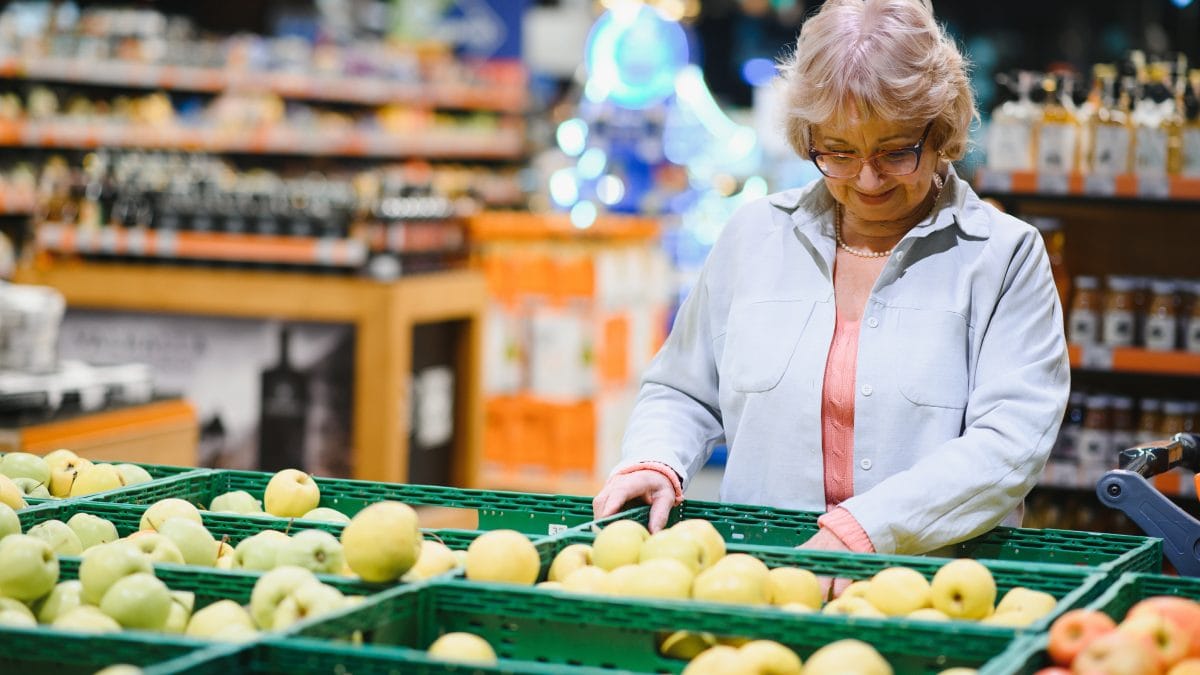
Most whole fruits can fit into a diabetes eating plan when portions, total carbohydrate, and glucose response are considered. If you are asking what fruits are good for diabetics, start with berries, apples, pears, citrus fruits, kiwi, peaches, plums, and cherries. These choices provide fiber, fluid, vitamins, and texture, which can make them easier to include in balanced meals. The main issue is rarely fruit itself. It is usually serving size, dried fruit, juice, ripeness, added sugar, and what else is eaten with it.
Fruit tastes sweet because it contains natural sugars. It is still a carbohydrate food, so it can raise blood glucose. That does not make it off-limits. It means fruit works best when it matches your meal plan, medications, activity level, and usual readings.
Key Takeaways
- Whole fruit first: Fiber and water help make portions more satisfying.
- Portions matter most: Total carbohydrate often matters more than the fruit name.
- Labels change choices: Canned, dried, frozen, and packaged fruit vary widely.
- No universal worst list: Some fruits simply need smaller servings.
- Personal response counts: Meter or CGM patterns can guide safer choices.
Good Fruits for Diabetics in Everyday Meals
The most practical answer is whole fruit in measured portions. Berries, apples, pears, oranges, grapefruit, peaches, plums, kiwi, and cherries are common options because they are easy to portion and pair with meals. They are not special diabetes treatments. They are carbohydrate-containing foods that can support a varied eating pattern.
Fiber matters because it changes how food moves through the digestive tract. Whole fruit keeps more of its natural structure. Juice removes most of that structure, so glucose may rise faster. Smoothies can also be harder to judge because several fruit servings can fit into one glass without feeling very filling.
Why it matters: A healthy-looking drink can contain more carbohydrate than expected.
For broader diabetes nutrition topics, the Diabetes Articles collection can help you keep related reading in one place. If your main concern is type 2 diabetes, the Type 2 Diabetes Articles collection is more specific.
Low-Sugar and Higher-Carb Fruits: How to Think About Them
Lower-sugar fruits are often easier to fit into a meal plan, but portion size still counts. Berries, kiwi, grapefruit, peaches, and plums are common lower-sugar options. Apples, pears, oranges, and cherries also provide fiber and are easy to measure. Keeping edible peels on apples or pears can add fiber and texture.
Higher-carbohydrate fruits are not automatically forbidden. Mango, grapes, pineapple, ripe banana, and large servings of melon may raise glucose more for some people, especially when eaten alone. A smaller portion may fit better than a large bowl. Ripeness can also matter because very ripe fruit may taste sweeter and be easier to overeat.
Watermelon often raises questions because it tastes very sweet. Its glycemic index, a measure of how quickly a carbohydrate food may affect blood sugar, can look high. Yet a measured serving contains a lot of water, so the total carbohydrate in the serving still matters. If watermelon is a regular choice for you, the deeper discussion on Watermelon and Diabetes explains the portion issue in more detail.
Lists of the 5 worst fruits to eat for diabetics can be misleading. The same fruit can have a different effect depending on amount, form, ripeness, and meal context. A small banana and a large banana are not the same carbohydrate choice. A handful of grapes and a large bowl of grapes are also different.
A Practical List of Fruits to Choose, Limit, or Measure Closely
A useful list of fruits for diabetics to eat should focus on form and portion, not fear. Whole fruit is usually the starting point. Concentrated fruit, liquid fruit, and sweetened packaged fruit need more attention because the carbohydrate can add up quickly.
| Fruit Category | Examples | How to Use Them |
|---|---|---|
| Lower-sugar whole fruits | Berries, kiwi, grapefruit, peaches, plums | Use measured servings and pair with balanced meals. |
| Fiber-rich staples | Apples, pears, oranges, cherries | Keep the peel when edible and practical. |
| Higher-carb fruits | Mango, grapes, pineapple, ripe banana | Try smaller portions and review glucose response. |
| Melons | Watermelon, cantaloupe, honeydew | Measure portions because large servings are easy to eat. |
| Dried fruit | Raisins, dates, figs, prunes, dried cranberries | Measure carefully because small portions are concentrated. |
| Liquid fruit | Juice, fruit drinks, large smoothies | Limit routine use unless your care plan says otherwise. |
Blueberries are a common example of a fruit that can fit well in measured portions. They are easy to add to plain yogurt, oatmeal, or a balanced snack. For a closer look, see Are Blueberries Good for Diabetics.
Cantaloupe can also fit for some people, especially when portions are measured. Like watermelon, it is high in water and easy to eat in large amounts. The page on Cantaloupe and Diabetes covers that serving-size question more directly.
How Much Fruit Can a Diabetic Eat in a Day?
There is no single daily fruit amount that works for everyone with diabetes. Your needs depend on total carbohydrate targets, medications, kidney health, activity, appetite, weight goals, and glucose patterns. A person using insulin may need different planning than someone managing diabetes without medicines that can cause hypoglycemia, or low blood glucose.
When people ask what fruits are good for diabetics, serving size often matters more than the exact fruit name. A small apple and a large apple are not the same carbohydrate choice. A few dates and a bowl of dates are very different. Nutrition labels, measuring cups, and food databases can make those differences visible.
The calculator below can help convert total carbohydrate into estimated carbohydrate servings. It is a counting aid only. It does not set your personal carbohydrate target or replace guidance from your clinician or registered dietitian.
Carb Serving Calculator
Convert total carbohydrate grams into carb choices for meal planning and diabetes education.
These calculations are for education only and do not replace clinical advice, diagnosis, or treatment. Always confirm medical decisions with a qualified healthcare professional.
Use the result as a starting point for discussion with your care team. Ask for professional review if you have repeated highs or lows, pregnancy, kidney disease, gastroparesis, an eating disorder history, or medication-related hypoglycemia. These situations can change how carbohydrate targets are set.
Quick tip: Check total carbohydrate, not only added sugar.
Whole Fruit, Dried Fruit, Juice, and Smoothies Are Different
Whole fruit is usually the most reliable starting point because it contains water, fiber, and structure. Chewing also slows the eating process. That gives your body more time to register fullness and may make portions easier to control.
Dried fruit is more concentrated. Raisins, dates, dried figs, prunes, dried apricots, and dried cranberries are compact because much of the water has been removed. Some dried fruits also contain added sugar. They can fit in small measured amounts, but handfuls are easy to underestimate.
Canned fruit needs label reading. Fruit packed in juice is different from fruit packed in heavy syrup. Draining syrup may reduce added sugars, but the fruit itself still contains carbohydrate. Frozen fruit without added sugar can be a convenient option, especially when fresh fruit is expensive or spoils quickly.
Juice has a special role. It can raise blood glucose quickly, which may be useful for treating hypoglycemia if your care plan includes it. For routine meals, however, juice usually lacks the fiber and fullness of whole fruit. Fruit drinks, sweetened smoothies, and large blended bowls can behave more like sweet beverages than fruit servings.
How to Pair Fruit With Meals and Glucose Patterns
Fruit often works better when it is part of a meal or snack that includes protein, fat, or higher-fiber foods. Examples include berries with plain yogurt, apple slices with nut butter, citrus with eggs, or peaches with cottage cheese. These pairings do not guarantee a specific glucose result, but they can make the meal more balanced.
Timing can matter, too. Some people see a sharper rise when fruit is eaten alone. Others tolerate fruit better after activity or with a meal. A glucose meter or continuous glucose monitor can show patterns over time, but one reading should not drive medication changes without medical guidance.
Grapefruit deserves a separate note. It can interact with some medicines, including certain cholesterol, blood pressure, and transplant drugs. If grapefruit is a regular part of your diet, ask a pharmacist or prescriber whether it is appropriate with your medication list.
For people comparing food choices across diabetes care, the Diabetes condition page can be used for navigation to related product categories and condition-linked resources. If you are specifically looking at type 2 diabetes, the Type 2 Diabetes condition page offers a narrower browsing path.
Fruits, Vegetables, and Type 2 Diabetes Meal Planning
For type 2 diabetes, fruit choices should support the whole eating pattern rather than replace balanced meals. A bowl of berries after dinner, an apple with lunch, or a kiwi with breakfast can fit many plans. Large fruit-only meals may be less balanced, especially when they displace protein, vegetables, and healthy fats.
Non-starchy vegetables usually have less impact on glucose than fruit because they often contain fewer digestible carbohydrates per serving. Examples include leafy greens, broccoli, cauliflower, peppers, cucumber, and zucchini. Starchy vegetables, such as potatoes, corn, peas, and winter squash, contain more carbohydrate and usually need portion planning.
If weight management is also a goal, fruit can help or hinder depending on form and amount. Whole fruit may satisfy a sweet craving with fewer calories than many desserts. Large smoothies, dried fruit mixes, and sweetened fruit bowls can add energy quickly. The difference is not moral. It is practical.
Some readers also compare nutrition drinks or meal replacements with whole foods. Products such as Glucerna are separate from fruit choices and should be considered in the context of your overall meal plan, carbohydrate needs, and clinician guidance.
When to Be More Careful With Fruit Choices
Some situations call for closer review rather than simple food lists. If your readings often rise after fruit, the answer may be smaller portions, different timing, or pairing fruit with other foods. It may also reflect broader meal patterns, medication timing, illness, stress, sleep, or activity changes.
Be especially cautious with fruit planning if you have repeated hypoglycemia, pregnancy, kidney disease, delayed stomach emptying, or a history of disordered eating. In these cases, a registered dietitian or diabetes clinician can help set safer carbohydrate targets. They can also help you avoid overly restrictive rules that make meals harder to sustain.
The safest way to answer what fruits are good for diabetics is to combine food quality with portion awareness. Choose whole fruit most often. Measure concentrated forms. Read labels for packaged options. Then adjust based on glucose patterns and qualified professional advice when your health situation is less straightforward.
Authoritative Sources
- The American Diabetes Association fruit guidance explains fruit choices and carbohydrate awareness.
- The Mayo Clinic diabetes diet resource discusses sweet fruits and diabetes meal planning.
- The USDA FoodData Central database provides nutrient data for specific foods.
Fruit can be part of a diabetes eating plan, but the best choice depends on the person, the portion, and the meal. Start with whole fruit, use labels for packaged options, and bring repeated glucose concerns to your care team.
This content is for informational purposes only and is not a substitute for professional medical advice.


