
Please note: a valid prescription is required for all prescription medication.
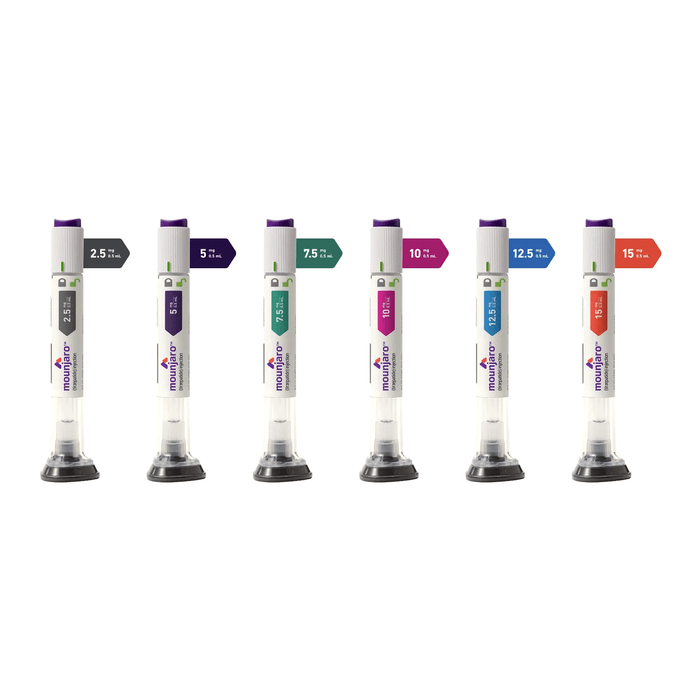
Mounjaro KwikPen Pre-Filled Pen
Mounjaro KwikPen Pre-Filled Pen Buying Basics
Price:
Price range: $439.99 through $799.99
You save


Mounjaro KwikPen Pre-Filled Pen is a product page for people comparing how to buy this once-weekly tirzepatide pen, what prescription steps may apply, and what safety issues to review first. It is used in adults for blood sugar management in type 2 diabetes and, in some jurisdictions, for chronic weight management under approved labeling. This page helps readers review strengths, pen format, handling, and the referral process used to pursue eligible supply.
How to Buy Mounjaro KwikPen Pre-Filled Pen and What to Know First
The Mounjaro medicine name refers to tirzepatide, and KwikPen describes a prefilled injection device. This site functions as a prescription referral service, not an in-house dispensing pharmacy, so the page is built to help people judge fit, requirements, and safe next steps before pursuing supply. Some patients explore US delivery from Canada when a licensed partner pharmacy and local rules allow, but eligibility and jurisdiction still decide what can be supplied.
At a practical level, the first checks are whether a valid prescription is available, whether the approved use in the dispensing jurisdiction fits the person’s condition, and whether major cautions apply. Important issues to review early include a personal or family history of medullary thyroid carcinoma, multiple endocrine neoplasia syndrome type 2, prior pancreatitis, severe gastrointestinal disease, and use of insulin or sulfonylureas. For broader class browsing, the GLP-1 Agonists listing groups related medicines.
For many people, the main buying questions are practical: whether the pen format matches the prescription, whether the requested strength is the right stage of treatment, and whether the supplied instructions match the device being dispensed. Those questions matter because informal videos and discussion boards often mix single-dose and multi-dose pens, which can create confusion about setup and the number of doses in a pen.
Why it matters: Device version, approved use, and instructions can differ by market.
Who It’s For and Access Requirements
This treatment is generally considered for adults with Type 2 Diabetes when additional glucose-lowering support is needed. In some markets, tirzepatide may also be used for adults with Obesity or overweight with related health issues under the local label. The intended indication matters because documentation and eligibility can differ between diabetes care and chronic weight management.
It is not a general wellness injection and is not used for type 1 diabetes or diabetic ketoacidosis. Access commonly depends on the prescription, current medicines, recent weight or glucose history, and whether the requested strength fits a safe titration plan. Pregnancy, plans for pregnancy, breastfeeding, past pancreatitis, or a history of significant stomach or bowel problems may all affect whether this pen is appropriate.
In routine practice, prescribers often review baseline weight, glucose history, current diabetes medicines, kidney status, and tolerance of prior incretin drugs before continuing or changing therapy. A request may need more review if the intended use is outside the local label, if a higher strength is requested too early, or if the person has had severe nausea, vomiting, or dehydration with similar medicines.
Practical fit also matters. A weekly injectable may suit someone who wants less frequent dosing, but it can be a poor match for a person who cannot manage pen handling, has had major intolerance to similar medicines, or prefers an oral option. The multi-dose pen format also means the prescription quantity should match how many weekly doses are intended, rather than assuming every pen is a one-time injection.
Dosage and Usage
Mounjaro KwikPen Pre-Filled Pen is generally used once weekly on the same day each week, following the specific Instructions for Use supplied with the dispensed product. The schedule often starts at a lower strength and increases stepwise over time, but the exact plan depends on the label, the indication, and clinician review. It can generally be used with or without food, and missed doses should be handled according to the instructions packaged with the pen.
- Same weekday: keep the routine consistent.
- Rotate sites: abdomen, thigh, or upper arm.
- One patient only: never share the pen.
- Needles and disposal: follow the supplied directions.
Online click charts and videos can help with orientation, but they should not replace the printed directions because pen formats differ across markets. For a broader label-based overview of stepwise titration, the Mounjaro Doses guide can help frame the basics.
The high-level steps are to prepare the pen exactly as described in the enclosed instructions, use the prescribed setting or dose mechanism for that device, inject under the skin, and dispose of needles safely. If a pen seems damaged, the dose setting looks unclear, or the final dose appears incomplete, the safest next step is to stop and confirm the instructions with the dispensing pharmacy or clinician rather than guessing.
If a schedule change is needed because of travel, illness, or a missed dose, the supplied instructions should guide the timing rather than advice copied from another device version. Small differences in pen design can change how the medicine is prepared, how the dose is set, and what to do when an injection seems incomplete.
Quick tip: Read the supplied Instructions for Use before the first injection.
Strengths and Forms
Mounjaro KwikPen Pre-Filled Pen is a multi-dose prefilled pen presentation of tirzepatide. In official product information for this device format, one pen contains 4 full doses and is intended for single-patient use. That differs from single-dose pen presentations that may exist in other markets, so device directions are not interchangeable.
Mounjaro is the medicine name, while KwikPen identifies the delivery device. Availability may vary by pharmacy and jurisdiction, and not every strength is suitable for every stage of treatment.
| Strength per weekly dose | Presentation | General note |
|---|---|---|
| 2.5 mg | Prefilled multi-dose pen | Usually part of a lower starting stage. |
| 5 mg | Prefilled multi-dose pen | May be used after initial titration. |
| 7.5 mg | Prefilled multi-dose pen | Intermediate step in some label pathways. |
| 10 mg | Prefilled multi-dose pen | Availability can vary by dispensing market. |
| 12.5 mg | Prefilled multi-dose pen | Used only when the prescribed plan calls for it. |
| 15 mg | Prefilled multi-dose pen | Higher-strength option in some stepwise plans. |
The strength printed on the carton is the strength delivered in each weekly dose, not a signal to change doses without prescriber guidance.
Higher milligram strengths are not ‘better’ by default. Tirzepatide is usually increased gradually so the body can adjust, which is why the requested strength should match the documented stage of treatment. If a prescription, carton, and prior dose history do not line up, that discrepancy should be clarified before the next injection.
Because the KwikPen is a multi-dose device, quantity and refill calculations may look different from single-use injector listings. Checking the carton strength, the number of weekly doses in the pen, and whether needles are supplied separately can prevent confusion before the first use.
Storage and Travel Basics
Store the pen refrigerated unless the supplied label allows a temporary room-temperature period. Do not freeze the product, and do not use it if it has been frozen or exposed to excessive heat. Keep the pen in its original carton when possible to protect it from light and to keep the instructions with the device.
Before each injection, inspect the solution and the pen. If the liquid looks cloudy, discolored, or contains particles, or if the device appears damaged, it should not be used. For travel, keep the medicine protected in an insulated carrier, avoid leaving it in a car, and pack safe sharps-disposal supplies if needles are attached separately.
Storage allowances can differ by the exact product version dispensed, so the package insert and pharmacy label should take priority over general online summaries.
For day trips or flights, carry the medication in hand luggage rather than checked baggage when possible. Keep the carton and prescription details nearby in case airport or border staff ask what the item is, and follow the specific room-temperature limits provided with the dispensed pen.
Side Effects and Safety
The most common side effects with tirzepatide are gastrointestinal. Nausea, vomiting, diarrhea, constipation, reduced appetite, stomach discomfort, and injection-site reactions can occur, especially after starting treatment or moving to a higher strength. These effects are often temporary, but ongoing vomiting or diarrhea can lead to dehydration and may need medical review.
More serious problems can include pancreatitis, gallbladder disease, severe allergic reaction, and kidney problems related to fluid loss. Low blood sugar is more likely when tirzepatide is used with insulin or a sulfonylurea. Because glucose levels may shift quickly in some people, a clinician may also want to review new or worsening vision symptoms.
Gastrointestinal effects often appear early in treatment or after a dose increase. Eating patterns, hydration status, and other medicines can influence how noticeable those effects become, which is one reason dose changes are usually gradual instead of moving straight to a higher strength.
Severe, persistent abdominal pain, repeated vomiting, signs of dehydration, trouble breathing, or swelling of the face or throat deserve prompt medical attention. Patients who already have frequent reflux, slowed stomach emptying, or gallbladder problems may need a more careful review before treatment because gastrointestinal effects can be harder to tolerate.
Patients comparing safety details may want a plain-language overview of Mounjaro Side Effects before deciding whether this pen format fits the overall treatment plan.
Drug Interactions and Cautions
Tirzepatide can slow stomach emptying, which may change how some oral medicines are absorbed. That is especially relevant when predictable timing matters. Oral contraceptives can require label-specific backup instructions after starting treatment or after certain dose increases, so the dispensed product information should be checked carefully.
Extra caution may be needed with insulin, sulfonylureas, and medicines that can worsen dehydration. The treatment is generally avoided in people with a personal or family history of medullary thyroid carcinoma or with multiple endocrine neoplasia syndrome type 2. Prior pancreatitis, severe gastroparesis, and pregnancy planning are also common discussion points before use.
This pen should not be used together with another tirzepatide product or combined with another GLP-1 receptor agonist unless the prescriber has specifically directed that plan.
Planned surgery or procedures that involve anesthesia may also require an updated medication review because delayed stomach emptying can affect perioperative instructions. The surgeon, anesthesiologist, and prescribing clinician may not all use the same checklist, so current medication information should be available ahead of time.
Compare With Alternatives
Alternatives are usually compared by active ingredient, approved use, and device format rather than by brand alone. People deciding between tirzepatide and semaglutide can review the broader Tirzepatide Vs Semaglutide comparison for class-level context.
| Option | Active ingredient | Typical format | Key point |
|---|---|---|---|
| Zepbound | Tirzepatide | Once-weekly injection | Shares the same active ingredient, but branding and approved use can differ by market. |
| Wegovy | Semaglutide | Once-weekly injection | Different active ingredient within the broader incretin class. |
| Rybelsus or metformin | Semaglutide oral or metformin | Oral tablet | May matter when a non-injectable route or a different treatment goal is preferred. |
These options are not interchangeable on a milligram-to-milligram basis. The key question is whether the goal is glucose management, chronic weight management under local labeling, or a better match for the person’s device preference and safety profile.
Device preference also matters. Some people value a multi-dose pen because one pen contains several weekly doses, while others prefer a single-dose presentation with fewer setup steps. Approved use matters just as much as the device, because the same active ingredient can be marketed under different brand pathways depending on whether the main goal is type 2 diabetes care or chronic weight management.
Prescription, Pricing and Access
Mounjaro KwikPen Pre-Filled Pen usually requires a valid prescription and a review of the intended use, current medicines, and relevant history before supply can proceed. Coverage rules vary widely. Some plans ask for prior authorization, diagnosis details, or previous treatment history, while people paying without insurance may see different out-of-pocket amounts depending on the strength, pharmacy, and jurisdiction.
Supply, where permitted, comes through licensed third-party pharmacies. Some referrals may also require prescription details to be confirmed with the prescriber before a pharmacy can dispense. That step can matter when a prescription is incomplete, when the requested strength needs clarification, or when local rules call for added verification.
People comparing affordability may look at insurance benefits and cash-pay routes, but none of those options guarantee eligibility or a specific final amount. Stable site-wide savings information, when available, is listed on Promotions Information. Refill continuity can also depend on prescription validity, stock at the partner pharmacy, and whether the current label still supports the requested use.
People evaluating access should also check whether the prescription clearly states the drug name, strength, dosing schedule, and quantity needed for the pen format. If the label or packaging changes, reading the current instructions again is sensible, because device steps, storage language, and approved uses may not be identical across jurisdictions.
When people compare listings, it helps to confirm that the requested quantity matches a multi-dose pen rather than a single-dose injector. Keeping a copy of the current prescription, recent medication history, and any insurer paperwork can reduce delays caused by missing details, especially when the intended use or strength needs extra review.
Authoritative Sources
For label details on Mounjaro KwikPen Pre-Filled Pen, use current official sources rather than forum summaries.
For current U.S. label text and safety information, see DailyMed tirzepatide injection solution MOUNJARO KWIKPEN.
For device-specific directions, review the official Instructions for Use from Lilly.
For the listed strengths and 4-dose pen presentations, see Lilly strengths and doses information.
When a prescription is confirmed and a partner pharmacy can dispense, prompt, express, cold-chain shipping may be used when the product needs protected handling.
This content is for informational purposes only and is not a substitute for professional medical advice.
Customer Reviews
3.0 Based on 9 Reviews
Write a Review Ask a Question - Reviews
- Questions
Filter Reviews:
GL
02/14/2026
Gina L.  US
USGood product bad service
The wok pen is perfectly fine but I am being asked to review an order I haven’t received in almost 4 weeks from placing the order.
02/16/2026
CanadianInsulin.com
Hi Gina!Thank you for bringing this to our attention, and we sincerely apologize for the frustration this has caused.We’re glad to hear that the Mounjaro KwikPen Pre-Filled Pen itself has been working well for you, but we completely understand how concerning it is to be asked for a review when your recent order has not yet arrived especially after almost four weeks. That is certainly not the experience we want you to have.Please know that your concern is important to us. An Account Manager will be reaching out to you directly to ensure this is properly addressed as quickly as possible. We want to make sure you receive clear communication and a timely resolution.We truly value your trust and appreciate your patience while we look into this matter. Thank you for always choosing Canadian Insulin.
GR
01/22/2026
Grant R. USStill hasn’t arrived.
Been a week since ordered and still hasn’t even shipped. Inconsistent deliveries. When they do arrive work great
01/23/2026
CanadianInsulin.com
Hi Grant!Thank you for sharing your experience with us. We sincerely apologize for the delay in shipping your order and understand how frustrating it is to be waiting a week without seeing any shipment updates. We know how important consistency and timely delivery are, especially when it comes to your medication, and we regret the inconvenience this has caused.We truly appreciate you letting us know that when your orders do arrive, the medication works well for you. Your feedback helps us identify where we need to improve, particularly with delivery timelines and communication.Please be assured that your assigned Account Manager will be reaching out to you directly to provide an update on your order and assist in resolving this as quickly as possible. Our team is actively reviewing the status of your shipment to ensure you receive the support and information you need.Thank you for your patience and for bringing this to our attention. We value your trust and are committed to improving your experience moving forward.Thank you for always choosing Canadian Insulin!
LG
01/01/2026
Lynette G. USCanadian Insulin
Great customer service! Product arrived as expected!
01/01/2026
CanadianInsulin.com
Hi Lynette!Thank you for taking the time to share your experience with Canadian Insulin!We’re delighted to hear that you received great customer service and that your product arrived exactly as expected. Our team works hard to ensure a smooth and reliable experience from start to finish.Thank you for choosing Canadian Insulin! We truly appreciate your trust and look forward to serving you again.
CP
12/27/2025
Cindy P. USVery disappointing!
I ordered three months worth of the Mounjaro 7.5 KwikPen pre-filled pen. It took a while for my order to be approved and to go through. When I finally got my order, I was very surprised that the needles were not included. I had ordered Mounjaro from another company in Canada and needles were definitely included. In the picture on the website that showed a picture of the quick pins a needle was definitely in the picture so as a consumer, I assumed that that would be part of what I would get. I called and talked to several people and they said it was definitely spelled out that it was not part of it. I disagree. I tried to copy the picture to this review but couldn’t get it to paste into this review. But if you look at the picture on the website you can clearly see that it shows a needle along with the pins.
12/29/2025
CanadianInsulin.com
Hi Cindy! Thank you for taking the time to share your experience with us. We sincerely apologize for the frustration and disappointment this situation has caused. We understand how concerning it can be to receive your order and find that an expected item, such as needles, was not included especially when the product image may have led to a different expectation.We truly appreciate you bringing this to our attention. Your feedback regarding the website image is important, and we understand how this could have caused confusion. While needles are not included with certain injectable medications and are noted separately in the product details, we recognize that the visual presentation may not have been as clear as it should have been. Your comments help us identify opportunities to improve how we communicate this information to avoid similar misunderstandings in the future.Please know that our team aims to provide clear guidance and support, and we regret that this experience fell short of your expectations. If you need assistance with obtaining compatible needles or have any additional concerns about your order, our customer service team would be more than happy to help.Thank you for choosing Canadian Insulin!
JG
10/08/2025
Jericho G. USHaven’t received my order
I ordered in mid August. At the beginning of September, it still hadn’t shipped, and then shipment went on hold because of the Canadian strike. When other companies started shipping again, it was two weeks before my order shipped. But then the there was another strike mid shipment. A week ago, I sent my license so that it could be sent via UPS or FedEx. I have still not received notice of shipment.
10/09/2025
CanadianInsulin.com
Hi Jericho,Thank you for taking the time to share your experience with us. We sincerely apologize for the extended delay with your order and the frustration caused by the shipping interruptions. We completely understand how inconvenient this has been, especially given the multiple delays related to the recent postal strike.Please be assured that our management team is actively monitoring your order to ensure it is shipped and delivered as soon as possible. Your account manager will also keep you updated every step of the way until your order has been successfully delivered.We truly appreciate your patience and understanding during this challenging situation. Thank you for allowing us the opportunity to resolve this and for continuing to trust Canadian Insulin with your medication needs.
Express Shipping - from $25.00
Shipping with this method takes 3-5 days
Prices:
- Dry-Packed Products $25.00
- Cold-Packed Products $35.00
Standard Shipping - $15.00
Shipping with this method takes 5-10 days
Prices:
- Dry-Packed Products $15.00
- Not available for Cold-Packed products
What is the difference between Mounjaro and Mounjaro KwikPen?
Mounjaro is the brand name of the medicine tirzepatide. KwikPen refers to one prefilled pen device used to give the medicine. Depending on the market, there may also be other pen presentations, including single-dose formats, so instructions for one version should not be assumed to match another. When reviewing a listing, check the device type, strength, number of doses in the pen, and the instructions supplied with the dispensed product.
How many doses are in a Mounjaro KwikPen pen?
Official product information for the KwikPen presentation commonly describes one multi-dose, single-patient-use pen containing 4 full doses. The carton and instructions should always be checked, because device versions can differ by market. If a pen seems not to contain enough medicine for the final dose, do not try to estimate the amount from clicks alone. The dispensing pharmacy or clinician should confirm whether the pen, dose setting, and quantity are correct.
How is the pen usually used?
The pen is generally used once weekly, under the skin, on the same day each week. Common injection sites are the abdomen, thigh, or upper arm, and sites should be rotated. The enclosed Instructions for Use should guide setup, dose selection, and needle handling for that specific device version. The pen is for one patient only and should never be shared. If a dose is missed or the device seems damaged, follow the official instructions for the supplied product.
What side effects should be watched closely?
Common side effects include nausea, vomiting, diarrhea, constipation, reduced appetite, and stomach discomfort, especially after treatment starts or the strength increases. Closer attention is needed if there is severe abdominal pain, repeated vomiting, signs of dehydration, low blood sugar symptoms when used with insulin or sulfonylureas, trouble breathing, or swelling of the face or throat. Those problems can signal a more serious reaction and may need urgent medical assessment.
What should be discussed with a clinician before starting?
A clinician will usually want to review the intended use, current medicines, past response to similar drugs, and whether the requested strength matches a safe stepwise plan. Important history includes pancreatitis, gallbladder disease, severe stomach or bowel problems, kidney issues from dehydration, pregnancy or pregnancy plans, and any personal or family history of medullary thyroid carcinoma or MEN2. It is also worth asking how the dispensed pen should be stored, what to do after a missed dose, and whether oral contraceptive instructions apply.
Rewards Program
Earn points on birthdays, product orders, reviews, friend referrals, and more! Enjoy your medication at unparalleled discounts while reaping rewards for every step you take with us.
You can read more about rewards here.
POINT VALUE
How to earn points
- 1Create an account and start earning.
- 2Earn points every time you shop or perform certain actions.
- 3Redeem points for exclusive discounts.
You Might Also Like
Select options
This product has multiple variants. The options may be chosen on the product page
Select options
This product has multiple variants. The options may be chosen on the product page
Select options
This product has multiple variants. The options may be chosen on the product page
Select options
This product has multiple variants. The options may be chosen on the product page
Related Articles
Type 2 Diabetes,
Generic Liraglutide For Weight Loss: A Practical Guide
People searching for generic liraglutide for weight loss usually want clear answers on three points: whether an approved lower-cost version exists, how it differs from brand-name products, and what access…
Type 2 Diabetes,
Liraglutide Vs Semaglutide Comparison Guide For Patients
Key Takeaways People searching liraglutide vs semaglutide usually want a practical comparison, not a slogan. The most useful differences involve formulation, schedule, approved uses, side effect patterns, and the paperwork…
Weight Management
Generic Zepbound: Availability, Status, and Options
Key Takeaways Patients and caregivers often search for generic zepbound when they need a clear answer about availability, labeling, and lower-cost access. The term is common online, but it does…
Type 2 Diabetes,
Oral Wegovy Explained: Facts, Risks, and Access Options
The phrase oral wegovy is best understood as a search term, not a settled product name. Most people use it to mean a pill version of semaglutide for weight management,…