
Please note: a valid prescription is required for all prescription medication.
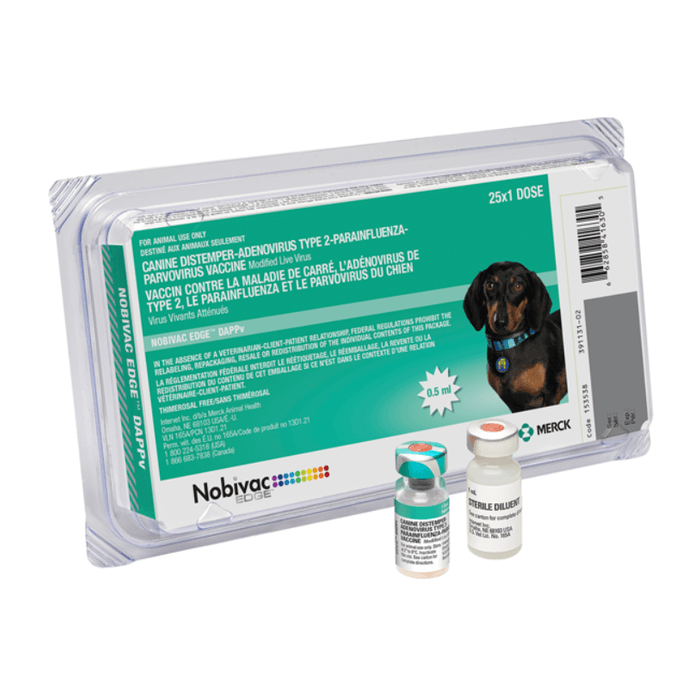
Nobivac Canine Edge 1-DAPPv
Nobivac Canine Edge 1-DAPPv: How to Buy It Safely
Price:
$165.99
You save


Nobivac Canine Edge 1-DAPPv is a veterinary combination vaccine for dogs used within routine immunization programs. It is intended to help protect against several contagious viral diseases that can cause severe illness. This page summarizes coverage, schedule basics, storage, and key safety points to review with a veterinarian.
What Nobivac Canine Edge 1-DAPPv Is and How It Works
This product is commonly grouped with “core” canine vaccines that target distemper, adenovirus, parainfluenza, and parvovirus (often abbreviated DAPPv or DA2PPv). It works by presenting specific viral components to the immune system so the dog can develop immune memory and respond more effectively after future exposure. In referral-based prescription workflows, prescription details may be confirmed with the prescribing veterinarian before processing.
Some patients explore Ships from Canada to US when local supply is limited or when their clinic coordinates sourcing. The four targeted diseases are important because they spread efficiently in some settings and may be serious, especially in young or unvaccinated dogs. For condition background and plain-language context, you can browse the hubs for Canine Distemper, Canine Parvovirus Infection, Canine Adenovirus Infection, and Canine Parainfluenza.
Coverage names can be confusing. “Adenovirus” in these vaccines usually refers to protection against canine adenovirus type 1 (infectious canine hepatitis) through immunization with adenovirus type 2; the labeling and your veterinarian’s protocol determine the exact intent. Combination vaccines are typically used to reduce the number of separate injections while still following safety and spacing guidance. Where permitted, dispensing and fulfillment may be carried out by licensed third-party pharmacies rather than by the referral platform itself.
Who It’s For
This immunization is generally intended for dogs as part of a veterinarian-directed preventive care plan. It may be used in puppies starting a primary series and in adult dogs who need an initial series or scheduled boosters. The highest benefit is usually in dogs with no prior vaccination history or with unknown records, because distemper and parvovirus can be life-threatening.
Contraindications and deferrals depend on the package insert and veterinary assessment. Vaccination may be postponed in dogs that are acutely ill with fever, are significantly immunocompromised, or have a history of serious vaccine reactions. Pregnancy and very young age may also change what is appropriate, especially for products that contain modified-live components. If your dog has complex medical problems, ask the clinic to document prior reactions and concurrent conditions before Nobivac Canine Edge 1-DAPPv is scheduled.
Dosage and Usage
Vaccines are typically administered by a veterinary professional, using an approved route and technique per labeling. Many canine DAPPv products are given as a 1 mL dose, but the correct dose and route should always be verified on the package insert for the specific presentation. Because vaccines are preventive, timing is often the most important “dose” variable: starting too early, spacing too far apart, or missing the final puppy dose can reduce protection.
General guideline frameworks (not individualized medical advice) often include a puppy series beginning around 6–8 weeks of age, with additional doses every 3–4 weeks until at least 16 weeks, then a booster around one year later. Adult dogs with unknown histories may receive a starter series followed by periodic boosters based on risk and guidance. Your veterinarian may coordinate Nobivac Canine Edge 1-DAPPv alongside other preventive care to reduce visit burden while maintaining safe spacing.
Strengths and Forms
Nobivac Canine Edge 1-DAPPv is typically supplied as a single-dose presentation intended for individual administration, though exact packaging can vary by market and distributor. Some combination canine vaccines come as a lyophilized (freeze-dried) vial that is reconstituted with a sterile diluent immediately before use; confirm the exact form on the carton and insert. The “1-” naming commonly indicates a one-dose format rather than a multi-dose vial.
Clinics may also compare single-dose versus multi-dose formats for workflow, wastage risk, and inventory management. Availability can differ by jurisdiction and veterinary supply channels. If a practice is building a broader preventive plan, they may also look at other infectious disease products within the Infectious Disease hub or browse related items in Pet Medications to understand what is commonly paired with core vaccination visits.
Storage and Travel Basics
Vaccines are sensitive biological products, and improper storage can reduce potency. Store and handle this product exactly as directed on the label and package insert. In many practices, that means keeping it refrigerated, avoiding freezing, limiting exposure to heat and direct light, and monitoring refrigerator temperatures as part of routine cold-chain procedures.
If the product requires reconstitution, it is usually mixed immediately before administration and used within the allowed time window stated in the insert. Do not pre-mix doses “in advance” unless the label explicitly allows it. Keep the vial in its original packaging until use so the lot number and expiry remain accessible for medical records and adverse event reporting.
Quick tip: Ask the clinic to record the vaccine lot number in your dog’s chart.
Side Effects and Safety
Most dogs tolerate core vaccines well. Common short-term effects can include mild sleepiness, lower activity, brief appetite changes, or localized soreness or swelling at the injection site. These effects often appear within a day and resolve without intervention, but the expected course can vary by dog and by what other vaccines are given at the same visit.
More serious reactions are uncommon but require urgent veterinary attention. Watch for facial swelling, hives, repeated vomiting, collapse, pale gums, or trouble breathing soon after vaccination, which can suggest an acute hypersensitivity reaction (allergic response). Also contact a veterinarian for persistent fever, marked lethargy, severe pain, or a swelling that rapidly enlarges or drains. Reporting suspected adverse events helps clinics evaluate whether future vaccination plans should be modified.
Why it matters: Early recognition of allergic reactions can be life-saving.
Drug Interactions and Cautions
Vaccines do not have “drug interactions” in the same way as many daily medicines, but timing and immune status matter. Drugs that suppress immune function (such as certain corticosteroids, chemotherapy agents, or other immunosuppressants) may reduce vaccine response or change the risk profile. Dogs with immune-mediated disease, endocrine disorders, or chronic organ disease may need a tailored preventive plan.
Tell the veterinarian about all recent medications and supplements, recent illnesses, and any prior vaccine reactions. Also mention recent boarding, daycare, grooming, or exposure to sick animals, because these factors influence risk assessment and scheduling. If multiple vaccines are planned for a single visit, the clinic may follow established protocols for co-administration or spacing to manage reactivity while keeping protection on track.
Compare With Alternatives
Core combination vaccines are one part of a broader preventive approach. Depending on your dog’s age, risk, and local disease patterns, a veterinarian may consider other Nobivac DAPPv presentations or different manufacturers’ DA2PPv options. Product selection may also depend on clinic preference, supply, and how the vaccine fits into a standardized protocol.
If a clinic is comparing closely related items, they may review Nobivac Canine 1 DAPPv as another DAPPv-format option. For dogs with leptospirosis risk, a separate vaccine may be discussed, such as Nobivac Canine Lepto 4, because leptospirosis is not covered by DAPPv alone. The best comparison is usually based on labeled indications, veterinary guidance, and the dog’s exposure risk rather than on brand familiarity.
Pricing and Access
Access to veterinary vaccines is shaped by prescription status, clinic administration policies, and local rules for biologics. Some products are supplied directly to veterinary practices, and others may be obtained through pharmacy channels depending on jurisdiction. In a referral model, the service may need to verify the prescription with the veterinarian, while the medication itself may be dispensed by a licensed pharmacy partner where permitted.
Out-of-pocket considerations can vary based on visit fees, bundled services, and whether multiple immunizations are administered in one appointment. If you are planning without insurance, ask the clinic what is included (exam, vaccine, administration, and record-keeping) so comparisons are more accurate. General budgeting ideas for prescription expenses can be found in Low Income Prescription Help, which may help frame questions to ask even when the prescription is for a pet.
Documentation matters for travel, boarding, and daycare. Keep vaccine records accessible and confirm whether your destination or facility requires specific intervals, product types, or titers. If you are looking for site-level information that may apply to eligible orders, you can review the Promotions Page for general updates, while noting that eligibility and jurisdictional constraints can apply.
Authoritative Sources
For clinical decision-making, rely on the product’s package insert and your veterinarian’s guidance. The references below can help with background on the diseases covered by core canine vaccination and the rationale for standard schedules. They are not a substitute for individualized veterinary care.
For disease overviews and prevention context, consult these veterinary references: Merck Veterinary Manual canine distemper overview; Merck Veterinary Manual canine parvovirus enteritis. For vaccination schedule principles, review: AAHA Canine Vaccination Guidelines.
Temperature-sensitive products are commonly transported using prompt, express, cold-chain shipping to help maintain labeled storage conditions.
This content is for informational purposes only and is not a substitute for professional medical advice.
Express Shipping - from $25.00
Shipping with this method takes 3-5 days
Prices:
- Dry-Packed Products $25.00
- Cold-Packed Products $35.00
Standard Shipping - $15.00
Shipping with this method takes 5-10 days
Prices:
- Dry-Packed Products $15.00
- Not available for Cold-Packed products
What diseases does this DAPPv vaccine help protect against?
DAPPv (also called DA2PPv) refers to a combination vaccine intended to help protect dogs from distemper, adenovirus, parainfluenza, and parvovirus. These are contagious viral infections that can be severe, especially in puppies and unvaccinated dogs. “Adenovirus” coverage is often designed to address infectious canine hepatitis risk through adenovirus-related immunization, but details depend on the specific product label. Your veterinarian can confirm what the selected vaccine covers and how it fits your dog’s risk profile.
Is Nobivac Canine Edge 1-DAPPv used for puppies or adult dogs?
It may be used in both puppies and adult dogs, depending on vaccination history and the veterinarian’s protocol. Puppies commonly receive a series of core vaccines over several visits, because early doses can be affected by maternal antibodies. Adult dogs may need an initial series if records are unknown or incomplete, followed by boosters based on guideline intervals and exposure risk. The right schedule depends on age, health status, and local requirements (for example, boarding or daycare documentation).
How is this vaccine typically scheduled with other shots like leptospirosis or rabies?
Clinics often plan core DAPPv vaccination visits alongside other preventive needs, but the exact combination and timing vary. Leptospirosis vaccines are usually separate from DAPPv and may require their own initial series and boosters based on local risk. Rabies vaccination is governed by local regulations and may have specific age and booster rules. Your veterinarian will decide whether vaccines are given at the same visit or spaced out, considering prior reactions, current health, and the total number of injections planned.
What side effects should I monitor for after my dog is vaccinated?
Mild, short-lived effects can include sleepiness, reduced appetite, or soreness at the injection site. These often improve within a day or two. Contact a veterinarian promptly if you see facial swelling, hives, repeated vomiting, collapse, pale gums, or breathing trouble, which can suggest an allergic reaction. Also call if your dog seems unusually painful, has a persistent fever, or develops a swelling that grows quickly or drains. Keep the vaccination record, including lot number, in case follow-up is needed.
What should I tell my veterinarian before my dog receives this vaccine?
Share your dog’s prior vaccine records, any past reactions, and any recent illness (cough, diarrhea, fever, or low energy). Provide a list of medications, especially immunosuppressive drugs such as certain steroids or chemotherapy agents, because they can affect vaccine timing and immune response. Mention pregnancy status, chronic diseases, and whether your dog has frequent exposure to other dogs through daycare, boarding, shows, or shelters. Ask what the clinic expects after vaccination and what symptoms should trigger urgent care.
How should an unopened vaccine vial be stored or transported to a clinic?
Follow the package insert exactly, because biologics are sensitive to temperature extremes and light. Many canine vaccines are stored refrigerated and must not be frozen, but you should confirm the label instructions for the specific presentation you have. Transport should minimize time out of refrigeration and avoid direct contact with ice packs that could freeze the vial. Keep the product in its original packaging so the lot number and expiry remain available. If there is any question about storage conditions, ask the clinic whether the dose should be replaced.
Rewards Program
Earn points on birthdays, product orders, reviews, friend referrals, and more! Enjoy your medication at unparalleled discounts while reaping rewards for every step you take with us.
You can read more about rewards here.
POINT VALUE
How to earn points
- 1Create an account and start earning.
- 2Earn points every time you shop or perform certain actions.
- 3Redeem points for exclusive discounts.
You Might Also Like
Select options
This product has multiple variants. The options may be chosen on the product page
Select options
This product has multiple variants. The options may be chosen on the product page
Select options
This product has multiple variants. The options may be chosen on the product page
Select options
This product has multiple variants. The options may be chosen on the product page
Related Articles
Type 2 Diabetes,
Generic Ozempic Explained for Patients and Caregivers
Key Takeaways People searching generic ozempic are usually trying to confirm whether a lower-cost semaglutide option is a true approved equivalent, a compounded product, or a different diabetes medicine. Separate…
Uncategorized
Rybelsus Generic: A Patient Guide to Current Options
Key TakeawaysMany people searching for rybelsus generic are trying to answer one practical question: is there a true lower-cost equivalent tablet, or only the brand product and look-alike alternatives?Brand and…
Type 2 Diabetes,
Generic Liraglutide For Weight Loss: A Practical Guide
People searching for generic liraglutide for weight loss usually want clear answers on three points: whether an approved lower-cost version exists, how it differs from brand-name products, and what access…
Type 2 Diabetes,
Liraglutide Vs Semaglutide Comparison Guide For Patients
Key Takeaways People searching liraglutide vs semaglutide usually want a practical comparison, not a slogan. The most useful differences involve formulation, schedule, approved uses, side effect patterns, and the paperwork…