
Shipping with this method takes 3-5 days
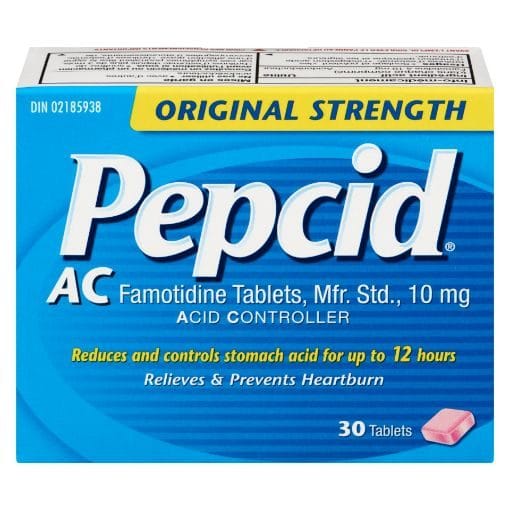
Pepcid AC Easy Swallow
Buy Pepcid AC Easy Swallow Online


Pepcid AC Easy Swallow is a famotidine acid reducer used for heartburn, acid indigestion, and sour stomach. You can buy Pepcid AC Easy Swallow online, view the current product cost, and choose the tablet quantity shown during ordering. Match Pepcid AC Easy Swallow 10mg tablets to the package directions and any clinician guidance that applies to your symptoms.
Famotidine is an H2 blocker, which means it reduces acid production in the stomach by blocking histamine-2 receptors. The Easy Swallow version is intended to be swallowed with water, unlike chewable heartburn products. That difference matters when you are matching ingredients, directions, timing, and maximum daily use.
Pepcid AC Easy Swallow Price and Tablet Choices
The Pepcid AC Easy Swallow price should be read together with the tablet strength, form, and quantity displayed during ordering. This product is commonly associated with 10 mg famotidine tablets, often called Original Strength Pepcid AC. If more than one Pepcid AC product appears similar, use the active ingredient and strength instead of the brand name alone.
Pepcid AC Easy Swallow cost can vary with tablet count, checkout path, and cash-pay decisions. People comparing Pepcid AC without insurance should focus on the product total, the number of tablets, and whether the tablet form matches their intended use. Famotidine tablets may look similar across brands, but the label directions and inactive ingredients can differ.
Quick tip: Match the 10 mg strength and swallow-tablet form before comparing totals.
- Active ingredient: famotidine, an acid reducer in the H2 blocker class.
- Common strength: 10 mg tablets for original-strength Pepcid AC products.
- Form: Easy Swallow tablets are taken with water and should not be chewed unless the package says otherwise.
- Quantity: compare the total tablet count with your expected occasional-use pattern.
- Use pattern: occasional heartburn differs from persistent reflux symptoms that need medical review.
For broader digestive product browsing, the gastrointestinal product category can help separate acid reducers from other stomach and bowel medicines. Use category browsing only after confirming the active ingredient, strength, and directions for this product.
How to Order This Acid Reducer Online
Order Pepcid AC Easy Swallow online by choosing the tablet quantity that matches your needs and the label directions. The product name, 10 mg famotidine strength, and swallow-tablet form should match what you intend to use. Review the carton or bottle information when the order arrives, especially if ingredient sensitivities matter.
US delivery from Canada may be relevant for customers comparing cross-border service. Use the same product-matching steps for any order path: active ingredient, strength, tablet form, quantity, expiry date, and package seal. Do not assume a chewable Pepcid product, maximum-strength product, or combination antacid product is interchangeable with Easy Swallow tablets.
Pepcid AC tablets are labeled for adults and children 12 years and older on many original-strength packages. Younger children, people with kidney disease, and people with warning symptoms should ask a clinician before using famotidine. The order decision should include both the product cost and whether self-treatment fits the symptom pattern.
What Pepcid AC Famotidine Tablets Treat
Pepcid AC famotidine tablets are used for relief of heartburn associated with acid indigestion and sour stomach. Some labels also describe use before eating or drinking items that may trigger heartburn. The medicine reduces stomach acid; it does not neutralize acid already present in the same way that many antacids do.
Heartburn usually feels like burning discomfort behind the breastbone, often after meals or when lying down. Acid indigestion and sour stomach can feel like upper-abdominal discomfort, sour taste, or acid-related irritation. Famotidine heartburn medicine may help occasional acid symptoms, but it should not replace evaluation for frequent, severe, or unusual symptoms.
The heartburn product collection is useful when separating occasional heartburn products from other digestive options. The acid reflux collection can support broader browsing when symptoms are recurrent or reflux-focused. Persistent reflux, trouble swallowing, unexplained weight loss, vomiting blood, black stools, or chest pain require clinical assessment rather than routine self-treatment.
Ingredients, Strength, and How It Works
Pepcid AC Easy Swallow 10mg tablets contain famotidine as the active ingredient. Famotidine belongs to the H2 blocker class and lowers acid production in the stomach. It is different from calcium carbonate antacids, which work by neutralizing existing stomach acid, and from proton pump inhibitors, which reduce acid through a different mechanism.
Inactive ingredients can vary by market and package. Check the carton or bottle if you avoid dyes, certain fillers, or other excipients. Product photos may not show the full ingredient list clearly enough for allergy or sensitivity decisions.
| Attribute | What to Match |
|---|---|
| Medicine class | H2 blocker acid reducer. |
| Active ingredient | Famotidine. |
| Common strength | 10 mg for original-strength Pepcid AC tablets. |
| Tablet type | Easy Swallow tablets are swallowed with water. |
| Main labeled use | Heartburn associated with acid indigestion and sour stomach. |
| Important distinction | Not the same as chewable, maximum-strength, or combination antacid products. |
Why it matters: Similar Pepcid names can have different directions and ingredients.
Pepcid AC Dosage and Timing Basics
Follow the package directions unless a clinician gives different instructions. Original-strength Pepcid AC labels commonly direct adults and children 12 years and older to swallow one tablet with a glass of water. The tablet should not be chewed when the Easy Swallow form is being used.
Labels commonly state not to take more than two tablets in 24 hours. Timing may depend on whether you are treating symptoms already present or trying to prevent meal-related heartburn. Some Pepcid AC directions describe taking a tablet 15 to 60 minutes before food or drink that may cause heartburn.
Do not use label timing to manage chest pain, pressure, pain spreading to the shoulder or arm, sweating, dizziness, or shortness of breath. Those symptoms can overlap with serious heart problems. If symptoms are new, severe, or different from typical heartburn, seek urgent medical advice.
Do not use a higher-strength famotidine product simply because symptoms are bothersome. Pepcid AC 10mg tablets, maximum-strength 20 mg famotidine products, and combination antacid-acid reducer products can have different directions. The safer choice is the product that matches the label and your clinical situation.
Storage, Packaging, and Handling
Store famotidine tablets in the original container and follow the temperature directions on the package. Keep the bottle or carton tightly closed, away from excess moisture, and out of reach of children. Bathroom cabinets can be humid, so a dry location is usually better for tablet storage.
When your order arrives, inspect the product name, strength, tablet count, expiry date, and safety seal before use. Do not use tablets if the seal appears broken, the tablets look damaged, or the package does not match what you ordered. If the container includes a desiccant or protective insert, follow the storage instructions printed on the package.
Travel with the labeled container rather than loose tablets. This reduces mix-ups with antacids, pain relievers, or other small tablets. Avoid leaving tablets in a hot vehicle or in luggage exposed to prolonged heat or moisture.
Side Effects, Warnings, and When to Ask a Clinician
Many people tolerate famotidine, but side effects can occur. Report symptoms such as rash, swelling, breathing trouble, severe dizziness, confusion, mood changes, or any reaction that feels unusual. Older adults and people with kidney problems may need closer guidance because famotidine is cleared partly through the kidneys.
Do not use Pepcid AC if you have had an allergic reaction to famotidine or similar acid reducers. Ask a clinician before use if you have kidney disease, stomach pain, nausea or vomiting, unexplained weight loss, or heartburn that has continued for more than three months. Frequent wheezing with heartburn or heartburn with lightheadedness can also need medical evaluation.
Stop using the product and ask for medical advice if heartburn continues, worsens, or returns quickly after short-term use. Many OTC acid reducer labels warn against using the product for more than 14 days unless directed by a clinician. Recurrent symptoms may require a different diagnosis, different treatment duration, or evaluation for reflux disease, ulcers, medication-related irritation, or another condition.
Famotidine can affect stomach acidity, which may matter for medicines that depend on acid for absorption. Avoid combining several acid reducers unless a clinician or pharmacist says the combination is appropriate. Bring a current medication list when asking about interactions, including supplements and occasional antacid use.
Pregnancy, breastfeeding, kidney disease, older age, and multiple daily medicines are good reasons to ask about famotidine before routine use. The question is not only whether Pepcid AC heartburn relief may reduce acid. It is also whether the symptom pattern is safe to manage with an over-the-counter-style acid reducer.
How It Compares With Nearby Heartburn Options
Pepcid AC Easy Swallow is an acid reducer, not a chewable antacid. Antacids may work by neutralizing acid already in the stomach, while famotidine lowers acid production. Proton pump inhibitors reduce acid through another pathway and are often used differently. These categories are not automatically interchangeable.
Chewable Pepcid products may be more convenient for some people, but they can have different directions and ingredients. Maximum-strength famotidine products contain a higher amount of active ingredient per tablet. Combination products may include an antacid plus an acid reducer. Always match the product category to the symptom pattern and label instructions.
For additional digestive-health reading, the gastrointestinal articles section can help with general education about reflux, heartburn triggers, and stomach-acid medicines. Lifestyle steps such as avoiding large late meals, limiting personal trigger foods, and elevating the head of the bed may help some people judge whether symptoms are occasional or recurring.
Authoritative Sources
Use official labeling when checking Pepcid AC dosage, age limits, maximum daily use, and warning symptoms. These sources support labeled use and safety information rather than individual treatment decisions.
- DailyMed OTC label for Pepcid AC describes famotidine uses, directions, warnings, and allergy information.
- Official PEPCID Original Strength product information summarizes original-strength famotidine tablet directions and product use.
This content is for informational purposes only and is not a substitute for professional medical advice.
Express Shipping - from $29.99
Prices:
- Dry-Packed Products $29.99
- Cold-Packed Products $39.99
Standard Shipping - $19.99
Shipping with this method takes 5-10 days
Prices:
- Dry-Packed Products $19.99
- Not available for Cold-Packed products
What is Pepcid AC Easy Swallow used for?
Pepcid AC Easy Swallow contains famotidine, an H2 blocker that reduces stomach acid. It is used for heartburn associated with acid indigestion and sour stomach, and some labels describe use before foods or drinks that may trigger heartburn.
Is Pepcid AC Easy Swallow the same as chewable Pepcid?
No. Easy Swallow tablets are intended to be swallowed with water. Chewable or combination Pepcid products may have different directions, inactive ingredients, or active ingredient amounts, so match the form and strength before use.
How many Pepcid AC 10 mg tablets can be taken in a day?
Follow the package directions or clinician guidance. Original-strength Pepcid AC labels commonly state that adults and children 12 years and older take one tablet with water and do not take more than two tablets in 24 hours.
When should someone ask a clinician before using famotidine?
Ask before use if you have kidney disease, long-lasting heartburn, unexplained weight loss, stomach pain, nausea or vomiting, or frequent wheezing with heartburn. Seek urgent help for chest pain, trouble swallowing, vomiting blood, or black stools.
Can famotidine interact with other medicines?
Famotidine changes stomach acidity, which can affect medicines that need acid for absorption. Avoid stacking acid reducers unless a clinician or pharmacist confirms the combination is appropriate, and provide a current medication list when asking about interactions.
Rewards Program
Earn points on birthdays, product orders, reviews, friend referrals, and more! Enjoy your medication at unparalleled discounts while reaping rewards for every step you take with us.
You can read more about rewards here.
POINT VALUE
How to earn points
- 1Create an account and start earning.
- 2Earn points every time you shop or perform certain actions.
- 3Redeem points for exclusive discounts.
You Might Also Like
Select options
This product has multiple variants. The options may be chosen on the product page
Select options
This product has multiple variants. The options may be chosen on the product page
Select options
This product has multiple variants. The options may be chosen on the product page
Select options
This product has multiple variants. The options may be chosen on the product page